

You want to ace event planning? Buckle up. The 12-Point Design Brief Template is your go-to. Get strategic with essentials: target audience clarity, concise brand guidelines, a well-defined budget, and a strong project lead. Draft deliverables, confirm vendor availability pronto, and prioritize tasks using a framework of simple checklists. This isn’t arts and crafts; it’s streamlined strategy. Ready to level up and execute with kinetic precision? There’s plenty more in store.
The full list (12 items)
Let’s cut the fluff and streamline your design brief with a focus on what’s non-negotiable for your big day. You’ll need to strategically outline the basics and priorities that get the job done without compromising your vision. Here’s a quick checklist to keep you on track:
- Event basics: date, venue, guest count, vibe.
- Top priorities: what must look/feel amazing.
- Budget range for design elements.
- Colour palette + neutrals.
- Establish a clear brand voice to maintain consistency and foster loyalty throughout the event.
Event basics (date, venue, guest count, vibe)
When you’re planning a high-energy wedding that screams ambition and efficiency, nailing down the event basics is non-negotiable. Start with a solid wedding design brief that covers your date, venue, and guest count. Strategically select a date that sidesteps holidays and peak seasons—booking 9-12 months ahead gives you a competitive edge. Match your venue to your wedding aesthetic plan, ensuring amenities and accessibility meet your needs and vibe. Hyatt offers official wedding venues with celebration packages that can seamlessly complement your design vision. Guest count? Draft early, finalize 2-3 months out, and keep those RSVPs in check—because seating chaos isn’t a good look. Your wedding’s vibe should be intentional, not just “Pinterest perfect.” Execute with precision: coordinate decor, lighting, and attire to align with your dynamic theme. Next steps? Confirm vendor availability and start site visits ASAP. Choosing the right date is crucial for maximizing attendance, so consider all factors that might impact your guest list.
Top priorities (what must look/feel amazing)
Executing a wedding with high-energy precision means setting your top priorities straight from the get-go. Your wedding vision board isn’t just for show; it’s your strategic blueprint. Make certain your vendor design document highlights what must look and feel amazing. We’re talking about cohesive branding—consistent color schemes, fonts, and imagery. A killer stage design and interactive zones are non-negotiable; they get the job done by engaging guests and enhancing the vibe. Prioritize attendee flow for seamless navigation and unforgettable experiences. Lighting and decor should pivot to create an immersive atmosphere. Remember, sensory elements aren’t fluff—they’re essential. Align these elements with your brand’s kinetic precision. Now, map this all out in a streamlined checklist and ensure these priorities accelerate your wedding’s wow factor. Incorporating nutrition and wellness into your preparation can play a key role in making sure you and your guests feel energized and at your best for the big day. Consider the timeline for planning and execution of the event to ensure every detail is meticulously coordinated and deadlines are met.
Budget range for design elements
Here’s the deal: Your wedding budget isn’t just about dollars; it’s your strategic playbook for getting the job done right. Embrace the chaos and streamline your spending—it’s all about knowing where every cent goes. Define your total budget upfront, whether it’s a fixed amount or a flexible system like royalties. Break it down by stages—research, planning, design—to keep everything on track. When it comes to food, planning ahead for catering essentials ensures no surprise expenses derail your carefully structured budget. Avoid scope creep by setting financial limits early. Use real tools like timelines and checklists to align your budget with deadlines. Factor in resources like CAD software and testing tools to optimize expenditures. Involve stakeholders early to manage expectations and prevent costly pivots. Remember, a well-executed budget is non-negotiable for a wedding that moves like clockwork. A detailed project overview and specific objectives can further enhance clarity and ensure that all stakeholders are aligned from the outset.
Colour palette + neutrals
A killer color palette is your secret weapon for a wedding that doesn’t just look good but feels like a well-oiled machine. Start with vibrant primaries like red, blue, and yellow. They’re not just eye candy; they’re emotional powerhouses. Keep them at 60% for maximum impact. Add secondary colors—think oranges and greens—for depth and contrast at a 30% ratio. Accent colors like teal or magenta? Use sparingly (10%) to highlight buttons or calls-to-action. Neutrals are your canvas, covering 70-80% with grayscale tones. Use shades from pure white (#FFFFFF) to near-black (#212121) to balance vibrancy. A smart palette isn’t just pretty; it’s strategically executed to streamline your event. Templates like the ClickUp Creative Brief Document capture vital project details and align stakeholders, ensuring your color strategy aligns with overall project objectives. Now, are you ready to pivot your color game?
Inspiration references (3–5 images)
When you’re gearing up to create a wedding that’s more of a strategic masterpiece than a cookie-cutter affair, inspiration references are your secret weapon. Think of them as your visual GPS, guiding you and your vendors through the bustling chaos of wedding planning. By strategically assembling 3–5 powerhouse images, you build a dynamic mood board that communicates your vision with kinetic precision. The goal? Align everyone’s expectations and streamline decision-making, minimizing scope creep and confusion. Use tools like Notion or Figma to dynamically integrate these visuals into your brief, annotating each for clarity. These references get the job done by highlighting your likes and dislikes upfront, allowing for real, actionable discussions. Ready to pivot? Gather those images and accelerate your planning momentum. A Design Brief Template facilitates collaboration with designers, outlining project objectives and styles to ensure a clear vision for projects.
Must-haves (non-negotiables)
Strategically assembling your powerhouse inspiration references? Now, let’s pivot to the must-haves—those non-negotiables that make or break your project. You’re a pro at juggling deadlines, so let’s cut to the chase. This isn’t fluff; it’s about what gets the job done. Your design brief should include essential elements like detailed project goals, clear timelines, and a precise budget. These are your anchors—no room for ambiguity or missed marks. Articulate your unique selling points and define your target demographic with precision. Integrate a solid competitor analysis to identify market gaps. Remember, 80% of projects succeed with a clearly defined problem statement. Move with momentum; make these must-haves your project’s spine. Next step? Draft them with zero compromise. A well-crafted brief can lead to 25% faster task completion and reduce miscommunication by up to 50%, ensuring that all parties are aligned and the project runs smoothly.
Hard no’s (materials/colours/styles)
While executing your wedding vision, hard no’s are just as essential as must-haves. To strategically streamline your planning, know what’s non-negotiable. Avoid cheap plastics that crack under stress and glossy finishes that scream “fingerprint me.” Skip recycled paper with inconsistent thickness and metallic foils notorious for print bleeds. Neons fighting your brand’s neutrals? Hard pass. Pastels disappearing on dark backgrounds? Nope. Banish gradients that mess up web rendering and pure black ink that smears on print. A design brief template can help you align on these hard no’s by providing a structured format to document materials and styles to avoid, ensuring all parties are on the same page. Reject minimalist grids clashing with ornate logos and retro fonts unreadable on screens. Vaporwave aesthetics? Not for your sophisticated plans. Ditch hand-drawn elements that look unprofessional. Overly complex patterns? They’ll overwhelm your vision. Action step: Create a checklist of these hard no’s to keep your planning focused and efficient.
Venue constraints (lighting, rules, dimensions)
Nailing down your hard no’s sets the stage for mastering your venue’s constraints. Tackle lighting like a boss—know the minimum foot candle requirements for safety and guarantee those emergency systems are locked and loaded for all scenarios. Check venue rules; older spots can’t handle structural changes, so think temporary and non-damaging installations. Mind space dimensions: your room size and ceiling height directly affect fixture placement and light balance. Outdoor venues? Weatherproof those lights, pronto. Power’s a biggie—confirm outlet availability and choose fixtures that won’t trip the system. Use wireless and low-profile LEDs to keep setups tidy. Remember, strategic planning and smart execution mean you’re not just adapting; you’re owning the space. Next step? Coordinate with vendors to align all plans.
Tabletop plan (linens, place settings, rentals)
When it comes to executing a killer tabletop plan, you’re stepping into the arena of design precision and strategic flair. Begin by choosing linens that set the stage—mix textures and bold colors without causing a visual clash. Your palette should echo your event’s theme, like a symphony of hues. For place settings, ditch stacks of plates; every piece should serve a purpose. Tailor choices to the menu—wine glasses if there’s wine, otherwise skip them. Centerpieces? Keep them low for conversation but add height variation for visual dynamism. Don’t forget the chairs; they’re not just seats—they’re style statements. Collaborate with rental vendors early, ensuring cohesion. The goal? A streamlined, yet sophisticated design that’s all about smart shortcuts, not fluff.
Florals/greenery direction (scale + mood)
Florals and greenery are your secret weapons in creating unforgettable wedding atmospheres. Think of them as the mood-setters that execute your vision with precision. The drama of black velvet draping with burgundy florals demands attention—no chandeliers needed when candelabras and pillar candles get the job done. Scale matters. One tall statement floral piece with low arrangements streamlines your tablescape, making it both efficient and elegant. Greenery? Go for eucalyptus garlands and ivy for texture without clutter. Need more punch? Burgundy florals echo uplighting tones for a cohesive vibe. Remember, it’s about strategically balancing scale and mood to create kinetic energy. Next step: draft a checklist of floral elements to guarantee nothing gets left behind. Pivot and move on!
Signage/stationery direction (fonts, tone)
Signage and stationery might not be the stars of the show, but they’re the unsung heroes that keep the wedding day machine running smoothly. Fonts are your secret weapon—choose bold, readable ones that execute clarity at any distance. Think of them as silent project managers directing guests efficiently. You’ve got to meet ADA standards, so verify your choices are not just stylish but practical. Tone is vital; it should match your brand’s kinetic energy and professionalism. Use dynamic layouts that convey movement and urgency. High contrast colors are non-negotiable; they accelerate understanding and keep the day moving. Consistent messaging across all elements acts like a well-oiled machine. Need a checkpoint? Test readability from various distances.
Delivery/install expectations + decision deadlines
You’ve nailed down the fonts and tone; now, let’s talk delivery and installation. Your wedding is a project, and every deliverable must be executed strategically. Define your expectations clearly. List formats, dimensions, and the number of versions for each deliverable. Outline every installation step, assign roles, and mark milestones. Success metrics? Non-negotiable. Decision deadlines keep things streamlined. Align them with milestones and leverage priority labels to stay on track. Maintain a single source of truth for all deadlines, ensuring everyone knows who makes the call. This clarity accelerates progress and cuts through chaos. Remember, your wedding isn’t a “bless and stressed” situation—it’s a well-oiled machine. Next, integrate these into your timeline and watch the magic happen.
The ‘top 5’ that matter most (if you’re overwhelmed)
When time’s tight and expectations high, focus on the essentials that truly move the needle. Prioritize these ‘top 5’ to streamline your planning without sacrificing impact:
- Event basics: Date, venue, guest count, and vibe—your non-negotiables.
- Top priorities: Identify what must look and feel amazing.
- Budget range: Know your limits for design elements.
- Color palette: Choose your colors and neutrals with intent.
These essentials are your strategic cornerstones; nail them, and you’ll accelerate results. If you’re searching for official wedding venues, Marriott International offers curated destination packages to make your event unforgettable.
Priority #1: Event basics (date, venue, guest count, vibe)
Let’s cut through the chaos and get to the event basics that matter most: date, venue, guest count, and vibe. Picking the right date isn’t just a calendar check—it’s strategic. With 66% planning more events in 2025, timing’s essential. Venue? Think beyond walls. With 49% prioritizing unique spaces, it’s about finding a place that speaks to your vibe. Nail the guest count with precision; 57% saw in-person attendance grow, so plan smartly. For digital RSVP, leverage tools that streamline headcount. Your vibe? It’s kinetic precision—capture the energy that moves people. Don’t just dream about a mood; create it. Prioritize engagement metrics to guarantee every moment lands. Ready to execute with precision? Immerse yourself in those tools and timelines, and let’s make it happen. If you’re considering an unforgettable celebration, Las Vegas is recognized as the ultimate destination wedding guide thanks to its diverse venues and expert event resources.
Priority #2: Top priorities (what must look/feel amazing)
Got the basics covered? Now, let’s plunge into what must look and feel amazing. First, tackle the color palette. It’s not just shade; it’s the foundation for every visual element. Strategically executed colors guarantee cohesion and elevate the event’s vibe. Lighting? Non-negotiable. It sets the mood and transforms any space from blah to wow. Décor styling and props should scream “curated cool,” not chaos. Think intentional themes. Floral arrangements? They’re the unsung heroes—align them with the broader design. Finally, stage and presentation design. It’s where visual hierarchy meets guest engagement. Prioritize this, and you’ll have a dynamic focal point. Ready to move these elements into action? Create a checklist for each to streamline vendor communication and execution. For inspiration and elevated standards, look to Four Seasons Hotels official luxury wedding venues as benchmarks for cohesive and stunning event design.
Priority #3: Budget range for design elements
Budgeting for wedding design elements isn’t a stroll through a Pinterest board—it’s a tactical operation. You’re not just throwing money at sparkly things; you’re strategically allocating resources to guarantee your wedding’s a masterpiece, not a money pit. First, prioritize quality over quantity. Invest in high-impact, durable items like solid wood tables or luxurious fabrics for that wow factor. Next, separate needs from wants. Focus on high-traffic areas and essential elements before splurging on non-essentials. Maximize your budget by reusing or repurposing décor you already own. Finally, track every expense meticulously. This guarantees you don’t exceed your budget and can pivot if unexpected costs arise. Now, grab a spreadsheet and start crunching those numbers. You’ve got this.
Priority #4: Colour palette + neutrals
Color palettes aren’t just a splash of paint; they’re the backbone of your wedding’s visual story, and getting them right is non-negotiable. For the ambitious couple, true neutrals like pure gray and classic white offer a sleek, adaptable foundation. Earthy naturals—think mushroom and clay—add organic warmth, grounding your event in authenticity. Soft neutrals such as ivory and pale gray smooth out lighting and stress, perfect for those high-energy moments. Cool modern neutrals like slate and pale charcoal sharpen your space, adding sophistication without fuss. Greige blends bring depth and flexibility, ideal for the dynamic duo who never stops moving. Prioritize these palettes, and guarantee your wedding’s visual narrative is executed with strategic precision. Ready to streamline your color choices? Start with a checklist.
Priority #5: Inspiration references (3–5 images)
When the overwhelm hits, inspiration references are your lifeline, strategically guiding your creative team toward the aesthetic you crave without reinventing the wheel. For Hustle and Bustle Events, think of these images as your GPS—direct, efficient, and indispensable. Choose 3-5 visuals that scream “curated cool” and skip the Pinterest-perfect fluff. You want style elements like layout and typography that resonate with your target audience. Leverage platforms like Pinterest, Behance, and Dribbble to find non-competitor inspirations. Attach short, punchy descriptions explaining why each image works. This isn’t just about pretty pictures; it’s about aligning design with brand identity. Keep it tight, keep it strategic, and watch your projects accelerate with purpose. Next step? Create a living document for ongoing reference. For even more targeted ideas, draw on real wedding photography to see how inspiration translates into authentic event design.
How to use this list as a system (not a random pile of tips)
To transform this list from a jumbled heap of advice into a streamlined system that makes sense, start by treating it like a well-oiled project plan. You don’t need chaos—strategically execute each step and treat it as non-negotiable. Here’s how:
- Collaborate smartly: Engage key stakeholders, get everyone aligned on goals, scope, and timelines. No lone wolves here.
- Standardize details: Document everything in a consistent format. Keep it accessible and transparent for the entire team.
- Assign clear roles: Define who does what. Accountability accelerates progress and reduces the “who’s doing this?” confusion.
- Iterate flexibly: Adapt as the project evolves but lock down changes with consensus. Pivot, don’t panic.
Execute these moves, and your project gains momentum. Ready to hustle and get the job done?
Printable / copy-paste checklist
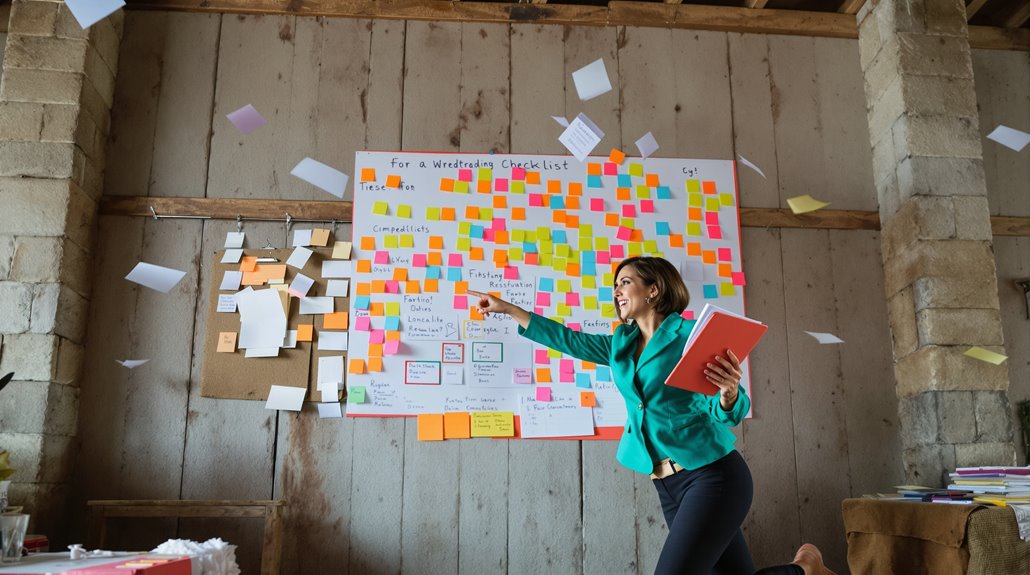
Say goodbye to that chaotic heap of advice and hello to a streamlined, no-nonsense checklist that’s got your back. For the high-octane world of wedding planning, you need a checklist that screams efficiency and precision. This isn’t about fluffy dreams—it’s about executing strategic moves. Your printable, copy-paste checklist is your go-to tool, featuring sections on brand, scope, audience, and timeline. Each segment is concise, clear, and ready to adapt to your needs with customizable fields and priorities. It’s a kinetic powerhouse of information—clean layouts, bullet points, and skimmable structure to keep you moving fast. This checklist doesn’t just sit pretty; it gets the job done. Start by downloading it, then pivot into action, accelerating towards that perfectly executed event. For those seeking a smarter approach, incorporating wedding budgeting research can help you align your design brief with realistic financial boundaries and client expectations.
Common mistakes when applying this list
Mistakes are inevitable, but they’re also your stepping stones toward a flawless execution if you tackle them head-on. When applying the 12-point design brief template, steer clear of these common pitfalls:
- Vague Objectives: Terms like “modern” or “professional” don’t cut it. Define clear, measurable goals to keep everyone aligned and reduce rework.
- Audience Misunderstanding: Dig deeper than surface demographics. Understand motivations and challenges to create meaningful designs.
- Unrealistic Constraints: Avoid feature creep and budget missteps. Set achievable limits to streamline execution.
- Poor Communication: Align stakeholders from the start. Guarantee a unified vision to prevent chaotic “design-by-committee” outcomes.
FAQ
Got questions about prioritizing your design brief tasks without losing your mind? You can’t do it all, so focus on what’s non-negotiable and strategically delegate the rest to keep things moving. Revisit your list weekly to streamline, ensuring it remains a powerhouse tool rather than a time sink.
How do I prioritize if I can’t do everything?
When you’re juggling a million wedding details and it feels like there’s not enough time to breathe, let alone plan, prioritizing becomes your best friend. Here’s the game plan: Use the MoSCoW Method to strategically categorize tasks into must-haves and could-haves. It’s all about executing the non-negotiables first, leaving the fluff for later. Need to navigate client demands like a pro? Enter the Eisenhower Matrix. It helps you pivot by focusing on urgent, important tasks, ensuring deadlines are met without a hitch. Align these priorities with your ultimate goal—business success. Regular review sessions keep you flexible and adaptable, allowing you to accelerate decisions as things evolve. Keep it real: It’s about smart moves, not just doing everything.
What’s the minimum I can do and still be safe/on-track?
How can you cut through the wedding planning noise and still keep things on track? Start with a streamlined design brief. Nail the essentials: define project scope to avoid chaos and misalignment. Identify your audience so your choices resonate. Set clear budget and timeline constraints—non-negotiable boundaries that keep you safe. Specify deliverables to eliminate guesswork.
Include core information: a concise company background and brand guidelines. These aren’t fluff—they provide context and guarantee the design aligns with your kinetic vision. Identify the project lead for decisive action and involve key stakeholders early to gain strategic insights. Keep things succinct—1-2 pages max.
Reality check: Overloading on details can paralyze. Focus on clarity and precision, not perfection. Execute with confidence, and you’ll stay on track.
What should I delegate vs own myself?
You’ve nailed the essentials and set your wedding project on a course for success. Now, let’s talk action—what to own, what to delegate. Own your brand strategy and core creative tasks. Keep final deadlines and budgets under your control. Delegate the routine and repetitive—let your team handle layout design and image processing. They’re there to execute your vision, so entrust them with technical work that doesn’t require your personal touch. Match tasks to team skills—it’s strategic, not random. Use checklists to clarify deliverables and maintain momentum. Communicate expectations clearly; adapt based on who you’re talking to. Schedule check-ins to guarantee accountability and progress. Remember, strategic delegation isn’t losing control, it’s gaining efficiency. Now, let’s accelerate this project!
How do I keep this from becoming a time sink?
Ever found yourself drowning in a sea of tasks with no lifebuoy in sight? You need a strategy that cuts through chaos and delivers results, pronto. Prioritize essential tasks over the fluff. Use procrastination templates to keep daily focus sharp, not dull with endless to-dos. Implement the Pomodoro technique—short bursts of work, quick breaks, and you’re back at it. Streamline your processes by reducing meeting overload. Centralize tasks in project management tools for crystal-clear visibility. Productivity tools like calendars aren’t just apps; they’re your lifeline. Leverage templates strategically—customize them for objectives, timelines, and deliverables. This isn’t just about keeping things afloat; it’s about accelerating momentum. Actionable next step: Integrate these tools today and watch your efficiency soar.
How often should I revisit this list?
Tackling a wedding plan like a pro requires more than just crossing items off a to-do list—it’s about knowing when to revisit that list for maximum efficiency. You’ve got to strategically schedule review sessions throughout the project. Monthly or quarterly check-ins with your team aren’t just smart—they’re non-negotiable. Use these moments to pivot based on new data, stakeholder feedback, or shifts in market conditions. Measure KPIs like time-to-approval and revision counts to sniff out inefficiencies. Regular analysis helps you streamline processes and align with your ambitious goals. Don’t wait for chaos—anticipate it, and move with intention. The next step? Set up those review sessions now. It’s not just about checking boxes; it’s about executing with precision and control. According to consumer economics and wedding spending research from Columbia University, regularly updating your planning process is shown to directly impact budget efficiency and event satisfaction.
Key takeaways
In the whirlwind of wedding planning, key takeaways from a well-crafted design brief are your secret weapon to staying ahead. Think of it as your project management playbook, ensuring that every detail is executed strategically and streamlined. Here’s what you need to remember:
- Align stakeholders from day one: This prevents scope creep and keeps everyone on the same page.
- Define SMART objectives: It’s all about measuring success with clear, non-negotiable metrics.
- Use a living document approach: Adapt and pivot as needed without losing momentum.
- Highlight dislikes along with preferences: Don’t waste time on what doesn’t work.
Make this your go-to guide, and you’ll move through the chaos with kinetic precision. Now, go execute and set those wedding plans in motion!