
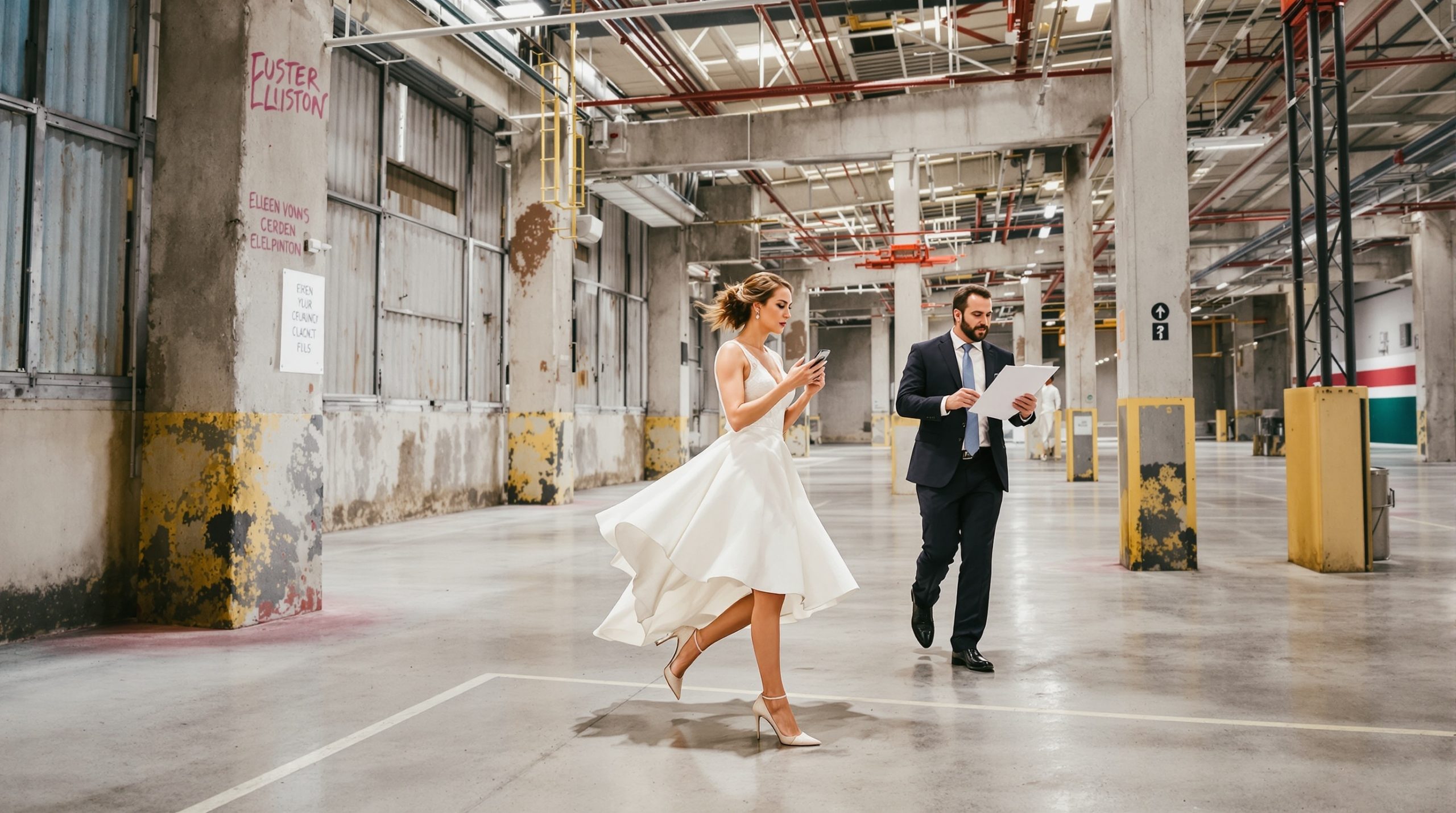
Vetting venues for your wedding? Skip the chaos with our 47-point checklist. It’s not just about aesthetics; it’s strategic execution. From max capacities to financials, cocktail logistics to restroom proximity—every detail’s a non-negotiable. Mix layouts for guest flow and prep backup plans for that inevitable downpour. Ready to pivot without stress? Our checklist gets the job done and guarantees you’re not just blessed, but blissfully stress-free. For more, you’ll want to stick around.
The full list (47 items)
Let’s get real about venue capacity and flexibility because this is where your event really gains momentum. You need to strategically assess how the venue handles various scenarios, and here are three non-negotiables:
- Max Seated and Standing Capacity: Know the limits for each room to avoid last-minute chaos.
- Minimum Guest Count: Understand what happens if you’re under, to prevent any surprises.
- Layout Flexibility: Check for options on room flips and divisions to streamline the flow of your event.
When considering premier venues like Four Seasons Hotels, their luxury wedding venues are renowned for expertly accommodating a range of guest counts and configurations with seamless planning. These points are all about executing a seamless experience—no fluff, just facts. A site inspection checklist is essential for evaluating these aspects, as it helps you compare different venue options effectively.
Max seated + standing capacity (by room)
Determining the maximum seated and standing capacity by room is a crucial step in planning a high-energy wedding that doesn’t compromise on quality. Your wedding venue checklist must include precise capacity figures, ensuring you’re abiding by fire and building codes. This isn’t just about squeezing guests in; it’s about executing a well-oiled machine that hums with kinetic energy. Use your venue selection guide to strategically assess each room. For standing events, allocate 6-10 sq ft per person, while banquet seating might need 14-18 sq ft. It’s important to consider not only the inside but also the outside spaces when calculating usable space for events. Don’t forget fixed features like stages or bars, which eat into available space. Choosing a wedding venue means knowing not just how many it holds, but how it moves. Now, grab your tape measure and start calculating!
Minimum guest count and what happens if you’re under
You’ve got your venue capacity nailed down; now it’s time to tackle another beast—minimum guest counts. Here’s the deal: Many venues demand you pay for a specified number, even if fewer attend. It’s about ensuring they cover their overhead. When figuring out how to choose a wedding venue, consider minimums that are strategically set higher on peak days like Saturdays. If you fall short, prepare to pay for the full minimum—no refunds for no-shows. Venue contracts are non-negotiable: they’re executed with precision. Standing vs. seated events can also affect venue capacity and minimum guest counts, so clarify your setup needs with the venue. But don’t panic. Ask about flexible policies or revenue-based minimums. Consider booking on lower-demand dates. Bottom line? Finalize that count early, and strategically align your guest list with venue requirements. Now, keep hustling!
Layout flexibility (flips, room divisions, flow)
While you’re in the thick of wedding planning, venue layout flexibility can make or break your event flow. It’s not just about seating; it’s about strategy. Need to add or remove tables? Your venue should handle that without derailing your vision. Think round tables for conversation or a U-shape to save dance floor space. Mixed layouts? Perfect for a dramatic touch that screams “we’ve got this.” Got a head table? Relocate it post-dinner for more dance space.
Strategically streamline guest flow. Guarantee smooth shifts between ceremony, cocktail hour, and reception. Accessibility is non-negotiable—everyone, from toddlers to grandparents, should move around easily. Discuss last-minute layout changes with venue staff. If you need help narrowing down options, explore an event planning directory to compare venues side-by-side and see which offer the flexibility you need. Choosing a flexible venue can alleviate stress from unexpected guest count changes. Know their flexibility and fees. Your goal: a seamless, executed event that feels anything but chaotic.
Ceremony space backup plan (indoor/rain)
When Mother Nature decides to rain on your parade, having a rock-solid indoor ceremony backup plan is non-negotiable. Choose venues with multiple spaces for a seamless outdoor-to-indoor pivot. Confirm the indoor area can comfortably accommodate your guest list—no one wants a sardine situation. Contracts should clearly outline rain relocation procedures and vendor responsibilities, ensuring everyone’s on the same page. Include all vendor agreements in writing to avoid any last-minute confusion. Prioritize venues with covered paths connecting ceremony and reception zones, so no one’s drenched.
Strategically rent tents, heaters, and sound equipment suited for indoors. Check weather forecasts, set a decision timeline for plan activation, and test backup scenarios. Equip yourself with an event kit for quick adaptations. Remember, precision and smart planning beat wishful thinking every time.
Cocktail hour space (separate vs same room)
Rain or shine, you’ve nailed the ceremony contingency plan, but what about cocktail hour? Decide if you’re splitting spaces or keeping it all in one. Separate spaces let you flex creativity—think rooftop views or garden vibes. You can craft zones with lounge areas and high-top tables, streamlining guest flow without tripping over dinner setups. Plus, it’s climate-controlled if weather’s a wildcard.
Same-room setups simplify logistics, especially if your venue’s space-challenged. Yet, you risk overcrowding during shifts. If you go this route, use strategic furniture to define zones, keeping the energy lively without guest fatigue. Consider outdoor options for pleasant weather, but always have a backup plan for unexpected conditions. Many planners rely on a wedding location marketplace to compare venue options that best fit cocktail hour needs. Reality check: Over-plan bars to dodge lines and consider tray-passed drinks. Nail these details, and your cocktail hour will move like a well-oiled machine.
Dance floor sizing and location
Strategically sizing and locating your dance floor can be the difference between “meh” and a night that keeps guests buzzing. Want a streamlined, high-energy wedding? Allocate 9-12 square feet per guest, with 50% of them likely to dance. For 100 guests, aim for 180-400 sq ft; that’s a confident 18×18 ft space for peak moments. Got a 200-head count? Jump to 380-900 sq ft, or a bold 22×22 ft. Planning for more than 250? A 30×30 ft floor creates visual impact and keeps energy high. Skip cramped setups—subtract tables, chairs, and walkways first. Choose square or rectangular shapes that maximize your venue. Reality check: Overlook this, and your dance floor becomes a traffic jam, not a vibe magnet. Wood floors provide a classic and elegant surface for dancing, enhancing the overall experience for guests.
Bar placement and queue flow
Let’s talk bar placement and queue flow—because nobody wants to spend their wedding night waiting for a drink. Strategically position the bar near the dance floor to keep spirits high without breaking the vibe. Avoid entrances to prevent bottlenecks; instead, place it centrally for seamless mingling. A 50-inch clearance around the bar is non-negotiable for smooth traffic flow. Use visual cues like rope barriers to streamline queues, and keep a 3-4 foot aisle clear for easy movement. Consider multiple bars or satellite stations to cut wait times. Back bars can enhance the visual appeal and streamline service, adding both functionality and style to the setup. Scale your bar: 3 feet of bar per 50 guests is key, with one bartender for every 40-50 guests. Execution matters, so plan layout for efficiency. Ready to pivot? Execute with precision.
Restroom count and distance from reception
Your guests will appreciate not having to commence on a cross-country trek to find a restroom. Strategically positioning restrooms within 200 feet of the main reception area is non-negotiable. This short distance streamlines guest flow and minimizes traffic jams. Execute restroom placement near food and beverage zones to handle peak usage efficiently. For a four-hour shindig, aim for one toilet per 50-75 attendees, boosting capacity by 15-20% for alcohol-fueled festivities. Keep restrooms on level surfaces—no one wants a tipsy tumble. Guarantee handwashing facilities are in place: one sink for every four toilets, stocked with soap and warm water. Don’t forget hand sanitizers as a backup. When it comes to planning, precision beats pretty any day.
Accessibility (ramps, elevators, ADA bathrooms)
When planning your high-energy wedding, accessibility isn’t just a box to tick—it’s a non-negotiable game-changer. Guarantee barrier-free pathways with curb ramps so guests can glide into your venue effortlessly. The entrance? Make it step-free and at least 90 cm wide for smooth wheelchair access. Need higher floors? An elevator’s got to be in working order, with wide, obstruction-free corridors to keep things moving. And don’t forget ADA-compliant bathrooms nearby. It’s all about strategic execution—clear signage, wayfinding with Braille, and well-trained staff ready to assist. Your wedding’s not just a party; it’s a well-oiled machine. Now, grab our checklist, execute with precision, and turn accessibility into an advantage, not an afterthought. Let’s streamline the experience, shall we?
Parking capacity + overflow + cost to guests
Though parking might seem like an afterthought, it’s a non-negotiable strategic element in your wedding planning arsenal. You need to know your venue’s parking capacity inside and out. Calculate using these metrics: 1 space per 8 church seats, 1 per 3 auditorium seats, or 1 per 400 sq ft in public spaces. Overflow parking? It’s your ace card. Secure up to 125% additional spaces beyond the basic requirement. Don’t forget accessibility—plan for at least 2 spaces for 26-50 total, with specific van accommodations.
Now, think about guest costs. Hotels typically need 1 space per 2 rooms. Consider the price tag per guest, ensuring it’s budget-friendly. Execute this right, and you’re looking at a seamless, parking-panic-free celebration.
Transportation access (rideshare, shuttles, bus turnaround)
How will your guests get to the party on time, without the headache of transport woes? Execute a strategic transport plan. Rideshare drop-offs should be within a five-minute walk to the venue entrance, with clear signage and flat paths—Google Street View is your friend here. If parking is tight, shuttle services bridge the gap. These shuttles should run from airports, hotels, and key stations, coordinated by an on-site point person. Public buses? Confirm stops are close, with step-free paths outlined in your event materials. Bus turnarounds need wide, unobstructed areas, confirming accessibility. Prep guides with all transport options, and keep an accessibility guru on-site. Get this right, and transportation becomes a non-issue, letting you focus on the fun stuff.
Load-in route (dock, stairs, distance to ballroom)
Charting the load-in route is where your wedding planning morphs into a finely-tuned logistics operation—one that demands precision and foresight. You’ve got to know the exact loading-dock address and GPS coordinates; this isn’t a guessing game. Measure everything: the distance from dock to ballroom, the width of doorways and corridors, and even ceiling heights. Don’t let low bridges or narrow alleys throw you off course—document every potential obstacle. Stairs? Know their dimensions and whether you can even use them. Check for surface types that could trip up wheeled equipment. This isn’t just about moving stuff; it’s about executing a streamlined operation that gets the job done. Reality Check: Overlook a single detail, and your whole timeline could pivot into chaos.
Vendor parking and load-in timing rules
When it comes to vendor parking and load-in timing, precision is non-negotiable. Your vendors need to park efficiently and load in like a well-oiled machine. Guarantee there’s a minimum vendor parking ratio, with plans for overflow. Reserved spots should be clearly marked, with enforcement ready to handle any unauthorized vehicles. ADA compliance isn’t optional—accessible parking must meet legal standards and be near load-in zones.
Set official load-in windows for each vendor category—exhibitors, caterers, and production trucks should have staggered slots to curb chaos. Missed appointments? Not on your watch. Time allowances at the curb are strict—overstay, and penalties kick in. Investigate night-before load-ins for flexibility. Keep large vehicle access in check with local traffic rules. Ready to hustle? Plan, execute, dominate.
Storage space (for rentals, gifts, personal items)
Secure storage space—it’s the unsung hero of a wedding’s operational flow. Make certain your venue offers ample storage; you’ll need it for rentals, gifts, and personal items. Check the maximum square footage or unit count available and weigh it against typical industry standards. Location matters—adjacent rooms streamline setup, while basement storage might slow you down. Prioritize venues with robust access controls—think coded locks or CCTV. Confirm access hours and any associated fees. Climate control is non-negotiable for delicate items. Evaluate the flooring and shelving to avoid damage. Verify drive-up access and doorway dimensions for larger pieces. Ask about handling equipment and staff support. Clarify vendor coordination, delivery rules, and prohibited items. With these insights, you’ll pivot smoothly and keep your wedding logistics sharp.
Getting-ready rooms (privacy, lighting, outlets)
How do you guarantee your wedding day kicks off without a hitch? Start with strategically designed getting-ready rooms. Privacy’s non-negotiable: ascertain private suites with locked doors, separate from main event areas, to prevent guest or vendor overlap. Lighting? Absolutely essential. Big windows for natural light and multiple sources for even illumination make makeup flawless and photos pop. Outlets are your power move—stools near ample sockets for hair tools and chargers, keeping extension cord chaos at bay. Space layout‘s another must—roomy for your entire party, ensuring photographers and stylists work efficiently. Amenities like full-length mirrors, steamers, and snacks keep the focus sharp. Ready for action? Execute your prep with precision. Next step: checklist review and venue scouting.
Climate control (AC/heat reliability + who controls it)
Let’s talk climate control—because nobody wants their guests sweating through vows or shivering during toasts. You’re not here for just any venue; you need one where AC and heat are non-negotiable. Start with reliability: verify filters are replaced, and ducts are cleaned before the event. Test systems under max load, and check refrigerant levels. Now, control: make certain each room offers individual climate adjustments. Your venue team should strategically manage energy use, pivoting to green power sources and reducing unnecessary consumption. Don’t forget backup plans—tents or indoor options for weather surprises. Equip yourself with metrics and checklists to guarantee no chill—or heat—goes unchecked. Execute with precision; your event deserves nothing less.
Lighting options (overhead dimming, house lights, uplighting)
Lighting isn’t just an afterthought; it’s the secret weapon for transforming your venue from ordinary to extraordinary. Overhead dimming isn’t optional—it’s a strategic move. Control those lighting zones to shift seamlessly from cocktail charm to dance floor dynamism. LED fixtures with color-changing abilities? They’re your new best friend for creating a theme that pops. Evaluate venue ceilings for hang points to avoid structural headaches.
House lights need your attention, too. They’re essential for presentations and ambiance. Assess if existing fixtures need an upgrade. Want depth and drama? Uplighting’s your answer. LED uplights turn walls into canvases, casting magic without rigging hassles. Battery-powered options mean no tripping hazards. Remember, lighting’s not about covering bases—it’s about executing brilliance. If you want to explore more options for event services and entertainment, a wedding vendor marketplace like GigSalad can connect you with professionals who specialize in creating the perfect atmosphere.
Power availability (amps, outlets, extension policies)
When it comes to power availability, let’s cut through the fluff—your wedding venue’s electrical capacity could make or break your event. You need to know the venue’s amperage and panel locations to guarantee it can handle peak loads. Itemize your equipment needs—lighting, AV, catering—and calculate the amperage per circuit to prevent overloads. Strategically map out outlets and confirm they’re compatible with vendor equipment. Check their condition and accessibility to avoid messy cable runs and voltage drops. Know the venue’s extension policies, approved distribution gear, and the need for licensed electricians. Backup power? Non-negotiable. Verify emergency systems and UPS requirements. This isn’t just about avoiding a blackout—it’s about executing your vision without a hitch.
Sound restrictions (decibel limits, speakers, curfew)
Sound restrictions aren’t just another box to tick off; they’re an essential factor that could derail your meticulously planned wedding day. Decibel limits are your reality check. In residential areas, noise must drop 5-10 dB after 10 p.m.—think whisper, not rave. Entertainment zones allow more freedom, capping around 70-85 dB, but keep an eye on local ordinances. Don’t let curfews catch you off guard. Permits become your lifeline if you’re planning to push boundaries—expect a stack of paperwork. Strategically place speakers and use noise tech to stay compliant. Decibel monitors and fines aren’t myths—they’re real threats to your budget. Before booking, demand a sound check and understand venue rights. Remember, smart planning gets the job done.
Curfew and hard stop vs soft stop rules
You’ve navigated sound restrictions like a pro; now let’s tackle curfews and those ever-annoying stop rules. Curfews demand a firm event shutdown by a specific time—think 11 PM or midnight. A hard stop means everything halts immediately, no room for negotiation. It’s like slamming on the brakes; all activity ceases. In contrast, a soft stop allows for a graceful slowdown, shifting activities post-official end time. Picture a gentle glide to a finish rather than a screeching halt. Venue-specific rules vary, so scrutinize those details. Non-compliance? It’s a fast track to event termination. Strategically plan your exit to avoid penalties. Want to keep the party alive? Align your logistics with these rules, ensuring a seamless, efficient wrap-up.
Cleanup window length + penalties
Though the confetti has settled and the last dance spun to a close, your event’s not wrapped until you’ve nailed the cleanup game. Strategic execution during this phase is non-negotiable. Most venues offer cleanup windows from 60 to 180 minutes—anything less is a tightrope walk over extra charges. If your event involves plated catering or intricate decor, aim for a longer window to avoid last-minute chaos.
Penalties are real and bite hard: think flat fees for leftover trash, or overtime charges that stack like Tetris blocks. Miss cleanup marks, and you might witness your deposit vanish or face tiered fines that escalate with severity. Pro tip: use checklists to cover your bases and avoid nasty surprises. Plan ahead, execute smartly, and pivot efficiently to finish strong.
Base rental fee (what it includes)
As the last champagne flute hits the tray and the cleanup crew gets moving, it’s time to turn your focus to the nuts and bolts of venue rental fees. Knowing what your base fee covers guarantees you’re not blindsided by hidden costs. Typically, a flat fee grants access to the venue for a standard event window. While this includes setup and teardown of basic furniture, don’t count on linens or AV gear being tossed in. You’ll encounter per-person pricing or flat fees for all-day affairs, like a $15,000 package. Larger spaces charge more, especially for multi-day events. As you vet, strategically assess what’s bundled—tables, chairs, maybe some décor—to keep your plan on track. Next step: confirm any extra rentals.
Service charge or admin fee (percentage + on what items)
While you’re hammering out the details of your dream wedding, don’t let the small print on service charges catch you off guard. These charges can range from 18-25% and are typically applied to the entire event bill—think food, beverages, staffing, and upgrades. For Seattle venues, expect around 20-22%. This isn’t your average tip; it covers setup, breakdown, admin tasks, and more. It’s a mandatory fee, distinct from gratuity, so be strategic. Request a clear, itemized breakdown from your vendor to avoid surprises. Knowing these percentages helps you pivot and streamline your budget efficiently. Remember, transparency is key. Get on a call or shoot an email to clarify what’s covered. Now, use this intel to execute your planning with precision.
Sales tax applied (what’s taxable)
Ever wonder how sales tax sneaks into your wedding budget? Let’s cut through the fluff and get straight to it: everything from catered meals to your chic rented chairs could be taxed. Prepared food and beverages, especially those hot meals you’re serving, typically face taxes. Alcohol? Non-negotiable—it’s taxed too. Even those cute souvenirs or your essential AV equipment rentals aren’t immune. Vendors operating on-site, like food trucks, also need to comply with tax rules, so plan accordingly. Don’t forget about service-related charges—some could be taxable depending on local laws. Your mission: strategically vet these details with your venue to avoid any budget surprises. Now, pivot this knowledge into action by clarifying tax responsibilities with your venue and vendors upfront. When planning your menu, keep in mind that practical wedding catering tips can help you balance delicious options with your food budget, especially as taxes may affect your final catering costs.
Deposit amount + payment schedule
Tackling the tax beast is just the beginning; now, it’s time to execute a payment plan that won’t derail your wedding momentum. First, lock in your date with an initial deposit—typically 25-50% of the total cost. Venues may demand a $2000 deposit for full access, or even a $7000 nonrefundable charge post-proposal. Timing is everything: deposits are due either immediately upon signing or within a week. Strategically schedule the remainder with milestone payments, like 25% in July and another 25% in October for a June wedding. Remember, late payments can trigger penalties, so set those reminders! Document every financial commitment, from due dates to payment methods, in your contract. Ready to hustle? Get those dates locked and payments streamlined. If your venue is in Nevada, don’t forget to account for required Clark County marriage license fees and requirements in your planning timeline.
Refund policy and conditions
Maneuvering the labyrinth of refund policies isn’t just a side quest—it’s a mission-critical step that demands your full attention. When booking a venue, know that many payments are non-refundable. This means if plans pivot, you can’t just hit ‘undo.’ However, these payments can often transfer to new dates or events within a year. Document all refund requests through email, and expect responses within five business days. Full refunds are mandatory for outright event cancellations or vendor no-shows. Damage deposit refunds? Those land in 10-14 business days if you leave the venue spotless. Strategically, make certain you’ve got all instructions, deadlines, and contacts in writing. Next step: list these policies during venue walkthroughs—non-negotiable for a streamlined planning process.
Reschedule policy (fees + date availability)
Rescheduling a wedding date isn’t just a casual calendar adjustment—it’s an operation that requires strategic precision. First, get familiar with the venue’s reschedule fees. These often range from a flat administrative fee to a percentage of your total contract, tied to timing. Check if fees are waived under force majeure or if your deposit converts to a credit. Next, tackle date availability. Blackout dates and peak periods can derail plans, so verify new dates against the venue’s calendar. Existing holds or tentative bookings might block your preferred day. Review the contract for rescheduling clauses detailing notice requirements and authorization processes. Action step: Request written confirmation of any new date and fee details. This isn’t a drill—execute with intent.
Overtime rates (venue + staffing)
While your wedding day’s magic unfolds, you’ll want the backend details—like overtime rates for venue and staffing—nailed down with the precision of a project manager on a deadline. Think of it as a strategic puzzle piece, ensuring your budget doesn’t unexpectedly balloon. Overtime costs can sneak up and bite: general staff might cost you $25–$35/hour, but with overtime, that number climbs. Team leads? They pivot to $35–$55/hour, and specialty leads can skyrocket to $75/hour. The numbers are clear—without tracking and authorization, costs escalate fast. Use checklists to confirm state-specific rules and get approvals in writing. Keep your eye on the clock—overtime can add thousands. Execute with precision; your budget’s integrity is non-negotiable.
Security/attendant fees (required or optional)
How do you navigate the labyrinth of security and attendant fees without losing your cool—or your budget? First, know what’s non-negotiable. Some venues pass along mandatory security fees due to local ordinances or insurance riders. You’ll face per-hour charges, with minimums often hitting 4-6 hours. Then come the tempting upgrades: VIP protection, K-9 sweeps, or high-tech surveillance—optional but enticing. Realistically, these add-ons can inflate costs fast. You’ve got to ask: Do you really need them?
Factor in variables like guest count and event risk. Larger or high-profile events demand more guards and gear. Urban venues? Pricey. Armed guards? Costlier. Your mission: Strategically evaluate what truly gets the job done. Ready to roll? Draft a checklist and weigh each option against your budget.
Cleaning fee and what triggers extra charges
Maneuvering venue cleaning fees can feel like a game of financial Jenga, but let’s stack your dollars smartly. First, know the standard: a basic post-event sweep can run $100 to $500, and big venues may charge by square footage. But here’s the kicker—extra charges pile up like unplanned overtime if you miss the fine print. Not bagging trash? That’s a fee. Floors sticky from last night’s chaotic dance-off? Another fee. Leave restrooms messy? Yep, you guessed it.
Get proactive. Strategically execute a checklist to guarantee all trash is bagged, surfaces wiped, and floors mopped. Avoid the “bless and stressed” post-event clean-up drama by hiring a dedicated team. Your time’s too valuable to waste on last-minute surprises.
Setup/teardown labor charges (in-house)
Handling setup and teardown labor charges is a must when orchestrating a wedding with military precision. You can’t afford to be blindsided by hidden fees or last-minute surprises. Start by getting a detailed quote—no guesswork here. Clarify if setup and teardown are bundled into your rental or if they’re lurking as extra costs. Watch out for service fees, the sneaky percentage of your total that can balloon your budget. Larger orders? More crew, higher labor costs—simple math. Be strategic: confirm timelines, negotiate staffing costs, and have a contingency plan. Exceeding time limits? Overtime fees are brutal. Avoid last-minute chaos by knowing exactly who, what, and when. Remember, a streamlined setup keeps your event on track. Reality Check: Last-minute adjustments drain budgets.
In-house catering required vs outside allowed
When it comes to catering, the question isn’t just about taste—it’s strategic. In-house catering might seem like the easy choice, but it limits menu creativity and service style. You’re fundamentally locked into their menu and staff, which might not align with your vision. On the flip side, venues allowing outside caterers offer flexibility but demand coordination muscle. You’ll need to verify access to commercial-grade kitchen facilities, from portable cooking stations to power and water logistics. Make sure contracts specify every detail—menu, timeline, dietary needs. Always confirm service styles and beverage logistics upfront to dodge chaos later. Remember, 60% of guests have dietary restrictions, so clear labeling and trained staff are non-negotiable. Next step: Nail down logistics and vendor approvals.
Preferred vendor list vs open vendor policy
Whether you’re hustling through a vendor list or steering through the open seas of supplier freedom, understanding your venue’s vendor policy is your first strategic move. A preferred vendor list keeps things tight and efficient, offering pre-approved suppliers vetted for reliability and insurance. This means seamless integration and potential discounts, but it might cramp your style with limited choices. On the flip side, an open vendor policy lets you call the shots. It’s all about flexibility, letting you bring in top specialists and personalize every detail. However, expect extra coordination time and possible venue fees. Bottom line: know your contract. Check for policy specifics, and be ready to pivot based on what fits your vision and budget. Also, be aware that the FTC consumer protection guidance encourages carefully reviewing all contract terms with wedding vendors to ensure transparency and avoid unexpected issues.
Outside catering fees (kitchen use, staffing, insurance)
Let’s cut to the chase—outside catering fees can be the hidden dynamite in your wedding budget if you’re not on top of them. Nail down kitchen use costs and staffing charges early. Venues might hit you with a kitchen rental fee ranging from $200 to $1,000. Equipment use? Expect extra charges for ovens or refrigeration. Staffing’s non-negotiable: guarantee your caterer meets minimum staff requirements or face penalties. If the venue supplies labor, those fees stack up fast—think $25 to $50 per hour per person. Insurance isn’t optional; venues typically demand proof of liability and workers’ comp. Streamline your approach with a smart checklist and clear contracts to avoid unexpected costs. Miss a detail? Your budget could explode.
Bar packages + minimums (and what’s excluded)
How do you navigate the maze of bar packages and minimums without losing your mind or your budget? Start by dissecting your options—standard open bar, limited beer and wine, or even a cash bar. Each has different coverage, from spirits to signature cocktails. Strategically assess hour limits—most include 4 to 5 hours, but do they cover rehearsal dinners or after-parties? Brands matter too; house liquors are standard, but premium choices often mean extra costs. Don’t overlook nonalcoholic offerings—are they included or added à la carte?
Next, tackle pricing: is it a per-person rate or based on actual consumption? Watch out for mandatory charges like taxes and service fees. Your actionable step? Align bar strategy with your guest count and event timeline to streamline spending.
Corkage and cake-cutting fees
Steering through bar packages is one thing; now, let’s cut through the cake and uncork the truth about corkage and cake-cutting fees. If you’re opting for your own wine, brace for corkage fees ranging from $1.50 to $40 per bottle. It’s like paying for the privilege of serving your own drinks. Strategically, compare this with the venue’s alcohol prices—it could save you from budget shock. Cake-cutting fees, typically $1-$2 per guest, can balloon to $7. Make sure to confirm these costs upfront and leverage venue-approved vendors to sidestep surprises. Ask pointed questions: Are these fees bundled with anything else? Calculate these numbers against your guest count. The key? Avoid getting blindsided by hidden costs—plan, pivot, and proceed smartly.
Tasting included? (how many people + how often)
Curious about how tasting logistics fit into your wedding timeline? Tasting’s not just a nice-to-have—it’s a strategic move. Think of it as your culinary preview, executed 6-8 months out, ideally 7-12 months for maximum options. Two-person tastings are the norm, with additional guests costing extra. This isn’t a dinner party; it’s a decision-making session. Sample hors d’oeuvres, mains, and desserts styled exactly as served. Chefs explain the nitty-gritty—ingredients, prep, and all those dietary quirks. It’s your chance to pivot on flavors and textures. Keep the focus tight; two entrees max if matching guest options. If you’re serious about a menu that’s got to get the job done, make your planner part of the hustle.
Reality Check: More tasters mean more opinions, not clarity.
Staffing ratios (bartenders/servers)
Getting your staffing ratios right is a non-negotiable move in the wedding planning playbook. You’re not just filling positions; you’re orchestrating an experience. For bartenders, plan on 1–2 for moderate needs, scaling up to 3 for heavy drinking crowds. Don’t just count guests—calculate peak drink orders to avoid that dreaded bar bottleneck. Add a barback per busy bartender to keep things moving like a well-oiled machine.
Servers? Think strategically. A standard full-service ratio is 1 server for 4–5 tables, but go fine-dining style with 1 per 2–4 tables if you want high-touch service. Boost staffing by 15–25% for peak events. Overstaffing kills server morale and retention; under-staffing slows service. Plan smart, execute flawlessly, and keep the party moving.
Vendor meal pricing
How much should you really allocate for vendor meals without derailing your wedding budget? Here’s the deal: plan for $35 per vendor meal. That’s about half of what you’d pay for a guest, strategically keeping your costs in check. Catering companies typically require this per-person pricing, and it helps if they offer package deals to smooth the process. Don’t let minimum order amounts catch you off guard—always check guest counts to verify you’re covered.
This isn’t just about feeding people; it’s about executing a streamlined event. Remember, vendor meals are non-negotiable—happy vendors work better. Accelerate your planning with a quick checklist: confirm guest count, lock in package deals, and pivot your budget as needed. That’s how real pros hustle!
Kitchen access (warmers, fridge space, prep tables)
When it comes to executing a flawless wedding event, kitchen access isn’t just a nice-to-have—it’s your frontline for culinary success. You’ll need warmers like chafing dishes and insulated carriers to keep food hot and safe. Make certain there’s a steady fuel supply for the event’s duration. Fridge space is non-negotiable: reach-in and walk-in coolers are essential for managing large volumes. Undercounter refrigeration near prep stations boosts efficiency. Stainless steel prep tables streamline your workflow; confirm they’re equipped with cutting boards, knives, and mixing bowls. Check access regulations: a hand-sink within 25 feet is crucial. Schedule your facility use ahead of time. Remember, this isn’t about fluff—it’s about executing with precision. Next, make certain every tool is in its place before the big day.
Décor restrictions (tape, nails, candles, confetti)
Steering through the world of wedding décor restrictions can feel like you’re in a strategic chess match. Let’s accelerate your planning with a non-negotiable checklist. Tape isn’t your ally here; venues often ban it to preserve their pristine walls. Command strips? They’re your secret weapon—efficient and damage-free. Nails? Forget about it. They’re off-limits too. Instead, pivot to free-standing decorations that get the job done without compromise. Dreaming of candlelit vibes? Opt for LED alternatives—real flames are typically a no-go. Confetti? A cleanup nightmare. Swap it for less messy options like bubble machines. Now, execute your décor plan by coordinating with venue staff on these restrictions. Move with precision and confidence. Ready to streamline your wedding vision? Let’s advance!
Hanging install rules (rigging points, insurance)
Rigging your wedding vision into reality takes more than just a creative spark—it’s about executing with precision and confidence. You can’t afford to miss the mark on rigging points. Only use certified ones from venue diagrams, stamped by engineering authorities. Double-check those load limits. The magic number? 1.50kN max per point. Submit your calculations and diagrams early—15 business days, folks. And if you’re going third-party, get those applications in 28 days ahead. Insurance isn’t a “nice-to-have”; it’s non-negotiable. Verify your team’s LOLER certified, and if you’re outsourcing, align on secondary fixings upfront. Reality check: Ignorance isn’t bliss. Skimping here could turn your big day into a logistical nightmare. Rig smart, stay stress-free, and nail the execution.
Flame policy (real candles/sparklers)
Flames can add that “wow” factor to your wedding, but don’t get burned by the details. When considering real candles or sparklers, vet your venue’s flame policy like a pro. First, confirm if fire permits are non-negotiable—no permit, no party. Evaluate ceiling height and construction materials for fire resistance; they should do more than just look pretty. Next, verify all fire suppression systems—sprinklers, extinguishers—are inspected and strategically placed. Set up a hazard perimeter to keep combustible materials far from ignition points. Finally, have trained personnel ready; they’re your insurance against chaos. Remember, clear exits and no-smoking zones aren’t optional—they’re essential. Execute this right, and you’ll be lighting up your event, not the fire alarms. Now, check your venue’s flame compatibility.
Noise ordinance limitations (outdoor music)
When it comes to planning your outdoor wedding music, noise ordinances are the unsung heroes—or villains—of your event’s soundtrack. Steering through these rules requires precision. Most entertainment zones cap sound at 70-85 dB, but residential areas demand a quieter 70 dB, dropping further after 10 p.m. Ignore this, and you’ll face fines—trust us, they’re not on the wedding registry. Check if your venue needs a permit; exceeding 65-75 dB at the property line often demands one. Strategically place speakers to minimize complaints and embrace a 15-foot buffer from residential areas. Post any temporary permits visibly. Don’t let enforcement penalties disrupt your day. Stay sharp, steer efficiently, and guarantee your playlist’s a hit without hitting a sour note.
Pet policy (ceremony/photos)
Bringing your furry friend to your wedding? Let’s streamline the chaos. First, confirm the venue’s pet policy—no surprises. Get it in writing: Are pets allowed at the ceremony, photos, or both? Check for any species or size restrictions. Dogs only? No 100-pound beasts? Know before you go. You’ll need to cover all bases—vaccination records, service-animal verification, maybe even a handler. Ask about fees or deposits, and if any are refundable if Fido needs to stay home. Strategically plan pet movements: arrival, departure, and any holding areas. Make sure leashing and containment measures align with venue rules. Finally, get clarity on staff authority to handle disruptive pets. Execute this checklist, and you’re ready to strut down the aisle—pets included.
Smoking/vaping rules and designated areas
Once you’ve got Fido’s wedding guest list sorted, let’s tackle another non-negotiable: smoking and vaping rules at your venue. It’s not just about aesthetics; it’s about execution and compliance. Smoking’s out indoors—buildings, restaurants, theaters—per Utah’s Clean Air Act. Vaping? Same deal. Outdoor spaces? Keep them 25 feet from entrances, windows, and air intakes. Designated patios are your only option for a smoke. You’re the commander here: guarantee no-smoking signs are visible, and policies are clear. Your team communicates the rules, and violators face the door. Non-compliance isn’t just a mood killer—it’s a civil penalty waiting to happen. Streamline this into your planning with strategic signage and sharp communication. Next step: guarantee your venue’s on board with enforcement.
Insurance requirements (COI limits + additional insured)
Let’s cut through the insurance jargon and get straight to what you need: airtight coverage that protects your venue and keeps your event running smoothly. When it comes to insurance, you’ve got to be strategic. Require your venue’s legal entity as *Additional Insured* with an endorsement (CG 20 26 or equivalent)—just a COI isn’t enough. Make it non-negotiable that coverage includes *ongoing operations and products-completed operations* for setup, event, and teardown. Set deadlines for COI submissions; 14-30 days out is the sweet spot. Verify coverage spans Commercial General Liability, Liquor Liability (if you’re serving), Auto, and Workers’ Comp. Organize everything in a digital folder. And remember, insurance isn’t sexy, but it’s essential. Next step? Get those endorsements verified.
The ‘top 5’ that matter most (if you’re overwhelmed)
When you’re juggling a million things, let’s cut to the chase with the top five venue priorities that will keep your wedding plans moving like a well-oiled machine. Focus on max capacity and layout flexibility to guarantee your space adapts to the ebb and flow of your event. Don’t forget these three non-negotiables:
- A backup plan for your ceremony space.
- Defined cocktail hour space.
- Minimum guest count guarantees.
Get these right, and you won’t just survive the chaos—you’ll own it. For couples seeking a streamlined experience, considering Hyatt Hotels official wedding venues and celebration packages can offer built-in solutions and expert guidance for these crucial details.
Priority #1: Max seated + standing capacity (by room)
Capacity calculations are the backbone of any high-energy wedding strategy. Let’s get you moving efficiently with max seated and standing capacity by room. First, ditch venue numbers if they don’t factor in non-usable areas like stages. Calculate seated capacity using square-footage guidelines: 11–12 sq ft/person for banquets, 6–8 sq ft/person for theater. For standing, apply 6 sq ft/person or 8–9 sq ft for mixed layouts. Be savvy—double-check these against local codes and fire-safety requirements. Remember, ceiling heights, door counts, and room shape can pivot your plans. Strategically switching from banquet to theater seating boosts max capacity. Don’t let advertised capacities pull a fast one on you—reconcile them with real-world constraints. Now, time to execute your venue vetting like a pro.
Priority #2: Minimum guest count and what happens if you’re under
You’ve nailed the venue capacity; now let’s tackle the next biggie: minimum guest counts. Here’s the deal—minimums are non-negotiable payments for a set number of guests, even if fewer attend. For instance, book 150 but only 130 show up? You’re still paying for 150. It’s a venue’s safety net to guarantee revenue, especially on peak days or at upscale locations.
Strategically, you should ask about services included in the minimum—catering, bar, etc. If under, prepare to cover the gap. Commonly, 70-85% of invitees actually attend, so plan invites wisely to avoid overpaying.
Reality Check: Negotiation can sometimes adjust counts, but don’t count on it. Move forward with your eyes open, leveraging this insight to streamline your planning.
Priority #3: Layout flexibility (flips, room divisions, flow)
Flexibility isn’t a luxury—it’s a must-have in venue layout if you’re juggling a high-energy wedding day. You need a space that pivots with your plans, not against them. Modular furniture and a documented flip plan executed by a seasoned crew are non-negotiables. You want spatial reconfigurability—think retractable walls and partitions that allow seamless shifts from ceremony to reception. Verify your venue supports efficient guest flow with strategic layouts and clear signage. Avoid bottlenecks by maintaining 4–6 ft aisles in high-traffic zones. Don’t overlook acoustics; sound isolation is key when dividing rooms. Confirm emergency egress compliance, and verify power access is mapped out. Streamline your planning with these tools, and you’ll gain momentum, not stress. Next steps? Nail down these venue details.
Priority #4: Ceremony space backup plan (indoor/rain)
When rain’s on the horizon, strategic backup plans are your lifeline. You need a rain plan that gets the job done—no excuses. Indoor spaces like event halls or museums are your go-to. Transform reception areas into ceremony spaces if needed. Glass ceiling venues? A genius move for natural light without a raindrop in sight. But if indoor’s not an option, tents swoop in as the unsung heroes of weather chaos. Pre-arrange a tent rental, coordinate with your venue, and keep your design team ready to dress it up. Building 15-20 minute timeline buffers guarantees smooth, flexible shifts. Don’t just plan—rehearse your backup with vendors to pivot like pros. Remember, your wedding’s not a dream; it’s a mission.
Priority #5: Cocktail hour space (separate vs same room)
While your wedding might feel like a sprint, the cocktail hour is your chance to let guests catch their breath—or get them prepped for the next round. Decide between separate or same-room spaces. Separate cocktail areas, say a rooftop or garden, set distinct vibes and prevent reception delays—ideal for medium venues (51-150 guests). This strategic choice enhances ambiance and flow, especially with seamless shifts. Want a streamlined setup? Keep everything in one room to minimize movement, but guarantee you’ve got the square footage: 8-10 square feet per guest. Remember, one cocktail table per 10-12 guests is non-negotiable for functionality. Prioritize easy changes with clear zones. Now, execute your plan: confirm space, layout, and table count. Get strategic, not stressed.
How to use this list as a system (not a random pile of tips)
Think of this venue vetting checklist as your secret weapon—not just a collection of random tips. It’s designed for the ambitious, the efficient, the no-compromise crowd with zero time to waste. Use it strategically and watch your wedding planning transform from chaos to controlled execution. Here’s how:
Your venue vetting checklist is the ultimate tool for transforming wedding planning chaos into controlled execution.
- Prioritize and Categorize: Define clear objectives and break them into actionable items using frameworks like BSQ. Assign weights to venue criteria to streamline your decision-making.
- Systematically Implement: Follow a step-by-step approach, coordinating vendor meetings and testing systems in advance. Track milestones and adjust as needed.
- Leverage Technology: Adopt tools for automated assessments and real-time monitoring. Integrate analytics for KPI measurement and post-event review.
Applying project management principles from MIT OpenCourseWare can further strengthen your ability to structure, track, and control every aspect of the venue vetting process.
Move with precision, pivot where needed, and let this checklist accelerate your planning process.
Printable / copy-paste checklist

Release your wedding planning superpower with this printable, copy-paste checklist designed to streamline your venue vetting process. Ditch the chaos with a tool that gets the job done without sacrificing quality. Our checklist is your strategic partner, covering the essentials—from verifying capacity and ADA compliance to evaluating AV equipment and technical needs. You’ll confidently navigate complex vendor policies and operational terms, ensuring no detail goes unchecked.
Ready to pivot from overwhelmed to in control? Download, print, or copy-paste this powerhouse list and execute each step with kinetic precision. It’s the ultimate hack for ambitious couples who refuse to compromise, offering a streamlined approach that accelerates your planning momentum. Hustle smarter, not harder, and make your venue selection a stress-free affair.
For couples searching for truly unique event spaces, Peerspace offers a curated marketplace that makes discovering unforgettable wedding venues simple and inspiring.
Common mistakes when applying this list
Nailing down the details might seem tedious, but it’s your secret weapon against costly blunders in venue selection. Missteps in applying the 47-point checklist can turn your streamlined wedding planning into a chaotic scramble. Let’s hit the highlights:
- Document Everything: Failure to specify guest counts and technical needs leads to size mismatches and surprise costs. Keep precision non-negotiable.
- Inspect Thoroughly: Skipping site walk-throughs hides issues like poor acoustics and faulty AV setups. Always verify with your own eyes.
- Review Contracts Carefully: Overlooking contract clauses can inflate your budget with hidden fees. Scrutinize every detail and policy.
Reality Check: Perfect execution requires intentionality. Don’t assume; confirm and verify every element. Your hustle deserves precision, not stress. Now, time to pivot and execute!
FAQ
Feeling overwhelmed with venue vetting? Prioritize strategically by tackling non-negotiables like ADA compliance and guest capacity first, then pivot to nice-to-haves. Delegate detail-oriented tasks like checking Wi-Fi and AV setups to a trusted team member, and keep yourself on track by revisiting this checklist monthly—because let’s face it, a wedding planner’s job is never done.
How do I prioritize if I can’t do everything?
When juggling a million details on your wedding planning checklist feels overwhelming, prioritization isn’t just helpful—it’s your lifeline. Start by ranking tasks based on impact versus ease and cost. Tie each priority to your measurable objectives like attendance or satisfaction scores. Identify non-negotiables: safety, legal requirements, and capacity limits. Use a RACI-style system to assign tasks, ensuring each has a clear owner and deadline.
Execute a phased delivery plan—must-haves first, then high-impact add-ons. Confirm venue compliance, capacity, and core tech capabilities upfront. Streamline by prioritizing venues with in-house services to cut coordination chaos. Hold decisive meetings with pre-scored options to dodge endless debates. Remember, deferring non-essential aesthetics keeps projects moving without compromising attendee experience. Next, execute the plan with precision.
What’s the minimum I can do and still be safe/on-track?
A tight grip on wedding safety and logistics isn’t about doing everything—it’s about doing the right things strategically. First, verify emergency exits are unobstructed and well-marked. Fire safety? Non-negotiable. Verify extinguishers are functional and paths to exits are clear. Know your venue’s capacity and manage it like a pro—no overcrowding. Structural integrity is your silent partner; check for damages and secure any temporary setups. Pivot to basics: stocked first aid kits, accessible restrooms, and ADA compliance. Weather plans for outdoor events are your ace in the hole.
Reality Check: Don’t get sidetracked by minor decor when safety essentials aren’t ticked off. It’s not glamorous, but executing these fundamentals accelerates your wedding planning success. Now, grab that checklist and get to work!
What should I delegate vs own myself?
How do you know what to delegate and what to own yourself when planning your wedding with Hustle and Bustle Events? Start by categorizing tasks using the Eisenhower Matrix—simple tasks are ripe for delegation, while essential, make-or-break ones stay with you. Assess your team’s capacity and align tasks with their strengths. Delegate roles like logistics coordinators or marketing leads to streamline operations. Clearly communicate task expectations and align them with event goals to keep everyone on track without micromanaging. Monitor progress through regular check-ins and leverage project management tools for seamless coordination. Remember: delegate responsibility and authority, letting team members make decisions independently. Your wedding’s success hinges on smart delegation and strategic ownership. Now, grab your checklist and start executing!
How do I keep this from becoming a time sink?
Avoid the dreaded time sink by strategically prioritizing your venue vetting checklist. Rank tasks by attendee experience impact, legal and financial risks, so high-impact items get tackled first. Use dependency mapping to identify tasks that release others—contracts and permits should top your list. Implement a rolling 30–90 day window to focus on immediate tasks, minimizing distractions from long-lead items. Batch similar tasks and timebox your efforts—schedule fixed vetting blocks to prevent constant context switching. Automate reminders and centralize tracking to streamline processes. Use decision rules to quickly eliminate venues that don’t meet your non-negotiables. Finally, end each session with a clear next step—pass, revisit, or escalate—to guarantee nothing lingers. Ready to pivot? Let’s execute with precision.
How often should I revisit this list?
Ever find yourself wondering if your checklist is collecting more dust than decisions? Let’s pivot from hesitation to execution. For wedding venues, revisit your checklist at least quarterly, aligning with both OSHA’s quarterly site inspections and the fast-paced rhythm of event planning. Special events? Non-negotiable pre- and post-event inspections keep your curated chaos in check. High-risk areas—like stages and seating—demand more frequent scrutiny, perhaps weekly. Your venue’s schedule is your strategic guide: adapt inspection frequency to align with operational shifts and past findings. Don’t just rely on routine; inject unscheduled inspections after incidents or complaints to maintain momentum. Ready to streamline? Set a calendar reminder now—your future self will thank you. Now, go get it done!
Key takeaways
While it might feel like you’re juggling flaming swords, vetting a wedding venue doesn’t need to be a circus act. When you’re steering through the high-stakes arena of wedding planning, strategic venue vetting is your secret weapon. Let’s streamline this process and cut through the fluff.
Vetting a wedding venue is your strategic secret weapon in the high-stakes arena of planning.
- Location and Accessibility: Prioritize venues with easy access for guests, ample parking, and ADA compliance. These are non-negotiable for a hassle-free experience.
- Capacity and Layout: Confirm flexible spaces that accommodate your guest list without cramping style. Keep soundproofing and lighting top of mind.
- Technology and AV: Reliable AV and high-speed WiFi are must-haves—don’t gamble on tech that doesn’t get the job done.
Reality Check: Overlook these essentials, and you might end up “bless and stressed” instead of “cool and composed.”