
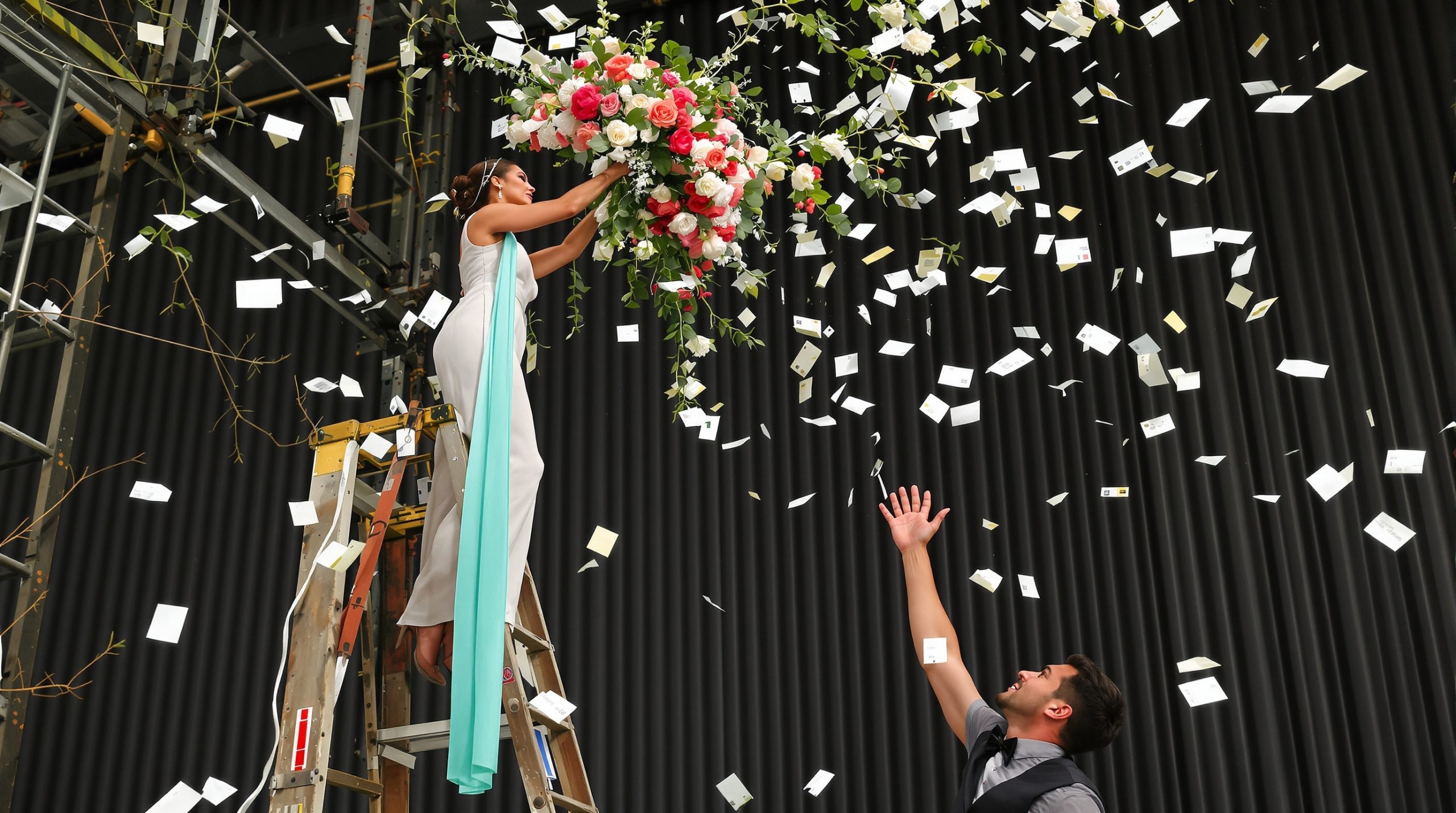
When choosing between a full-service florist and DIY florals, pinpoint what’s non-negotiable: time or cost. A full-service florist streamlines your day, handling everything from setup to cleanup with finesse—ideal if your week is booked solid. DIY florals offer creative freedom at a fraction of the cost, but be prepared for hands-on logistics and scheduling mayhem. Get strategic. Assess priorities, check your calendar, nail down a plan, and execute. Ready to dive deeper into this choice?
Quick verdict: Full-Service Florist vs. DIY Florals (who each is best for)
When it comes to wedding florals, you’ve got two power moves: go full-service or roll up your sleeves with DIY. The choice between diy vs professional flowers depends on your priorities. If you’re a career-focused dynamo needing efficiency, a full-service florist is your secret weapon—executed seamlessly, no stress. But if you’re budget-conscious and love creative control, DIY florals allow you to pivot and save. Let’s break it down:
- Full-Service Florist: Ideal for those with zero time—rely on professionals to streamline logistics. Local florists provide personalized service and expert floral design, ensuring your arrangements are unique and tailored to your event.
- DIY: Perfect for creative souls with flexible schedules and a hawk-eye on flower cost comparison. Keep in mind the common challenges that can arise when managing florals, such as weather-related issues or vendor no-shows.
- Florist vs DIY: Weigh convenience and reliability against hands-on customization.
- Flower Cost Comparison: DIY helps you sidestep florist markups for leaner spending.
Make your pick and hustle smart!
At-a-glance comparison: Full-Service Florist vs. DIY Florals
You’re in the fast lane of wedding planning, balancing ambition and efficiency, so let’s cut to the chase with a strategic showdown: Full-Service Florist vs. DIY Florals. Is DIY flowers worth it? Let’s break it down.
| Aspect | Full-Service Florist | DIY Florals |
|---|---|---|
| Cost | $3,000–$5,000+ | $500–$700 |
| Time Investment | Minimal | High |
| Expertise Required | Professional florists’ expertise | DIY demands skill, practice |
Full-service florists handle everything from consultation to breakdown—like a floral SWAT team. DIY? It’s hands-on, budget-friendly, but time-intensive. You’ll save cash, but risk quality and cohesion. Personal involvement in bouquet creation adds significance and impacts the overall wedding experience. Whether you pivot to pros or DIY, track your budget and timeline. Next step: weigh your non-negotiables.
Define the options (so you’re comparing the right things)
When you’re comparing full-service florists and DIY florals, it’s vital to understand what each option truly offers. A full-service florist executes everything from design to delivery, eliminating headaches but often misunderstood as just expensive flower shops. On the other hand, DIY florals let you control the chaos, but don’t get it twisted—you’re managing everything from sourcing to arranging, without the safety net of professional guidance. Full-service floral design often achieves the highest profit per stem, as it transforms raw materials into beautiful arrangements that are in high demand for events and weddings.
Full-Service Florist: what it is, what it includes, and the common misconceptions
A full-service florist isn’t just about throwing some roses in a vase and calling it a day. It’s about executing a strategic floral design that aligns seamlessly with your event’s vibe. From the first consultation to the final petal, these florists handle everything: designing, sourcing, prepping, installing, and yes, even cleaning up. They work months in advance to guarantee every stem is on-point for your big day. Given the complexity of wedding planning, major metros typically require venue bookings 12–18 months in advance due to high demand and complexity. While full-service florists manage every detail, full-service wedding planners also offer comprehensive planning assistance, ensuring a seamless execution on the wedding day.
Misconceptions? Let’s clear them up. Full-service doesn’t mean just supplying flowers—it’s full-blown execution. They don’t juggle endless events; focus is their game. Plus, they’re not just about flowers; they handle complementary décor too.
Reality check: Full-service florists save you time but require upfront investment. Your time’s non-negotiable, right?
DIY Florals: what it is, what it includes, and the common misconceptions
Full-service florists might offer a hands-off, time-saving solution, but if you thrive in the thick of it and crave control, DIY florals offer a unique hustle. You’re not just playing with pretty petals; you’re executing a floral strategy. It’s about sourcing focal flowers, fillers, greenery, and accents to create custom designs. Expect to wield tools like clippers and floral foam for structural integrity. While the myth says DIY is cheap and easy, reality checks in—think wholesale costs and the grind of getting it right. Perfect symmetry? It’s for dreamers. You’ll need practice to master balance and proportion. So, gear up—this isn’t just about flowers; it’s about crafting a vision with precision and flair. Focal flowers serve as the centerpiece of the arrangement, capturing attention and guiding the design’s direction. Ready to pivot and gain momentum?
Cost breakdown (upfront vs hidden costs)
When you’re mapping out your floral budget, it’s essential to compare upfront vs. hidden costs between full-service florists and DIY options. Florists may charge $2,200–$10,000 for extensive packages, but don’t forget those sneaky setup and delivery fees. On the flip side, DIY might save you $3,000–$5,000, but remember to factor in your time and sanity—because you’ve got a wedding to execute, not just flowers to pick. Additionally, floral arrangements crafted by a florist will reflect the professional expertise and convenience they offer, which can contribute significantly to the overall cost.
Line-item cost comparison by tier/budget
Maneuvering the floral landscape for your wedding can feel like a high-stakes game of Jenga—pull the wrong piece, and bam, you’re scrambling. Let’s strategically dissect costs to see where your budget gains momentum. Here’s a quick look at how DIY vs. florist expenses stack up:
| Item | DIY Cost Range | Florist Cost Range |
|---|---|---|
| Bridal Bouquet | $45–$130 wholesale | $120–$500+ |
| Bridesmaid Bouquet | $15–$50 each | $40–$125 each |
| Boutonniere/Corsage | $1–$5 each | $10–$20 each |
| Centerpiece (5-6″ vase) | $18–$60 | $50–$250+ |
| Wedding Arch | $150–$500 | $1,500–$4,000 |
Streamline your decisions by weighing upfront savings against hidden DIY costs like supplies and transport. Remember, execution isn’t just about cutting costs—it’s about strategically managing your chaos. Florist services often include delivery and setup, which can significantly reduce the stress involved in orchestrating your wedding day. Your next move? Map out your floral priorities; make clarity your co-pilot. When planning your floral budget, consider that the average wedding cost can range significantly based on location and guest count, influencing how much you might allocate to flowers.
What actually drives cost changes
While the floral world may seem like a fragrant dream, let’s cut through the petals and get real about what actually drives those costs. It’s not all bouquets and bliss. Costs pivot on labor, logistics, and those sneaky extras. Here’s the breakdown:
- Labor Costs: Florists charge a 20% design fee and spike wedding pricing by 30-50%. Your time isn’t free, neither is theirs.
- Overhead Expenses: Rent, staff salaries, and vehicle upkeep aren’t optional—they’re non-negotiable.
- Delivery and Logistics Fees: Fuel surges and import duties hit hard. Local delivery isn’t always free, even if it feels like it should be.
- Service and Wire Fees: Wire services take hefty cuts, leaving florists with a slimmer slice.
Reality Check: Wholesale flowers can significantly reduce wedding arrangement costs while offering access to fresh, high-quality blooms for personal arrangements. Strategically planning can help couples align their spending with their values for a more enjoyable experience and dodge unexpected fees.
Planning workload & logistics impact
You’re juggling a career, a social life, and wedding planning, so let’s talk logistics impact on your time and sanity. DIY florals might seem like a fun project, but coordinating vendor availability and managing the complexity of delivery can quickly become a full-time job. Full-service florists streamline this chaos by offering vendor flexibility and strategic execution, ensuring your florals are stunning and stress-free. A strategic execution and design framework provides clarity and precision in floral design, incorporating mood boards, color palettes, and essential floral elements to align with your vision.
Time, complexity, and coordination differences
Let’s talk flowers—because in wedding planning, they’re not just pretty petals; they’re a project. When you choose full-service florists, you’re strategically delegating a non-negotiable task. They streamline the complexity, handling everything from consultations to flawless day-of execution. DIY, on the other hand, means you’re knee-deep in logistics, wrangling wholesale blooms and praying for freshness.
- Time Investment: Florists take two hours per bouquet; DIY means your weekends are booked.
- Complexity Level: Florists nail cohesive themes; DIY risks mismatches and wilting woes.
- Logistics Management: Florists handle setup and teardown; DIY demands your energy, plus a van.
- Coordination Impact: Florists guarantee floral perfection; DIY adds chaos to your checklist.
Adding emotional connections through heartfelt floral arrangements can create lasting memories. Reality Check: If you crave control, DIY; if you value sanity, hire a pro.
Vendor availability + flexibility considerations
Vendor availability isn’t just a checkbox; it’s the cornerstone in your wedding timeline. With top florists capping weddings annually, booking early isn’t a suggestion—it’s a non-negotiable. High-demand dates like October 22? Snag those florists 10-12 months out, or risk a bouquet of regrets. Flexibility’s key: think custom designs and in-season blooms to keep things streamlined and stress-free.
- Book early: 10-12 months ahead for your dream florist.
- Consult reviews: 96% of couples rely on them; join the ranks.
- Flex where you can: In-season flowers = better availability.
- Meet in person: Over 50% find it essential for alignment.
Prioritizing essential elements early in the planning process can help ensure that you secure your top-choice vendors without stress. Reality check: Waiting means fewer options. Prioritize those vendor lists early and strategically.
Guest experience impact
When you choose between a full-service florist and DIY florals, the guest experience pivots on consistency and freshness. A pro florist’s strategic touch guarantees every bloom stays pristine and perfectly aligned with your curated cool vibe, while DIY brings personal touches but risks uneven execution. Keep your guests focused on celebrating, not dodging wilting arrangements—your call, but remember, flawless impressions matter.
How guests perceive it + where friction shows up
How do guests really perceive floral arrangements at weddings? They notice. The vibrant, professionally executed blooms scream curated cool. Why? Because:
- Memorable: 89% remember last time they gave flowers; 77% of women recall receiving them. Impactful, right?
- Visual Impact: Mixed arrangements with peak-bloom flowers elevate the aesthetic. Guests can’t look away.
- Confidence: Pros guarantee vase life, minimizing wilt and maximizing wow. DIY? Not so much.
- Personality: Millennials crave trendy, personalized designs. A pro florist gets the job done.
Friction? DIY often suffers from short vase life and mismatched elements, leading to disappointment. For Type-A couples valuing precision, full-service florists offer non-negotiable quality. Personalize wedding elements that reflect unique stories to ensure that your celebration mirrors the authentic essence of your relationship. Next step: prioritize pro florals in your budget and timeline.
Best-fit scenarios (choose based on constraints)
You’re juggling a packed schedule and need a floral plan that’s executed with precision—go full-service if your budget allows and you value expertise over experiment. On the other hand, DIY florals might be your jam if you’ve got a creative itch, a tight budget, and a couple of weekends free to practice your flower-arranging skills. Remember, the choice isn’t just about cost; it’s about strategically managing your time and resources to fit your hectic lifestyle. Consider the importance of a Day-Of Coordinator to ensure smooth execution and reduce stress during your wedding day.
Choose Full-Service Florist if…
Opt for a full-service florist if you’re planning a wedding that’s more of a blockbuster event than a casual gathering. This choice is perfect for those who demand high-impact floral statements without compromising their tight schedules. When your wedding’s a logistical marathon, let the professionals handle the stress.
- Large-Scale Installations: Go big or go home with dramatic arches and hanging arrangements.
- High Customization: Enjoy personalized consultations and custom designs that align perfectly with your vision.
- Stress-Free Execution: From delivery to teardown, the team guarantees your day’s flawless and stress-free.
- Time Constraints: Focus on other wedding elements and let the pros manage every floral detail.
Couples often find that prioritizing wedding expenses based on personal values results in higher satisfaction with their overall event experience. Reality Check: Full-service isn’t cheap, but it’s non-negotiable for seamless execution.
Choose DIY Florals if…
When you’re juggling a demanding career and wedding planning, DIY florals might seem like adding chaos to your already jam-packed schedule. But if you’re strategic, this route offers considerable gains. You’ll slice floral costs by up to 50%, freeing resources for other wedding essentials. If you’ve got a flexible timeline and a support network ready to hustle, DIY florals pivot from stress to streamlined execution.
- Budget-Conscious: Save considerably by cutting professional fees and overhead.
- Creative Control: Design florals that reflect your unique style and shared story.
- Team Effort: Involve friends and family for a faster, more personal touch.
- Therapeutic Process: Enjoy the meditative benefits of flower arranging.
Reality Check: Time’s a non-negotiable investment here—plan wisely.
Real-world scenarios (examples with numbers)
Envision this: you’re planning a wedding for 150 guests with a budget that screams “strategic precision.” If floral elegance is non-negotiable, but you want to keep costs from spiraling, DIY could save you up to 70% compared to florist prices—think spending $1,500 instead of $5,000. But if time’s a luxury you can’t afford, full-service florists offer a streamlined solution that gets the job done with zero stress on your end.
3 sample scenarios: guest count + budget + priorities
Steering through the world of wedding florals can feel like standing at the intersection of creativity and chaos, but with a strategic approach, you can crush it. Consider these scenarios to streamline your floral strategy:
| Guests | Budget | Priority |
|---|---|---|
| 50 | $1,000 | Basics |
| 100 | $2,500 | Ceremony Arch |
| 150 | $3,000 | Reception |
Aiming for 50 guests? DIY saves up to 60%, perfect for basics. Got 100 guests? DIY arches cut costs by 50%. Planning for 150 guests? Focus DIY on centerpieces, slashing expenses by 70%. Each choice requires hustle, but gains efficiency and respects your budget. Your next step? Decide what’s non-negotiable and hit that floral sweet spot effectively.
Common mistakes (and how to avoid them)
Let’s be real—cutting corners in floral arrangements isn’t an option for you, the ambitious couple who knows that hustle equals results. Common mistakes can derail your floral dreams, but we’ve got the playbook to keep you on track. Consider these pitfalls:
- Flower Conditioning: Skipping this step means wilted blooms. Hydrate and use preservatives to keep flowers fresh.
- Cutting Tools: Dull blades? Big no-no. Sharpen those shears to boost water absorption and prevent decay.
- Arrangement Density: Overcrowding chokes airflow and bruises petals. Give your flowers room to breathe.
- Pricing Errors: Underpricing or overpricing equals disaster. Track every cost to guarantee profit.
Reality Check: Execution over aesthetics. Handle these details like a pro, and watch your floral vision come to life.
Copy/paste decision matrix template
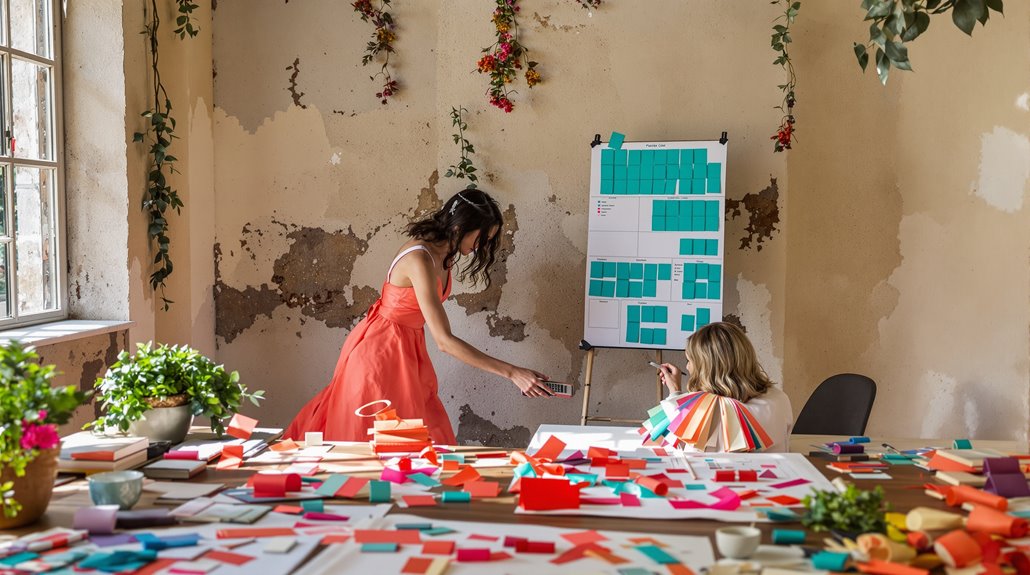
When you’re staring down the barrel of floral decisions, a decision matrix is your secret weapon for strategic clarity. Let’s streamline this chaos into a manageable, actionable plan. Copy and paste a decision matrix template to weigh options like a pro. Consider costs, time, risks, and hidden expenses. Your goal: execute a wedding floral strategy that respects both your budget and sanity.
DIY florals promise significant savings, offering creative freedom and personal involvement. Yet, don’t underestimate the logistics—time investments can spiral. A full-service florist, while pricier, offers peace of mind with expertise and seamless execution.
Next step? List your priorities, assess your resources, and assign weights to each factor. This matrix will pivot your decision-making from “bless and stressed” to strategically blessed.
FAQ (quick answers to common edge cases)
Stuck between DIY and hiring a florist? Strategically weigh your time versus budget—one saves bucks, the other saves sanity. Ask vendors about flexibility for guest swings and lock in a foolproof backup plan; don’t leave it to “whatever happens, happens”—that’s not how we roll.
What if I’m stuck between two options?
Feeling torn between full-service florals and a DIY approach? Let’s break it down. If you’re juggling a career and wedding planning, you need efficient solutions, not extra stress. DIY might save money on materials, but it gobbles up time—12–15 hours per bouquet. Multiply that for 200 guests, and you’ve signed up for a second job. Full-service florists manage logistics, ensuring seamless execution and freeing your pre-wedding days. They’re the project managers for your floral dreams, handling everything from delivery to breakdown. Stuck on budget? Go a la carte for tailored designs without the full-service price tag. DIY offers creative control but demands skill and time. Decide what’s non-negotiable, then pivot strategically. Next step: prioritize your must-haves.
What’s the easiest way to reduce risk with either option?
Let’s cut to the chase: reducing risk with florals, whether you’re going pro or DIY, is all about strategic execution. For the full-service route, choose florists with rock-solid wedding creds. Demand detailed contracts covering delivery, setup, and contingency plans. Verify insurance and backup strategies like a hawk. If DIY’s your jam, source blooms from reputable wholesalers with guarantees and exact photos. Rally your squad for arranging and transport, and practice setups weeks in advance. Opt for tough, in-season flowers to outsmart wilting. Across both options, use commercial refrigeration to keep flowers fresh and schedule purchases close to the event. Actionable next step? Create a checklist of must-haves—contracts, team roles, and supply lists—and execute like a boss.
What should I ask vendors to confirm assumptions?
How do you guarantee you’re not blindsided by vendor assumptions? Start with a full contract review—before any verbal nods. Get every detail in writing, from deliverables to hidden costs, and tackle unclear terms head-on. Even if Aunt Jane’s your florist, secure a contract. Centralize vendor contacts and keep all chats in writing—your safety net if disputes arise.
Ask for itemized cost breakdowns to catch sneaky fees. Verify total costs including taxes and setup charges, and lock in quotes for a specific duration. Define the exact scope of work, including setup and teardown timelines.
Finally, schedule a final walkthrough or call, checklist in hand. Document every confirmation, because assumptions? They’re the enemy of execution. Now, go orchestrate like a pro.
What changes if my guest count swings by 20%?
When your guest list veers off by 20%, it’s not just a headcount change; it’s a logistical pivot that demands your strategic prowess. More guests mean more tables, and that translates to a hike in floral costs—think $75 to $500 extra per table. Your $5K budget for 100 guests suddenly scales, adding up to $2,550 more. DIY? You’ll need extra centerpieces and aisle decor, further stretching your resources. Full-service florists face increased labor costs with setup and teardown. A 20% service fee climbs from $570 to $684 on a $2,850 base. Your budget allocation shifts, and flowers might eat up more than the usual 8-10%. Next step? Reassess your per-person spend and adjust accordingly.
What’s the best fallback plan if something goes wrong?
Even the best-laid plans can veer off course, but that’s where a bulletproof fallback strategy shines. When florals flop, pivot with a plan that’s executed like a pro. First, maintain a vetted list of backup florists; not having one is non-negotiable. Contracts should require vendors to outline their own contingency measures—no surprises allowed. Secure wedding insurance to cover vendor issues or weather woes. Strategically assign crisis roles and guarantee everyone knows the escalation hierarchy. Stock emergency kits with essentials like floral tape, pins, and misting bottles to keep arrangements fresh. Use digital timelines for real-time updates to keep everyone in the loop. Reality Check: Forgetting a backup plan is like forgetting your vows—don’t leave anyone hanging.
Next steps: make the decision + execute the plan
Before you plunge into the floral frenzy, let’s get strategic about making your decision and executing the plan. First, assess your priorities: are you a DIY dynamo or a full-service aficionado? Weigh time, cost, and energy against your vision for the big day. Here’s your no-nonsense checklist to keep things moving:
Ready to dive into the floral chaos? Strategize first: DIY dynamo or full-service aficionado?
- Budget Reality Check: Decide if the cost savings of DIY outweigh potential hidden costs and stress.
- Time Investment: Determine if you can allocate the hours needed for DIY or if efficiency is non-negotiable.
- Logistics Mastery: Plan for sourcing, storage, and setup, or hire pros who get it done seamlessly.
- Expertise Needs: Evaluate if the creative control of DIY beats the polished touch of professionals.
Ready to execute? Go forth, and streamline!