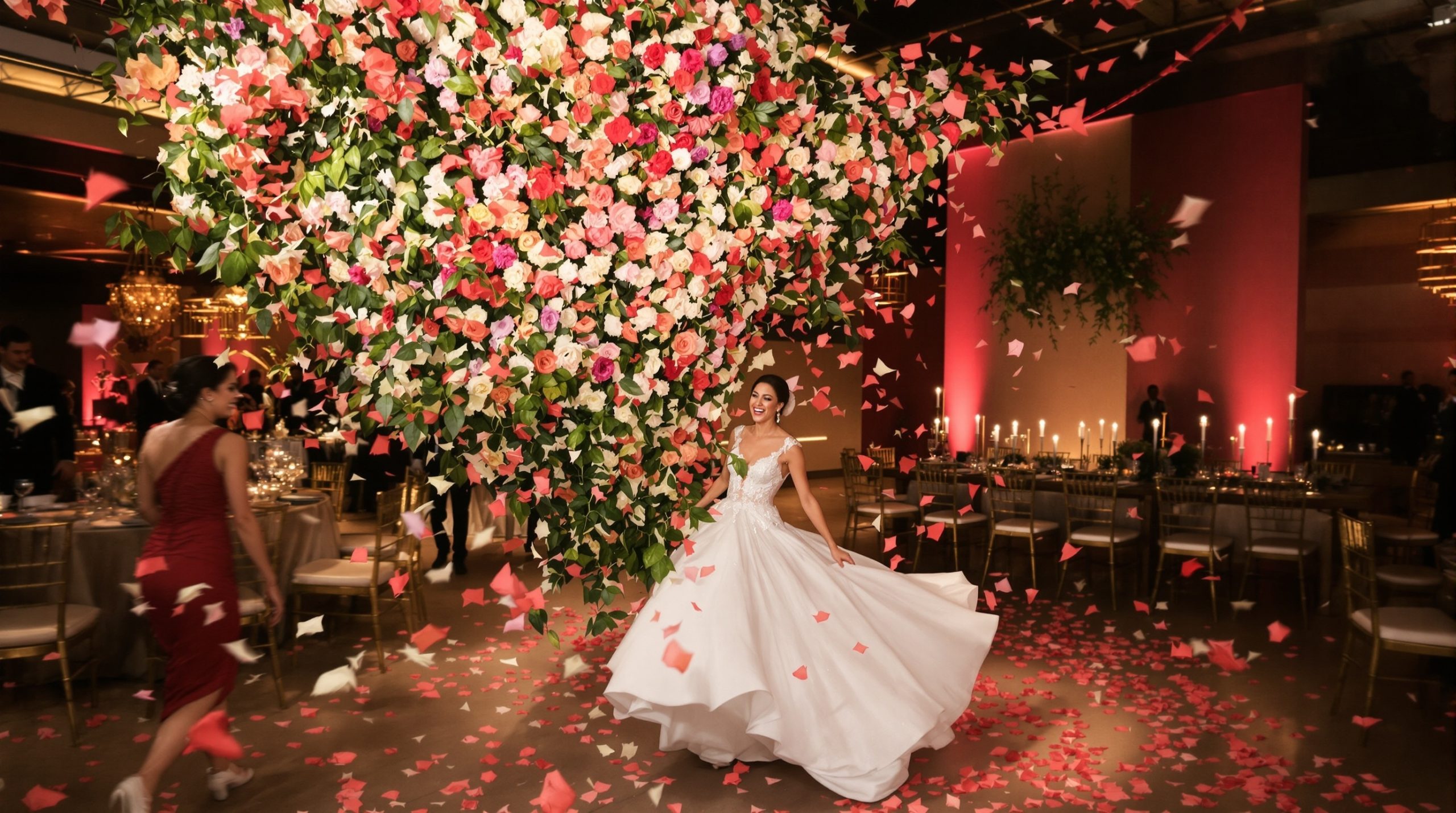
Tall floral centerpieces might seem grand, but they block views, stifle conversation, and drain your budget—often $500+ per table—without adding functional value. By strategically opting for streamlined, low arrangements, you save on costs and amplify guest interaction. Swap excessive blooms for lush greenery and non-floral elements. Want something bold? High visibility bouquets. Get proactive: draft a floral checklist and assign priorities. For efficiency-focused couples, executing wedding success is non-negotiable. Curious about optimizing your floral decisions?
The thesis (what people get wrong)
Let’s cut through the floral fog: tall centerpieces aren’t the slam-dunk visual triumph you’ve been led to believe. Sure, they scream drama and height, but let’s not overlook the tall centerpiece drawbacks. The centerpiece height issues can overshadow their supposed grandeur, often forgetting that lush low designs pack an equivalent wow factor. It’s easy to trip over centerpiece mistakes—assuming guests prefer towering arrangements while they actually block sightlines and hinder conversation. Tall doesn’t necessarily mean better; it means more bending, twisting, and viewing frustration. Plus, they’re not as budget-friendly as you’d think. Investing in towering designs can double your floral budget, all while complicating setup and transport. Tall centerpieces require more flowers and materials, which adds to the cost and complexity. Let’s pivot to smarter, streamlined choices that get the job done. In wedding planning, streamlining guest lists is a vital strategy for controlling costs, and the same principle applies to floral arrangements—keeping them low and lush can be both visually appealing and cost-effective.
Why this happens (the real root causes)
When it comes to tall floral centerpieces, the root of the problem is multifaceted and surprisingly simple. It boils down to material costs, labor-intensive setups, and impracticality. Tall centerpiece problems arise because:
- High Material Costs: Each tall arrangement can set you back $350-600+, thanks to pricey vases and luxury flowers. You’re not just buying flowers; you’re financing a floral fortress. Venue costs account for approximately 17% of the overall wedding budget, and saving on floral expenses can help allocate funds to other essential areas.
- Excessive Labor Fees: These towering beauties demand more skill and manpower, hiking up labor fees. More folks, more funds—simple math.
- Low Practical Value: They block views, stifle conversation, and guests rarely notice them. Your money’s better spent elsewhere. In fact, many couples find that tall centerpieces do not align with their wedding theme and can disrupt the overall aesthetic.
Here’s the kicker: You’re chasing grandeur, but these arrangements don’t measure up. Pivot and invest in something that gets the job done without the financial stress. Reality check: Choose impact over height.
What to do instead (the better framework)
If you’re ready to ditch the towering floral fortresses, let’s pivot to a more strategic approach that delivers impact without the hefty price tag. Here’s how you can execute a streamlined, high-impact centerpiece strategy:
- SeasonalBlooms: Mix premium blooms like roses with budget-friendly fillers such as baby’s breath. This creates a lush look without emptying your wallet. Utilizing in-season flowers guarantees freshness and affordability.
- GreeneryFocus: Eucalyptus and ferns are your best friends. Drape lush garlands along tables for an organic vibe that’s elegant and cost-effective. Greenery doesn’t just fill space; it adds texture and depth. Seasonal props enhance décor and align with the wedding theme, offering additional opportunities to personalize the setting while keeping costs in check. Consider consulting with vendor securing experts early to incorporate greenery efficiently and avoid last-minute stress.
- NonFloralElements: Candles, vintage frames, and globes introduce personality to your tables. These elements can be strategically placed to highlight your story without floral fuss.
Reality Check: Avoid clutter; focus on cohesion.
How to apply it in real life
Envision this: you’re juggling a tight wedding budget but want that wow-factor. Instead of overspending on tall centerpieces for every table, strategically place them at key spots like the sweetheart table while opting for lower arrangements elsewhere. Emotional ROI should guide your decisions, focusing on what will create lasting memories and resonate most with you and your partner. Custom installations require professional expertise, which can add to the cost, so choosing simpler, low centerpieces can help manage expenses. When time’s a luxury you don’t have, streamline your setup with easy-to-transport low centerpieces, saving you precious minutes and dollars—because hustle doesn’t mean hassle.
Example 1: a common scenario + the better move
Hosting a family dinner with eight guests at a long rectangular table? Ditch the tall floral centerpieces. They’re a conversation killer, not to mention an overpriced choice. At $150–$350 each, tall arrangements will set you back $1,200–$2,800 for eight tables. Save yourself the hassle—and cash—by opting for low centerpieces. These beauties cost $75–$200, encouraging eye contact and lively chatter without the ol’ neck-craning dance. Tall centerpieces are best suited for venues with high ceilings, where they can truly enhance the overall aesthetic without obstructing sight lines.
Here’s the play: strategically place low arrangements to maintain an intimate atmosphere, saving 50% on your budget. You’ll execute a setup that promotes interaction, not obstruction, leaving you with funds to pivot towards other priorities. When it comes to centerpieces, lower is smarter. Execute with precision, and keep the energy flowing.
Example 2: a high-stakes scenario + the better move
When you’re in the thick of planning a high-stakes wedding reception, it’s essential to make smart choices that keep your budget in check and your guests engaged. Tall floral centerpieces might seem glamorous, but they’ll block views and inflate costs—definitely not the hustle-approved move. Instead, pivot to low centerpieces. They’re streamlined, cost-effective, and promote interaction without craning necks or straining wallets. Think roses and peonies in sleek vases; it’s a strategic win. You’re saving 50%+ on floral costs, spending $75-$200 per table instead of $250-$500+. Prioritize sightlines by evaluating venue layout and quoting florists for 10-20 tables. Use candles or risers for added drama minus the drama. Execute with precision and confidence—budget-friendly never looked so good. Remember, fresh flowers should be no more than 25% of the retail price to maintain a profitable balance. Incorporating textured fabrics can also enhance the aesthetic without overspending, adding sophistication and warmth to your wedding decor.
Example 3: a ‘we’re busy’ scenario + the better move
You’re in the thick of life—a whirlwind of board meetings, deadlines, and a wedding that refuses to plan itself. The last thing you need? Floral drama. Tall centerpieces are a logistical nightmare: costly, complex, and time-consuming. Instead, pivot to low arrangements. They’re streamlined, budget-friendly, and encourage guest interaction—no craning necks or awkward peeks around towering blooms. Imagine this: you’re at a wedding, conversations flow effortlessly across the table. That’s the power of low centerpieces. They’re executed with fewer blooms, freeing up budget for other essentials. Plus, they’re a breeze to install. Unlike their tall counterparts, which enhance visual appeal for wedding photography, low centerpieces prioritize simplicity and functionality. Reality check: Skip the height hype. Opt for efficiency and elegance. Your wedding should move like a well-oiled machine, not a floral fiasco. Next step? Streamline your floral vision by aligning it with the overall wedding planning timeline.
Counterpoints (when the old way is actually fine)
While tall floral centerpieces can elevate your wedding’s aesthetic, sometimes the old-school way really is just fine. Here’s why sticking to traditional methods might be your best move:
- Practical Space Use: Low-profile arrangements facilitate conversation and keep views unobstructed—ideal for guests who actually want to see each other. Plus, they elegantly fill empty spaces without over-committing budget.
- Emotional Impact: Flowers aren’t just decoration; they’re mood influencers. Strategic choices like roses for love or sunflowers for cheerfulness can turn your wedding into an emotionally rich experience. Additionally, the presence of flowers naturally sparks joy and relaxation among guests, enhancing the event’s overall atmosphere.
- Cost-Effectiveness: Opt for a la carte services, and you’ll see a 20% cost reduction compared to full packages. Rentals are a smart, stress-free choice—high-quality decor without the high price tag. By using traditional budgeting approaches, you can effectively allocate your resources to maintain quality without unexpected overspending.
Action plan (do this next)
You’ve got the lowdown on why sometimes the old-school way works, now let’s shift gears to make those tall floral centerpieces a reality. Ready to execute? Here’s your strategic plan:
- Budget Wisely: Mix high-end blooms like roses with budget-friendly fillers like carnations. Rent gold stands and vases to cut costs. Remember, it’s about impact, not excess.
- Design with Precision: Opt for open, elevated arrangements to maintain guest sightlines. Use lush greenery to maximize volume while minimizing expense. This isn’t just decoration; it’s a visual negotiation.
- Plan for Impact: Choose tall centerpieces for high-ceiling venues to amplify grandeur. Alternate with simpler designs to balance your budget. This tactical move gains visual interest without financial strain.
Remember to allocate a 10–15% contingency buffer for unexpected costs, ensuring that any last-minute floral adjustments or additions won’t derail your financial planning. Execute these steps, and you’ll nail that centerpiece game—no compromises, just streamlined success.
Visual summary you can share
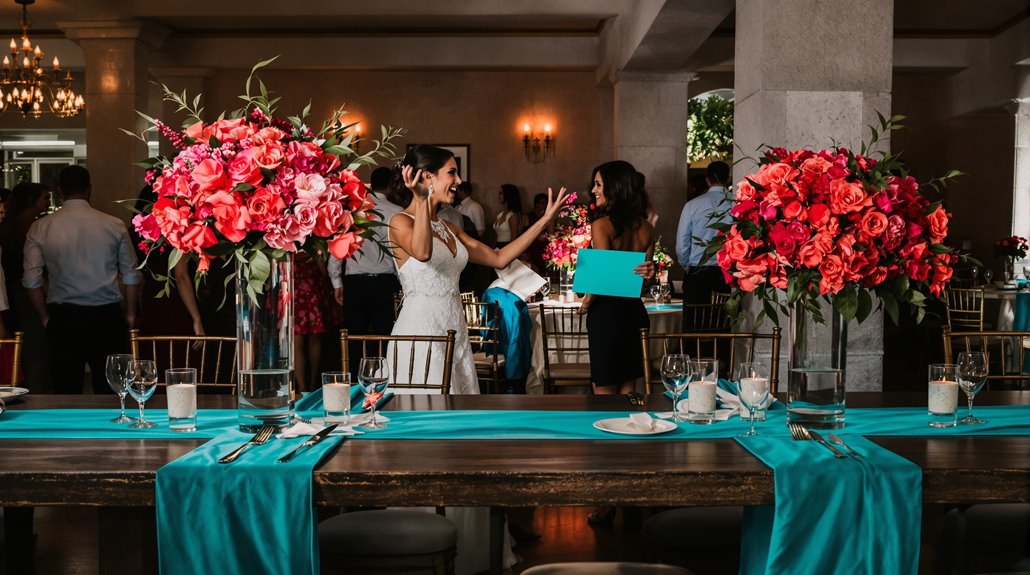
If you’re ready to translate floral visions into reality, let’s break it down into the brass tacks of tall versus low centerpieces. Tall centerpieces might look dramatic, but they hit your wallet hard—up to $500+ per table. Low arrangements? They’re efficient, coming in at $75-$200, and won’t obstruct your guests’ views or conversations. Strategically placing low arrangements keeps the vibe intimate and social. By allocating your budget smartly, you can optimize floral investments on high-visibility elements like bouquets. Save on centerpieces without sacrificing style. Remember, it’s not about towering displays; it’s about executed experiences. So, pivot your planning tactics—ensure your centerpieces enhance, not just sit pretty. Next, assess your floral budget and consider a mixed arrangement approach. It’s important to account for hidden costs like service charges and gratuities to ensure your floral budget remains intact.
FAQ
Got a family member or vendor pushing back on your centerpiece choice? Execute a strategic pivot by aligning with your partner first—communication is your secret weapon here. If you’ve already made a misstep, don’t stress; streamline your decision-making with a quick checklist to course-correct and keep the momentum moving forward.
What if my family/vendors push back?
When your family or vendors start pushing back on your tall floral centerpiece choices, remember you’re not just planning a wedding—you’re executing a high-stakes project with precision. Address their concerns by strategically highlighting key benefits: tall centerpieces maintain clear sight lines, enhancing guest interaction without the awkward lean-around. If budget’s a sticking point, pivot to repurposing ceremony decor for reception savings—smart, right? Show them the numbers: a simple tall arrangement can drop costs while still delivering impact. Hidden costs, such as service charges and vendor overtime, can significantly inflate your budget if not anticipated. Keep your cool—you’re managing logistics, not making daisy chains. Involve them in the process with a budget checklist or a pros-and-cons table. This way, you’re not just saying “no,” you’re offering streamlined alternatives. Execute your vision with confidence.
What if I already made the ‘wrong’ decision?
Already clicked ‘order’ on those towering floral giants and second-guessing the decision? Don’t panic. You’ve got options to pivot and reclaim control. Repurpose ceremony florals for the reception—doubling utility without doubling cost. Consider renting vases rather than owning, and switch out tall centerpieces for shorter ones, saving up to 50% per table.
Negotiate with vendors for refunds or discounts as you simplify designs. Adjust DIY-style by disassembling tall arrangements into low clusters. Trim those long stems and breathe new life into them as boutonnieres or altar decor.
What’s the fastest way to course-correct?
Pivoting swiftly and efficiently is your secret weapon when the floral centerpiece choice feels more like a towering mistake than a blooming success. You can execute a strategic shift by mixing high and low designs. Swap those tall florals for sleek candle centerpieces. They cost just $20 to $50 per table and add a sophisticated glow. Alternatively, embrace greenery. Eucalyptus or ferns offer lush appeal without the hefty floral price tag. Renting vases and candle holders? A streamlined move that slashes costs. For a punch of color, try sola wood flowers—they’re a non-negotiable bargain that won’t wilt. Accelerate your decision with seasonal, locally grown flowers to cut import costs. Ready to course-correct with precision? Let’s get moving on this streamlined solution.
How do I get my partner aligned?
Feeling like your floral centerpiece is more of a towering challenge than a statement piece? Let’s pivot to partner alignment. Start with intentional shifts—end your workday with a 10-minute connection chat while prepping dinner. This signals your brain to shift gears. Next, strategically schedule quality time: weekly date nights and monthly check-ins to discuss relationship goals. Establish shared vision and values by setting non-negotiable boundaries and making joint decisions. Use active listening and “I” statements to avoid defensiveness. Leverage complementary strengths—share activities that build memories. Finally, outsource non-essential tasks, freeing up energy for what matters: you and your partner. Execute these steps to streamline alignment, avoid chaos, and keep your relationship thriving. Ready to accelerate?
What’s the easiest win I can do today?
If you’re looking for the simplest power move you can make today, it’s time to get strategic with your wedding planning. Start by re-evaluating those towering floral centerpieces. They might look impressive, but let’s be real—they’re budget gobblers. Instead, pivot towards cost-effective, low-profile arrangements. Not only do these save you money, but they also enhance guest conversation and sightlines. You’re not just planning a wedding; you’re executing a high-stakes event with precision.
Create a streamlined checklist and prioritize decisions that provide maximum impact with minimal fuss. Use tools like budget trackers and event timelines to stay on top of everything. Remember, the goal is to make decisions that are smart, not showy. Ready to gain some momentum? Let’s hustle.
Key takeaways
Tall floral centerpieces: they’re the show-stoppers that make guests gasp but can just as easily nudge your budget into “Are you serious?” territory. These towering blooms might look impressive, but they come with hefty price tags and logistical headaches. Let’s break it down:
- High Costs: With prices ranging from $1,500 to $4,000 for 15 tables, your budget balloons thanks to extra flowers and structural support.
- Labor Intensive: Assembling these beauties takes time and expertise, not to mention on-site setup, which means more staff and higher costs.
- View Blockage: Tall arrangements can block sightlines, turning lively chatter into awkward neck cranes.
Streamline your wedding decor with low centerpieces that save money and keep conversations flowing. Choose efficiency over extravagance; your guests—and wallet—will thank you.