

Get strategic with your wedding timeline. If you’re juggling a ceremony, reception, and maybe a location change, full-day coverage delivers a complete capture without sacrificing any highlight moments. But hey, smaller, single-spot shindigs? Eight hours gets the job done, covering your non-negotiables without burning cash. Both options have their place—your decision should pivot on complexity and must-haves. Ready to make the smartest choice for your big day? Let’s get into it.
Quick verdict: 8 Hours vs. Full Day Photography Coverage (who each is best for)
When you’re juggling a million tasks and need wedding photography that respects your schedule, it’s crucial to nail down whether you need 8-hour or full-day coverage. You might find yourself pivoting between decisions, but knowing the wedding photography hours needed guarantees you won’t miss a beat.
Consider these key factors:
- Event Complexity: If your big day features multiple locations or an intricate timeline, full-day coverage is non-negotiable. It ensures every moment is captured without missing a beat. If your wedding is more of a traditional affair with full ceremony and reception, 8-hour coverage might be the sweet spot you’re looking for.
- Size and Scope: Smaller, intimate gatherings can thrive with 8-hour photography coverage, focusing on the essentials without the full-day price tag.
- Memorable Moments: Prioritize what matters. Do you want candid late-night shots or just the “I do’s”? Your photo coverage needed hinges on these decisions.
Now, assess your priorities and choose smartly.
At-a-glance comparison: 8 Hours vs. Full Day Photography Coverage
Let’s get straight to it: deciding between 8-hour and full-day photography coverage is all about maximizing your wedding day strategy. How long should your photographer be at your wedding to capture the chaos and magic efficiently? Here’s a quick breakdown:
| Coverage Duration | What’s Included | Best For |
|---|---|---|
| 8 Hours | Ceremony, key reception moments, portraits | Streamlined, essential coverage |
| 10+ Hours | Full preparation, sunset portraits, late-night dancing | Complete storytelling |
| Full Day | Start-of-prep to grand exit | No moment missed |
With 8 hours, you get a targeted timeline and essentials captured. Full-day coverage offers a broader story—golden-hour portraits, late-night candids, and more. Many photographers offer packages structured into hourly options, allowing you to tailor the coverage to your specific needs. Know your priorities, pivot accordingly, and execute your day like a pro. Ready to strategize? Let’s move.
Define the options (so you’re comparing the right things)
When you’re comparing 8-hour and full-day photography coverage, precision is key to getting what you actually need. The 8-hour package covers the essentials—think of it as a strategic blitz through your wedding day without lingering on every detail. In contrast, full-day coverage is your non-negotiable option if you want to capture everything from the first bobby pin in your hair to the grand exit, ensuring no moment is missed. Larger celebrations often have more activities to document, and extended photography coverage ensures that no key interactions are missed, providing a comprehensive capture of the day’s events.
8 Hours: what it is, what it includes, and the common misconceptions
In the world of wedding photography, “hours” are your non-negotiable currency, and understanding them is essential for nailing your perfect day coverage. Think of them as your photography budget’s backbone—every hour booked is a strategic move. Here’s the deal: contracted hours include shooting, travel, setup, and breaks. They don’t promise a continuous photo frenzy. An 8-hour package is popular but not a one-size-fits-all; it could miss late-night shenanigans. Keep in mind, more hours don’t just mean more candids—they offer buffer time for delays and complete coverage. For those considering multiple locations, it’s worth noting that travel time can significantly impact the number of hours needed. And remember, same-length packages vary across photographers. Always compare contracts, not just hour numbers. For real coverage clarity, scrutinize every detail like it’s your next big work project. Ready to execute? Let’s move.
Full Day Photography Coverage: what it is, what it includes, and the common misconceptions
Full-day photography coverage isn’t just a luxury; it’s a strategic move for capturing your wedding’s complete narrative. This isn’t a one-size-fits-all package; it’s a flex plan that moves with your day. From morning prep to the grand exit, it’s designed to document every pivotal moment without missing a beat. You’ll get more than just pretty pictures—you’re getting a storyline that resonates for decades. Full-day coverage offers the most comprehensive documentation of the day, ensuring that no important moments are missed. Common misconception? It’s not endless hours of snapping. It’s smart, intentional shooting with breaks and pivots for lighting and delays. Think of it as a non-negotiable for high-stakes days. Skip the gaps with all-day or unlimited packages, especially on peak Saturdays. Check with your photographer for specifics. Next steps? Compare coverage options and align them with your timeline.
Cost breakdown (upfront vs hidden costs)
When you’re mapping out photography expenses, it’s essential to distinguish between upfront and hidden costs to strategically manage your budget. Upfront costs might look straightforward—think package rates for 8-hour coverage—but hidden costs sneak in with add-ons like extra hours, second photographers, or travel fees. By breaking down these costs by tier, you gain a clear view of what actually drives those price changes, ensuring your all-important wedding day is executed with precision and no financial surprises. Experienced photographers command higher fees due to their expertise and solid portfolios, which justify higher rates.
Line-item cost comparison by tier/budget
Steering wedding photography costs can feel like a marathon sprint, but with Hustle and Bustle Events, you’ll conquer it with minimal sweat. Cut through the clutter with a strategic line-item breakdown. Here’s how to choose your tier without breaking a sweat:
| Tier | Cost Range |
|---|---|
| Basic | $800-$2,500 |
| Standard | $2,500-$5,000 |
| Premium | $5,000-$8,000 |
Basic covers essential shots. Standard steps up with potential engagement discounts. Premium, the marathoner, includes engagement sessions and second shooters. Remember, add-ons like extended hours ($150-$400) or a second shooter ($500-$1,200) can sneak up. Strategically plan to avoid hidden costs. Your wedding? It’s a project, and with the right tools, it’s executed flawlessly. Next, create a checklist of must-haves to streamline decisions. Couples often prefer standardized packages because predictable pricing aids in budget planning, allowing them to focus on personalizing their day without financial surprises.
What actually drives cost changes
Even the best-laid wedding plans can unravel if you don’t know what you’re paying for, so let’s cut through the fluff and get to the heart of what actually drives photography costs. It’s not just the time on-site; it’s the entire operation behind the lens. Here’s the breakdown:
- Time Commitment: For every hour shooting, expect 3-5 hours of editing. High-end packages demand 10-20 hours of pre-wedding planning.
- Gear and Equipment: Annual gear costs hit $6000, factoring in depreciation and backups. Wedding-specific lenses and lighting aren’t freebies either.
- Software and Subscriptions: Keeping things digital? Website, client management, and editing tools collectively cost over $2800 annually. Photographers need to account for business maintenance time, which includes tasks like blogging and social media marketing.
Reality Check: Want exceptional photos? Expect to pay for the hustle behind them. Prioritize what’s non-negotiable and decide accordingly.
Planning workload & logistics impact
When you’re planning wedding photography, balancing time, complexity, and coordination is key to a smooth execution. Strategically mapping out coverage hours and understanding vendor flexibility can make or break the day’s flow. Use a solid timeline to guarantee all moving parts sync up, so you get those must-have shots without sacrificing efficiency.
Time, complexity, and coordination differences
If you’re planning a high-energy wedding, understanding the time, complexity, and coordination differences is non-negotiable for a day that moves like a well-oiled machine. You’ll want to strategically allocate hours to avoid the rushed chaos that often plagues 8-hour coverage. Consider these aspects:
- Time Gains: A 10-hour package offers breathing room, allowing phases to flow naturally with built-in buffers. It helps dodge the stress of cramming moments into a tight schedule.
- Complexity Management: Think of how Pinterest or TikTok trends add layers. Longer ceremonies or cultural elements? They demand extra time to be executed flawlessly.
- Coordination Precision: Multiple locations? Factor in transportation buffers. Guarantee every event is covered with pinpoint accuracy.
Drawing on wedding budgeting research from Purdue University Cooperative Extension, carefully assessing your timeline and coverage needs can also prevent overspending and ensure your photography investment aligns with your overall wedding budget.
Next steps? Collaborate with your photographer to match coverage to logistics.
Vendor availability + flexibility considerations
Vendor availability isn’t just a checkbox on your to-do list; it’s a strategic move in your wedding playbook. In a world where venues and planners are 50-60% booked and florists barely take flowers off the truck, you need to pivot strategically. Here’s how:
- Plan Ahead: With photographers receiving 109 inquiries yearly, early planning is non-negotiable. Don’t let your date slip away.
- Flexibility Wins: Be ready to streamline decisions if your dream vendor’s booked. Consider alternative dates or less traditional timeslots.
- Face-to-Face Matters: Offline bookings grow at 6.5% CAGR. Meeting vendors face-to-face accelerates trust and coordination.
Reality Check: Staff shortages are real. Make certain all contracts include clauses for staffing changes. Bless and stressed? No thanks! Move smartly.
Guest experience impact
You know that feeling when a photographer’s presence is perfectly balanced, elevating guest engagement without intruding? That’s the sweet spot we’re aiming for—where guests feel seen and enjoy friction-free interactions. Strategically executed coverage isn’t just about photos; it guarantees guests experience seamless flow and capture memorable moments without the eye-roll-inducing waits.
How guests perceive it + where friction shows up
Ever wonder how your wedding photography timeline impacts your guests? It’s all about perception and friction. Let’s break it down:
- Rushed vs. Relaxed: A 10-hour coverage paces the day smoothly, while 8-hour timelines cram everything in, making guests feel short-changed. Shorter coverage lets everyone breathe, enjoying genuine, stress-free moments.
- Comfort Levels: Longer coverage means restroom breaks and snack times—essential for keeping guests comfortable. With shorter sessions, you’re focusing on key moments, freeing up time for unfilmed fun.
- Authentic Experiences: Guests love candid interactions during cocktails, not constant camera clicks. Streamlined coverage encourages natural immersion with loved ones, resulting in authentic memories.
Reality Check: Don’t cram; strategically plan your timeline. Prioritize guest experience over endless photos, and you’ll have a celebration that truly resonates.
Best-fit scenarios (choose based on constraints)
When it comes to choosing your wedding photography coverage, it’s all about aligning with your event’s scale and vibe. Go for 8 hours if you’re looking for a streamlined, no-fuss option that covers the essentials—perfect for single-location weddings that refuse to drag on. Opt for full-day coverage if you need the flexibility to pivot between multiple locations and capture every detail without rushing; think of it as your all-access pass to a storytelling marathon.
Choose 8 Hours if…
Though wedding planning might feel like maneuvering a high-stakes boardroom, choosing an 8-hour photography package gets the job done without unnecessary fluff. You’re not into wasting time, and neither are we. Here’s when 8 hours are strategically perfect:
- Smaller Guest Lists: With 80-120 guests and intimate families, you’ll breeze through group photos without stress. Fewer attendees mean streamlined coordination.
- Single Venue Events: Host everything in one spot and avoid the chaos of venue changes. All activities from prep to portraits happen onsite, eliminating transfer time.
- Budget Constraints: Balance cost and coverage smartly. Capture essential moments without rushing or breaking the bank.
Reality Check: Stick to your timeline. Mismanagement can lead to missed shots. Plan with precision, execute with confidence.
Choose Full Day Photography Coverage if…
For those who demand a wedding day that runs like a well-oiled machine, full-day photography coverage is your secret weapon. You need it if you want a thorough story that captures every chapter, from the prep nerves to the celebratory exit, without gaps. You’re covered, even if schedules shift or weather throws a curveball. Here’s why:
- Thorough Storytelling: Capture every moment, ensuring you relive the day’s magic without missing a beat.
- Flexibility for Delays: Stay stress-free with coverage that accommodates unexpected delays or multi-location logistics.
- Reduced Stress and Full Enjoyment: Be present in the moment, knowing every meaningful interaction is documented.
Reality Check: Don’t skimp on a solid timeline—it’s essential for executing a streamlined, unforgettable day.
Real-world scenarios (examples with numbers)
Let’s break down three real-world photography scenarios that keep your day streamlined and your priorities intact. Imagine this: you’ve got a guest count of 150, a budget of $3,000, and a non-negotiable need for killer candids and ceremony shots—this calls for an 8-hour package, strategically executed to cover all must-haves. Or maybe you’re planning an intimate 50-person soiree with a $1,500 budget, focusing on just the ceremony and a few essential portraits; in this case, a 4-hour coverage gets the job done efficiently.
3 sample scenarios: guest count + budget + priorities
When planning your wedding, balancing guest count, budget, and priorities is key to executing a day that’s both memorable and efficient. Let’s cut the fluff and get strategic about what you actually need:
| Guest Count | Budget | Priority |
|---|---|---|
| 50 | $5,000 | Key Moments |
| 100 | $8,000 | Relaxation |
| 150 | $10,000 | Multiple Locations |
| 120 | $12,000 | Ceremony |
| 80 | $9,000 | Creative Shots |
For 50 guests, an 8-hour package nails the essentials without overkill. With 150 guests scattered across multiple locations, 10 hours is non-negotiable. Focus on what matters to you—whether it’s capturing that sunset shot or maneuvering through a multi-venue whirlwind. Remember, it’s about efficiency, not excess. Next step: finalize your timeline for flawless execution.
Common mistakes (and how to avoid them)
Maneuvering the chaotic world of wedding photography requires more than just a good eye—it demands precision planning and strategic execution. Avoid these pitfalls:
- Unrealistic Timeline Estimates: Underestimate getting-ready photos, and you’ll delay everything. Schedule ample time for family formals, travel, and unexpected events. Don’t assume sunset times align perfectly—venue topography might surprise you.
- Inadequate Shot-List and Communication: Craft a prioritized shot list. Share timelines with all involved. Relying on verbal plans? Risky. Document everything to avoid mix-ups.
- Choosing Insufficient Coverage Length: Eight hours might not cut it for multi-location shoots or late receptions. Want golden hour magic? Plan accordingly. Consider a second shooter to capture everything.
Research from Columbia University consumer economics shows that thoughtful planning and allocation of wedding resources—like photography coverage—can significantly impact overall satisfaction with your investment.
Pivot from chaos to clarity with these proactive steps. Ready to execute? Let’s move.
Copy/paste decision matrix template
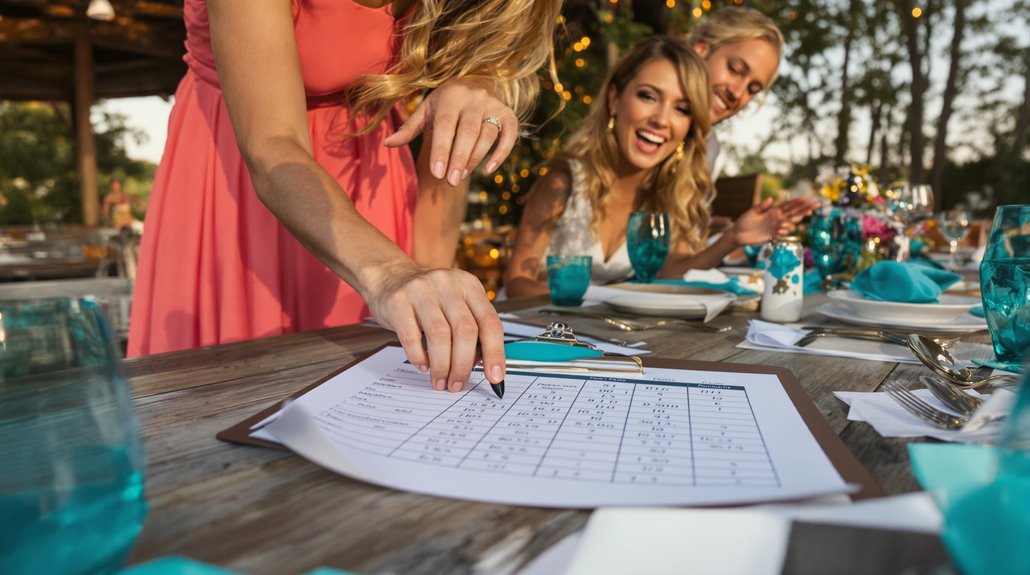
You’ve pinpointed the common pitfalls; now let’s streamline your decision-making with a smart, no-nonsense approach. Enter the decision matrix—a tool that gets the job done with kinetic precision. This isn’t just any table; it’s your strategic partner in choosing between 8-hour or full-day photography coverage. List your options across the top: local photographers, package types. Define criteria like cost, quality, and flexibility down the side. Assign scores from 1-5 based on performance, then apply weights to prioritize what matters most. Calculate totals, and voilà—your top choice emerges, ready for execution. Share it with your team for a final thumbs up. Reality Check: Don’t let analysis paralysis stall you—pivot fast and trust your data-driven instincts!
FAQ (quick answers to common edge cases)
When you’re stuck between two options, strategically play the pros and cons like a chess game—your move is to list must-haves versus nice-to-haves. To reduce risk, always confirm assumptions with vendors in writing; a quick email can save chaos later. If your guest list flexes by 20%, tack on some buffer time as your safety net, and always have a solid fallback plan—because when Plan A fails, Plan B’s got to be ready to hustle.
What if I’m stuck between two options?
Stuck between two photography options? Welcome to the delightful chaos of wedding planning. If you’re eyeing 8-hour coverage but tempted by a full day, let’s break it down. Consider the scale of your event: Small and intimate? Half-day might be your streamlined solution—focus on key moments without the full-day intrusion. But if you’re orchestrating a grand affair, the 10-hour option guarantees no candid gets left behind, capturing everything from golden hour portraits to the grand exit.
Think of it as a strategic pivot: 8 hours hits the sweet spot for efficiency, covering essentials without overbooking. It’s all about what gets the job done for your unique day. Make a list, check your timeline, and pivot smartly. According to family systems and wedding planning dynamics research from the University of Wisconsin, the decision between 8 hours and full-day coverage can also be influenced by family expectations and group dynamics, so consider involving key voices in the conversation.
What’s the easiest way to reduce risk with either option?
Balancing between 8-hour and 10-hour photography coverage? Consider building buffer time into your schedule. This strategic move cushions against inevitable delays—think Dad’s epic speech or a late cocktail hour. Opt for 10-hour coverage to handle these overruns without coughing up extra fees. It’s all about executing a plan that’s as ambitious as you are. Test your timeline: single-location weddings might stick with 8 hours, but multi-location events need more. Hire a second shooter to streamline simultaneous moments, ensuring nothing essential slips through the cracks. Finally, align your video packages to prevent reception footage gaps. No couple regrets excess photos; rather, they cherish captured moments. So, make those intentional decisions and pivot toward a risk-reduced, streamlined day.
What should I ask vendors to confirm assumptions?
Ever wonder how to guarantee your wedding day goes off without a hitch? Start by asking vendors the right questions to confirm assumptions. First, nail down precise start and end times for photo coverage. Is 8 hours enough for your ceremony, cocktail hour, and some dance-floor magic, or will you need add-ons? Define if “full day” means a solid 10+ hours or unlimited coverage. Check team size—will a second shooter join for parallel bride and groom prep? Need flexibility? Confirm timelines for extended ceremonies, sunset shots, and potential delays. Ask about extra charges for late-night coverage. Verify what’s included in your coverage—those candid moments don’t capture themselves. Next step: create a smart checklist and streamline vendor discussions. For a seamless celebration, consider choosing from Marriott International official wedding venues for your big day.
What changes if my guest count swings by 20%?
When your guest list suddenly jumps by 20%, don’t panic—pivot. Start with the formal photos. More guests mean more combinations, which can add 10–30 minutes to your schedule. Streamline this with a pre-planned list; it’s non-negotiable. For every extra 20% of guests, strategic decisions become critical. You might need a second shooter if your guest count hits that 100–150 range. If budget’s tight, prioritize key moments over capturing every candid. More guests equal more photos, leading to heavier editing workloads. Expect potential extensions in delivery time or additional fees. Bottom line: Execute with precision. Adjust timelines, expand coverage where it counts, and communicate with your photographer. Your wedding’s a project—manage it like a pro.
What’s the best fallback plan if something goes wrong?
You’ve already got your guest list under control—now let’s talk about what happens when life throws a curveball at your wedding logistics. First, have a vetted network of 2-4 backup photographers ready to shift if your main shooter can’t make it. Include a contingency clause in your contract detailing replacement procedures and fees—think project management, not panic. Equip your second shooter to take the lead if needed. Pre-authorize a standby fee for a backup vendor to guarantee they’re on call. Share an emergency packet with timelines and contacts to speed up shifts. Don’t forget equipment redundancy: dual-slot cameras, spare batteries, and immediate backups. Have a real-time communication channel to adapt swiftly. Now go execute your flawlessly chaotic day!
Next steps: make the decision + execute the plan
Strategically deciding on your wedding photography coverage is the first step to guaranteeing everything runs like a well-oiled machine. You’re not just picking hours; you’re engineering a seamless, hustle-free experience. Here’s how you execute like a pro:
You’re crafting a flawless, stress-free wedding day by mastering your photography schedule.
- Evaluate Coverage: Opt for 8 hours if you’re at a single location with a first look. Need more breathing room? Tack on 2 extra hours for those unmissable reception moments.
- Select Your Photographer: Review contracts for clarity—8 hours is the sweet spot. Confirm a second shooter for double the action, and guarantee delivery timelines align with your expectations.
- Execute the Plan: Start the day with a 3-hour pre-ceremony warm-up, then let your photographer capture the magic. Relax; it’s all about precision, not perfection.