

Building rock-solid contingency plans for the Big Day means trading dreams for practical strategies. Identify your top pitfalls: weather surprises, vendor flops, guest overload. Harness power tools like checklists, timelines, and verification routines to pivot like a seasoned planner. Cover bases with backup plans for everything—venues, vendors, guest logistics. Focus on efficient, non-negotiable steps that guarantee success. It’s like juggling meetings while sipping your fourth espresso. Tackle chaos confidently. If you’re ready for results, keep going.
What you’ll accomplish (and what ‘done’ looks like)
When it comes to executing your wedding day with kinetic precision, you’ve got to know what ‘done’ really looks like. Strategic wedding contingency planning is your secret weapon. You’ll identify potential pitfalls and implement contingency strategies to guarantee smooth sailing. Envision this: vendor emergencies, weather surprises, and timing hiccups are no match for your problem prevention prowess. By setting up backup plans for vendors and venues, you’ll pivot effortlessly when issues arise. Your day flows without a hitch because you’ve anticipated every possible snag. With precise timelines and checklists, you’ve streamlined the chaos into controllable steps. You’re not just planning; you’re orchestrating a masterpiece. Your wedding isn’t just happening—it’s being executed with a level of precision that gets the job done. Pre-event checks of all items are crucial for avoiding item discrepancies and ensuring everything runs smoothly. Remember, wedding insurance considerations provide financial protection against unexpected issues, making your day as stress-free as possible.
Quick start (the short version)
Every successful wedding day starts with a solid quick start plan that cuts through the clutter and gets results. You need wedding backup plans that are non-negotiable. You’re here to execute, not hope for the best. Here’s how to strategically tackle the most common pitfalls:
Begin with a decisive plan, ensuring backup strategies are in place for wedding day success.
- Weather Disruptions: Always have an indoor backup or tents ready for unexpected storms. Don’t let Mother Nature rain on your parade—literally. Consider the timeline overview when scheduling your event to ensure all details are accounted for well in advance.
- Vendor Failures: Create a vendor checklist and maintain open communication. If the limo vanishes, you won’t be stranded.
- Guest List Overloads: Keep guest numbers aligned with venue capacity. Avoid feeding half the guests by managing RSVPs meticulously.
- Item and Logistics Shortages: Confirm everything in advance, from hotel blocks to test kits. Pivot smoothly when surprises hit.
Starting a marriage in a state of stress and resentment undermines long-term success, so remember that planning’s a marathon, not a sprint. Don’t skip the details.
Before you start: inputs you need
Before the chaos of the big day hits, let’s talk about the groundwork that gets the job done. You’re not just dreaming; you’re executing a mission. Here’s what you need to gather for a streamlined start:
- Guest List Finalization: Get those addresses locked down, finalize your headcount, and chase RSVPs like a boss. The seating chart isn’t just a suggestion; it’s a strategic plan.
- Vendor Confirmations: Confirm arrival times and review contracts. Sharing your detailed timeline guarantees everyone’s moving in sync. Open communication with vendors early can reduce stress and ensure all parties are aligned.
- Venue Assessments: Know your space inside-out. Weather plans? Non-negotiable. Walk-throughs? Essential.
- Attire Preparations: Last fittings, ring orders, and breaking in shoes. It’s all about proactive moves.
Reality Check: Overlook one detail, and chaos gains ground. Prioritize!
Step-by-step process
First, you need to clarify your constraints—think date range, budget ceiling, and those non-negotiables that can’t be compromised. Next, strategically build your decision order so that each choice makes the next one smoother, because who has time for chaos when you can pivot like a pro? Ensure you utilize checklists and timelines to maintain a sharp focus on efficiency and keep the planning process moving smoothly. Finally, execute your vendor outreach with scripts and tracking, lock in your plans with contracts and deposits, and don’t forget those all-important contingency buffers; it’s all about getting the job done without losing your mind. Consider discussing contingency options with your venue coordinator and vendors to ensure you have a solid backup plan.
Step 1: Clarify constraints (date range, budget ceiling, non-negotiables)
Let’s plunge into the nuts and bolts of wedding planning like the Type-A pro you are. First, nail down your constraints. Establish your budget ceiling by evaluating savings, family contributions, and funding sources. Be marketplace savvy; costs vary, especially for big-city, Saturday night weddings in May. Break the budget into categories—venue, catering, attire, photography, decor—and plan for unexpected expenses. Remember to consider venue costs as they can significantly vary by region, with cities like NYC having higher rates. Next, lock in your date range. A one-year minimum timeline helps save while juggling other financial goals. Extended planning allows for better vendor availability and guest coordination. Finally, document non-negotiables. Align priorities with your partner to guide decisions and spending. Stick to your guns—decline anything outside your priority list. Now, accelerate to the next step: decision order!
Step 2: Build the decision order (what to decide first so everything else is easier)
Once you’ve got your constraints nailed down, it’s time to strategically build your decision order to streamline wedding planning and keep things moving. Start by discussing your vision and values. Identify absolute must-haves—like that killer venue or dream photographer. Next, list and rank wedding elements by importance. Recognize interdependencies: your venue influences everything from timing to entertainment space. Evaluate guest impact; prioritize comfort with lodging and transport solutions. Establish a decision hierarchy where non-negotiables guide choices. It’s crucial to consider guest experience to ensure a seamless and enjoyable day for everyone attending. Consider investing in professional entertainment to create lasting memories that will be talked about long after the event. Think of it as a game of strategic chess. Make each move count by considering the 5 W’s: who, what, when, where, and why/how. This approach accelerates decisions, keeps the process smooth, and guarantees you stay true to your vision. Ready to execute?
Step 3: Create the timeline (milestones + deadlines)
Now that you’ve got your decision order lined up like a precision-tuned engine, it’s time to hit the gas and start constructing your wedding timeline. This isn’t just a list; it’s your wedding’s backbone. Start 12-15 months out, especially if you’re tying the knot between May and October. Begin by defining your budget and selecting a date and venue. Make sure to book high-priority vendors, such as caterers and photographers, early to ensure they are available for your wedding date. Nine months out, immerse yourself in dress shopping and photographer bookings. By six months, nail down catering and attire. Two months out, finalize dress fittings and confirm headcounts. As the day approaches, detail your schedule down to hair and makeup. Don’t forget buffer times—they’re your secret weapon against chaos. Utilize detailed checklists and timelines to stay organized and ensure every aspect of your planning is covered. Get it down, make it count, and keep hustling forward.
Step 4: Execute vendor outreach (scripts + tracking)
While others are busy dreaming of fairytales, you’ve got your eyes on the prize—executing vendor outreach like the strategic genius you are. First, identify key vendors who can handle common issues—think photographers, florists, caterers. Immerse yourself in directories like The Knot or WeddingWire, prioritizing those with contingency chops. Craft email scripts with six core questions and personalized subject lines. Inject urgency with limited-time offers and attach planning tools for quick responses. Emails should leave a positive impression on clients, ensuring they remember your professionalism. Fire off these emails, targeting both primary and backup vendors. Follow a communication schedule—your non-negotiable playbook. For late replies, wield follow-up protocols like a pro. Track every interaction in a spreadsheet, monitoring open rates and responses. Utilize online RSVP systems to streamline the process and reduce chaos. This isn’t just outreach; it’s a streamlined operation ready to pivot.
Step 5: Lock the plan (contracts, deposits, and contingency buffers)
Securing your dream team of vendors isn’t just about signing on dotted lines—it’s a strategic maneuver that demands clarity and foresight. You need airtight contracts that detail services, dates, and pricing. Don’t skimp on the fine print: include cancellation policies and insurance coverage. A 50% deposit is standard, locking in vendor availability. Consider progress payments aligned with your cash flow, but stay open to upfront payment discounts. Don’t overlook contingency buffers—necessary for unexpected expenses like overtime or travel fees. Make sure contracts have clauses for extra charges needing approval. Hidden costs? They’re lurking. Review for service charges and damage deposits. Want to prevent unwanted surprises? This isn’t a drill—it’s project management executed with precision. Next step: stay on track with weekly check-ins. Reviewing sample contracts early can help identify non-standard clauses and prevent unexpected charges.
Step 6: Run weekly check-ins (how to stay on track without spiraling)
You’ve locked in your contracts and secured your vendors, but here’s the real kicker: keeping everything on track without spiraling into chaos. Weekly or bi-weekly check-ins are your strategic secret weapon. They’re non-negotiable for budget alignment, guest list decisions, and décor choices. These meetings aren’t just about ticking boxes—they’re about celebrating progress and keeping momentum alive. Got concerns? Voice them here and prevent them from becoming full-blown disasters. Divvy up tasks like a boss to avoid overlap. And don’t forget your vendors: a final check-in a week prior guarantees everyone’s on the same page. Use these sessions to distribute timelines and verify arrival times. Stay sharp, stay organized, and keep everything moving smoothly. Ready? Execute and accelerate. Additionally, consider using WeddingWire’s vendor comparison feature to ensure you’re making the best decisions for your wedding planning needs.
Template you can copy/paste (checklist + tracker)
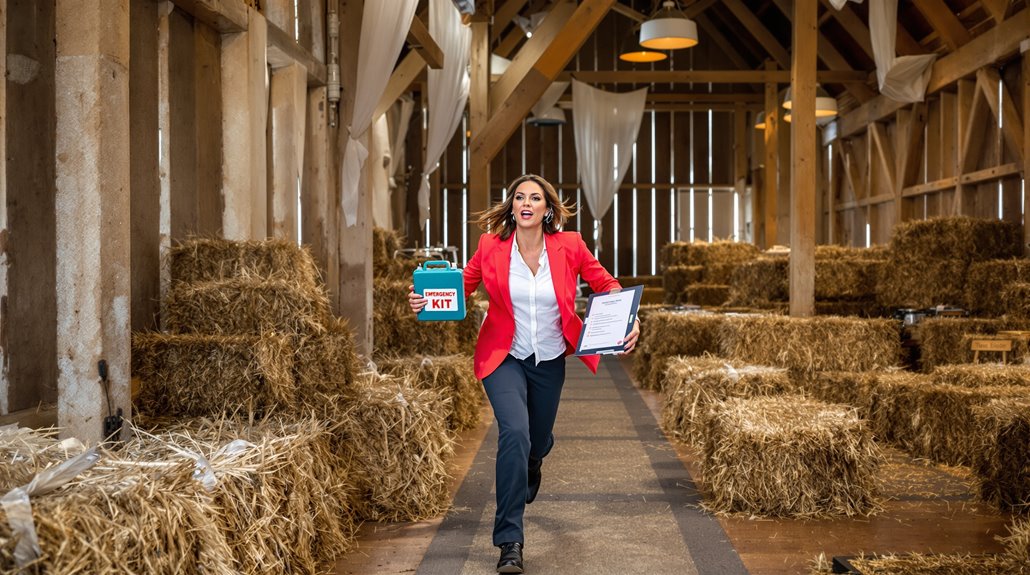
In the fast-paced world of wedding planning, a powerful template can be your best ally—think of it as your wedding-day GPS. This isn’t about fluff; it’s about executing with precision. Start with the WeddingDayTimelineTracker to confirm vendor deliveries and finalize schedules. Then, move to the EmergencyKitChecklist, packing essentials like safety pins and makeup wipes. Strategically plan for weather with the WeatherContingencyPlan, checking forecasts and securing tents. Use the VendorCoordinationTracker to streamline communication and payments. Don’t forget the PersonalPrepChecklist—pack your overnight bag and verify the rings are ready. This template isn’t just a list; it’s your streamlined strategy. Keep everything in a shareable document, and assign tasks to your team. Move confidently into your wedding day with everything covered.
Common mistakes (and how to avoid them)
While planning a wedding might feel like herding caffeinated cats, the truth is, avoiding common pitfalls is all about strategy and execution. Here’s how you can steer clear of chaos:
- Timeline Delays: Over 68% of weddings run late. Build a buffer into your schedule to absorb unexpected hiccups like hair and makeup overruns.
- Insufficient Partner Time: Without a first look, couples barely see each other. Create intentional moments to connect during the day.
- Weather No Backup: An outdoor ceremony needs a solid Plan B. Don’t let rain wash away your day—have a tent ready to deploy.
- Guest Experience Neglect: Prioritize comfort over aesthetics. Guarantee shade, seating, and smiles are non-negotiable.
Reality Check: The hustle gets the job done, but strategic planning avoids the “bless and stressed” trap.
FAQ
Got questions about keeping your wedding plans on track while juggling your hectic life? We’re about to tackle how long each phase should take, what tasks are non-negotiable, and how to delegate like a pro. From vendor silence to weekly tracking, we’ve got streamlined solutions to keep chaos at bay and your wedding day on point.
How long should this take if we’re busy?
Juggling a wedding with your already packed schedule might feel like adding a side hustle to your main gig, but with strategic moves, it’s manageable. First, let’s get real: average couples spend around 7 hours weekly on wedding planning. That’s basically a part-time job on top of your full-time one. To streamline this, leverage timelines and checklists. Delegate tasks—you don’t have to be a hero. Use your Type-A skills to prioritize decisions and set non-negotiable deadlines. Most couples handle 81% of planning themselves, but smart delegation to family or a planner can shave off time. Remember, controlled chaos is your friend. Execute tasks with intention. Your move? Start with a timeline—watch how much time you gain.
What’s the minimum version that still works?
You’re operating on a schedule tighter than a drum, but who says you can’t throw an unforgettable wedding? Your secret weapon: strategic prioritization. Focus on core essentials like venue and key vendors, which can be booked within 3-4 months. Marriage licenses? Easy—apply one month out. Invitations need 8-12 weeks, giving you breathing room to finalize guests. Caterer tastings can happen just 3-4 months before—no need to sweat gourmet perfection. Rings? Grab those anytime pre-ceremony.
The minimum version still dazzles because it’s executed with precision. Vendor confirmations, shot lists, and emergency kits streamline chaos into controlled elegance. Finalize your seating chart a month prior, and you’ve got a streamlined, high-energy celebration ready to roll. Next step? Immerse yourself in those checklists and timelines.
What can I safely delegate?
Even in the whirlwind of wedding prep, you can strategically delegate tasks to streamline your timeline and keep your sanity intact. Delegate simple, repetitive tasks like envelope stuffing or party favor packaging to younger, responsible family members. Gather friends for Netflix sessions to power through these tasks. Use a gig worker or friend to handle invitations and RSVPs. Assign a trusted friend as the vendor liaison for pre-wedding confirmations and day-of communications. Have someone assertive monitor the wedding timeline, ensuring everything moves smoothly. Let your maid of honor or best man manage guest calls and last-minute issues. Delegate setup logistics—tidying, decorating, transporting—to capable hands. Start with a checklist, then watch your stress levels drop. Keep hustling smart, not hard.
What if a vendor isn’t responding?
What happens when a vendor ghosts you amidst wedding chaos? Don’t sweat it—pivot with precision. First, review your contract and highlight communication clauses. Wait 1-2 weeks before escalating if there’s no immediate threat. Document every attempt: emails, calls, times, and dates. Follow up calmly across multiple channels. If silence persists, send a certified letter requesting a response.
Strategically involve your wedding planner to navigate vendor relations and prepare a backup list of vendors. Consult a solicitor if the breakdown continues. Plan for the unexpected with a hot list of alternative vendors like photographers and florists.
Reality Check: It’s tempting to stress, but staying organized and methodical means you’re ready to execute a seamless pivot when needed. Keep your hustle smart and streamlined.
What should I track weekly?
When you’re managing a wedding, weekly tracking isn’t just a suggestion—it’s your strategic advantage. For ambitious couples, a streamlined timeline is non-negotiable. Sync it weekly with involved parties, allowing buffer for inevitable delays. Vendor communications? Treat them like serious business contracts—review weekly for expectations and potential hurdles. Inventory your emergency kit; those safety pins and steamer are your unsung heroes. Monitor weather like a hawk and confirm indoor backups, because outdoor dreams can meet rainy realities. Keep a precise eye on guest logistics—finalize counts and update wedding details online. Your hustle here is what gets the job done. Reality check: Don’t skip the small stuff; they’re the backbone of your big day. Pivot as needed and keep the momentum going.
Key takeaways
As you navigate the whirlwind of wedding planning, mastering contingency plans isn’t just smart—it’s non-negotiable. You need to be ready for anything. Here are your key takeaways:
- Schedule like a pro: Avoid running behind by clear guest communication and realistic timelines. Keep everyone on the same page.
- Vet your vendors: Prevent vendor mishaps by ensuring clear contracts and reliable partners. Communication is king.
- Weatherproof your plans: Don’t let Mother Nature crash your party. Have backup venues or equipment ready for outdoor events.
- Prepare for the unexpected: A well-stocked emergency kit can solve wardrobe disasters and transportation hiccups.
Embrace these strategies to streamline your wedding day. Next, assess your current plans and identify any gaps. Your mission? Execute a flawless day.