
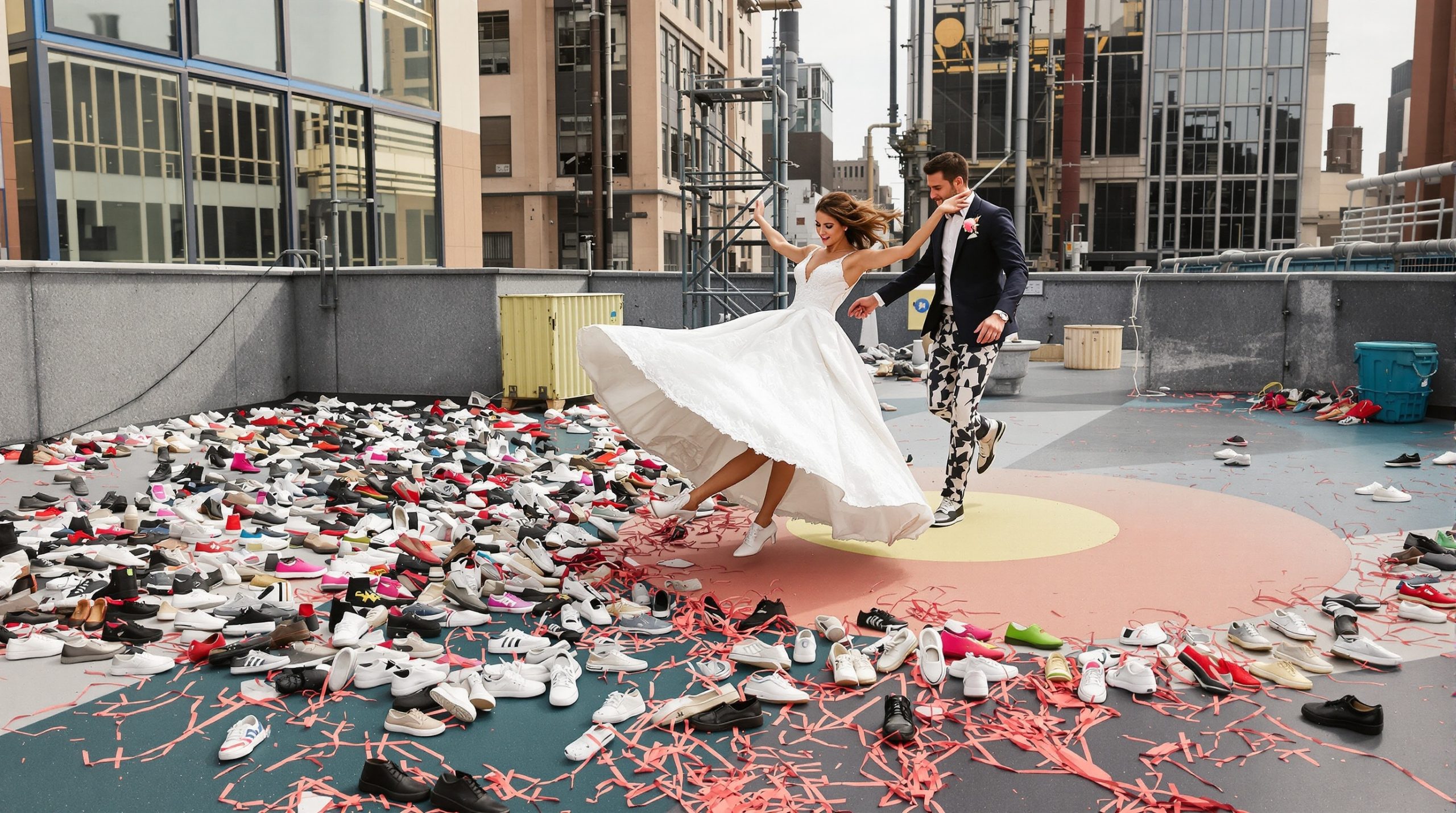
Streamline your wedding day footwear like a pro. Choose block or kitten heels under 2 inches for ideal comfort and balance; you’ll thank us on the dance floor. Strategically select shoes with memory foam insoles and suede soles to keep you gliding through your night, slip-free. Shoes that anchor your feet securely with ankle straps are non-negotiable. Ready to stomp out any potential blisters and dance mishaps? You might wanna see what’s next in our playbook.
What you’ll accomplish (and what ‘done’ looks like)
When it comes to wedding shoes, you’re not just picking footwear; you’re executing a strategic move to secure your day runs smoother than a well-oiled machine. Selecting comfortable bridal shoes is your first win in this high-stakes game. You want dancing wedding shoes that let you glide across the floor like a pro. Memory foam cushioning and flexible soles are non-negotiable for wedding shoe comfort. Ankle straps and center-balanced heels guarantee you can dip, turn, and lift with ease. Forget the romantic fluff; it’s about strategic execution. Your mission? Find shoes that let you dance all night without a hitch. Quick-release clasps add convenience, enhancing overall experience by making it easy to change shoes between photos and dance sessions. Test heel heights and break them in during dance classes. Pivot to chic flats when needed. Ready to conquer the dance floor? Let’s move.
Quick start (the short version)
Let’s cut to the chase: choosing your wedding shoes is about executing with precision, not indulging in retail therapy. You need comfortable bridal footwear that can keep up with your hustle, not slow you down. Here’s your quick-start guide to getting it right:
- Memory foam is your friend: Cushion those busy feet for all-night moves.
- Go for flexible soles: They’ll help you pivot effortlessly from the aisle to the dance floor.
- Straps are non-negotiable: Slingback or ankle straps mean stability when spinning.
- Arch support is key: It helps distribute pressure and reduce aches.
- Low heels get the job done: Under 2 inches keeps you dancing till the last song.
Skyline views and city lights create a sophisticated atmosphere, making the right shoe choice crucial for maintaining elegance and comfort. Ready to step up your shoe game? Let’s accelerate the process.
Before you start: inputs you need
Before you lace up those dream wedding shoes, let’s get strategic. You need the right inputs to move confidently from “I do” to dance floor legend. Start by evaluating your foot measurements. A secure fit prevents blisters and means less time sidelined by sore feet. Next, consider heel height preferences. Balance style with practicality—center-balanced heels are your ally. Check materials and verify they can withstand a night of kinetic chaos. Finally, don’t skip support features. A well-cushioned shoe keeps you on your feet longer. Dance shoes provide an ideal solution, offering inner padding for added comfort and support throughout the festivities. When choosing wedding shoes, consider how seasonal design trends can influence your final choice, ensuring your footwear feels both stylish and appropriate for your big day.
Evaluate foot measurements, choose practical heel height, and ensure supportive materials for a night of dancing bliss.
- Foot Measurements: Length, width, and heel-to-toe for precision.
- Heel Height: Average 2.5 inches, but find your comfort zone.
- Materials: Breathable, durable, and flexible.
- Support Features: Padding, straps, and memory foam.
- Soles & Cushioning: Grip, slide, and shock absorption.
Step-by-step process
Let’s cut to the chase—nailing your wedding shoe game starts with defining your constraints: date, budget, and absolute must-haves. Next, strategically build your decision order, prioritizing what makes everything else smoother, then map out a timeline with clear milestones. With your plan locked and loaded, it’s time to execute vendor outreach with scripts and tracking tools, ensuring you lock in contracts, deposits, and contingency buffers like a boss. Remember, a balance between elegance and endurance is essential to ensure your shoes accommodate the entire wedding day.
Step 1: Clarify constraints (date range, budget ceiling, non-negotiables)
Start by pinning down your constraints like a seasoned project manager ready to conquer the chaos. First, lock in your date range—summer weddings call for breathable materials, while winter demands weather-resistant soles. Budget matters too: dance shoes range from $100-$300, with customizable options soaring up to $500. Don’t forget heel height; 2.5-3.4 inches is your sweet spot for balance. Non-negotiables? Secure fit with ankle straps, integrated footbeds for even weight distribution, and breathable materials like satin or leather. Your shoes should adapt seamlessly to every dance floor pivot and photo op. Angela Nuran’s collection features a variety of options for comfort and elegance, ensuring you find the perfect fit. Now, make a checklist of these essentials and start scouting options. Don’t overlook hidden costs like sales tax and service charges, which can sneak into your overall wedding budget—including your shoes. You’re not just choosing shoes; you’re executing a strategic plan. Ready for the next step?
Step 2: Build the decision order (what to decide first so everything else is easier)
While you’re juggling a hundred tasks, let’s cut through the chaos and nail down the decision order for your wedding shoes with ruthless efficiency. First, define your bridal style—traditional, vintage, or contemporary—because it sets the aesthetic tone. Nail this down and everything else aligns, from heel height to embellishments. Next, select your wedding dress. This isn’t just about looking good; it’s about smart coordination. Take a dress swatch with you while shoe shopping to avoid mismatches. Then, consider your venue and season, dictating style and durability. Are we talking indoor glamour or outdoor grit? It’s important to consider seasonal considerations, such as open-toed shoes for summer or closed-toe for winter, as they can greatly influence your comfort and style choice. Don’t forget that core elements like comfort should always take priority over fleeting trends when making your selection. Finally, identify a comfortable heel height range. Comfort’s king for a day filled with standing and dancing. Execute this order, and the rest becomes a breeze.
Step 3: Create the timeline (milestones + deadlines)
You’ve nailed down your wedding shoe decision order with precision, now it’s time to shift gears and tackle your timeline. Think of this as a strategic roadmap, not a stress-inducing checklist. Start by plotting key milestones: 12-18 months out for budget, venue, and style. Move into the 9-12 months territory for save-the-dates and attire. Push into the 4-8 months window for invitations, transportation, and honeymoon planning. Zero in on the 1-3 months mark for licenses and vendor confirmations. Finally, 2 weeks to a month out, cement your guest list and final details. Remember, finalizing the menu with the caterer around the 3-5 months mark is essential for a memorable dining experience. Be sure to break the plan into major milestones and assign deadlines for each, using project management tools to keep everything organized and on track. This isn’t just planning; it’s executing with finesse. Reality Check: Rigid timelines can bend—adapt when necessary. Next up? Vendor outreach scripts and tracking for seamless coordination.
Step 4: Execute vendor outreach (scripts + tracking)
Executing vendor outreach is where your wedding planning gains traction—no fluff, just action. First, strategically identify top vendors using platforms like The Knot and WeddingWire. Compile a list with essential details: contact info, service needs, wedding date, and budget range. Draft a three-part email template covering your vision, budget, and availability inquiry—this isn’t a drill. Engage vendors on social media before sending direct messages; sincerity and rapport go a long way. Evaluate their response speed and clarity, because “bless and stressed” isn’t our style. Schedule meetings to discuss logistics and align expectations. Track everything—use spreadsheets or apps to log responses, quotes, and follow-up dates. Keep momentum by scheduling regular check-ins. Establish a primary point of contact for communication and ensure all vendors are updated on any changes or new ideas. Make sure to track vendor responses meticulously, as this helps maintain organization and ensures you don’t miss key deadlines. Your wedding planning just got streamlined.
Step 5: Lock the plan (contracts, deposits, and contingency buffers)
Locking in your wedding plan is where the planning moves from ideas to hard commitments. Here’s your no-nonsense guide to avoid costly surprises. First, scrutinize contracts like a detective—disclose all potential extra costs upfront and insist vendors approve any additional charges beforehand. Verify that payment schedules and methods align with your cash flow. Deposits usually range from 25-50%, but negotiate if needed. Specify cancellation policies and include force majeure clauses for emergencies. Strategically set budget buffers to handle unexpected expenses without stress. Guarantee every verbal promise is documented in writing. Watch for red flags, like unlicensed vendors. Finally, add a layer of security with wedding insurance. Remember, smart preparation now means less stress and more dancing later. For added peace of mind, consider setting aside a 10-15% contingency buffer to cover any last-minute or unforeseen expenses that may arise.
Step 6: Run weekly check-ins (how to stay on track without spiraling)
When it comes to staying on track without spiraling into chaos, think of your weekly check-ins as the non-negotiable pulse of your wedding planning project. This isn’t fluff—it’s a strategic move that keeps your plans sharp and executed with precision. Start by confirming vendor details: arrival times, payment status, and timeline alignment. Next, get your RSVPs in order—adjust seating, confirm headcounts, and finalize place cards. Review the logistics with your planner or coordinator, ensuring the itinerary’s airtight. Don’t skip on attire readiness; check hems and pack personal items in advance. Finally, factor in self-care and monitor progress to avoid stress. Ready to pivot? Use these check-ins to accelerate, not stall. Now, execute like the efficient boss you are. According to industry insights, weekly check-ins can help couples maintain focus on priorities and reduce overwhelm during the wedding planning process.
Template you can copy/paste (checklist + tracker)
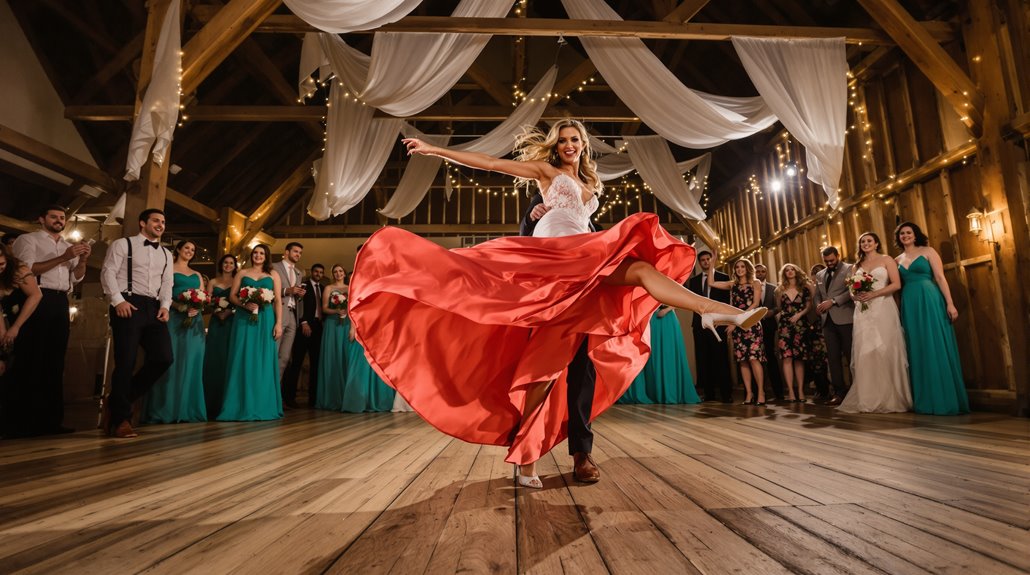
Let’s cut through the noise and get straight to the point: choosing wedding shoes should be a strategic move, not a Pinterest-inspired nightmare. Here’s a template you can copy/paste to execute this with kinetic precision. First, prioritize comfort features—padded soles, cushioned insoles, and breathable materials are non-negotiable. Next, select heel heights and types that match your dancing needs: block heels or wedges for stability, flats for long events. Verify a secure fit with ankle straps or laces. Match shoes to dance style and venue—think textured soles for grip. Finally, consider switching to dance-specific shoes or reception sneakers to keep the moves going. Track these criteria in a checklist, verifying each box checked accelerates you toward a streamlined, stress-free dancefloor debut.
Common mistakes (and how to avoid them)
Choosing wedding shoes can feel like maneuvering through a minefield, but with strategic foresight, you’ll sidestep common pitfalls. Let’s pivot to the mistakes you can avoid with a streamlined approach:
Navigating wedding shoe choices is tricky, but strategic foresight helps avoid common pitfalls.
- Neglecting Break-In Time: Unworn shoes lead to blisters. Wear them weeks ahead and stretch them with thick socks.
- Skipping Practice Sessions: Dance in your chosen shoes before the big day to guarantee balance and comfort.
- Prioritizing Style Over Functionality: Cinderella shoes might look dreamy but aren’t built for dancing. Opt for ballroom shoes with suede soles.
- Ignoring Dress and Venue: Match your shoe height to your dress hem and consider the venue terrain.
- Forgetting Backups: Bring a second comfy pair and pack moleskin pads to manage any shoe drama.
You can avoid discomfort by planning ahead, just as you would analyze contracts for ambiguous language or hidden fees when booking your wedding venue. Execute these steps, and you’ll dance through your wedding with ease.
FAQ
You’re busy, so let’s cut to the chase: choosing your wedding shoes shouldn’t take more than a couple of weeks if you’re strategic. Focus on a minimum viable option that gets the job done—comfort, style, and longevity—while delegating tasks like vendor follow-ups to someone you trust. If a vendor isn’t responding, pivot to backup options without losing momentum, and track progress weekly to stay on top of every detail. Booking your wedding vendors well in advance not only secures your favorites, but also helps you avoid common planning pitfalls that can derail your timeline and add unnecessary stress.
How long should this take if we’re busy?
When should you actually start hunting for those wedding shoes amidst your jam-packed schedule? Ideally, you’ll want to target 4 to 5 months before your big day. That’s when you can strategically align your shoe choice with your dress style. If you’re juggling a packed calendar, prioritize in-stock options with fast shipping to avoid last-minute scrambles. And remember, shoes need to break in—think 3-5 months out to get them comfy. You’ll also need them before any dress fittings, so alterations can be spot on.
Need proof? Consider the chaos of procrastination: limited options, stock shortages, and stressed-out fittings. Avoid the “bless and stressed” vibe. Get those shoes now, execute efficiently, and pivot to other tasks. Ready, set, shop!
What’s the minimum version that still works?
Ready to tackle wedding shoes without getting bogged down by unnecessary fluff? Let’s cut to the chase—your wedding day is not the moment for a shoe experiment. The minimum version that still works? Opt for block or kitten heels under 2 inches. These offer balance and elegance without the foot fatigue. Suede soles are your non-negotiables for smooth moves on the dance floor, while memory foam insoles keep feet comfy.
Strategically choose breathable leather or satin for long hours. A snug fit with secure ankle straps is critical to avoid embarrassing slips. Remember, this isn’t about perfection; it’s about execution. Before you buy, do a walk test. If it fits like a glove, you’ve hit the sweet spot. Now, pivot to the next task on your list! Don’t forget, just as with hidden costs in wedding venues, unexpected discomfort can sneak up if you don’t plan ahead with your shoes.
What can I safely delegate?
Let’s face it—your wedding day is not the time to micromanage every detail. Strategically delegate tasks to keep your day streamlined and joyful. Consider assigning errands: someone can collect attire from suppliers, deliver goods to the venue, and even post invitations. Delegate day-of coordination—appoint a reliable point of contact for vendors and have someone else manage family portraits and guest questions. Vendor management can also be outsourced; let a savvy organizer handle supplier details and final payments. Timekeeping is essential—assign a sharp individual to keep things moving according to your timeline. Finally, tap into your network for guest and activity support like planning pre-wedding events and coordinating transport. Remember, delegation isn’t surrender; it’s a power move. Next step? Create your delegation checklist.
What if a vendor isn’t responding?
Vendors not answering your calls or emails? It’s time to pivot. First, diversify your strategies: reach out through social media and use callable numbers. If they’re ghosting you, send a one-liner follow-up: “Still interested in our collaboration?” Have you documented all attempts? This is your battle plan. Establish communication patterns from the start. Insist on regular updates via shared tools like planning apps. Notice warning signs: delayed responses or overbooking. Your contract is your armor—ensure it includes communication clauses. If silence persists, check reviews and consider backup vendors. Wedding plans should move with precision, not stall. Remember, your wedding day waits for no one. Execute smart decisions that streamline the process. Your focus is non-negotiable!
What should I track weekly?
When you’re juggling the chaos of wedding planning with your busy career, tracking weekly tasks becomes your secret weapon. This isn’t about dreaming of dancing under fairy lights; it’s a tactical execution plan. First, confirm RSVPs and follow up on stragglers. You’re not running a dinner club—get those numbers locked. Two weeks out, meet with your planner and vendors to nail down timelines. Beauty prep? Wrap up those final trials and break in those dance-ready shoes. Ceremony details should be finalized—vows, readings, the works. Logistics matter: pack personal items, confirm your marriage license, and prep those welcome bags. Streamline your week with a checklist, and pivot swiftly if needed. Next step: execute this week’s plan with military precision.
Key takeaways
Securing the perfect wedding shoes is less about fairy-tale fluff and more about strategic execution. You need shoes that aren’t just a footnote but a power move. Let’s streamline your selection process:
- Comfort is Non-Negotiable: High-density memory foam and flexible soles prevent foot fatigue.
- Heel Heights Matter: Choose from flats to block heels based on your venue and dance ambitions.
- Support Elements: Look for extra padding, arch support, and smart strap placement.
- Versatile Style: Nude or blush tones provide a chic, adaptable look.
- Break Them In: Practice dancing in them before the big day to avoid any surprises.
Reality Check: Avoid suede soles outdoors and prioritize comfort over fleeting trends. Take the time to test, pivot, and execute your choice brilliantly.