
To choose a wedding color palette that works, start with a streamlined combo: 1-3 bold primaries, 2 secondaries, a splash of metallic. Align colors with your venue’s vibe and season—beachside blues or wintery deep hues are non-negotiable. Test your picks against venue décor to dodge visual chaos. Use timelines and checklists to pivot fast and keep all elements cohesive. Execute strategies with kinetic precision, celebrate gains, and elevate the experience. Want the full playbook? You’re on the right track.
The short answer (what most people should do)
Let’s cut to the chase: nailing your wedding color palette is all about strategy, not sentiment. Your wedding color selection should be executed with precision. Start by picking wedding colors that stick to a streamlined palette—think one to three primary colors, two secondary, and a metallic for that cohesive vibe. Don’t neglect neutrals; they’re your secret weapon against overwhelming chaos. Include shades like cream, grey, or white to balance the bolder tones. Now, accelerate your planning by matching your palette to the season—pastels for spring, vibrant hues for summer, moody tones for fall, and deep, cozy colors for winter. Finally, consider your venue’s vibe to guarantee your colors don’t clash. A helpful trick is to use a wedding venue search to preview different event spaces and see how your chosen colors mesh with various decor settings. Action step: sketch your palette and test it against your venue décor. Choosing the right wedding colors is crucial as it sets the mood and ambiance of the wedding, ensuring that every detail reflects the couple’s vision and personal style.
The real answer: what it depends on
You’re not just picking colors; you’re engineering an experience. When figuring out how to choose wedding colors, it’s about more than just preference. It’s strategy. Let’s break it down:
Selecting wedding colors is strategic; it’s about creating an unforgettable experience, not just personal preference.
- Venue: The architecture and lighting dictate what colors work. Neutral venues? Go wild. Bold walls? Maybe not so much. Consider venue architecture, surroundings, and lighting to ensure your color choices align seamlessly with the space’s natural elements.
- Season: Seasons set the tone. Spring pastels, summer brights, fall earth tones, and winter’s deep hues guide your palette choices.
- Theme: Whether it’s rustic chic or modern minimalist, your theme anchors your color foundation. Match earthy tones for barns or jewel tones for city lofts.
Decision framework (choose the right move fast)
When it comes to choosing your wedding color palette, you’re not just matching shades; you’re strategically crafting an experience. First, pinpoint your primary colors, then build around them. Think of it like assembling a high-stakes project—clarity and purpose are non-negotiable. Here’s a quick framework to get you moving:
Selecting a wedding color palette involves understanding that color conveys messages and emotions without words, enhancing the ambiance and theme of the event.
| Category | Decision Criteria | Action Steps |
|---|---|---|
| Personal Style | Reflects daily life and preferences | Consult partner on color choices |
| Seasonal Influence | Aligns with nature’s hues | Choose colors matching the season |
| Venue Consideration | Matches venue architecture and decor | Test swatches in venue setting |
| Emotional Mood | Evokes desired atmosphere | Blend colors for mood balance |
Streamline your choices by aligning them with these categories. Trust your instincts and remember: efficiency gets the job done.
Recommended timeline / checklist (so you don’t miss anything)
Eighteen months to go, and the clock’s ticking. Time to execute your wedding color palette plan with kinetic precision. Let’s get started:
Eighteen months out—time to launch your wedding color palette with precision.
- 18-12 Months Out: Pick your color scheme and theme—this isn’t a drill, it’s strategic. Create a Pinterest board for inspiration, but don’t let it distract you from setting a budget and touring venues. Book early—popular spots vanish fast. Start researching and touring wedding venues during this time to ensure you secure your dream location.
- 11-6 Months Out: Finalize your palette with a mood board. Share it with vendors for a cohesive look. Invitations, bridesmaid dresses, and floral arrangements? All should echo your chosen colors.
- 5-1 Months Out: Confirm every detail—stationery, catering, even your wedding bands—aligns with your palette. Coordinate beauty appointments to complement your vision.
Reality Check: Don’t overthink it. Streamline decisions to avoid stress.
Examples (realistic scenarios)
Envision this: you’re up against a tight timeline with limited availability, so you need a color palette that can be executed quickly without sacrificing impact. When it comes to seasonal colors, leveraging them can be a swift and effective way to create a cohesive look that aligns with the time of year. Next, imagine having a flexible timeline and a penchant for high customization—your palette can be as unique as your Spotify playlist, tailored to every last detail. Finally, envision a budget-first approach where every dollar counts; here, strategic color choices become your best friend, delivering style without the sticker shock.
Scenario 1: tight timeline + limited availability
So you’re juggling a wedding with a timeline tighter than your last project deadline—no sweat, it’s all about strategic moves and smart shortcuts. Start by aligning your color palette with the wedding season for instant availability. Spring and summer? Think blush pinks, mint greens, or vibrant tangerines. Fall and winter? Go for deep reds, emeralds, or navy blues. Limit yourself to 2-3 colors for streamlined execution. Match your palette to the venue: beachside blues, rustic barn earth tones, or cozy East Coast winter hues. Seasonal alignment enhances the wedding ambiance and style, making it a crucial consideration for a cohesive event. For more guidance, explore Destination Canada official tourism resources for international wedding planning inspiration and seasonal color suggestions. Leverage seasonal flowers—research what’s in bloom to save time and headaches. Use studio tools like color charts to speed up choices. Your mantra? Get it done, get it right, and keep it stress-free.
Scenario 2: flexible timeline + high customization
Got the luxury of time and a penchant for personalization? You’re in the perfect spot to execute a wedding color palette that screams “you.” Start with a primary color that aligns with your unique style—think striking emeralds or bold corals. Then, strategically add one or two complementary hues to form a cohesive look. Use color psychology to guarantee your palette evokes the right vibe—calm, passionate, or somewhere in between. With earth tones being great for any season, they can add a warm, inviting atmosphere to your wedding, especially if you’re aiming for a fall celebration. Adapt your scheme to your venue and season. Beach nuptials? Go for cool blues. Rustic barn? Earthy greens are your friend. Keep an eye on trending palettes and blend them with your personal favorites. According to research on family dynamics and wedding planning, involving family members in your color decisions can help smooth communication and foster a more enjoyable planning process. Next step? Create a timeline to track your palette decisions, ensuring everything aligns come wedding day.
Scenario 3: budget-first priorities
When budget takes the driver’s seat in your wedding planning journey, it’s not about cutting corners—it’s about strategic execution. Start by opting for neutral palettes like black and white; they’re classic and keep costs down. You get timeless elegance with minimal fuss—think white gowns, black tuxedos, and metallic accents like gold flatware. For seasonal flair, use cost-effective combos: burgundy and cream in fall, or sage and blush in summer, capitalizing on readily available florals. Execute smart decor moves like using disposable tableware that mimics china or family-style serving trays. Family-style meals are suggested for a warm, communal atmosphere, allowing you to blend style with budget-savvy choices. When planning, don’t forget that focusing on nutrition and wellness in the months before your wedding can help you feel your best while staying within your means. Prioritize actions that streamline expenses without sacrificing style. Reality Check: Don’t get sidetracked by fleeting trends. Stick with what gets the job done without budget blowouts.
What to avoid (common traps)
Even the most ambitious wedding plans can hit a snag if you ignore the venue’s color palette—imagine peppermints on pizza, and you’ve got the picture. Avoid these common traps to keep your wedding color palette on point:
- Ignoring Venue Colors: Your venue’s already part of the color story. Bold decor? Choose softer hues to prevent visual overload.
- Clashing with the Dress: Your gown’s the star, not a backdrop. Neons clash with elegance. Opt for pastels or muted shades that let your dress shine.
- Using Too Many Colors: Rainbow chaos isn’t your friend. Stick to a primary color with one or two complements. More than three colors? It’s a visual circus.
1-page action plan you can screenshot
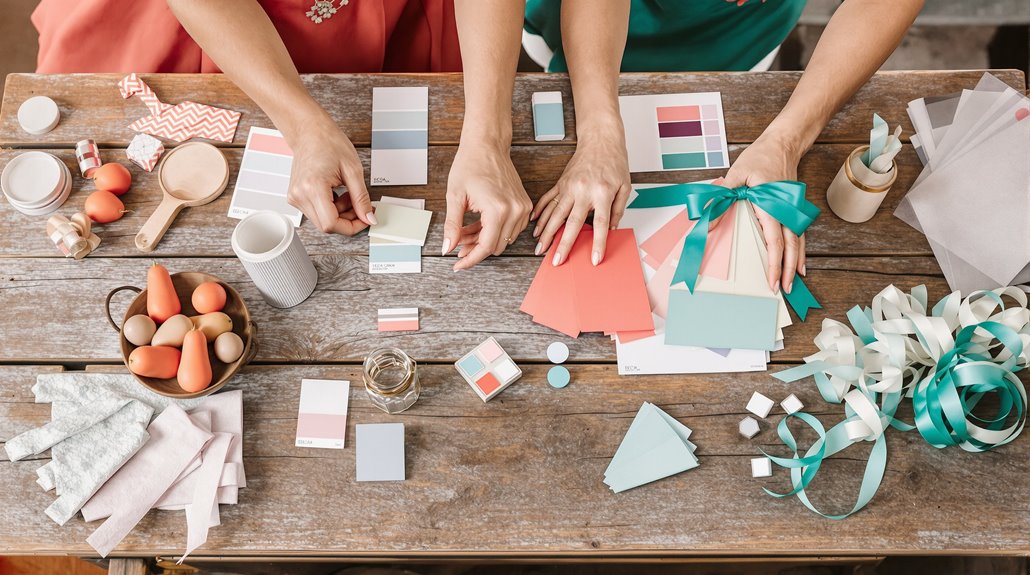
To strategically execute a wedding color palette that speaks volumes without saying a word, let’s plunge into a streamlined plan of action you can screenshot and reference anytime. Start by establishing your foundation with one or two primary colors—your non-negotiables. Select hues that resonate with your style or venue vibes. Next, add secondary colors for depth; think visual harmony, not chaos. These should vibe with your primaries but don’t let them steal the show. Accelerate interest by choosing one or two accent colors. They should pop but not scream. Integrate at least one neutral for balance and sophistication. Wrap it up with a metallic touch for that polished finish. Follow this framework, and you’ll execute a killer palette that gets the job done.
FAQ
Got questions about your unique wedding color palette? Let’s tackle them head-on: if your situation doesn’t match the examples, it’s all about pivoting and strategically executing a palette that reflects your style. Start today by listing your non-negotiables, and remember, the biggest regret is usually rushing decisions without a streamlined plan—so keep your checklist handy and evaluate how any vendor changes might impact your vision.
What if my situation doesn’t match the examples?
How do you handle a wedding color palette that doesn’t fit neatly into the usual examples? First, breathe. Your wedding’s not about squeezing into a mold. It’s about strategic execution tailored to your unique scenario. Start by evaluating your venue’s existing decor. Those carpets and walls? They’re non-negotiable. They set a foundation you can build on with complementary or analogous colors to gain harmony. Use color theory principles to pivot. Bold colors? Balance them with neutrals for a streamlined look. If traditional palettes feel stale, throw in unexpected hues—think bright yellow with red, white, and blue. Seasonal timing can also guide your choices. Remember, it’s not about fitting in; it’s about making it work smartly. Reality check: your venue drives your color choices. If you’re considering charming wedding venues in Washington’s Pacific Northwest, keep in mind that their natural backdrops and architectural details can provide inspiration and direction for your color palette.
What’s the first thing I should do today?
Feeling overwhelmed by the endless wedding possibilities? Let’s cut to the chase—start by determining your budget. This isn’t about squashing dreams; it’s about strategic planning. Establish a comfortable total spend, and allocate funds to key areas like venue and catering. Treat this as your financial GPS; it guides every choice from guest count to venue. Next, prioritize what’s non-negotiable. List all wedding elements—venue, food, photos, dress, music, décor—and rank them. Compare top three priorities with your partner. Find common ground, then focus your resources there. This streamlined approach saves you time and stress. Reality Check: Budgeting isn’t sexy but it’s a game-changer. Trade-off: Some fluff might get axed, but you’re not here for fluff, right? According to Columbia University consumer economics research, couples who budget thoughtfully tend to experience less financial stress throughout the wedding planning process.
What’s the most common regret?
Regret in wedding planning? It’s often overcomplicating your color palette. You might think more colors mean more impact, but reality check: it just creates visual chaos. Stick to one primary color with one or two complements. This isn’t an art class; it’s about streamlined execution. Too many shades can clash with the venue or even your gown, undermining the whole vibe. Imagine neon pink with a classic white dress—hard pass. Keep it cohesive, and your wedding day will thank you.
Now, let’s talk strategy. Use tools: collect swatches, share Pantone numbers, and verify everyone’s aligned. Consistency is non-negotiable. You get a palette that works, not a circus. Ready to pivot those colors? Start by evaluating your venue’s existing hues. If you’re considering historic wedding venues in Virginia, remember their classic architecture and timeless décor can influence which color palettes shine best.
What’s a red flag that I’m moving too fast?
Ever wonder if you’re accelerating at warp speed in your wedding plans? If you find yourself spending every waking moment together, diving into deep future plans without first nailing the basics, chances are you’re moving too fast. Spotting these red flags early can save you from the dreaded “bless and stressed” scenario. Ask yourself: Are you slashing through life decisions without sharing the small daily things? Are you saying “I love you” before truly understanding what makes them tick? Remember, building a foundation isn’t just about high romance; it’s about strategic, action-based commitment. Use timelines and checklists to keep your plans grounded. If wedding planning feels like a project meeting more than a relationship, it’s time to pivot.
What changes if I add/remove vendors?
You’ve got your timelines, checklists, and color swatches in order, but what happens when your vendor lineup shifts gears? It’s simple: your color palette strategy pivots. Add a florist with a knack for color-blocking? Expect your bouquets to pop like a champagne cork. Drop a caterer? Your table styling might lose its zing, requiring a quick rethink. Each vendor’s role is strategically linked to your palette’s execution. They’re not just filling seats; they’re orchestrating the visual symphony. Fluctuations in your vendor roster mean recalibrating your color narrative. The hustle is real, but so is the reward. Reality check: every change is a chance to refine. Embrace it. Next step? Get your remaining vendors on the same page.
Key takeaways
When you’re faced with the task of choosing a wedding color palette, streamline your decisions by focusing on a curated selection—three to five colors max. Hustle and Bustle’s got your back with these key takeaways to keep the chaos controlled and your palette perfect:
- Seasonal Strategy: Match the season’s vibe. Spring pastels or fall’s bold hues can be your secret weapon for a cohesive theme without a headache.
- Symbolism Matters: Colors like cherry red scream passion, while royal blue whispers elegance. Choose wisely and let your palette speak volumes.
- Application Savvy: Execute with flair. Think florals, attire, and decor. Pair bolds with neutrals for balance—cream and gray are your non-negotiable allies.
And don’t forget that your color palette can also enhance your wedding catering and food planning, tying together the look and feel of your reception in subtle, delicious ways.
Now, let’s get this color show on the road!