
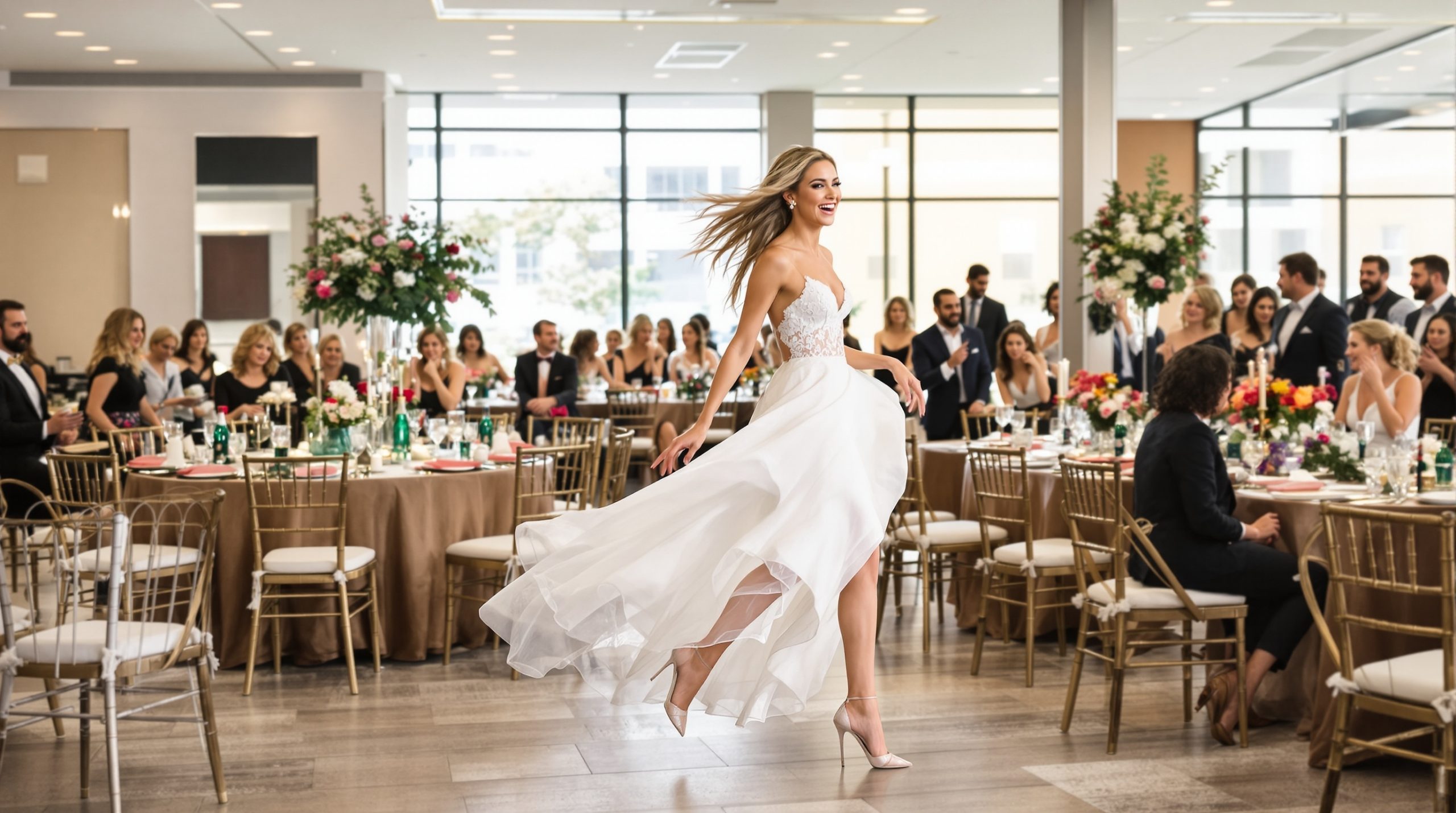
You’re obsessing over wedding minutiae—believe me, guests won’t care if your napkins match bridesmaid dresses. They want a blast at the reception and a meal they don’t Insta-shame. Channel your CEO-level skills: simplify the endless details, prioritize crowd-pleasers, and stop perfectionism dead in its tracks. Flashy menus mean squat if you spiral into decision fatigue. Pivot to a strategic plan: streamline, execute, and use checklists like a pro. Want the lowdown on wedding zen? Buckle up.
The thesis (what people get wrong)
Let’s cut through the noise: too many couples get lost in the wedding details that don’t matter. You’re juggling work and wedding planning, so it’s essential to strategically streamline your wedding detail perspective. Recognize the guest vs couple priorities mismatch—while you may focus on niche vendors and personal touches, guests often value the essentials like good food and a lively reception. The detail importance reality is that guests won’t remember the color of your napkins or your signature cocktails. They’ll remember the fun and connection. According to practical wedding catering tips, focusing on simple, crowd-pleasing food and seamless service makes a stronger impression than elaborate menu choices. Pivot your planning approach—prioritize what gets the job done: entertainment, catering, and genuine interaction. Move away from overemphasizing low-impact elements. Next step? Create a checklist to align your plan with guest priorities and execute efficiently. It’s worth noting that 75% of couples prioritized guest experience, suggesting a growing trend towards focusing on what truly makes a wedding memorable for attendees.
Why this happens (the real root causes)
When you strip away the glitter and tulle, the root causes of wedding planning stress are as clear as your morning espresso shot. Detail obsession and guest perception pressure can make your wedding feel like a high-stakes board meeting. Here’s why you’re on edge:
Detail obsession and guest perception pressure can turn your wedding into a high-stakes board meeting.
- Perfectionism and High Expectations: Your inner critic elevates anxiety, driven by societal pressures and personal standards.
- Decision Fatigue and Cognitive Overload: Weighing countless options can leave your brain feeling like it’s run a marathon—without the medal. Financial pressure can exacerbate this fatigue, as staying within a comfortable budget during wedding planning is crucial to maintain mental well-being.
- Performance and Commitment Anxiety: Speaking vows before guests amps up the stress, compounded by the enormity of marriage.
What to do instead (the better framework)
While the pressure to create the “perfect” day can feel like a never-ending corporate merger, there’s a smarter way to pivot your wedding planning strategy. Think like a project manager—prioritize what truly matters. Here’s how to streamline your planning:
- Focus on Guest Experience: Elevate entertainment and food; 75% of couples agree it’s essential. Invest in what guests will remember, like interactive bars and tailored décor. Since the average wedding size is currently 131 guests, optimizing their experience becomes crucial. Interestingly, research from Cornell University suggests that wedding spending and marriage duration may be linked, indicating that how you allocate your budget could have long-term effects.
- Optimize Guest Count: Aiming for micro weddings can enhance quality. With 34% choosing this route, it’s a strategic move for intimacy and cost control.
- Leverage Vendors: Let pros handle the chaos. Over two-thirds find relief in vendor support, ensuring a seamless guest experience.
Ready to execute efficiently? Define priorities and let the hustle begin.
How to apply it in real life
Imagine you’re juggling work deadlines and wedding invites—sound familiar? Here’s the play: instead of fretting over DIY centerpieces, allocate your budget strategically and hire a day-of coordinator who gets the job done. When your calendar’s packed tighter than a Manhattan subway, lean on a digital planning app for streamlined decisions and let your curated cool shine through smart shortcuts. Research from Purdue University Cooperative Extension emphasizes the value of smart wedding budgeting to help couples prioritize expenses and reduce financial stress. In 2023, the average wedding cost for 145 guests was $33,957, highlighting the importance of smart budgeting to manage expenses effectively.
Example 1: a common scenario + the better move
Faced with a mountain of wedding details, many couples find themselves in the chaos of guest overload—a scenario where the sheer number of decisions feels like a relentless tidal wave. You’re not alone; 71% of couples are blindsided by decision overload. The better move? Streamline. Create a wedding website—62% of couples do this for a reason. It’s your command center for dates, venues, dress codes, and RSVPs. Embrace tech with planning apps, making guest management a breeze. When you’ve got 15 months of engagement, start planning early—12 months is ideal. This isn’t a Pinterest board; it’s your life. According to research on family dynamics and wedding planning, open communication with your family about priorities can reduce stress and help you feel more in control. Pivot to prioritize. Cut the fluff. With more than half of couples initially budgeting under $10,000 for their entire wedding, it’s crucial to make intentional choices. Your guests won’t remember napkin colors, but they’ll appreciate a seamless experience.
Example 2: a high-stakes scenario + the better move
Steering the high-stakes world of wedding planning without losing your sanity? Let’s talk vendor coordination. With 84% of brides stressed pre-wedding, a vendor mishap can feel like a ticking time bomb. Beat the chaos by delegating—hire vendors offering in-house services to streamline the process. Over two-thirds of couples find vendor guidance relieves stress, and clear communication is non-negotiable. Execute a strategy where vendors know your timeline, budget, and vision. Applying project management principles from MIT OpenCourseWare can help you break down the event into manageable phases, ensuring no detail is overlooked. Pivot from overwhelm to control—your wedding, your rules. Financial concerns contribute significantly to stress levels, so staying within your budget is crucial for reducing anxiety.
Reality Check: Even with the best vendors, surprises happen. Stay nimble, keep communication lines open, and have a contingency plan. Vendors can’t read minds—spell it out and hold them accountable. Want less stress? Leverage vendor expertise to gain time and peace.
Example 3: a ‘we’re busy’ scenario + the better move
Ever wonder how you’re supposed to juggle wedding planning with a full-time job and, well, life? Here’s the deal: 94% of you feel stressed because wedding planning is a second job. You’re not alone. The reality? You’re spending six hours weekly on details. Let’s get smart: delegate. Vendors aren’t just an expense; they’re life-savers. They execute, so you don’t have to. Use in-house venue services—streamline tasks. Nutritious meal planning can also play a key role in supporting your energy and wellbeing during the busy wedding prep season. Cut the fluff with planning courses like Gilchrist Brides Club—strategize, don’t improvise. Communication and effective time management strategies are essential for reducing planning-related stress. Communicate openly, set non-negotiables, and create mental health boundaries. It’s not about being a hero; it’s about being efficient. Next step? Grab a checklist, prioritize, and let others do the heavy lifting. Time is money, after all.
Counterpoints (when the old way is actually fine)
While the allure of unconventional weddings gains traction, don’t underestimate the power of a traditional ceremony—sometimes the old way gets the job done. Traditional weddings carry strategic advantages that can’t be ignored:
- Psychological Reassurance: A formal setup offers predictability, reducing pre-wedding anxiety and boosting confidence in your choice of partner. Couples in Los Angeles County should also be aware of marriage license requirements, which can be more straightforward for traditional ceremonies.
- Guest Expectations Satisfaction: Familiar rituals and large gatherings meet cultural expectations, making your guests comfortable and engaged.
- Cultural Family Value Preservation: Honoring heritage through traditional elements fosters family unity and keeps traditions alive. Despite the increasing trend towards unique vendors and alternative venues, it’s important to remember that traditional settings often hold a sentimental value that resonates deeply with families and communities.
Metrics don’t lie; 60-80% of first-time marriages are traditional, showing the format’s enduring appeal and effectiveness. Sometimes, pivoting back to basics isn’t just nostalgic—it’s a non-negotiable strategy for success. Execute with precision, and embrace the tried-and-true.
Action plan (do this next)
To kickstart your wedding planning with the precision of a seasoned project manager, let’s cut through the noise and focus on what really moves the needle. Here’s your action plan: make intentional decisions, use digital tools, and prioritize spending that resonates with your vision.
Kickstart your wedding planning with precision; focus on intentional decisions, digital tools, and smart spending.
- Decision-Making: Start with your venue and vision—these anchor your entire budget and timeline.
- Digital Tools: Leverage wedding planning apps and websites. They’re non-negotiable for a streamlined experience and keep you on track without the fluff.
- Spending Priorities: Allocate funds smartly. Invest in what creates lasting memories—photography and a killer venue come first.
For help finding the perfect place and trusted professionals, explore a wedding location marketplace and vendor directory to compare the best options quickly.
Visual summary you can share

A wedding is more than a big day—it’s a strategic project that demands clarity and precision. Efficiently manage your details with a visual summary that gets the job done. Create a streamlined snapshot highlighting key stats: 70% prioritize personalization, 90% plan online, and 71% face decision overload. Use infographics to break down budgets and timelines—allocate 8-10% to flowers, typically 5.7 months in advance. Leverage your wedding website as a dynamic hub—52% use planning apps, 50% share info online. Your guests care about the vibe, not the minutiae, so focus on strategic execution. Ready for a reality check? Overplanning can derail momentum—stay agile. Your next step: Draft a visual roadmap that captures your vision and keeps you on track. According to Columbia University research, consumer economics play a major role in shaping wedding spending decisions and can help couples prioritize what truly matters. {img} Suggestion: Wedding planning infographic. {save_text} wedding_planning_infographic
FAQ
FAQs can feel like a checklist of chaos, but we have your back with smart strategies to execute under pressure. If family or vendors start pushing back, remember that your vision is non-negotiable—strategically communicate, and stick to your timeline. Made a ‘wrong’ decision? No sweat—pivot with a streamlined plan and get your partner aligned by sharing clear goals; the easiest win today? Realign priorities with a quick checklist. According to U of M research on couple decision-making, involving your partner early and often leads to more satisfying choices and less stress throughout the planning process.
What if my family/vendors push back?
When your family or vendors push back, it’s like trying to steer a ship through a storm while juggling flaming batons. It’s crucial to navigate these waters with precision and confidence. First, clarify your must-haves versus nice-to-haves. Use a streamlined checklist to identify non-negotiable elements. When vendors resist, it’s often due to rising costs or market misalignments. Approach negotiations strategically—know your budget metrics and stick to them. For family, present a clear plan and budget breakdown to align expectations. Remember, transparency builds trust. If vendors play the urgency card, don’t be swayed; assess their reviews and reputation. Ready to pivot if needed? Consider alternative vendors or DIY solutions for more control. Stay focused—your wedding is a project to be executed, not a stress fest.
What if I already made the ‘wrong’ decision?
Ever feel like you’ve already screwed up your wedding plans? You’re not alone, and it’s not the end of the world. Mistakes happen, but you can pivot strategically. First, assess the impact: Is your timeline overcomplicated or guest list overstuffed? Identify where you’ve overcommitted or overlooked essentials. Next, review those contracts—hidden fees can sneak up. Did a trendy Pinterest element blow your budget? Trim the fat, and stick to what’s non-negotiable. Prioritize essentials like venue logistics over minor details. Adjust expectations: Let go of unrealistic family opinions and embrace backup plans. Finally, seek alternatives. Delegate tasks and track expenses with spreadsheets. Remember, it’s all about executing a streamlined plan that reflects your true priorities. Now, let’s move things forward.
What’s the fastest way to course-correct?
If you’re wondering how to unfurl a wedding crisis without breaking a sweat, you’ve already taken the first step toward sanity. Here’s how to pivot with kinetic precision. First, prioritize key elements by creating a planning compass outlining your top three must-haves. Align your budget with these priorities to avoid unnecessary chaos. Next, build a flexible timeline—your high-level 12-18 month plan should include buffer times to absorb any hiccups. Maintain backup plans with a list of alternative vendors and a Plan B for outdoor events. Finally, enhance communication systems using project management tools for seamless execution. Need a pro? Hiring a savvy planner early can streamline the chaos. Remember, it’s about strategic execution, not wedding fairytales. Ready? Move.
How do I get my partner aligned?
Wondering how to get your partner on the same wedding page? Start by identifying shared goals. Determine your top three values—like intimacy, great food, or low stress—and let these guide decisions. Practice active listening; use “I” statements to express feelings, avoiding blame. Empathize with your partner’s perspective during heated discussions. Compromise strategically on negotiables. Tier your guest list to prioritize must-invites and find a middle ground. Set clear boundaries and communication protocols to streamline decisions. Regular check-ins help maintain alignment. If tensions rise, consider a neutral third-party planner to mediate. They’ll make sure decisions flow smoothly without compromising core values. Ultimately, your wedding is about executing a celebration of your love, not sweating the small stuff. Keep it sharp, keep it moving.
What’s the easiest win I can do today?
Aligning with your partner? Start with a quick win: tackle the GuestListFinalization. No fluff, just action. Compile complete mailing addresses for all invitees—it’s a straightforward task that sets the foundation for everything else. Confirm invitation wording and schedule your invitation pickup or delivery date. Done and done.
Next, accelerate VendorConfirmations. Reconfirm dates and times with all vendors—florists, caterers, DJs. Simple, essential, and non-negotiable.
For an added boost, streamline your AttireAndEssentialsPrep. Conduct final dress fittings and pack your emergency kit. Think sewing kit, snacks, and backup shoes.
Actionable next step: Block a 30-minute power session today to execute these tasks. Moves made today gain momentum for tomorrow. Let’s pivot from overwhelmed to over-prepared.
Key takeaways
Let’s cut through the fluff: wedding planning isn’t for the faint-hearted, but you’re not here for a fairy tale. You’re steering through $32,000 in average budgets, with a laser focus on photographers, open bars, and venues. The 6 hours you spend weekly on planning? That’s just par for the course. But let’s be real:
- 80% of planning happens online, so leverage digital tools.
- 37% hire planners—a strategic move for sanity.
- 62% create wedding websites to streamline guest info.
The hustle doesn’t stop; it pivots. With 71% feeling unprepared for decision volume, your best friend is a well-executed plan. Reality check: the perfect wedding doesn’t exist, but a strategically streamlined one does. Next step? Prioritize like a pro and breathe.