

Execute professional-level DIY wedding invitations with a strategic edge. Start by selecting a design template from Canva, ensuring visual cohesion with a complementary color scheme. Print on 220 gsm cardstock at a professional center. Assemble using a paper trimmer and include personalized touches like wax seals. Limit fonts for clarity and maintain size with traditional A7 dimensions. Stay nimble with a detailed timeline—design ahead, mail on time. By taking a streamlined approach, you’ll unravel more strategic insights.
What you’ll accomplish (and what ‘done’ looks like)
Your DIY wedding invitations aren’t just a project—they’re a strategic move in your wedding planning timeline. By leveraging professional DIY stationery, you’ll gain control over your invites without compromising on quality. Access platforms like Canva for templates that are anything but basic; think minimalist chic or vintage cool. Use diy invitation tips like selecting eco-friendly, 100% recycled cards or adding a metallic leaf for that luxury finish. You’re not just assembling paper; you’re crafting an experience with personalized wax seals and hessian strings for rustic flair. These aren’t just invites—they’re your brand statement, executed with precision. When you reveal to guests that you made these, expect jaws to drop. Next steps? Secure those templates and start assembling your creation masterpiece. For a professional touch, consider using a paper cutter for precise cutting of materials.
Quick start (the short version)
Ready to kickstart your DIY wedding invitation journey? Let’s get those homemade invitations rolling with speed and precision. Here’s a streamlined plan to get you from idea to execution:
Kickstart your DIY wedding invitations with speed and precision using this streamlined plan.
- Select a Template: Search “Wedding Invitation” in Canva. Choose from over 20,000 modern, minimalistic, or vintage styles. Customize words, fonts, and colors in Corjl for that personal touch. Remember to align the selection with your wedding colors or personal style for a cohesive theme.
- Gather Materials: Use 220 gsm cardstock for sturdy invites. Print at a professional center to skip home trimming hassles and execute with finesse. Make sure to use customizable templates to enhance the overall design and match your wedding theme.
- Cut, Score, and Assemble: Trim with a paper trimmer for clean edges. Score with a bone folder and fold precisely. Attach layers with double-sided tape for a polished finish.
Ready for the next step? Let’s pivot to the essential inputs you’ll need!
Before you start: inputs you need
Let’s get those creative juices flowing by focusing on what you’ll need before crafting your DIY wedding invitations. First, align your design elements with your wedding theme to guarantee a cohesive aesthetic. This includes:
- Color scheme selection: Complement your wedding decor and create visual cohesion across all stationery.
- Font choices: Opt for readability and a formality level that enhances visual appeal.
- Decorative embellishments: Incorporate wax seals or ribbons for personalized touches.
Remember to prioritize the guest experience by considering high-impact areas such as the quality of paper and print, which can significantly enhance the aesthetic of your invitations. Don’t forget the essentials—names, dates, RSVP info, and logistics. Select high-quality paper stock and verify your card size adheres to traditional A7 dimensions. Typically sized at 5×7 inches, the main invitation should fit perfectly in an A7 envelope, ensuring a professional presentation. Strategically plan your envelope specs for a polished look. Remember, proper execution means weighing your suite for postage. Now, gather these inputs and get ready to execute your vision!
Step-by-step process
You’re ready to hit the ground running with your DIY wedding invitations, but first, let’s clarify your constraints—date range, budget ceiling, and those non-negotiables that can’t slip through the cracks. Next, strategically build your decision order to make everything else a breeze, and create a timeline with milestones and deadlines that keep the momentum going. From there, execute vendor outreach with precision scripts and tracking, and lock in your plan with contracts, deposits, and contingency buffers that guarantee nothing derails your progress. Consider using free printable wedding invitation templates available online to simplify the design process and inspire creativity in personalizing your invitations. To maintain momentum and focus, use timelines and checklists to manage all aspects of wedding planning efficiently.
Step 1: Clarify constraints (date range, budget ceiling, non-negotiables)
When you’ve got a career to manage and a wedding to plan, there’s no time to dabble in indecision. Start by nailing down a wedding date—your entire timeline pivots on this. Invitations go out 6-8 weeks before the wedding; RSVPs must be back 4-6 weeks ahead. Strategically plan your budget. Prioritize spending where it matters most. Want to save? Postcard RSVPs cut costs. Cut optional items like menu cards if the budget’s tight. Get clear on guest list priorities with a tiered system. Must-haves, would-love-to-haves, and nice-to-haves streamline decisions. Clarify policies on plus-ones and child-free zones; consistency is key. Discuss expectations with financial contributors to avoid any surprises. Consider booking timelines for vendors to keep your planning on track. To make the invitation process smoother, use technology to gather information and send invites efficiently. Ready to gain momentum? Let’s move to the next step.
Step 2: Build the decision order (what to decide first so everything else is easier)
Before you dive headfirst into the whirlwind of wedding planning, let’s talk strategy. Start by deciding on your invitation design style—it’s your foundation. Will you go custom or choose a ready-to-go portfolio? Custom designs need a head start with consultations and creation, while portfolio options move straight to printing. Next, finalize your guest list 10 months out. This step is non-negotiable for a streamlined process. Order extra invitations to dodge last-minute headaches. Then, select your materials and finishings early—think fine paper and luxe ribbons. All choices here impact your timeline, so get samples for accuracy. Once these decisions align, you’re set to order the invitations with confidence. Keep in mind that hidden costs like permits can arise unexpectedly, impacting your budget. Booking popular stationery designers may require early deposits. Ready for next steps: timelines and milestones.
Step 3: Create the timeline (milestones + deadlines)
Once you’ve nailed down your invitation style, it’s time to roll up those sleeves and map out your timeline like a boss. Start with milestones: request invitation samples 6-8 months ahead, finalize designs and order 4-5 months in advance. If you’re going fancy with foil, aim for the 8-month mark. Booking a designer? Do it 7 months out, or a year if you’re in peak season. Preparation is key—receive, weigh, and assemble invitations 2-3 months prior. For mailing, aim for 6-8 weeks before the wedding, adding buffer for postal delays. For a wedding budget overview, ensure that the cost of invitations aligns with your overall financial plan. For destination weddings, send invitations 12 weeks in advance to allow guests to make necessary travel arrangements. RSVP deadlines? Set them 4-6 weeks out for locals, longer for travelers. Pivot smoothly with tracking RSVPs, ensuring you’re two steps ahead. Next up: executing vendor outreach.
Step 4: Execute vendor outreach (scripts + tracking)
You’ve mapped out your timeline like the project management pro you are, now it’s time to execute vendor outreach with the precision of a NASA launch. Compile your vendor list from reliable sources like The Knot Vendor Marketplace—because a spreadsheet is your best friend here. Craft personalized inquiry scripts that pop: greet vendors by name, mention your venue and date, and express genuine enthusiasm for their work. Keep it real with a three-part template for seamless communication. Fire off those emails via centralized platforms to streamline responses. Use tracking tools like Loverly Vendor Manager to monitor replies and follow-ups. Missed responses? Resend within 1-2 weeks. Remember, efficiency is your secret sauce. It’s important to set payment schedules with non-negotiable due dates and grace periods. The next step? Prepare for contracts and deposits to lock it all in. It’s important to note that formal invitations to vendors are not required, as vendors are contracted to work rather than attend as guests.
Step 5: Lock the plan (contracts, deposits, and contingency buffers)
When it comes to locking down your wedding plan, contracts are your non-negotiable safety net. They steer the chaos into a streamlined, manageable process, ensuring every promise gets executed. Clearly outline every detail, from overtime fees to floral arrangements—no room for vague terms here. Secure vendor approval for any surprise charges, and don’t skip confirming their insurance. For deposits, consider a non-refundable booking fee and a payment schedule that aligns with your cash flow. Cancellation policies should cover all bases, including force majeure scenarios. Don’t skimp on liability coverage—verify vendor insurance and consider wedding insurance for peace of mind. Set contingency buffers for unexpected expenses. Understanding pricing methods like cost-plus and target pricing can help you avoid hidden costs. Your next moves? Get these documents ready and lock those plans!
Step 6: Run weekly check-ins (how to stay on track without spiraling)
Weekly check-ins are your secret weapon for keeping the wedding planning train on the tracks without veering into chaos. Schedule these mini-meetings with your partner, and treat them like non-negotiable appointments. You’ll align on budget, guest list, and decor—keeping everything strategically executed. During these sessions, discuss concerns, celebrate progress, and divide upcoming tasks. This approach guarantees details don’t get lost in daily life’s hustle.
Utilize a streamlined checklist to keep discussions focused on priorities. Remember, clarity moves mountains (or at least gets your guest list sorted). Open communication with family can alleviate planning stress and ensure everyone is on the same page. These check-ins accelerate progress and prevent spiraling. Actionable next steps? Confirm RSVPs, finalize timelines, and share updates with vendors. Pivot and adjust as needed—precision isn’t just for rocket science, it’s for wedding planning too.
Template you can copy/paste (checklist + tracker)
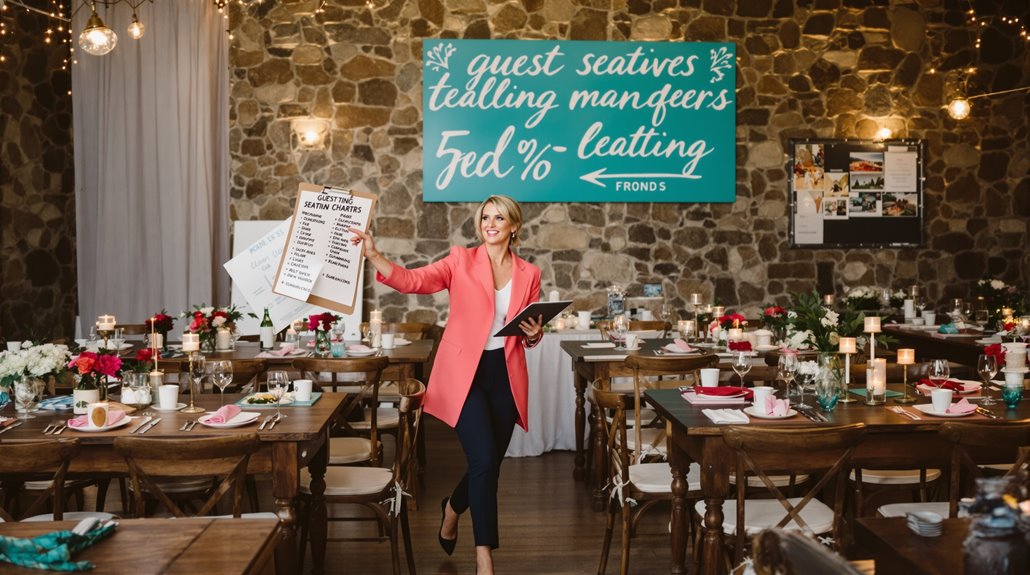
Let’s dive straight into the engine room of your wedding planning: the template you can copy/paste to keep your guest list and invitations in perfect sync. First, fire up an Excel spreadsheet. Track names, addresses, and relationships like a pro. Strategically note dietary restrictions and gifts. Categorize guests by event type—rehearsal dinner, reception, all that jazz. Import addresses for speed, export for vendor ease.
Now, invitation tracking—log invites sent, received, confirmed. Automate response rates and countdowns for follow-ups. Customize your templates to integrate digital invites and RSVP links.
Pull in RSVP monitoring. Record attendees, meal choices, and plus-ones. Send automated reminders and track everything centrally. Finally, link this powerhouse to your wedding timeline, marking tasks and managing costs like a boss. To ensure smooth operations throughout, secure vendor contacts early and maintain clear communication.
Common mistakes (and how to avoid them)
Maneuvering the DIY wedding invitation scene can feel like a high-stakes game of Jenga, where one misstep sends everything toppling. But don’t worry—you’ve got this. Avoid these pitfalls for invitations that scream “curated cool” without the chaos.
- Botched Paper Choices: Thin paper jams printers or smudges designs. Stick with 80 lb or 100 lb cover cardstock for a professional feel. Smooth or lightly textured options guarantee crisp print quality.
- Printer Testing Blunders: Skipping test prints? Rookie move. Use plain paper first to adjust margins and verify layout. Preempt color surprises between screen and print.
- Cutting Catastrophes: Say no to scissors. Invest in a paper trimmer for straight lines. Overusing ribbons? That’s a money pit. Keep it simple; extras just for test runs.
Ready? Now execute with precision!
FAQ
Let’s cut to the chase: your DIY wedding invites should be executed efficiently without derailing your schedule. If you’re pressed for time, focus on a streamlined version with high-impact elements like quality cardstock and wax seals—because who cares about frills if it gets the job done? Delegate tasks like envelope stuffing to friends with good Netflix queues, and if a vendor isn’t responding, pivot your strategy and track weekly progress using a simple checklist to stay on top of everything.
How long should this take if we’re busy?
How do you efficiently navigate the chaos of DIY wedding invitations when your schedule’s already packed tighter than a carry-on? Here’s the game plan: Start 8 months early. Design takes weeks, so use online templates to fast-track this phase. Order invitations 5 months out and give yourself a 1-month buffer because life loves surprises. Printing and production need 1-2 months, and addressing envelopes demands another month. Busy season? Begin 2 weeks sooner. RSVP deadlines require a 3-4 week cushion. Get strategic—order extras and lean on printer assembly services. Digital save-the-dates? They’re a time-saving godsend. Execute these moves with hustle, and you’ll have your professionally polished invites ready 6-8 weeks before the big day. Now, get moving!
What’s the minimum version that still works?
When you’ve got a tight schedule and even tighter patience, the bare minimum still needs to pack a punch. Let’s execute a streamlined approach using Canva or Adobe Express. Both offer beginner-friendly templates that are strategically designed to guarantee your invites look polished, not Pinterest-perfect. Start with a template that captures your vibe and customize key elements—names, dates, and venue. Don’t get bogged down in fluff; focus on the essentials. Export your design as a high-resolution PDF for hassle-free printing at home or a local print shop.
Reality Check: Your invitations won’t have letterpress luxury, but they’ll get the job done without stress. Prioritize clarity and function over unnecessary frills, and you’ll save time while maintaining your curated cool.
What can I safely delegate?
Delegating wedding tasks isn’t optional—it’s your secret weapon. Streamline your invitation assembly by enlisting trusted friends or family to stuff, stamp, and address envelopes. Make it a lively affair with music or entertainment; multiple hands accelerate progress. For RSVP tracking, tap an organized ally to manage a spreadsheet of responses. They can follow up with non-responders and handle inquiries, sparing you endless emails. Pre-wedding coordination? Assign someone reliable to confirm vendor details and timing. This keeps your focus sharp where it counts. On the big day, delegate a point person to handle vendor questions and guarantee smooth execution. Your mission? Stay strategically positioned, knowing tasks are handled efficiently. Next steps: Create a list of potential helpers and reach out.
What if a vendor isn’t responding?
You’ve got your delegation game on point, but hold up—what’s with radio silence from your vendor? It’s a hiccup, but let’s pivot and get strategic. First, double-check that your inquiry didn’t hit their spam folder. Vendors can be swamped, but it doesn’t mean you’re left hanging. Fire off a concise follow-up email—make it irresistible to ignore. If that doesn’t get you traction, slide into their social media DMs where 70.5% of vendors engage. Still crickets? Time to reconsider: budget mismatch or over-committed vendor? Don’t waste time; have a backup. 50% of couples book the first responder. Stay in the driver’s seat—your wedding’s a project, not a daydream. It’s your call to execute smartly.
What should I track weekly?
While it might feel like juggling flaming swords, tracking your weekly wedding tasks is non-negotiable for a seamless event. Start with RSVPs: follow up, track, and compile them into a spreadsheet. Don’t wait—pivot to vendor confirmations. Weekly check-ins verify everyone’s aligned on timelines and details. Next, strategically update your final preparations timeline. Add buffer times and send drafts to vendors. Attire and beauty trials? Schedule fittings, book trials, and track beauty treatments. Execute logistics like a pro—prep envelopes for payments, confirm rooms, and arrange transportation. Keep your budget on track and draft seating charts as RSVPs finalize. Each move you make accelerates your momentum. Next step: set weekly goals and tackle them with precision.
Key takeaways
Executing DIY wedding invitations isn’t just about saving a few bucks—it’s a masterclass in efficiency and personalization that requires strategic thinking. Here’s how you can pull it off with zero fuss:
- Design Principles: Limit fonts to two or three to keep it neat. Match colors to your wedding theme for a cohesive look, and guarantee text contrast for readability. Choose serif or handwritten fonts for main text impact.
- Customization Elements: Personalize with monograms, wax seals, or custom envelopes. Add graphics like florals or venue illustrations, and elevate with ribbons or vellum jackets.
- Professional Finishes: Use specialty paper and match envelope design. Add interactive elements like maps or photo inserts for a polished suite.
Now, grab that checklist, and let’s get this show on the road!