
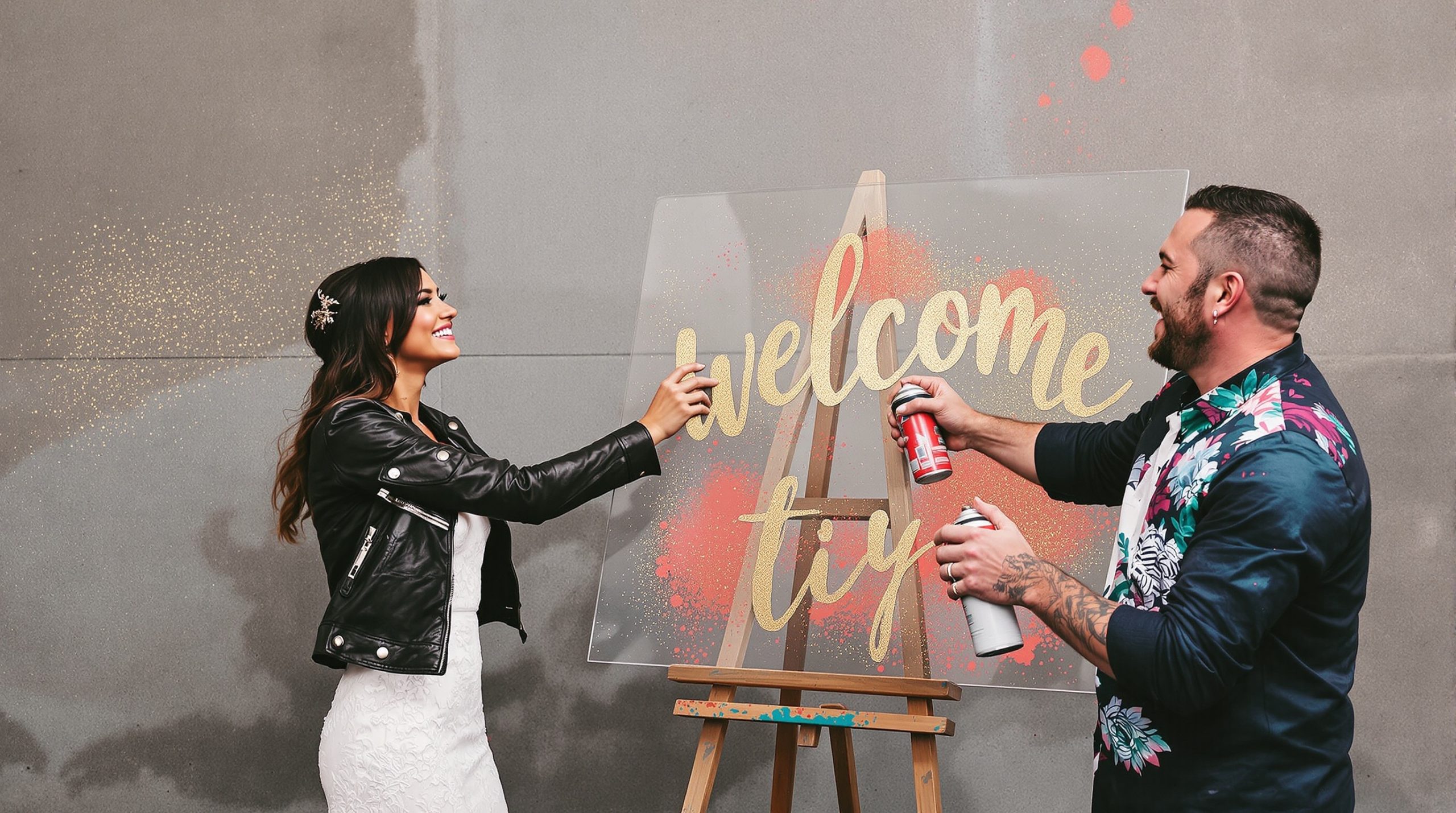
Nail DIY wedding signs with tactical precision. Ditch amateur aesthetics by executing clean layouts using tools like Adobe Illustrator and delivering professional finishes via Cricut vinyl cutters—zero fluff here. Prioritize cohesive themes with strategic material choices: opt for wood or acrylic that scream elegance. Stick to essential signs: welcome, seating, and directional, using streamlined templates. Delegate the busy work, respect your timeline, and let signs enhance flow, not chaos. Keep that project status ‘on track’—because, work in weddings, right? Dive deeper for next steps.
What you’ll accomplish (and what ‘done’ looks like)
You’re here because you’re ready to execute wedding signs that don’t just look good—they strategically elevate your event’s vibe without the fluff. With professional DIY signage, you’ll create quality DIY signs that scream “executed with precision.” Clean fonts and sleek materials like foam board or acrylic guarantee your signs mimic a high-end finish. Use these DIY sign tips: layer vinyl or paint on canvases for depth, and mount them on easels for a polished look. Consistent themes matching your mood board will keep everything cohesive. Remember to allocate 80% of your budget to high-impact areas like your venue and catering, ensuring you have the resources to invest in quality materials for your signs. Be mindful of the timeline and free time you have available, as wedding planning can be stressful, and successful DIY projects require ease of materials and minimal hassle. Forget the fluff—focus on what gets the job done. Preview designs in Canva to match dimensions, and verify your SVG layers are spot-on. Ready to move forward? Grab your materials and start creating signs that boast both form and function.
Quick start (the short version)
Think efficiency meets artistry with these streamlined steps to nail your DIY wedding signs. Forget fluff—it’s all about executing homemade signs for weddings that scream professionalism without the designer fee. Start with a simple, elegant design that aligns with your wedding theme. Trust in tools like VistaCreate or Adobe Illustrator for clean layouts. Use Cricut machines to cut Smart Permanent Vinyl and print on foam board for a polished look. Wedding signs are handy logistic tools that guide guests and enhance event flow.
Efficiency meets artistry with DIY wedding signs that exude professionalism without the designer price tag.
- ChooseSimpleDesigns: Stick with clean fonts and minimal elements. Templates are your best friend.
- SelectQualityTools: Cricut for vinyl, foam boards from Staples, and a sewing machine for finishing touches. Silhouette cutting tools are also excellent for DIY wedding projects.
- OutsourceForProFinish: Consider professional printing for complex designs to save time.
Strategically execute each step, and your signs won’t just get the job done—they’ll do it with flair.
Before you start: inputs you need
To kick off your DIY wedding sign adventure, nail down these non-negotiable inputs before diving into design. First, strategically align your signs with the overall wedding theme for a cohesive look. This means:
- Design Theme Elements: Match fonts, colors, and layouts to your wedding’s mood board. Think neutral tones and clean fonts for a modern vibe.
- Size and Visibility Specs: Confirm signs are visible and legible. Large statement signs, welcome signs, and seating charts have specific dimensions for a reason.
- Materials and Display Options: Choose materials that suit your theme—wood for rustic, acrylic for sleek modernity. Consider using sustainable options from suppliers who offer eco-friendly materials to enhance your wedding’s aesthetic while being environmentally conscious. Utilize a wedding location marketplace to explore unique venues that may inspire your sign designs.
These inputs confirm your signs aren’t just pretty—they’re functional. Next, grab a checklist and timeline to keep your project moving. Remember, you’re executing a vision, not just dreaming it.
Step-by-step process
Let’s kick this project off by clarifying your constraints—think date range, budget ceiling, and those non-negotiables you won’t sacrifice. Next, strategically build your decision order; prioritize choices that make everything else smoother, like choosing materials before designs. Finally, create a timeline with killer milestones and deadlines that keep your wedding sign chaos controlled and purposeful—because who needs stress when you’ve got precision on your side? With the help of AI tools, you can simplify the design process and make quick and easy design decisions, allowing more time for personal touches. Remember, vendor availability can greatly impact your timeline, so planning ahead by 6-9 months can make all the difference in securing the resources you need.
Step 1: Clarify constraints (date range, budget ceiling, non-negotiables)
When it comes to planning your dream wedding, the first step is nailing down those pesky constraints—after all, nothing accelerates your planning like a rock-solid foundation. Start with the date range: an 18-24 month timeline offers flexibility, while a 12-month countdown keeps you on your toes. Strategically set your budget ceiling; think regarding contributors and expense priorities. With the average wedding costing $33,000, every decision pivots around this figure. Identify your non-negotiables—whether it’s a live band or that one-of-a-kind venue. These elements dictate your financial game plan. Keep your guest list tight—aim for 25-50 to streamline costs. Use spreadsheets to track every penny. Popular venues book 12-18 months in advance, especially during peak seasons, so securing your venue early can help dictate other planning details. Consider trimming the guest list by 29 guests to significantly reduce expenses. Bless and stressed? No thanks. You’re building momentum. Next, decide order for smooth execution.
Step 2: Build the decision order (what to decide first so everything else is easier)
You’ve locked down your constraints, and now it’s time to execute a decision order that’ll make your wedding planning as smooth as a well-oiled machine. First, pinpoint the sign types you’ll need—welcome, menu, seating charts. This decision drives everything else. Next, select your materials. Think wood for rustic charm or acrylic for a sleek edge. Match the materials to your overall wedding aesthetic. Once that’s set, decide on the size and placement of each sign. Bigger isn’t always better; it’s about strategic visibility. Finally, choose your design elements. Keep it simple yet bold. Prioritize legibility over frills. Align shared priorities with your partner to ensure the design resonates with both of you. This approach streamlines your process and guarantees each decision supports the last, accelerating execution. Ready to conquer the next step?
Step 3: Create the timeline (milestones + deadlines)
Creating a timeline is your secret weapon—it’s what transforms wedding planning from a stress-laden ordeal into a smooth-operating project. Start by mapping key milestones: when will you finalize designs, purchase materials, and complete each sign? Deadlines aren’t just helpful; they’re non-negotiable. Strategically plot these in a project management tool like Trello or Asana—because nothing accelerates progress like visualizing your hustle. Break tasks into bite-sized actions: sketching, painting, assembly. Avoid the “bless and stressed” trap by assigning realistic timeframes and buffers for the unexpected. This timeline isn’t just a plan; it’s your execution playbook. Remember, it’s not about perfection; it’s about getting the job done with kinetic precision. Consider establishing non-negotiables such as budget and dates early to help guide your planning decisions. Apply for a marriage license early to ensure all legal aspects are in place before the wedding. Ready to move mountains? Pencil in those dates and see your vision gain momentum.
Step 4: Execute vendor outreach (scripts + tracking)
Once you’ve got your timeline nailed down, it’s time to plunge into vendor outreach with surgical precision. Start by identifying potential vendors through directories like The Knot and WeddingWire. Prioritize those with availability—39% of couples face postponements due to unavailability, and that’s a non-negotiable chaos magnet. Craft personalized scripts emphasizing mutual benefits; client referrals are a networking goldmine. Email is your power move—95.1% response rate—so lead with that, but don’t ignore social media DMs and phone calls. Track every interaction using a CRM to log responses and monitor conversions. Benchmarking and negotiation strategies can be critical to securing favorable terms and pricing when engaging with vendors. Benchmark against hiring 14 vendors for streamlined success. Networking with other vendors can significantly enhance your business growth, as 78.9% actively recommend each other to clients. Keep an eye on follow-up metrics and make decisions based on data, not dreams. Now, let’s execute with kinetic confidence!
Step 5: Lock the plan (contracts, deposits, and contingency buffers)
Securing your vendors is only half the battle; now it’s time to lock in those plans with strategic contracts, deposits, and contingency buffers. Think of contracts as your wedding planning playbook—detailing costs, timelines, and what happens if the universe throws a curveball (yep, we’re looking at you, “force majeure”). Each contract should break down every cost, including hidden ones, and outline cancellation terms. Deposits? They can range from 25-50% of vendor costs, so align them with your cash flow. Payment plans should be strategic—milestones, not headaches. Oh, and always have a budget buffer for those unpredictable expenses that love to sneak up. Organize everything with vendor info and key terms summarized separately. Recognize that economic hardships typically aren’t covered under force majeure, so it’s essential to clearly define what constitutes an event that may impact your wedding plans. Now, what’s your next move? Start consolidating these details into a master timeline.
Step 6: Run weekly check-ins (how to stay on track without spiraling)
When the wedding planning whirlwind threatens to spin out of control, weekly check-ins with your partner become your lifeline. These aren’t just calendar notes; they’re your sanity savers. Strategically schedule these meetings to tackle budget, guest list, and décor head-on. Align on big-ticket items, prioritize tasks, and divide and conquer to keep momentum moving. It’s not just about putting out fires—celebrate wins, too. Keep discussions laser-focused to avoid drowning in details that don’t move the needle. Use tools like shared timelines and checklists to track progress. Regular check-ins mean fewer surprises and more control over the chaos. Your wedding plan should feel like a well-oiled machine, not a runaway train. Remember to prioritize guest comfort to enhance the overall experience and ensure your guests leave with lasting memories. Next step: sync schedules, go forth, and conquer.
Template you can copy/paste (checklist + tracker)
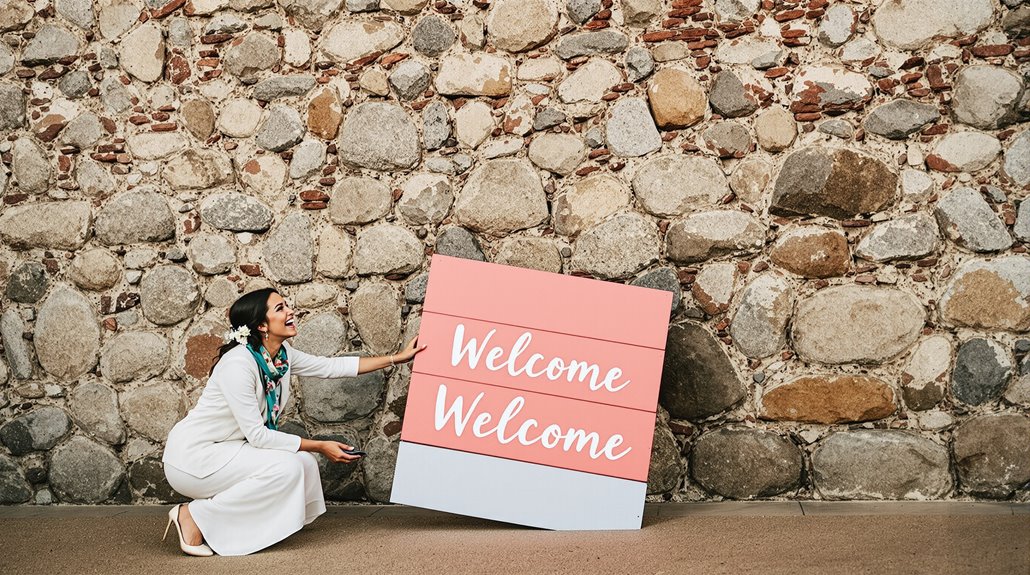
Let’s cut the fluff and plunge into what actually matters: nailing your wedding signage like a pro. You’ve got a million things to juggle, so let’s streamline this: a checklist and tracker that gets the job done. First, establish your signage budget—3-5% of your total wedding budget. Next, hit the venue for a signage inventory walkthrough. Design your templates starting with the welcome sign, and remember, consistency is king—stick to 2-3 fonts and match colors to your wedding palette. Use tools like VistaCreate or Canva for customizable templates, and test readability. Strategically choose materials that laugh at weather changes. Track your progress with our production tracker, focusing on must-haves like directional signs and seating charts. Execute each step, and you’re golden.
Common mistakes (and how to avoid them)
While dreaming about your wedding aesthetics, don’t let signage slip through the cracks—it’s a rookie mistake with major guest confusion fallout. Strategic planning and execution are non-negotiable. Here’s how to avoid common pitfalls:
- Skipping Signage Plan: Treat signs as a priority. Share your vision and details with your calligrapher early on to guarantee cohesive and functional designs.
- Overlooking Materials: Flimsy materials clash with upscale vibes. Opt for acrylic or wood for durability and class, especially outdoors.
- Inconsistent Design Elements: Mixing fonts and colors? Chaos. Stick to two fonts and a consistent color palette for a sleek look.
Execute these moves, and your wedding signs won’t just get the job done—they’ll do so with style. Time to pivot and accelerate your planning!
FAQ
Got questions? You’re not alone. Let’s knock out the big ones: How long should this take if you’re busy and what’s the minimum effort that still gets the job done? We’ll also cover what tasks you can strategically delegate without losing control, how to pivot if a vendor goes MIA, and which metrics you should track weekly to keep everything moving smoothly.
How long should this take if we’re busy?
How long does it really take to whip up those DIY wedding signs when you’re juggling a million things at once? Let’s be real—time’s a non-renewable resource. You’ll need 1–2 months minimum to design, tweak, and prep. For quieter wedding dates, 3 months should suffice, but if you’re braving peak season, plan up to a year ahead. Finalize designs 8 months out, ordering samples to guarantee first-rate quality. Handwritten signs allow last-minute pivots, unlike printed ones, which demand early commitment. Align with vendors, confirm timelines, and sneak in buffer time for the inevitable hiccup. Want it executed flawlessly? Use digital templates for streamlined customization. Now, grab your checklist and start hustling—those signs won’t make themselves.
What’s the minimum version that still works?
Cutting to the chase: when you’re pressed for time and juggling life’s controlled chaos, you need wedding signs that are as efficient as your daily hustle. Welcome to the minimum viable wedding sign: focus on three to five essential pieces—welcome, seating, and directional signs. Skip the fluff, prioritize readability. Use pre-made templates from VistaCreate for a streamlined approach. Think foam core board with high-resolution cardstock prints; nothing fancy, just what works. Lean them against props or use simple easels—who needs stands? Allocate 2-3 hours tops for execution. Proofread twice, because typos kill vibes. Pack hardware a week before the big day. Remember, it’s about function, not flair. Execute this with precision, and you’ve nailed it. Now, go conquer your to-do list!
What can I safely delegate?
You’ve nailed the art of minimum viable wedding signs, now let’s shift gears to delegation—a strategic move that keeps you sane and on track. For the high-octane couple juggling careers and wedding planning, delegation isn’t just smart; it’s non-negotiable. Start with repetitive tasks: stuffing envelopes, tracking RSVPs, and scheduling vendor appointments are prime for handoff. Delegate day-of coordination roles like vendor management and setup oversight to a trusted team. Low-investment elements? Pass those off too. Who needs to sweat playlists when your cousin’s Spotify skills are fire? Streamline your efforts by subcontracting planners or hiring assistants for emails and vendor management. Remember, smart delegation accelerates your timeline and keeps chaos controlled. Now, pivot and execute with precision.
What if a vendor isn’t responding?
When a vendor goes radio silent, it’s like hitting a red light in your wedding planning fast lane—frustrating but surmountable. First, assess if this is a pattern or a one-off. If it’s persistent, pivot quickly. Document all interactions—no room for missteps here. Follow up with a concise email summarizing your last discussion and any pending deliverables.
Stay in control: set clear expectations with timelines and deliverables from the start. If they’re consistently unresponsive, it’s time to switch gears. Strategically maintain a list of backup vendors who match your vision and have shown promptness. Your wedding is a project—execute it with precision. Remember, your time is non-negotiable. Get the job done; don’t settle for less.
What should I track weekly?
A vendor’s silence is not the only thing that can throw a wrench in your wedding planning machine. Tracking weekly tasks is your secret weapon to stay ahead. Start with vendor confirmations—details, schedules, and final headcounts are non-negotiable. Nail down attire and beauty prep: dress fittings, last beauty treatments, and breaking in those killer shoes. Then, streamline seating and guest logistics by confirming RSVPs and assembling welcome bags. Day-of prep demands packing décor, emergency kits, and honeymoon bags. Rehearsal and delegation? Execute by assigning tasks, prepping vows, and syncing with your DJ. This isn’t a Pinterest fairytale; it’s efficiency in motion. Keep these tasks moving, and you’ll pivot from planning stress to execution success. Ready? Execute and accelerate!
Key takeaways
Strategically executing DIY wedding signs doesn’t mean you’re gluing yourself to Pinterest boards for weeks. It means you’re maximizing time with smart hacks and efficient materials. Focus on professional finishes like foam insulation boards or acrylic sheets for multiple signs—these materials are your new best friends. For a touch of elegance, consider gold frames or calligraphy on thrifted mirrors.
- Tools That Matter: Canva and VistaPrint for layouts; SVG files for vinyl precision.
- Budget Moves: Use craft store finds for impactful light-up signs and digital prints to skip designer fees.
- Theme Wins: Scrabble tiles or vintage typewriter bases add fun, unique flair.
Reality Check: Avoid overcomplicating; stick to essentials like welcome and directional signs to maintain focus and budget.