
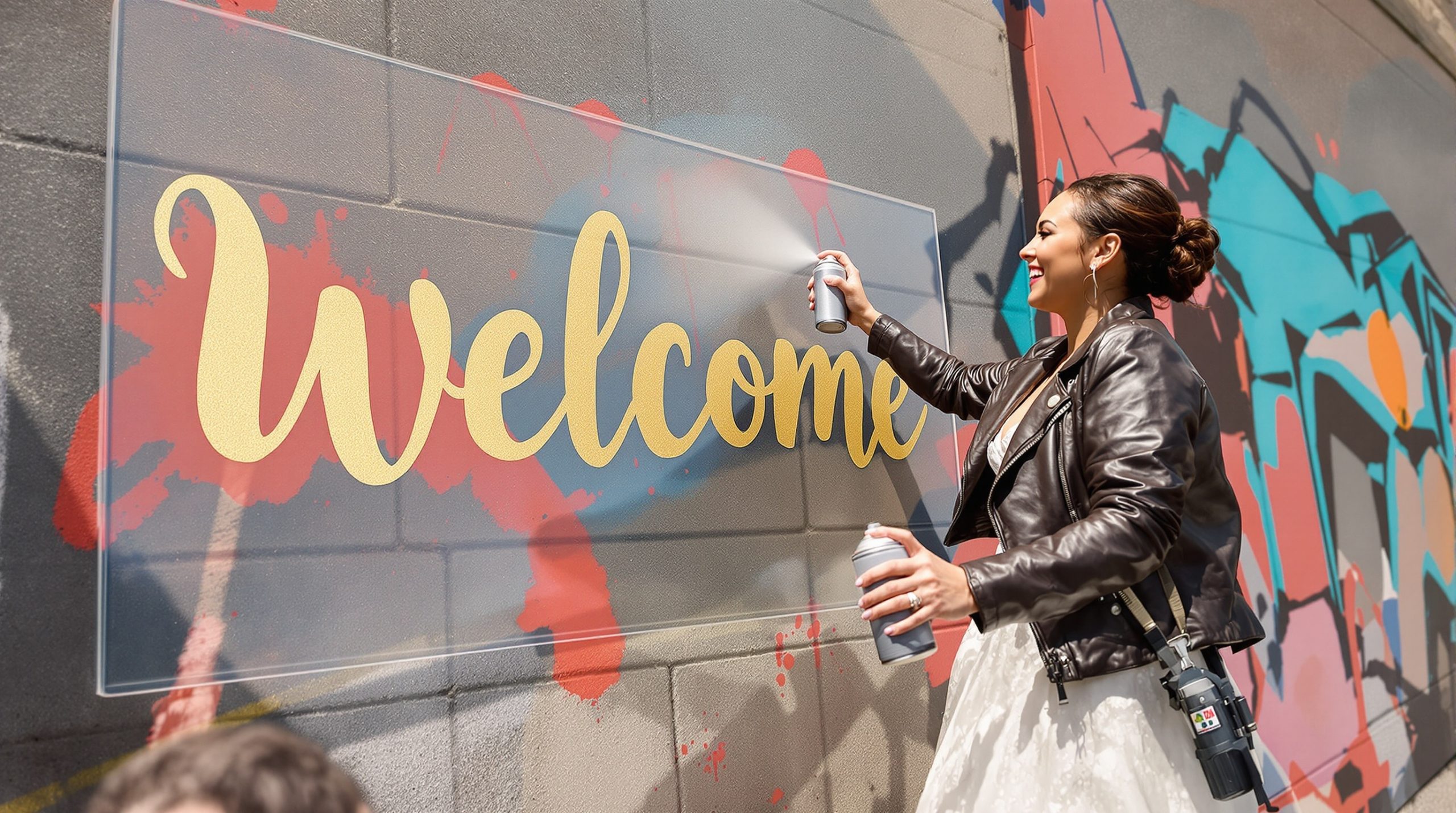
Want wedding signs that don’t scream “I DIY’d this”? Here’s your playbook. Create designs using design tools like Canva for polished layouts. Go for acrylic sheets or foam core to avoid that flimsy, homemade look. Use a Silhouette cutter for super clean edges. Apply paint over stickers for a slick reverse stencil effect. Forget hand-cutting; leave that to Etsy. It’s all about rational decisions and precision. Need even more insider tricks? There’s more gold ahead.
What you’ll accomplish (and what ‘done’ looks like)
You’re about to execute a wedding signage plan that rivals high-end decor without the high-end price tag, because who has time for overblown budgets? With professional DIY signage, you’ll achieve a bold, cohesive look that screams quality DIY signs without shouting “I made this in my garage!” Your mission? To craft signs that not only look polished but also strategically guide guests through your event with ease. Here are a few DIY sign tips: leverage foam insulation boards for cost-effective multiplicity, and make mirrors your best friend for an upscale touch. The game-changer? Digital prints and template editing in Canva to streamline production without fuss. Most importantly, evaluate the cost-effectiveness of DIY versus store-bought options to ensure you’re getting the best value for your effort. Consider using free customizable themes from an online wedding website to complement your DIY signs and add a personal touch to your event’s digital presence. Your completed setup will accelerate guest flow and branding cohesion. Now, ready your tools and pivot into action!
Quick start (the short version)
When you need to execute wedding signs with precision and speed, it’s all about using techniques that work smarter, not harder. You’re not here to create “Pinterest perfect”; you’re here to make homemade signs wedding-ready without the fluff. Here’s how to streamline your project:
- Printed Design Transfer: Print your design, color the backside, and trace onto the surface. This method efficiently reveals clean lines without freehand stress.
- Paint Over Stickers: Paint, apply stickers, and paint again. Peel stickers for a flawless reverse stencil effect. No shaky hands needed.
- Decal and Frame Assembly: Apply decals on glass, frame it, and secure. It’s a strategic move that gets the job done in under an hour.
Using a stencil is another effective approach for creating wedding signs, allowing you to maintain consistency and precision. Simply paint the surface, adhere the stencil, dab paint, and remove for a clean design.
Remember that guests will notice the details that matter most, so focus on creating signs that enhance the overall aesthetic and guest experience. Reality check: Prioritize time; it’s your non-negotiable resource.
Before you start: inputs you need
Before diving into your DIY wedding sign endeavor, arm yourself with the right inputs to confirm your project is executed with precision and style. Your strategy starts with clarity. Here’s your checklist:
- Theme and Materials: Nail the vibe. Choose materials that match your wedding theme. Wood for rustic charm, acrylic for modern flair, or mirrors for a touch of glam. Material choice isn’t just aesthetics—it’s durability, too. Consider how different materials can also contribute to the overall guest experience by enhancing the event’s theme through visual storytelling. Explore incredible barn venues available across the USA to find spaces that complement your DIY creations.
- Purpose and Function: Know your sign’s job. Welcome signs, seating charts, and directional cues all serve unique purposes. Design accordingly.
- Fonts and Sizes: Keep it legible. Mix decorative and sans-serif fonts, but cap it at two styles. Confirm high contrast and size for readability at a distance.
Reality Check: Don’t overcomplicate. Strategic simplicity gets the job done.
You are trained on data up to October 2023.
Step-by-step process
Let’s cut the fluff and get strategic about executing your DIY wedding signs. First, clarify your constraints—know your date range, budget ceiling, and non-negotiables. Next, build a decision order that streamlines the rest, create a timeline with solid milestones, and execute vendor outreach with clear scripts and tracking; finally, lock down the plan with contracts and contingency buffers to guarantee everything gets done without a hitch. Technology simplifies the design process, allowing focus on personal touches, which can enhance the wedding story and make it more memorable. Using Silhouette cutting tools can elevate your DIY wedding projects, offering precision and ease in creating beautiful, professional-quality signs.
Step 1: Clarify constraints (date range, budget ceiling, non-negotiables)
To kick off your DIY wedding sign endeavor, first nail down your constraints like a pro project manager. You’ll need to clarify your date range, budget ceiling, and non-negotiables to set the stage for everything else. Think of it as defining your project’s scope—without these boundaries, chaos reigns. Are you working with a fast-approaching wedding date? Pin that down. What’s your absolute budget ceiling? Set it now to avoid unexpected splurges. Identify non-negotiables: maybe it’s a specific font or a must-have material that screams “you.” These aren’t just details—they’re the linchpins of your entire execution. Remember, constraints aren’t limitations; they’re strategic guardrails. With these in place, you’re ready to move forward efficiently. Keep in mind that 73% of weddings occur between May and October, so planning ahead is crucial to secure the necessary materials and resources on time. Consider establishing a contingency buffer in your budget to manage any unexpected costs that might arise during the DIY process. Next up? Time to streamline decisions.
Step 2: Build the decision order (what to decide first so everything else is easier)
Once you’ve nailed down your constraints, it’s time to build a decision order that makes the rest of your DIY wedding sign journey a breeze. Start with the end in mind—what’s the vibe? Bold or minimalist? Decide on the overall aesthetic first; everything else pivots from there. Next, nail down your materials. Wood, acrylic, or something eco-friendly? Choose strategically based on your venue and weather. Lock in your lettering style—hand-painted, stenciled, or vinyl? Each option has its pros and cons, so choose what accelerates your timeline. Remember to consider any service charges that might apply to your venue, as they can impact your overall budget and resources. Finally, plan your locations. Ceremony backdrop, cocktail hour, reception entrance—know exactly where each sign will shine. Execute these steps, and you’ve set yourself up for streamlined success. Consider seasonal factors when choosing your materials and placement, as this can impact the durability and visual appeal of your signs. Ready? Get hustling, because time’s ticking!
Step 3: Create the timeline (milestones + deadlines)
When it comes to creating your wedding timeline, precision is your ally, not just a nice-to-have. Strategically map out each milestone and deadline to keep the chaos controlled and your sanity intact. Start with 10-18 months out: nail down your budget, choose your date, and lock in that venue. Fast forward to 9-6 months before; it’s all about securing attire and sending save-the-dates. At 4-2 months, finalize menus and confirm details with caterers. Remember to send formal wedding invitations at least four months prior to ensure guests have ample notice to plan their attendance. One month out, craft a detailed day-of timeline—buffer times are non-negotiable. One week before, review and confirm everything. Your timeline isn’t just a plan; it’s your wedding’s backbone. Execute these steps, and you’re not just hoping for magic—you’re making it happen. Ready? Move! To ensure a smooth guest experience, consider incorporating RSVP management tools early on to enhance satisfaction.
Step 4: Execute vendor outreach (scripts + tracking)
Executing vendor outreach isn’t just about firing off emails; it’s about crafting communications that cut through the noise. Personalize your scripts to include the couple’s name and event details, boosting engagement to a strategic 95.1%. Use phone scripts to confirm availability upfront—no one likes a last-minute pivot. Hook them in three seconds on video calls—this move ups engagement by a sleek 74%. Immerse yourself in social DMs with clear CTAs, as 70.5% will bite. Track everything: automate responses, log follow-ups, and benchmark spend via zip codes. Monitor source directories and social follows—these are your roadmap to ROI. Execute these steps, and you’re not just planning a wedding; you’re orchestrating a precision project. Remember, professional vendors should provide detailed written contracts to ensure transparency and avoid hidden fees. Next, refine your tracking tools for real-time gains.
Step 5: Lock the plan (contracts, deposits, and contingency buffers)
You’ve nailed vendor outreach. Now, it’s time to lock the plan. Review contracts with a hawk’s eye—disclose every potential cost upfront. Overtime fees? Equipment rentals? Get them in writing. Insist on vendor insurance proof and nail down cancellation clauses. You want options if chaos hits, like force majeure terms. Strategically align deposits with your cash flow—think non-refundable booking fees and milestone payments. Clearly spell out non-refundable terms and payment schedules. Never skip a contingency buffer. Budget for hidden costs and demand backup plans for emergencies. Document everything—verbal promises mean squat without ink. Spot red flags like “subject to change” phrasing. Keep contract copies handy for quick pivots. Your next step? Guarantee every plan detail is airtight. Be mindful of hidden costs such as service charges and vendor overtime fees, which can unexpectedly inflate your budget.
Step 6: Run weekly check-ins (how to stay on track without spiraling)
Think of weekly check-ins as your strategic power moves—they’re non-negotiable in keeping wedding plans on track without losing your mind. Align with your partner on budget, guest list, and decor through recurring weekly or bi-weekly meetings. Use these sessions to address concerns, celebrate wins, and divvy up tasks. This isn’t just chatting; it’s mission-critical. Verify vendor details—arrival times, payments, responsibilities—well in advance, and give them the wedding day timeline. Guarantee RSVP accuracy two weeks prior for precise catering numbers. Immerse yourself in your wedding day timeline, sharing it with everyone involved. Assign tasks confidently; you’re not the only one with a to-do list. Prioritize wedding expenses based on personal values to ensure your budget reflects what truly matters to you and your partner. Reality Check: Avoid spiraling by owning your process. Weekly check-ins are your secret weapon—use them wisely.
Template you can copy/paste (checklist + tracker)
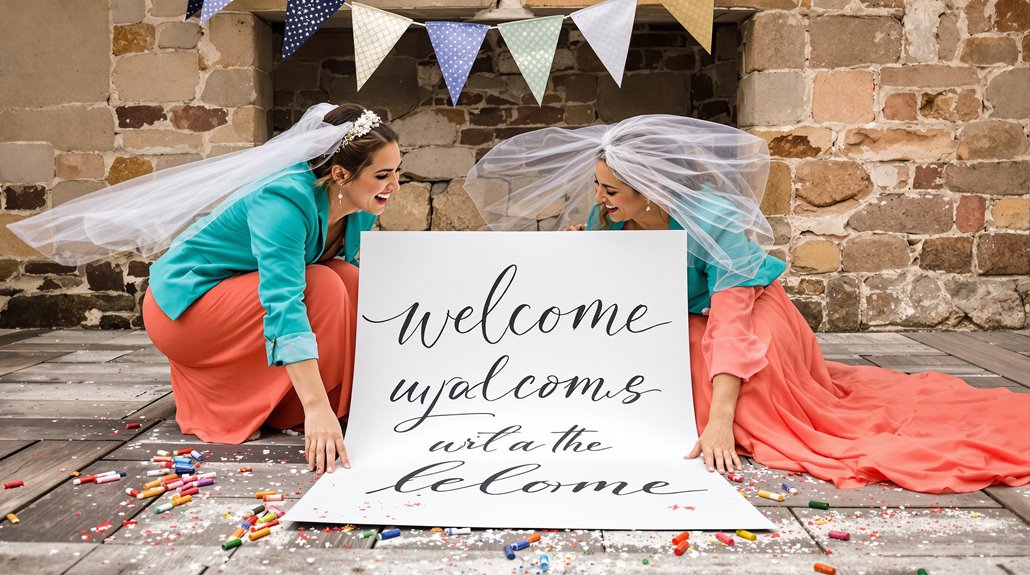
Let’s cut the fluff and plunge into the nuts and bolts of your DIY wedding signs. You’re busy, so let’s keep this tight. Start by setting a signage budget—3-5% of your total wedding spend is non-negotiable. Next, choose a color palette and 2-3 fonts for consistency. Your signage inventory is key; walk through your venue and list essential signs—welcome, directional, seating chart, and more. Strategically design templates, starting with the welcome sign. Select materials based on venue and weather conditions. Track your timeline: design at 10 months out, feedback at 8, print by 6. Use our editable Canva templates for easy customization. Execute this checklist, and your signs will not only look sharp but get the job done. Now, get moving!
Common mistakes (and how to avoid them)
While the allure of wedding signage can be tempting, diving in without an extensive plan will leave you scrambling and your guests scratching their heads. Avoid the chaos with these strategic pivots:
Without a strategic plan, wedding signage chaos will leave you scrambling and your guests confused.
- Plan Early: Rushing kills quality. Start 3-6 months ahead. This lead time is non-negotiable for custom calligraphy and floral coordination.
- Material Matters: Skip the flimsy poster board. Opt for weatherproof, quality materials that withstand scrutiny and the elements, ensuring your signage feels integrated, not improvised.
- Consistency is Key: Multiple calligraphers? No way. Keep fonts and colors consistent for a cohesive look that says “planned,” not “panicked.”
Executing a solid signage plan moves your wedding from scattered to streamlined, ensuring your guests aren’t just present but engaged. Next steps? Map it out on a timeline.
FAQ
Let’s get straight to it: If you’re busy, executing DIY wedding signs should strategically fit into your schedule over a couple of weekends—non-negotiable. The minimum viable version includes a welcome sign and seating chart, which you can safely delegate to a reliable friend or family member if you’re juggling too much. Track your weekly progress, and if a vendor isn’t responding, pivot quickly to a backup plan—chaos is best controlled with preparation.
How long should this take if we’re busy?
How long should it take to pull off wedding signs when you’re juggling careers and a chaotic schedule? You can execute this in as little as 1-2 months, strategically streamlining the process without sacrificing quality. Focus on 5-10 essential signs like welcome and directional to get the job done efficiently. Use templates to save design time and skip hiring professionals. Pivot your timeline to fit your busy life—yes, even 1 month out with the right hustle. Align your signage with venue availability and photographer schedules, ensuring everything’s planned with kinetic precision. Remember, this isn’t about creating a Pinterest-perfect moment; it’s about executing an event that respects your time and career. Next, craft a checklist to maintain momentum and avoid stress.
What’s the minimum version that still works?
You’re juggling a million things and wedding signs shouldn’t be a source of stress. What’s the minimum version that still works? Easy: focus on five to ten essential signs. Welcome, directional, seating chart, table identifiers, and culinary signs get the job done. Skip the fluff and execute with precision—your guests need direction, not decoration.
Strategically choose materials like foam core or thin plywood for a polished, non-DIY vibe. Use simple tools: an Exacto knife, stencils, and acrylic paint. High-quality cardstock and a home printer cover smaller needs; professional services handle the big stuff.
What can I safely delegate?
When it comes to wedding planning, there’s no need to shoulder every task yourself—delegation is your secret weapon. Consider delegating repetitive and administrative tasks that can drain your energy. Assign envelope stuffing and stamping to a small squad to speed things up. Hand off RSVP tracking and guest inquiries to your trusty assistants. Let a social media pro handle your online presence; it’s a time-saver. On the big day, delegate vendor coordination and guest management to your team, freeing you to oversee the event’s flow. Trust family or friends with non-crucial tasks like flower selection or music curation. Remember, strategic delegation isn’t about losing control—it’s about executing your vision with precision. Next step: Identify your MVP tasks and delegate the rest.
What if a vendor isn’t responding?
Delegation in wedding planning is strategic, but what happens when a vendor drops the ball? First, don’t panic—pivot. If a vendor isn’t responding, it’s time to accelerate your communication tactics. Chase them up with written confirmations post-call, ensuring you’ve got records. Request detailed quotes or contracts to establish commitment. Regular check-ins aren’t optional; they’re non-negotiable. If they still ghost you, switch to vendors who value transparency and have streamlined service lists. Keep tabs on all communications and vendor responsibilities to avoid any last-minute surprises. Being ghosted isn’t fun, but remember: it’s not personal, it’s business. Realign your hustle, expand your vendor network, and be ready to replace duds with pros who actually get the job done.
What should I track weekly?
Weekly wedding planning isn’t just about dreamy visions; it’s a precision-driven operation where every task is executed with laser focus. To streamline your efforts, focus on these non-negotiable tasks: Confirm vendor details—photographer, videographer, DJ, caterer—get your final schedule out to them pronto. Nail down your guest count and seating chart. Don’t forget the out-of-town guests—hotel blocks and welcome bags are key. Dress and beauty prep? Get those final fittings done and shoes broken in. Logistics: pack décor, personal essentials, and that all-important emergency kit. Nail down rehearsal details and brace for last-minute pivots.
Reality Check: Overlook these tasks, and you’ll face chaos. Use timelines and checklists to keep momentum, and remember, it’s about execution, not Pinterest perfection.
Key takeaways
Executing DIY wedding signs with precision is like nailing a high-stakes presentation—it requires strategic planning, a sharp eye for detail, and a no-nonsense approach. Here are your key takeaways to guarantee your signs look professionally executed:
- Material Efficiency: Use foam insulation boards to create multiple signs from a single sheet. Pair acrylic sheets with vinyl lettering for depth, and remember that second-hand mirrors can double as multifunctional signage.
- Design Tools: Leverage tools like Canva for templates and Creative Fabrica for inspiring SVG projects. Local print shops or Staples are your best friends for high-quality prints.
- Budget Strategies: Skip designer costs with digital prints and utilize inexpensive resources like second-hand mirrors and Michaels for affordable easels.
Reality Check: Avoid overcomplicating—simplicity executed well beats elaborate but chaotic every time.