
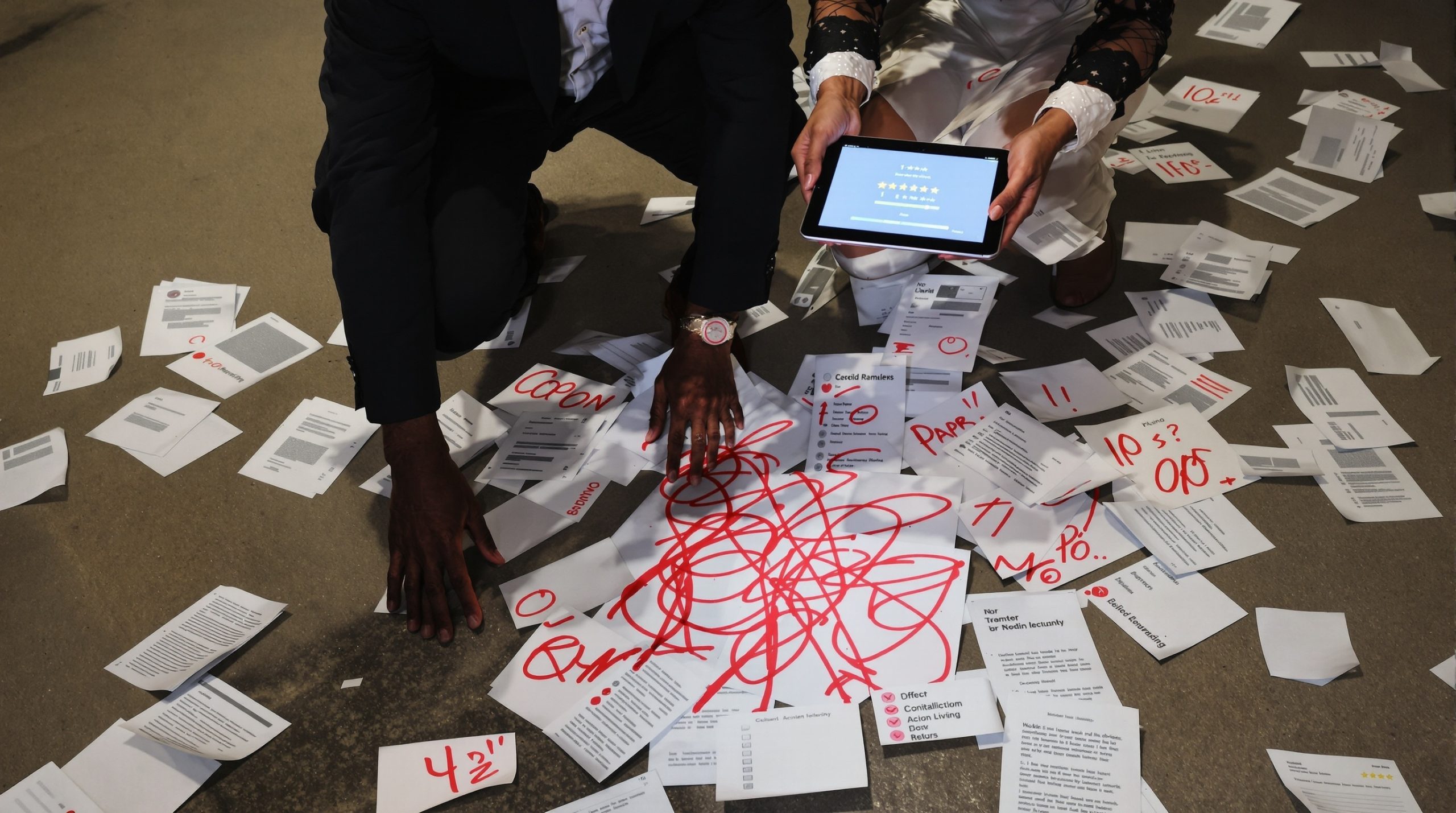
Evaluate vendor reviews like a pro: cut the crap and get strategic. Fetch clear data—KPIs, reference checks, delivery metrics—and integrate it into a weighted matrix. Ditch starry eyes; focus on execution, not imagination. Sketch timelines and checklists to keep you nimble. Beware of hidden fees—demand itemized lists. Automate onboarding and centralize documents. Stay sharp in third-round interviews, poking for inconsistencies. This method has momentum—stay tuned for deeper dives into the nitty-gritty.
What you’ll accomplish (and what ‘done’ looks like)
When evaluating vendors for your high-energy wedding, you’ll accomplish nothing short of a strategic triumph. By sidestepping common vendor review mistakes, you dive straight into efficient review evaluation. Embrace the vendor selection reality: it’s about execution, not wishful thinking. Start with clear criteria—cost, quality, and compliance—no fluff, just facts. Use weighted matrices to rank vendors objectively, minimizing bias and ensuring transparency. Gather data from reliable sources early on, validating every detail. Conduct reference checks and site visits to confirm vendor claims. This isn’t about aesthetics; it’s about what gets the job done. Benchmark against industry standards to spot top performers. Remember, a streamlined approach saves time. One crucial step is to engage the right stakeholders such as IT, security, procurement, finance, and end-user representatives, to ensure effective vendor selection. Don’t forget to anticipate hidden costs like service charges and vendor overtime to maintain control over your budget. Your next step? Craft a checklist of non-negotiables and pivot as needed.
Quick start (the short version)
Ready to kick vendor evaluation into high gear? Let’s accelerate your process with some vendor review lessons. Imagine it like a project management sprint—efficient, strategic, and no-nonsense. Here’s your streamlined checklist:
Accelerate your vendor evaluation with efficiency, strategy, and a no-nonsense approach—like a project management sprint.
- Define KPIs: Strategically set clear, measurable KPIs like delivery times and service responsiveness. Tailor them to match your unique business needs.
- Score Vendors: Use a standardized scoring system to objectively compare. Prioritize factors with weighted criteria based on impact.
- Check References: Conduct thorough reference checks with similar organizations. Validate performance with actual data, not just promises.
- Assess Risks: Execute operational and financial assessments. Confirm due diligence on certifications and compliance before sealing any deal. Vendor communication with swift responses and clarity should also be a key evaluation factor.
Regular evaluations optimize costs by rewarding high-performing vendors, aiding decision-making for vendor renewals or replacements, and protecting organizational reputation by avoiding non-compliant suppliers.
Now, go on and pivot your vendor evaluations from “bless and stressed” to executed excellence. Next step? Immerse yourself in essential inputs before you begin.
Before you start: inputs you need
Before you dive headfirst into evaluating vendors, focus on assembling your toolkit for success. Executing a streamlined vendor review process means gathering the right inputs—consider it the non-negotiable prep work before the real hustle begins. Here’s what you need:
- Define KPIs: Measure delivery times, product quality, service responsiveness, ROI, and financial stability. These metrics are your baseline for comparison.
- Establish Criteria: Prioritize business impact factors like security, compliance, reliability, and innovation potential. Craft a weighted matrix that strategically evaluates these components.
- Assemble Team: Engage a cross-functional team including procurement, quality assurance, and finance. Tap into multiple perspectives for a thorough review. Involve stakeholders across departments to ensure the criteria are comprehensive and align with organizational goals. Hidden costs can often inflate budgets, so involving finance early can help identify potential overlooked expenses.
- Gather Data: Collect financial statements, customer references, supplier audits, and security certifications. Use this intel to pivot smoothly from assumptions to actionable insights.
Step-by-step process
Alright, movers and shakers, let’s get down to brass tacks. First, clarify your constraints—know your date range, budget ceiling, and those non-negotiables like your morning coffee. Next, strategically build your decision order, create a killer timeline with milestones and deadlines, and execute vendor outreach with scripts and tracking that’d make a CEO proud. Finally, lock it all down with contracts, deposits, and smart contingency buffers. Ensure you set early RSVP deadlines 10 days before vendor requirements to streamline planning. To ensure a streamlined process, map the entire supplier evaluation workflow, including initiation, information gathering, assessment, review, decision, and communication, creating a visual flowchart to identify potential bottlenecks and decision points.
Step 1: Clarify constraints (date range, budget ceiling, non-negotiables)
How do you start planning a wedding when your schedule’s already packed tighter than a New York subway at rush hour? First, clarify your constraints. Pin down your date range—no need for wishy-washy guesses. Next, establish a budget ceiling that reflects your financial reality with no room for fantasy spending. Identify your non-negotiables. These are your must-haves, the deal-breakers that guide your vendor choices. Think certifications, delivery guarantees, and compliance standards. Document everything with ruthless precision to create a roadmap that keeps you on course. This is your project management playbook, not a wish list. With constraints clear, you’re ready to streamline decisions. Remember to account for service charges and automatic gratuities that can inflate your costs. Now, take a breath and move forward with purpose. Creating a standardized TCO model for bidders to populate is essential for financial comparability, ensuring you evaluate proposals across their full lifecycle. Next, we’ll build the decision order.
Step 2: Build the decision order (what to decide first so everything else is easier)
When diving headfirst into wedding planning, you need a strategic decision order to keep the chaos in check and your sanity intact. First, prioritize the essentials: venue, date, and budget. These core elements define the rest of your planning. Next, build your vendor scorecard—think of it as Tinder for vendors but with less swiping and more scrutinizing. Define criteria like cost, capability, and compliance. Assign weights to what matters most, like quality assurance or financial stability. Vendor assessment is crucial for maintaining security, performance, and reputation in interconnected business environments. Incorporate metrics for a streamlined assessment, and don’t shy away from deal-breakers. With your trusty scorecard, you’ll strategically eliminate vendors that don’t meet your standards. To prevent surprises, demand clear itemized fees to avoid vague pricing that can lead to hidden charges. Execute this order with precision, and watch how everything gains momentum. Now, let’s get moving and make decisions that actually stick.
Step 3: Create the timeline (milestones + deadlines)
With your vendor scorecard ready, it’s time to tackle the timeline—because a wedding without a timeline is like running a marathon without shoes. Strategically define key milestones using detailed project plans from vendors. Deploy capabilities incrementally to gain early value. Measure progress with clear KPIs and set realistic deadlines by benchmarking against industry standards. Incorporate buffer time to handle inevitable chaos. Regular checkpoints and kick-off meetings are non-negotiable for clarity and accountability. Address risks by evaluating resources and planning contingencies. Contracts should lock in timelines with accountability mechanisms—no one gets to drop the ball. Keep a sharp eye on on-time delivery KPIs and pivot when necessary. Wedding planning is akin to managing a high-stakes project, leading to decision anxiety. Remember, a well-executed timeline guarantees smooth sailing. Organizations assessing implementation timelines experience 60% fewer operational disruptions, ensuring an efficient and effective deployment. Ready? Execute!
Step 4: Execute vendor outreach (scripts + tracking)
Executing vendor outreach is where your strategic groundwork becomes the real deal. Time to pivot from plans to actions. Start by broadcasting your vendor needs on platforms buzzing with opportunities. No fluff—just a clear, direct script. Outline non-negotiables like uptime and delivery schedules, and entice the right vendors with your sharp expectations. Track every move: downloads, responses, and performance metrics—because data doesn’t lie. Build an advisory group from engaged vendors for real-time feedback and improvement. Regular check-ins and newsletters keep the momentum going. Sync with your stakeholders to guarantee everyone’s aligned. You’re not just sending emails—you’re crafting a streamlined, strategic outreach machine. As you execute your outreach, it’s crucial to identify target vendor types that align with your marketplace mission to ensure you’re attracting the right partners. Next step? Monitor those responses like a hawk and prepare for performance reviews. Ensuring clear timelines and communication with vendors can significantly enhance the overall wedding experience and minimize stress.
Step 5: Lock the plan (contracts, deposits, and contingency buffers)
You’ve got vendor responses rolling in, and it’s time to lock down your game plan with contracts, deposits, and contingency buffers. Execute your plan with precision: document every detail—pricing, timelines, KPIs—with crystal-clear language. Get legal pros to review contracts; vague terms aren’t your friend. Strategically schedule deposit discussions—vendors closing fiscal years offer room for negotiation. Outline clear payment terms and remember, don’t make the first big concession. Your contingency buffers? Non-negotiable. Establish secondary suppliers and risk-sharing clauses to pivot smoothly during disruptions. Keep transparency on challenges and leverage your BATNA. Before signing, clarify goals and be ready to walk if terms don’t align. Get everything signed and sealed—this isn’t a rehearsal, it’s your wedding’s project plan. Specificity in deliverables is crucial to avoid scope creep, ensuring that expectations are clearly managed from the start.
Step 6: Run weekly check-ins (how to stay on track without spiraling)
When you’re knee-deep in planning your high-energy, no-fluff wedding, running weekly check-ins becomes your strategic power move. These meetings are non-negotiable for keeping everything on track. Schedule regular chats with vendors to discuss metrics and tackle challenges head-on. Use dynamic reports to measure performance and track KPIs like on-time delivery rates and customer satisfaction scores. Establish a clear communication system—whether it’s email, phone, or Slack—to guarantee nothing falls through the cracks. Assign responsibilities and monitor milestones like a hawk. This isn’t just a meeting; it’s a mission to prevent spiraling chaos. Remember, consistent check-ins mean you can swiftly address issues, pivot strategies, and maintain your sanity. Importance of a Day-Of Coordinator ensures smooth execution of wedding plans and acts as a point of contact for vendors and guests. Next step? Immerse yourself in those KPIs and keep hustling!
Template you can copy/paste (checklist + tracker)

Let’s cut through the noise and get straight to what you need—a vendor evaluation template that doesn’t waste your time. You’re juggling a thousand things, so this streamlined checklist is your non-negotiable sidekick. Start with the basics: vendor name, contact details, and service specifics. Evaluate strategically: quality (20% weight), cost, reliability, compliance, and support. Use a clean scoring system: 5 means very good, 0 is substandard. Don’t forget performance categories like administration and scope. Total up for an overall score that’s more than just numbers—it’s your guide to who really gets the job done. Pilot, gather feedback, fine-tune. Keep this tracker alive by periodic reviews and note corrective actions. Remember, weddings are projects, not fantasies. Time to execute with precision.
Common mistakes (and how to avoid them)
Although it’s tempting to breeze through vendor evaluations, doing so without thorough assessment is like signing a blank check—risky and potentially costly. Sidestep common pitfalls with these strategies:
- Strategically Prioritize Long-Term Compatibility: Confirm vendors align with your business goals. Don’t just focus on the now; think future-proof.
- Execute Detailed Risk Assessments: Evaluate risk across all vendors, no matter their role. Prioritize those with critical business functions.
- Regularly Review Vendor Performance: Consistent performance reviews against SLAs and KPIs prevent surprises. Scorecards are non-negotiable.
- Verify Vendor Information: Trust, but verify. Don’t rely solely on vendor claims; proof of concept is essential.
Execute these steps with a project management mindset, leveraging timelines and checklists to streamline your vendor evaluation process.
FAQ
You’re juggling career demands and wedding planning, so let’s get strategic. How long should vendor evaluation take? Not as long as you’d think if you prioritize and delegate—because not every decision needs your direct touch. If a vendor’s ghosting you, pivot fast, and track weekly metrics to keep momentum without micromanaging.
How long should this take if we’re busy?
Ever wonder how long vendor evaluations should take when you’re juggling a million tasks at once? Ideally, not forever. The median timeframe stretches to 90 days, but who has that time when you’re orchestrating the chaos of life and love? Streamline your process using AI tools that cut evaluation time by 90%. Think quarterly reviews for critical vendors—non-negotiable. For others, semi-annual check-ins keep things moving without unnecessary fluff. Track KPIs regularly to see who’s pulling their weight. Remember, speed doesn’t mean sloppy. It’s about executing strategically. Centralized data and automated tools are your best friends here. Get the job done quickly, then move on. Next step: implement these tools and breathe easier. You’ve got this.
What’s the minimum version that still works?
When you’re juggling life’s chaos and planning a wedding, you don’t have time for fluff. You need a vendor evaluation process that’s efficient and effective. What’s the minimum version that still works? Start with clear KPIs—delivery times, service responsiveness, and compliance metrics are non-negotiables. Use a streamlined evaluation matrix with a simple scoring system to quickly assess vendors. Focus on quantifiable data like ROI, customer satisfaction, and defect rates. Check references to validate performance claims and conduct virtual audits for operational maturity. Implement a regular review cadence to nip issues in the bud. Automate monitoring tools to keep tabs on vendor performance without the hassle. Remember, it’s about smart, intentional decisions that move you forward. Ready to execute?
What can I safely delegate?
How do you decide what tasks to hand off and what to keep on your plate? Start by identifying repetitive processes that can be automated or delegated. For instance, automate onboarding with mandatory forms and branded portals—it accelerates data capture and frees you up for strategic decisions. Delegate data entry to vendors through their personalized dashboards, ensuring they own their onboarding. Use automation for contract renewals and performance reviews—trust us, it’s non-negotiable for maintaining sanity. Centralize vendor documents like MSAs and SOWs for quick audits. Remember, you’re here to execute, not babysit. Lean into tools that streamline processes and let vendors handle their updates. Your time is better spent on strategic pivots that keep the wedding planning train moving.
What if a vendor isn’t responding?
If a vendor isn’t responding, don’t panic—strategize. First, check your contract for any response time clauses. Then, shoot a concise follow-up email or call, emphasizing urgency. Use bullet points to highlight key issues and desired outcomes, keeping it professional and direct. Still no answer? Leverage reviews—public perception drives action. Remember, 89% of consumers read responses, and a company’s silence can be costly. If they’re still ghosting you, pivot to Plan B: research alternatives. Consider vendors with a track record for responsiveness; businesses that reply to 25% of reviews earn 35% more. Reality Check: It’s non-negotiable—speedy responses aren’t just nice; they’re essential. Don’t settle. Quality vendors execute, communicate, and keep the momentum going.
What should I track weekly?
Accelerate vendor accountability by measuring *response times* and *issue escalation resolution*. Ready to pivot? Always.
Key takeaways
When it comes to vendor reviews, precision and clarity are non-negotiable. You’re not just choosing a vendor; you’re strategically partnering with them to execute the perfect event. Here’s how to streamline your evaluation process:
- Define Clear KPIs: Focus on delivery times, product quality, and service responsiveness. These metrics will guarantee vendors get the job done efficiently.
- Gather Multi-Source Feedback: Engage teams across procurement and finance for a 360-degree perspective. Cross-check with similar organizations for real-world performance insights.
- Conduct Thorough Due Diligence: Immerse yourself in operational, financial assessments, and disaster recovery plans. Validate through site visits or virtual audits.
- Schedule Regular Reviews: Implement quarterly evaluations to pivot quickly if issues arise. Keep communication open for continuous improvement.
Reality check: Avoid complacency; vigilance accelerates success.