
Thinking about full-service florist vs. DIY florals? Let’s cut through the noise. Full-service florists offer sleek execution and peace of mind but come with a price tag—$2,400-$3,500 and 3-4 days of interaction. DIY? It demands your time (1-2 intense days) and a budget of about $1,790, but here’s where strategic creativity saves cash. Your move: evaluate your non-negotiables, balance time and money, and remember, your wedding’s a project—make it count. Dive deeper to discover your best bet.
Quick verdict: Full-Service Florist vs. DIY Florals (who each is best for)
When you’re juggling 9-to-5 demands and a jam-packed calendar, deciding between a full-service florist and DIY florals is a strategic move, not a whimsical one. In the florist vs DIY debate, your choice pivots on practicality. For those with zero time but high standards, a full-service florist is your go-to, offering executed, customized arrangements without breaking a sweat. Opting for a local florist also strengthens community ties and supports small businesses. Meanwhile, if you’re budget-conscious and crave creative control, DIY might be your jam, offering a streamlined flower cost comparison. Vendor-provided rentals streamline service and provide inventory variety, ensuring a stress-free experience that aids budget and timeline planning.
- Full-Service Florist: Perfect for time-constrained pros who value convenience.
- DIY Florals: Ideal for budget-savvy, creative types with flexible schedules.
- Flower Cost Comparison: DIY often wins on price, but factor in your time.
- Strategic Decision: Aligns with project management, not just aesthetics.
Reality check: Both paths have trade-offs; choose what aligns with your non-negotiables.
At-a-glance comparison: Full-Service Florist vs. DIY Florals
Are you ready to plunge into the nitty-gritty of florals? Let’s cut the fluff and compare full-service florists with DIY florals. If you’re wondering if DIY flowers are worth it, here’s a quick rundown:
| Aspect | Full-Service Florist | DIY Florals |
|---|---|---|
| Cost | $2,400–$3,500 | Approximately $1,790 |
| Time Requirement | 3-4 days of professional execution | 1-2 days of intensive personal work |
| Stress Level | Low – handled by professionals | High – all on you |
Full-service gets the job done with zero stress, while DIY saves dollars but accelerates your to-do list. Think strategically about what aligns with your wedding project management style. Professional florists offer the expertise in wedding floral design and cohesive aesthetics that can bring your vision to life effortlessly. Ready to execute your next move? Review your options and prioritize what’s non-negotiable. Ensure that you set a flexible budget to accommodate any unforeseen expenses that may arise.
Define the options (so you’re comparing the right things)
To compare full-service florists and DIY florals properly, let’s break down what each option really means. Full-service florists aren’t just about pretty bouquets; they include strategic planning, expert execution, and often misunderstood as simply overpriced. On the flip side, DIY florals offer freedom and creativity but demand time, skill, and the reality check of unforeseen chaos—so choose wisely based on what gets the job done for you. Many flower farmers rely on providing flowers for weddings and special events for profitability, highlighting the significant role of full-service floral design in the flower industry.
Full-Service Florist: what it is, what it includes, and the common misconceptions
Even in the whirlwind of wedding planning, the full-service florist stands out as the ace up your sleeve for a seamless, stress-free floral experience. This isn’t just about plopping some roses in a vase; it’s a strategic operation. You’re getting exclusive attention, custom designs, and top-tier professionalism. Months of planning guarantee every petal fits your vision. From inspiration boards to final touch-ups, it’s all executed with precision. Think stunning arches and hanging arrangements, not just bouquets. Common myths? That it’s just basic delivery or unnecessary luxury. Reality check: it’s a powerhouse transformation of your venue. Full-service florists often incorporate sustainable materials and artful arrangements, ensuring that your event is both eco-friendly and visually stunning. Yes, it comes with a price tag, but it’s for those who value a hands-off, expertly handled experience. Ready to streamline and elevate? Let’s move.
DIY Florals: what it is, what it includes, and the common misconceptions
DIY florals aren’t just about picking a few pretty stems and calling it a day; they’re a hands-on adventure in floral artistry that demands your attention and skill. You’re not just arranging flowers—you’re executing a floral strategy. Expect to plunge into components like focal flowers, filler blooms, line spikes, and greenery. It’s not a quick fix, folks. You’ll spend days sourcing, hydrating, and designing, and you’ll need tools like floral scissors, tape, and foam. Misconceptions? Plenty. Time is a non-negotiable investment—30+ minutes per arrangement. Costs can rival pro services once you factor in tools and shipping. Skill? It’s not innate; you’ll need to learn design principles. Each element plays a distinct role in the arrangement to achieve a captivating floral display. Incorporating service charges into your DIY floral budget can help manage unexpected costs, ensuring that your wedding planning experience remains stress-free. Next step: Create a realistic timeline and budget before plunging in.
Cost breakdown (upfront vs hidden costs)
Let’s break down the dollars and sense of floral decisions—because upfront costs are just the tip of the iceberg. While a florist’s price tag includes design expertise and flawless execution, it also hides labor, delivery, and setup fees that can escalate quickly. On the flip side, DIY might look cheaper initially, but factor in your time (and sanity) for sourcing, arranging, and potential mishaps—turns out, those savings aren’t always as rosy as they seem. Florists often charge between $120 to $300 for bridal bouquets, which reflects not only the cost of the flowers themselves but also their extensive care from growing to shipping. Understanding how service charges apply can help you manage your budget effectively, as these fees are often essential yet overlooked components of the total cost.
Line-item cost comparison by tier/budget
In the whirlwind of wedding planning, numbers aren’t just figures—they’re strategic tools that steer your decisions. Let’s break it down, column by column, tier by tier, so you can pivot and execute with precision. Here’s a quick snapshot of costs:
| Item | DIY vs Professional Cost |
|---|---|
| Bridal Bouquet | $45–$130 vs $120–$500+ |
| Bridesmaid Bouquet | $15–$50 vs $40–$125 each |
| Boutonniere | $1–$5 vs $10–$20 each |
| Vase Centerpiece | $18–$60 vs $50–$250+ |
Crafting a wedding bouquet involves balancing desire with practicality, and the decision impacts the overall wedding experience. DIY’s allure? Upfront savings. But factor in hidden costs—supplies, logistics, and potential mishaps. Professionals offer streamlined, stress-free execution. Your move? Decide if the hustle’s worth it. Reality Check: DIY’s thrilling until it’s not. Plan smart; hustle smarter. Consider how guest satisfaction can be influenced by the floral arrangements you choose, as it represents a key element in enhancing the ambiance and overall impression of your wedding day.
What actually drives cost changes
Numbers tell a story, but the plot thickens when you factor in the hidden costs that often lurk behind those seemingly straightforward figures. DIY florals may look cheap upfront, but don’t forget the costs that sneak in when you’re not looking. Florists have complex layers of expenses that guarantee your flowers aren’t just pretty but expertly executed. Here’s what really drives those costs:
- Labor Fees: Skilled assembly adds 20-25% to bouquet value.
- Delivery Charges: Starts at $150, escalates fast with mileage and setup needs.
- Overhead Expenses: Rent, vehicle maintenance, and insurance inflate prices.
- Service Fees: Include wire services, vendor coordination, and weekend surcharges.
Purchasing wholesale flowers can significantly reduce costs by bypassing retail markups, but it requires time, creativity, and the right team to manage the preparation and arrangements effectively. Reality Check: Choose wisely between saving dollars now and saving time (and stress) later.
Planning workload & logistics impact
When you’re balancing a career and wedding planning, understanding the time and complexity of floral logistics is non-negotiable. Full-service florists handle vendor coordination and adapt to unexpected changes, streamlining your workload. DIY florals? You’re in charge of every detail, from tracking down flexible vendors to managing delivery chaos; it’s a hands-on project that requires strategic execution.
Time, complexity, and coordination differences
While the allure of crafting your own wedding florals might seem tempting, let’s cut through the petals—it’s a logistical beast. Going DIY demands your time and energy in ways that full-service florists strategically streamline. You’re not just picking pretty petals; you’re coordinating a floral circus without a net.
- Time Investment: DIY means days of sourcing, assembling, and troubleshooting. Florists? They execute swiftly, freeing you for other priorities.
- Complexity: Full-service florists handle all the intricate details—installations and breakdowns included.
- Coordination: You’re managing deliveries, wilting risks, and setup timing solo. Florists? They’ve got it covered.
- Control vs. Convenience: DIY offers creative control but at the expense of your time. Professionals provide a seamless experience.
It’s crucial to clarify constraints early on to avoid unexpected challenges and align your floral choices with your overall wedding vision.
Next step? Decide where your energy’s best spent.
Vendor availability + flexibility considerations
Choosing between DIY florals and a full-service florist isn’t just about aesthetics—it’s about strategically managing vendor availability and flexibility. You’re not merely picking pretty petals; you’re steering through vendor calendars and logistics like a pro. Booking a florist requires foresight—preferably 10-12 months ahead. The high-demand months like October mean more competition and less wiggle room. DIY offers flexibility but demands time, while full-service florists streamline the process with all-encompassing packages. Here’s what you need to take into account:
- Booking Timeline: Secure your florist 6-12 months in advance.
- Vendor Flexibility: DIY allows choice, full-service offers ease.
- Logistics Coordination: Plan for 2.5+ hours of setup.
- Seasonal Strategy: In-season blooms equal better deals.
Incorporating a strategic execution and design framework can help ensure that your florals align with your event’s overall style and budget, reducing the likelihood of common regrets. Reality Check: Prioritize bookings. Last-minute scrambling? That’s a nope.
Guest experience impact
Your guests’ experience hinges on how smoothly you execute your floral plan, so let’s strategize without the stress. Full-service florists bring a polished, cohesive look that guests notice and appreciate, seamlessly fitting into the event’s vibe. Meanwhile, DIY florals risk inconsistent designs and last-minute chaos, leaving guests to potentially spot those unplanned hiccups—let’s keep their focus on celebrating, not critiquing.
How guests perceive it + where friction shows up
How do guests really perceive your wedding florals, and where does the friction sneak in? Guests notice the quality and visual appeal of florals immediately. They’re not diving into Pinterest rabbit holes; they’re experiencing the here and now. They’ll admire vibrant colors, varied textures, and creative arrangements. But friction arises when blooms wilt fast or lack variety. You want flowers that last and arrangements that make a statement without becoming a distraction.
- Color and Fragrance: Guests are drawn to vibrant colors and memorable scents.
- Visual Appeal: Mixed arrangements captivate more than single-variety ones.
- Longevity: Short vase life disappoints; prioritize blooms with staying power.
- Social Media Pressure: Your florals should wow in person and in photos.
Next up? Strategize your floral investment for maximum impact.
Best-fit scenarios (choose based on constraints)
If you’re juggling a packed schedule or hosting a large luxury event, a full-service florist is your strategic ally—they handle the execution, from premium blooms to flawless setup, while you focus on other priorities. On the flip side, if you’ve got a smaller gathering or love hands-on projects, DIY florals offer creative freedom and cost savings, letting you experiment and add personal touches without breaking the bank. Either way, choose based on your constraints and keep the hustle smooth.
Choose Full-Service Florist if…
Considering a full-service florist for your wedding? Smart move. If you’re juggling a packed schedule and need a strategy that minimizes stress, a full-service florist is your ace. They handle logistics like clockwork, giving you room to breathe and focus on what truly matters. Here’s when to opt for them:
- BusySchedules: Save hours—no more back-and-forth trips.
- LargeScaleEvents: They manage massive installations and event-day details.
- PersonalizationNeeds: Get custom designs that scream “you.”
- QualityFreshness: Enjoy vibrant blooms sourced locally for longevity.
A wedding day should be flexible, allowing couples to savor moments despite flaws and imperfections. Reality Check: While they streamline your wedding chaos, the price tag reflects this convenience. Confirm it aligns with your budget priorities. To keep your sanity intact, choosing a full-service florist is as non-negotiable as your morning espresso.
Choose DIY Florals if…
Diving into DIY florals? If you’re all about taking control and maximizing your budget, this is your scene. Execute your vision without fresh flower drama or florist fees. Here’s when DIY florals get the job done:
- Budget-Conscious: Cut flower costs up to 50% and redirect savings to non-negotiable wedding must-haves like venue or catering.
- Artistic Control: Shape, bend, and create intricate designs without seasonal or damage constraints.
- Mental Health Gains: Engage in a process that boosts creativity and reduces stress—it’s therapeutic, not tedious.
- Extended Timeline: Flex those project management skills with artificial flowers that hold up over time, eliminating last-minute chaos.
Strategically plan ahead, and make your wedding uniquely you. Reality check: DIY’s a time commitment. Ready to hustle? Keep in mind that wedding cost metrics can often be misleading, and focusing on median costs helps in making informed budgeting decisions.
Real-world scenarios (examples with numbers)
Let’s break it down with three sample scenarios: a small, intimate wedding with under 50 guests, a mid-sized affair with around 100 attendees, and a grand event exceeding 200 guests. For the cozy gathering, your floral budget might cap at $1,343, while going DIY could strategically slash costs to just $500-$700. In contrast, a large-scale celebration demands an investment of over $6,000, but with the right hustle, you could pivot DIY efforts into a $1,800 floral masterpiece.
3 sample scenarios: guest count + budget + priorities
When you’re juggling a high-powered career and planning a wedding, every decision needs to be sharp and strategic. Let’s break it down with real-world scenarios:
| Scenario | Guests | Budget | Priority | DIY Savings |
|---|---|---|---|---|
| 1 | 50 | $1,000 | Personal Flowers | 75% |
| 2 | 100 | $2,500 | Ceremony Basics | 60% |
| 3 | 150 | $3,000 | Reception Centerpieces | 65% |
| 4 | 75 | $1,500 | Luxury Bouquets & Arch | 55% |
| 5 | 200 | $5,000 | Full Coverage | 70-80% |
In your hustle-driven world, DIY florals can be a game-changer. The numbers tell you where to pivot and execute efficiently. Craft a timeline, stick to your budget, and don’t over-romanticize. Strategic choices mean more time for what really matters—like keeping your career on fire.
Common mistakes (and how to avoid them)
Although it might feel like juggling flaming torches while blindfolded, avoiding common floral mistakes keeps your wedding day from wilting under pressure. Start with proper flower conditioning—cut stems at a 45-degree angle underwater and use a preservative solution. Dull tools are your enemy; sharpen them and use bypass pruners for clean cuts. Overcrowding arrangements? That’s a fast track to decay. Stick to pre-planned recipes and space stems for airflow. Pricing? Don’t underestimate costs. Factor in labor, overheads, and markups to avoid financial missteps.
- Flower Conditioning: Cut stems at 45 degrees; use preservatives.
- Cutting Tools: Sharpen and clean tools regularly.
- Arrangement Design: Follow recipes and space stems.
- Pricing Errors: Include all costs and apply markups.
You’ll thank yourself later.
Copy/paste decision matrix template
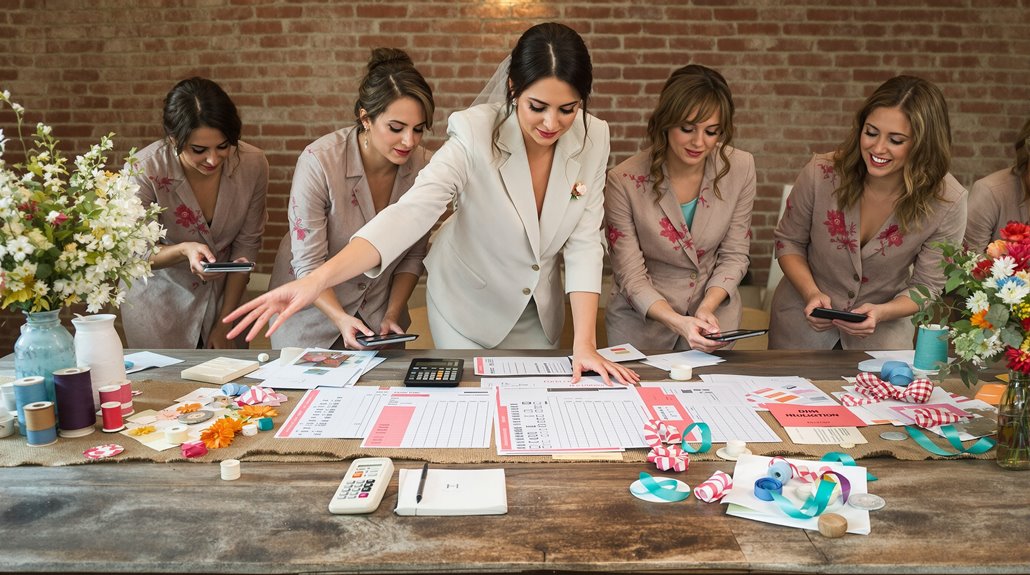
Deciding between DIY florals and full-service florists can feel like steering through a wedding planning minefield, but a decision matrix can turn chaos into clarity. You’re busy, so let’s streamline this. Craft a decision matrix that lays out the time, cost, and hidden expenses side-by-side. Plug in your DIY numbers ($600–$1,500) and full-service estimates ($3,800–$13,500). Factor in the time commitment—12–15+ hours DIY versus the florist’s full-service magic. Don’t forget hidden DIY costs: supplies, practice runs, and potential waste. This matrix lets you pivot your strategy, strategically weigh your options, and execute a plan that respects your hustle. Ready to make a move? Decide which side aligns with your non-negotiables and accelerates you toward a wedding that gets the job done.
FAQ (quick answers to common edge cases)
Stuck between DIY and hiring a florist? Pivot strategically by asking vendors about flexibility—confirm delivery timelines, substitution options, and backup plans to safeguard against surprises. If your guest count swings by 20%, adjust the floral scale accordingly and have a non-negotiable fallback plan: think extra blooms on standby or a reliable floral runner.
What if I’m stuck between two options?
Feeling caught between a full-service florist and DIY florals? Let’s streamline the decision. If your schedule’s tighter than a drum and stress makes you break out in hives, a full-service florist is your MVP. They handle logistics, ensuring blooms are fresh and ready without you lifting a finger. But if you’re a hands-on hustler with a penchant for personalization, DIY lets you flex creative muscles—just beware of hidden costs like tools and waste. Evaluate your priorities: is it time or money? Use a simple checklist: assess budget, timeline, and floral experience. Decide based on what adds maximum value with minimal headache. Remember, it’s about strategically executing a vision, not getting tangled in floral tape. Next step: consult your wedding planner.
What’s the easiest way to reduce risk with either option?
When you’re juggling a million tasks, reducing risk in your wedding floral game is non-negotiable. If you’re going pro, leverage your florist’s expertise in selecting robust, seasonal blooms. Their climate-controlled storage and direct wholesaler access mean zero wilting woes. They manage all logistics, so you’re not stuck in traffic with a trunk full of daisies.
Going DIY? Strategic preparation is key. Source directly from wholesale markets to inspect blooms yourself—no online surprises. Pre-arrange flowers within two days of the event and arm yourself with the right tools: floral tape, wire, and proper containers. Build a reliable team to avoid last-minute chaos.
Both routes require planning but promise a streamlined, executed vision. Your next step? Choose your hustle.
What should I ask vendors to confirm assumptions?
Before you plunge into any vendor contracts, get your questions lined up like a well-organized spreadsheet. Start by requesting the full contract before any verbal commitments—non-negotiable. Confirm the scope of work, expectations, and any hidden costs in writing; make certain the deliverables match what’s discussed. Demand a detailed fee breakdown, highlighting inclusions versus add-ons, and verify the total cost based on your guest count assumptions. Ask about payment schedules, overtime charges, and any additional fees. Strategically confirm delivery time, setup duration, and venue-specific floral restrictions. Dive deep into past work at your venue and lock in availability for your date. Don’t forget to schedule a final check-in one month out. Execute with precision, compile all documentation, and pivot as needed.
What changes if my guest count swings by 20%?
A sudden 20% swing in your guest count? It’s a game-changer, friend. More guests mean more tables, which means more floral arrangements. With full-service florists, costs can pivot upwards by $225 to $2,000 just for centerpieces. DIY? You’ll need 20% more flowers, but you dodge labor scaling. Rental silk flowers offer a strategic advantage—centerpieces stay flat at $28 each. Aisle decor needs grow, demanding 20% more rows, adding $40–$100 per row. Your budget may swell by 10–20%, so don’t wing it. Track every dollar like a hawk. Reality check: Choose lush or lean strategically, as scaling can sneak up. Pivot with precision, and brace for those floral demands. Time to execute with confidence.
What’s the best fallback plan if something goes wrong?
Envision this: your guest count unexpectedly spikes, throwing your floral plans into a tailspin. Quick pivots are non-negotiable. Keep a backup vendor list, pre-vetted and ready to swoop in. Empower your on-site coordinator to troubleshoot, and have a floral emergency kit—think clippers, wire, misting bottles—on standby. Execute quietly, let guests marvel, not notice. Weather getting cheeky? Stay two steps ahead with tents and a spreadsheet of last-minute venues. Communicate like a pro—shared digital timelines and printed contact lists streamline chaos into control. Delegate crisis roles and set escalation protocols. Pack an emergency kit with everything from pearl-headed pins to chargers. Now, charge forward with confidence. Reality Check: Ignore backup plans, and you’re asking for chaos, not control.
Next steps: make the decision + execute the plan
Once you’ve nailed down your wedding budget, it’s time to make the pivotal decision: full-service florist or DIY florals? First, strategically compare cost-saving potential and time investment. DIY may slash costs by 60–80%, but it demands 12–15+ hours of hustle. If your schedule’s tighter than a pair of wedding shoes, hiring a florist guarantees expertise and convenience. Next, consider hidden costs and stress levels. DIY isn’t just flowers; it’s tools, shipping, practice—20–50% extra. Meanwhile, florists shoulder the wedding-week chaos.
- Budget: Evaluate DIY savings vs. florist costs ($500–$10,000+).
- Time: DIY = labor-intense; florist = streamlined.
- Skill: DIY risks; florists deliver professional quality.
- Stress: DIY = potential chaos; florists = sanity preserved.
Execute your choice with precision; your sanity’s non-negotiable.