
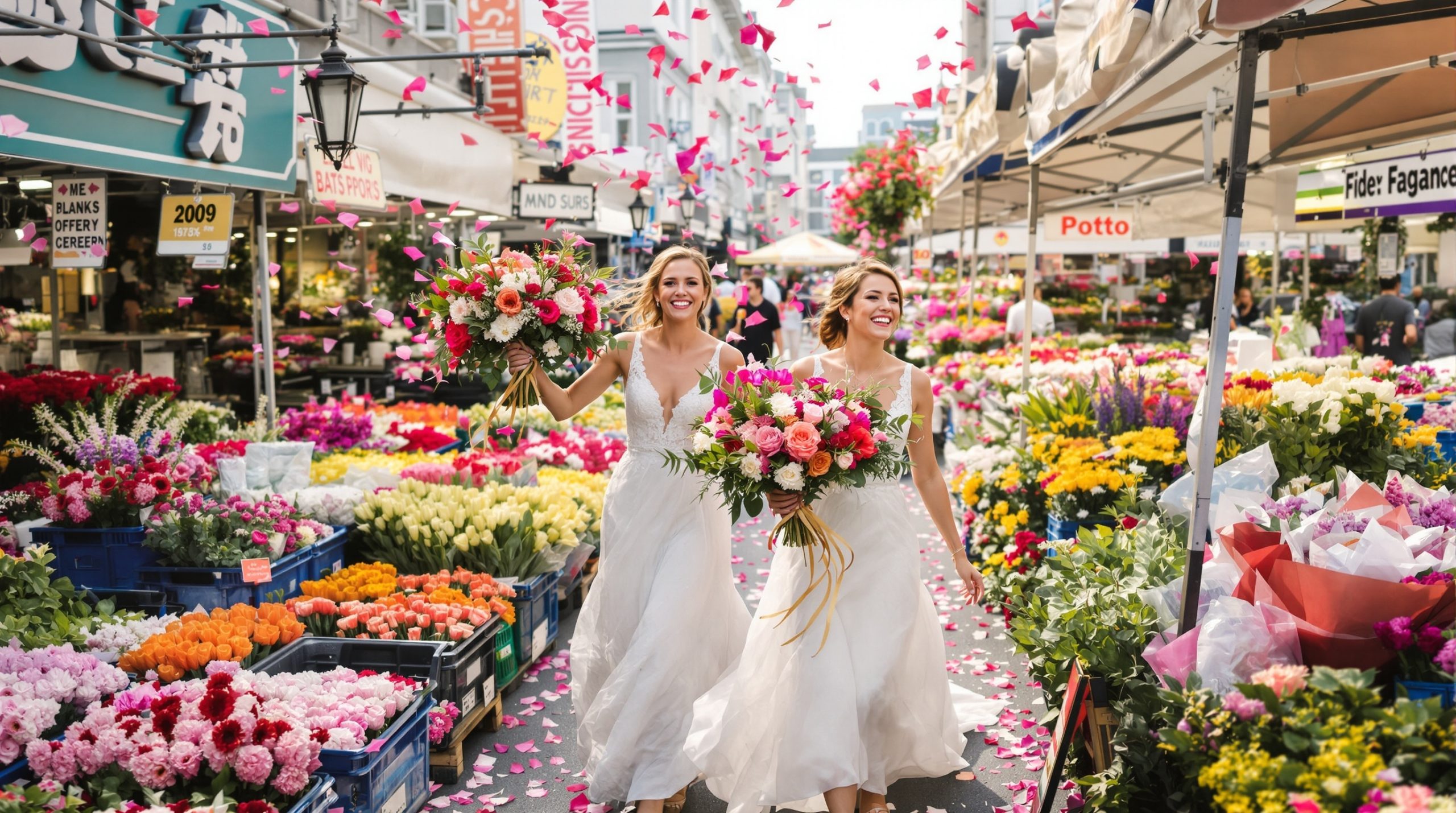
Nail your wedding flower game with these no-nonsense moves. Strategically mix budget blooms and seasonal picks to slash costs without losing style. Repurpose floral setups from ceremony to reception—this trick’s a game-changer. Leverage DIY skills for high-impact elements and make that vision board a reality without draining your account. Engage in competitive vendor talks; negotiate like a pro, price-match, and pivot with ease. Execute this like a pro, and there’s so much more that’s doable.
What you’ll accomplish (and what ‘done’ looks like)
Let’s cut to the chase: your wedding’s about making strategic moves that save you serious cash while delivering a knockout look. Here’s how you can reduce flower costs using budget flowers and smart flower alternatives. Pivot from high-cost imports to tier 1 blooms like carnations or alstroemeria, which are both budget-friendly and visually stunning. Execute greenery-heavy arrangements to fill spaces without breaking the bank. Strategically repurpose ceremony flowers for the reception—think altars and arches that double-dip on value. Streamline your approach with seasonal bouquets to achieve a natural look that’s both elegant and cost-effective. Keep in mind that most flowers in the U.S. are imported, which increases costs due to transportation and refrigeration. Aligning your design choices with venue layout can also enhance the visual impact while optimizing costs. Your goal? A wedding that’s 40% less than typical florist quotes. Next step: create a checklist of your flower needs and start sourcing smart.
Quick start (the short version)
When you’re ready to plunge into a wedding planning frenzy, jumpstart your floral strategy with a few tactical decisions that save both time and money. Execute these steps to save on flowers without sacrificing style:
- Bulk Up: Order wholesale blooms online—FiftyFlowers offers curated collections at a fraction of florist costs.
- DIY with Purpose: Maximize centerpiece savings by assembling your own. Go big or spread the floral love to extra tables.
- Seasonal Savvy: Opt for local, in-season flowers like alstroemeria or carnations—freshness and affordability in one swoop. Remember, DIY arrangements can match or exceed the beauty of florist options at a fraction of the price.
- Mix It Up: Combine budget-friendly and premium flowers for a dynamic, photo-ready bouquet.
- Repurpose Wisely: Double-dip by reusing ceremony blooms at the reception. Consider creating a detailed timeline for your floral arrangements, ensuring everything is executed seamlessly throughout the wedding day.
Next step? Create a timeline and checklist to keep your floral adventure on track.
Before you start: inputs you need
Before you jump headfirst into your floral strategy, it’s about setting the stage with the right inputs. You’ll need to be strategic and precise—no time for fluff when you’re juggling careers and crafting your dream wedding. Start by establishing a vision and a realistic budget; consider allocating 10-15% of your total wedding spend to flowers. Identify those key photo moments to guarantee you’re investing in high-impact areas. Assess your crafting skills and available time—remember, a DIY approach can take 12-15 hours. Professional florists offer expertise and peace of mind, but if you opt for a DIY method, you could reduce costs by 50-60% and still achieve stunning results. It’s important to anticipate hidden fees in your planning to maintain budget control.
Here’s your essential checklist to streamline the process:
- Vision and budget: Non-negotiable first steps.
- Key photo moments: Bouquets, ceremony décor.
- DIY readiness: Skills, time, emergency plans.
- Flower checklist: Personal, ceremony, reception.
- Miscellaneous flowers: Extra allocation for surprises.
Now, accelerate with confidence!
Step-by-step process
Ready to execute your wedding planning like a pro? Start by clarifying your constraints: know your date range, budget ceiling, and any non-negotiables that must be honored. With those set, strategically build your decision order so you can create a timeline that hits all the milestones and deadlines, ensuring a streamlined process from vendor outreach to locking in contracts. Consider the psychological factors that can contribute to mismanagement of your budget, such as unexpected expenses and stress, and plan accordingly. By using DIY Flower Kits, you can access a cost-effective and enjoyable flower arrangement process that offers customization and creative freedom, enhancing your celebration with personal touches.
Step 1: Clarify constraints (date range, budget ceiling, non-negotiables)
Kickstart your wedding planning with precision by nailing down those non-negotiables. First, establish your maximum budget ceiling—communicate it clearly to your florist. Transparency here means fewer headaches later. Knowing your financial boundaries helps florists offer cost-effective solutions and prevents time-wasting proposals that exceed your capacity. Next, pinpoint your wedding date and season. In-season flowers are your budget’s best friend. Summer’s sunflowers and winter’s elegant whites can save you big bucks. Finally, identify your non-negotiables. Is the bridal bouquet the star? Invest there and consider budget-friendly alternatives for lesser elements like reception centerpieces. Document your must-have floral elements, ensuring funds are allocated wisely. Geographic location can significantly impact floral costs; weddings in metropolitan areas generally incur higher floral expenses than those in rural settings. Now’s the time to execute with military precision, making every dollar work hard. Remember, venue expenses can consume a significant portion of your budget, so balance your floral spending accordingly. Ready to pivot? Let’s move on!
Step 2: Build the decision order (what to decide first so everything else is easier)
When you’re tackling wedding planning like a pro, the key is to execute with precision and strategic order. First, nail down your wedding theme and color palette. This foundation accelerates every other decision. Next, prioritize high-impact areas—think bridal bouquet, ceremony backdrop, and reception centerpieces. These visuals set the tone. Evaluate your venue layout to align flower scale and style, ensuring everything fits the space like a glove. Don’t get sidetracked by non-essentials. Focus on personal flowers like bouquets and boutonnieres based on party size. Consider a hybrid approach with DIY for small items and professionals for large pieces to maximize your floral budget. Finally, choose blooms that are in-season to dodge unnecessary costs. Remember, strategic sequencing isn’t just smart—it’s your secret weapon to slashing that florist quote. Now, go streamline your floral vision and watch it come alive. Consider employing modern priorities in budgeting to ensure that every dollar spent aligns with what truly matters for your big day.
Step 3: Create the timeline (milestones + deadlines)
Although wedding planning may seem like a colossal undertaking, creating a timeline with crystal-clear milestones and deadlines transforms chaos into kinetic precision. Start 12-14 months out by booking florist dates, securing your dream design team, and nailing down your budget. At 9-12 months, finalize the team, lock high-demand blooms, and outline your vision. Keep the momentum going 5-2 months out by confirming orders and purchasing supplies. Fast forward to 1 month out for a final detail review and bloom selection. Ensure that floral decorations typically account for about 10% of your overall wedding budget to manage expenses effectively. Open communication with vendors and team members is crucial to reduce stress and ensure everyone is on the same page. Finally, 1-2 weeks out, order fresh flowers for timely delivery. Each step is a strategic move in your wedding chess game, ensuring everything’s executed smoothly. Next up? Stay tuned for vendor outreach strategies that truly get the job done.
Step 4: Execute vendor outreach (scripts + tracking)
Let’s plunge into Step 4: executing vendor outreach with scripts and tracking that make your connections work harder than your morning espresso. First, identify vendors using local wedding blogs and compile a contact list. Set non-negotiable outreach goals—like contacting ten vendors by Friday. Treat it like project management: strategic, streamlined, and tracked to the tee. Prepare your elevator pitch and sample portfolios. When you reach out, lead with genuine compliments and propose tangible collaborations. Use email and phone scripts to keep things smooth and professional. Log every interaction in a spreadsheet; track who responds, who ghosts, and who might want more. Adjust your approach based on real-world feedback. Remember, it’s about gaining momentum, not perfection. Ensure clear communication with vendors to avoid misunderstandings and streamline the planning process. Collaborate with other wedding vendors for cross-promotion opportunities, as this can greatly enhance your visibility and attract new clients. Now, go execute with kinetic precision!
Step 5: Lock the plan (contracts, deposits, and contingency buffers)
Before you lock down your wedding plan, think like a project manager on a mission—contracts, deposits, and contingency buffers are your non-negotiables. Strategically outline every detail in your florist contract: total cost, payment due dates, and nonrefundable deposit terms. Be clear about responsibilities—yours and the florist’s—and lock in delivery schedules. No room for guessing games. Add a contingency buffer: acceptable flower replacements and weather plans. Don’t just assume everything’s rosy; get it in writing.
Negotiate smartly—use competitor offers to encourage price matching, and be ready to compromise on scope if needed. Protect yourself with a buffer for unexpected costs. Understanding the difference between service charges and gratuities can help you avoid unexpected fees and budget effectively. This is about executing with precision, not getting lost in dreamy florals. Now, hustle! What’s next? Keep momentum with organized weekly check-ins.
Step 6: Run weekly check-ins (how to stay on track without spiraling)
You’ve locked in the plan—contracts are signed, deposits are secured, and you’ve buffered for contingencies like the pro you are. Now, it’s time to keep the momentum rolling with weekly check-ins. Set a non-negotiable weekly review of your itemized floral checklist. Verify quantities—2 altar arrangements, 15 guest centerpieces. Compare actual spending against your planned budget. Adjust as needed: If costs spike, pivot to seasonal blooms or repurpose arrangements. Monitor outcomes using a simple spreadsheet—track booking timelines, acceptance rates, spending trends. This isn’t just planning; it’s executing a strategy. Advance booking discounts can help lock in lower rates for supplies and materials early in the planning process. Stay sharp and keep your eye on the prize: a stunning event that doesn’t spiral out of control. Next, focus on maximizing impact with fewer, larger arrangements for drama.
Template you can copy/paste (checklist + tracker)
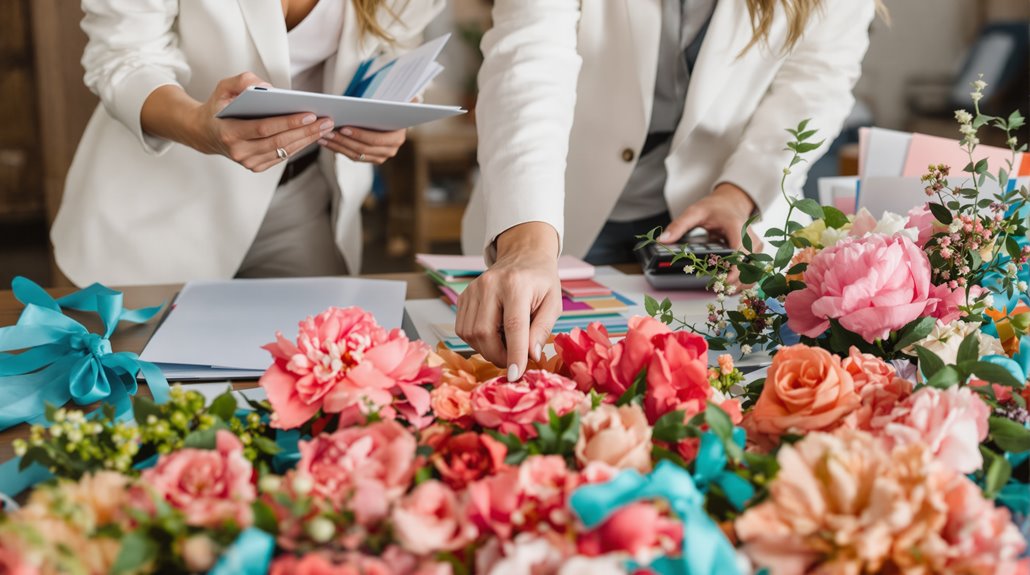
Ready to streamline your wedding flower plans without losing your mind? Let’s get strategic. Download our no-fluff checklist and tracker template that keeps you on top of every floral decision. You’ll allocate your budget smartly, from personal flowers to reception showstoppers. For a $20,000 wedding, you’re looking at $2,000-$3,000 for blooms. The checklist breaks down essentials: bride’s bouquet (5-10% of floral budget), boutonnieres, and corsages. Ceremony plans include arches and aisle markers, while reception details cover centerpieces and garlands. Track progress and costs with precision, executing your vision without a hitch. It’s project management meets floral finesse—no Pinterest perfect fantasies, just results. Download, execute, and move forward with confidence. Now, pivot to the next task on your list!
Common mistakes (and how to avoid them)
Stepping into the floral arena without a strategy? That’s like bungee jumping without a cord. To avoid costly mistakes and secure your floral success, let’s cut to the chase.
- Seasonality-Ignorance: Know your blooms. Out-of-season flowers? Prepare for sticker shock.
- Venue-Overlook: Don’t let venue rules wreck your plans. Confirm floral policies upfront.
- Weather-Neglect: Mother Nature’s a wild card. Use sturdy blooms that can handle the elements.
- Coordination-Failure: Clash alert! Sync flowers with gowns and venues for a seamless vibe.
- Care-Handling-Errors: Flowers need TLC. Keep them hydrated and out of harsh conditions.
Strategize like a pro to dodge these pitfalls and watch your wedding flourish without breaking the bank. Now, go execute with precision!
FAQ
Got a packed schedule but still want to pull off an epic wedding? Let’s break it down: executing a streamlined plan means knowing what to delegate, tracking weekly tasks, and having a minimum viable version that gets the job done. If a vendor ghosts you, pivot fast—time’s non-negotiable, and there’s always another hustle-ready pro to step in.
How long should this take if we’re busy?
How quickly can you pull off a wedding when you’re juggling a career and a social life? Let’s break it down. Strategically, you can execute a streamlined plan by choosing in-season local flowers, which cuts down sourcing time and costs. Aim to order 2-4 weeks before your event to avoid out-of-season hiccups. Schedule deliveries two days prior—this buffer is non-negotiable for rehydration and design prep. Small weddings (50 guests) can focus on personal flowers, accelerating the design phase. For setups, remember: Saturdays and Sundays hit you with premium labor charges, so consider weekday events. Keep ceremony decor minimal to save hours. Fast-track your wedding timeline with these efficiency tips and make your big day as smooth as your career moves.
What’s the minimum version that still works?
You’re juggling a career, a social life, and the million things in between—so let’s cut the fluff and get to what truly matters. The minimum version of your wedding floral setup doesn’t mean compromising on style. It’s about executing smart strategies. Opt for low-cost flowers like alstroemeria and carnations. Strategically mix them with statement blooms like roses for impact without the outrageous price tag. Prioritize seasonal and locally sourced blooms to save 30-50% and maintain freshness. Streamline arrangements to the essentials—smaller centerpieces and minimalist designs cut costs while still delivering sophistication. Use bulk purchasing to your advantage; DIY flower kits bring down per-stem pricing. Reality check: Overcomplicating leads to overspending. Focus on strategic beauty, not floral overload.
What can I safely delegate?
Considering what to delegate? You’ve got a hectic schedule, but fear not—strategically delegating tasks can be your secret weapon for wedding success. Start with venue and vendor research. Let family or friends kick off the initial search and shortlist options. Use Google Sheets to share contact info and keep everyone on the same page. For pre-wedding events, assign trusted pals to plan welcome happy hours or brunches. Designate a day-of coordinator to handle vendor communications and guest questions. Delegate setup checks like floral arrangements and vendor timing. Post-event, have someone manage decor breakdown and final payments. Remember, effective delegation isn’t just about offloading tasks—it’s about executing a streamlined, non-negotiable plan that gets the job done.
What if a vendor isn’t responding?
Ever feel like you’re shouting into a void when a vendor doesn’t respond? Stay calm—panic is the enemy of planning. First, allow a week or two before chasing them. Document every contact attempt; you’ll need it if things escalate. Don’t assume they’re ghosting you—other events might be eating their time. Switch up your contact methods: if calls fail, try emails or social media. Got a wedding planner? They’re your secret weapon for nudging vendors. Need to escalate? Reach out to the vendor’s supervisor, armed with a clear timeline of your attempts. Meanwhile, research backup vendors—having alternatives ready is your safety net. Remember, it’s about resolving issues smartly, not firing off complaints. This is your day, executed with precision.
What should I track weekly?
How do you keep your wedding planning on track without losing your mind? It’s all about strategic tracking. Each week, tackle these non-negotiables: monitor enquiry sources and client status updates—those insights are gold for your booking pipeline. Next, log new bookings and calculate monthly totals to see where you stand. Keep a sharp eye on profit margins; you know, costs vs. revenue per event? That’s your bread and butter. Track decor expenses down to the last boutonniere to avoid budget blowouts. Don’t forget: update your pricing formula based on current costs. Execute these weekly moves, and you’ll stay ahead of the chaos. Ready to pivot? Set reminders now, because organized hustle gets the job done. Embrace the smart shortcuts; they’re your wedding planning superpower.
Key takeaways
To nail your wedding floral budget without sacrificing style, start by understanding your tiers and options. Strategically plan your floral spend by breaking down the budget into key areas.
Start your floral budget plan by identifying key areas to maintain style without overspending.
- Repurpose: Ceremony florals can double up at the reception.
- Seasonal blooms: Choose in-season flowers to cut costs and boost beauty.
- Statement pieces: Focus on impactful items like your bridal bouquet.
- Greenery: Use ferns and eucalyptus to fill space elegantly.
- DIY wisely: Consider silk bouquets for a luxe look without the price tag.