
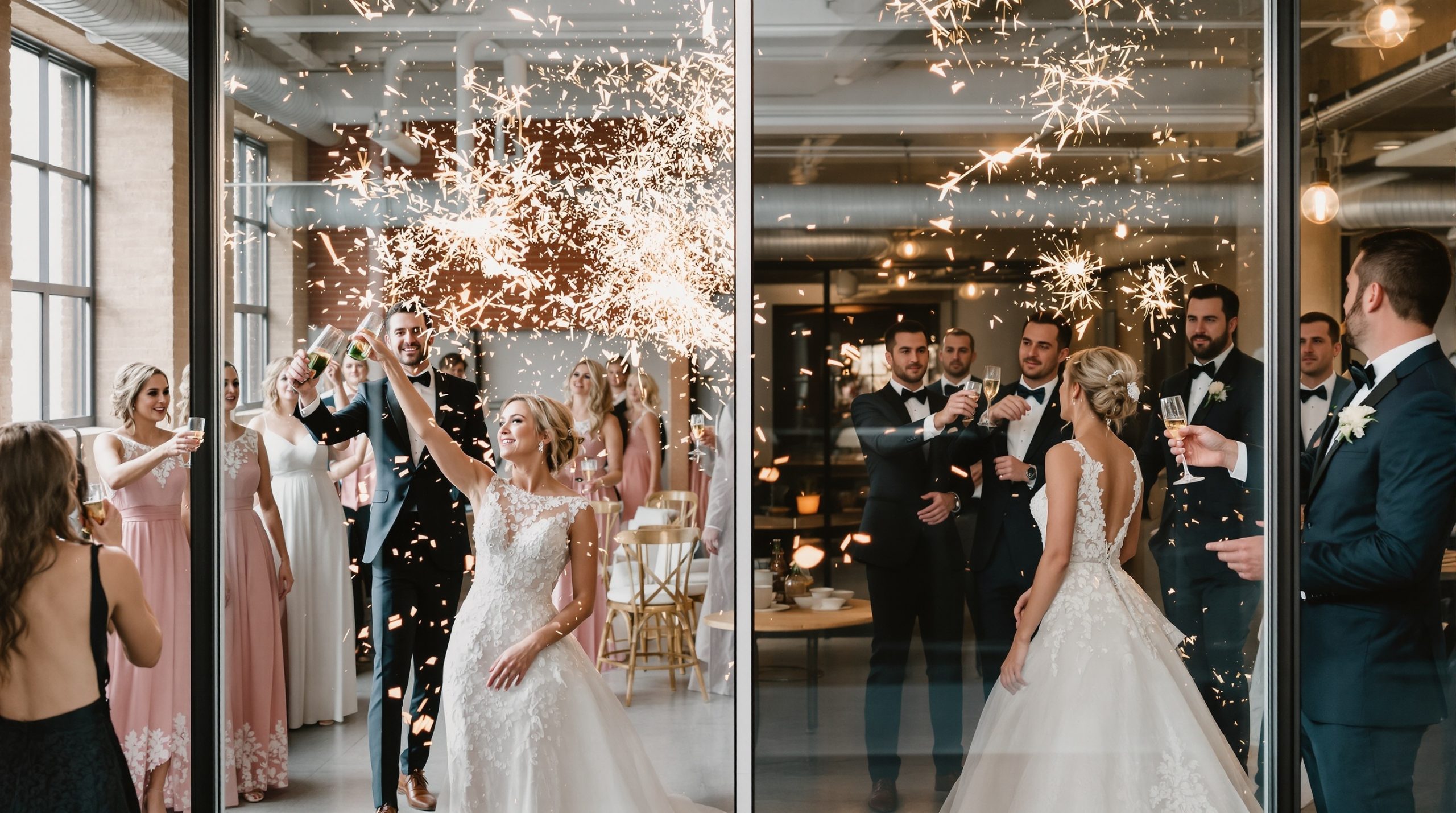
Getting ready together accelerates your morning by turbocharging camaraderie and streamlining logistics. Separate prep maintains mystery and gets the job done with precision, allowing for personal reflection and more dynamic photo ops. Your timeline’s impact pivots on strategic coordination: together for emotional momentum, separately for tactical surprise. The choice hinges on your non-negotiables—either sync up or divide and conquer. Whichever you pick, there’s a path forward that’ll optimize your big day’s momentum. Ready to reveal more insights?
Quick verdict: Getting Ready Together vs. Separately (who each is best for)
When it comes to deciding whether to get ready together or separately on your big day, it’s all about strategic execution and knowing what fits your dynamic best. Let’s streamline your getting ready timeline with a focus on efficiency and clarity. Joint vs separate prep isn’t just about tradition; it’s a tactical choice that influences your prep location decision and the entire day’s flow. Here’s how to paint the picture:
- Joint Prep: Share the excitement, coordinate styles, and maximize momentum.
- Separate Prep: Allows for personal reflection, individual timelines, and surprise factor.
- Location Flexibility: Choose spaces that adapt to your plan, not vice versa.
- Time Management: Allocate slots wisely; every minute counts. With the trend of living apart together on the rise, some couples may prefer separate preparations to maintain a sense of independence even on special occasions.
- Focus on Essentials: Prioritize what truly matters—ditch the fluff.
Now, decide what accelerates your day’s success!
At-a-glance comparison: Getting Ready Together vs. Separately
Whether you’re the type who thrives on shared experiences or prefers a little solo zen before the big “I do,” your getting-ready routine sets the tone for the entire day. Let’s break down the logistics:
| Together Prep | Separate Prep |
|---|---|
| Breakfast bonding | Solo zen focus |
| Shared buttoning | Strategic split coverage |
| Early day time gain | Efficient location pivot |
| Calm nerves together | Special solo moments |
| Partial surprise maintained | Extended coverage flexibility |
Getting ready together accelerates the morning with shared tasks—buttons, hairspray, and laughs—streamlining stress. Separate prep allows for strategic photographer pivots, optimizing time with precision. Both approaches have non-negotiable benefits; it’s about what gets the job done for you. Couples choosing to combine both options might start their day together, sharing breakfast and quality time, before splitting up for final touches and a thrilling first look. Choose strategically, and remember: this is about execution, not perfection.
Define the options (so you’re comparing the right things)
When comparing “Getting Ready Together” versus “Separately,” guarantee you’re clear on what each choice entails. Together means a shared morning filled with teamwork and laughter, while separately offers focused self-care and anticipation. Don’t mistake together for chaotic or separate for lonely; both can be strategically executed to match your dynamic duo’s needs. Getting ready together sets the stage for shared excitement with laughter and stories, creating a bond before the ceremony.
Getting Ready Together: what it is, what it includes, and the common misconceptions
Ditch the outdated tradition of getting ready separately and embrace the efficiency of preparing together on your wedding morning. This isn’t just about logistics; it’s a strategic move that builds camaraderie and intimacy. Preparing in the same space with your partner, surrounded by family and friends, accelerates the timeline while enhancing those authentic emotional connections. Forget mandatory separations for surprise reveals—this approach gets the job done without sacrificing meaningful moments. By sharing the morning, you can also reduce stress, as having a day-of coordinator ensures smooth execution and manages any unexpected issues.
Common misconceptions? You won’t rush through the morning or ruin the photo ops. Instead, you’ll create genuine memories and eliminate pre-ceremony nerves. Creating a relaxed environment leads to genuine enjoyment and connection among participants. Allocate time wisely: 45 minutes per bridesmaid, 60-90 for the bride. Coordinate with your photographer for seamless shifts. Embrace the chaos, streamline the process, and make this part of your wedding experience truly unforgettable.
Separately: what it is, what it includes, and the common misconceptions
While some might cling to tradition, getting ready separately on your wedding morning is an option loaded with strategic considerations. It’s about executing an intentional morning, keeping the first reveal a surprise. You’ll have separate suites, one for the bride and bridesmaids, another for the groom and groomsmen, each buzzing with hair, makeup, and dressing action. This setup accelerates individual preparation while preserving those heart-stopping aisle moments. Misconceptions abound—this isn’t about pre-wedding exile or saving time. It’s a timeline investment, adding layers of coordination. You’re not dodging photos either; you’re gaining more personalized shots. Be aware: it demands logistical finesse and, yes, more venues. If you’re game for the hustle, sync with your planner and lock those timelines tight. Consider incorporating a wedding coordinator to serve as a liaison with vendors, which can help streamline the day’s events and ensure smooth logistics. To navigate family dynamics effectively, strategic compromises may be necessary to maintain the couple’s vision and ensure a harmonious atmosphere.
Cost breakdown (upfront vs hidden costs)
You’re probably aware that weddings don’t come cheap, but let’s break it down before you start writing checks. Upfront costs like venue and catering command a hefty 40-45% of your budget, but it’s the sneaky hidden costs—service charges, gratuities, and those last-minute “must-haves”—that can really mess with your financial game plan. Budget overruns often occur due to lack of prioritization, leading to misallocation of funds and unexpected expenses. Plan strategically and arm yourself with a no-nonsense checklist to keep surprises at bay and your budget intact. Keep in mind that the average wedding cost in 2025 is $36,000, reflecting the upward trend in expenses over recent years.
Line-item cost comparison by tier/budget
Steering wedding planning costs can feel like parsing a corporate budget report, but it doesn’t have to be a headache. You need a clear line-item budget strategy to keep things under control. Here’s a smart breakdown:
| Tier/Budget Level | Cost Range |
|---|---|
| Day-of Coordination | $800–$3,000 |
| Partial Planning | $1,000–$7,500 |
| Full-Service Planning | $3,000–$20,000+ |
| Corporate Events | 15-20% of budget |
| Venue & Insurance | $2,500 upfront |
Executing your vision means understanding these tiers. Strategically choose one that aligns with your non-negotiable goals. Factor in hidden costs like catering and swag. Vendor quotes aren’t just suggestions—they’re your roadmap to avoid surprises. Now, streamline your decisions, pivot when necessary, and stay on top of every detail to get the job done. Remember that venue expenses can consume a significant portion of your budget, often around 35%, so plan accordingly.
What actually drives cost changes
Understanding what actually drives cost changes is key to mastering your wedding budget without losing your sanity. Hidden fees are the sneaky culprits here. Let’s streamline your expenses by focusing on the overlooked costs that can skyrocket your final bill. Think of this like a corporate project—get smart about the details.
- AV and Technology: Beware of “all-inclusive” quotes that balloon with labor, setup, and tech fees.
- Food and Beverage: Tack on service charges, gratuities, and mandatory taxes—these aren’t optional.
- Accommodation and Venue: Conference premiums and teardown fees can surprise you.
- Labor and Staffing: Overtime for extended hours isn’t just a nice-to-have. Venue costs can be negotiated with payment plans and off-season discounts, which can help manage these expenses.
- Miscellaneous Fees: Permits, licenses, and insurance fees lurk in the shadows. These extra costs can add up quickly, as service charges, gratuities, and surcharges can increase F&B bills by 25% or more.
Reality Check: Ignoring these can derail even the best-laid plans.
Planning workload & logistics impact
When you’re planning a wedding, it’s essential to strategically balance time, complexity, and coordination, especially when considering vendor availability and flexibility. Executing a streamlined plan requires you to be sharp on your logistics game—like a project manager who won’t take “bless and stressed” for an answer. Make certain your timeline accounts for vendor lead times and potential pivots to keep your day running like a well-oiled machine. Prioritizing contract hygiene ensures clarity in service specifics and protects against unforeseen cancellations, which is crucial for a seamless wedding day.
Time, complexity, and coordination differences
Executing a wedding plan demands more than just a Pinterest board and a dream; it requires a meticulously structured approach that respects your time and sanity. You’re not decorating cupcakes; you’re orchestrating a large-scale event that needs strategic execution. Understand that time, complexity, and coordination differences are non-negotiable.
- Time Management: Break your timeline into phases—pre-planning, detailed planning, and final prep.
- Complexity Control: Tackle big tasks by dividing them into smaller, urgent pieces.
- Coordination Mastery: Assign point persons for accountability and use tools like Trello to centralize tasks.
- Proactive Delegation: Get roles sorted early to prevent bottlenecks.
- Clear Communication: Use instant messaging for quick updates.
Decision paralysis, often fueled by choice proliferation, can hinder the momentum of your planning process, so it’s crucial to streamline your approach and pivot swiftly.
Reality Check: Overlooked dependencies can snowball; stay vigilant. Streamline your approach and pivot swiftly.
Vendor availability + flexibility considerations
Securing the right vendors for your wedding can feel like maneuvering a chessboard—one strategic move at a time. Early booking—six to nine months ahead—means securing prime dates and access to top-tier vendors. With venue prices spiking 10-15%, and the need for hybrid-ready spaces, your strategy must be pinpoint accurate. Flexible contracts and contingency plans cut cancellation risks by 15%. Allocate 37% of the overall budget to venue and related expenses, using the national average cost of $12,200 as a baseline for planning. Here’s the checklist for a streamlined approach:
- Book vendors early: Gain access and adaptability.
- Negotiate flexible contracts: Mitigate financial risks.
- Prioritize hybrid-ready venues: Future-proof your event.
- Use digital automation: Boost scheduling efficiency by 30%.
- Adopt event software: Manage workloads seamlessly.
Reality Check: Overbooking’s a trap—stay strategic, not frantic. Execute smartly, and your wedding’s a controlled, curated win.
Guest experience impact
How you and your partner choose to get ready can set the tone for your guests’ entire experience. If you’re managing hair and makeup together, expect a more relaxed vibe that might delay photo ops and guest mingling. Separately, you streamline logistics but brace for a few logistical hiccups—either way, having a solid timeline is non-negotiable. Consider setting mission-critical goals early in the planning process to ensure everything flows smoothly on the big day.
How guests perceive it + where friction shows up
When guests arrive at your wedding, their first impression sets the tone for the entire day. You want a seamless experience that feels like a luxury, not a logistical nightmare. Strategic execution of timelines is non-negotiable for success. Flawless timing means relaxation, not stress. But chaos lurks in missed details—miss those, and you risk awkward gaps and visible tension.
- Signature drinks or water stations: VIP vibes from the start.
- Clear itineraries: Avoids guest disorientation.
- Transportation: Seamless logistics elevate the experience.
- Personal touches: Authentic choices beat generic traditions.
- Warm greetings: Contrast logistical hiccups like parking issues.
Aligning guest count with budget and venue limitations ensures a comfortable and high-quality experience for everyone involved. Bless and stressed? No thanks. Execute with finesse: use checklists, designate decision-makers, and prep for surprises. Keep the momentum; your guests deserve it.
Best-fit scenarios (choose based on constraints)
Choose to get ready together if your priority is executing a cohesive experience that accelerates momentum for the big day, syncing logistics like a well-oiled machine. Opt for separate preparations if you value strategic personal time to streamline your schedule, ensuring laser-focused calm amidst the chaos. Either way, make intentional decisions based on what gets the job done within your non-negotiable constraints.
Choose Getting Ready Together if…
While every couple’s journey is unique, strategically getting ready together can be a game-changer for those who thrive on efficiency and clarity. Living together before marriage isn’t just a trend; it’s a tactical approach to steering your relationship like a well-executed project plan. It’s about smart shortcuts and intentional decisions that get the job done without the fluff.
Consider getting ready together if:
- You’re managing financial constraints and want to split expenses smartly.
- You’re keen to test compatibility in realistic settings.
- Emotional bonding through shared experiences is a priority.
- Planning alignment with long-term goals is non-negotiable.
- You seek practical convenience and a realistic preview of married life.
Reality Check: Cohabitation isn’t a silver bullet but a strategic move in your relationship game plan.
Choose Separately if…
Opting to get ready separately on your big day isn’t just a nod to tradition—it’s a strategic play in the wedding planning game. For high-energy couples who thrive on efficiency, this approach maximizes time and minimizes chaos. You gain control over your prep timeline while setting the stage for an impactful first reveal. Execute this plan when:
- You need privacy for intimate moments with family or your bridal party.
- Your prep times vary—maybe the groom’s done faster.
- You want to avoid the risk of excitement preventing rest.
- You’re hosting an elopement with few guests and intimate logistics.
- You aim to heighten emotional impact by seeing each other in attire for the first time.
Reality Check: Keep track of timelines to avoid accidental delays.
Real-world scenarios (examples with numbers)
Imagine this: You’ve got 150 guests, a $30,000 budget, and a priority list that screams “quality over quantity.” You could strategize solo, controlling every detail on your own terms, or you could maximize group synergy, using teamwork to execute with precision. The numbers don’t lie—when you align your hustle with a streamlined plan, you gain back both time and sanity.
3 sample scenarios: guest count + budget + priorities
Executing a wedding plan with laser precision isn’t just a luxury—it’s a non-negotiable for ambitious couples juggling life, love, and a killer career. Let’s break down the numbers so you can make strategic decisions and move forward effortlessly.
| Guest Count | Budget Range | Priority |
|---|---|---|
| 20-50 | $20K-$50K | Intimacy |
| 50-100 | $50K-$100K | Balance |
| 100-200 | $100K-$200K+ | Grand Scale |
For an intimate affair, a $30K budget means $600 per guest—perfect for quality catering. Medium size? You’re looking at $300 each, balancing priorities. Go grand, and you’ll stretch $200 per guest, risking cuts. Keep RSVPs tight to avoid food waste. Remember, timelines matter—invites three months out, RSVPs two months out. Ready to get hustling?
Common mistakes (and how to avoid them)
Let’s face it—underestimating time and work required for your wedding day is a rookie mistake you don’t want to make. Rushed schedules? Not on your timeline. Here’s how to avoid common pitfalls like a pro:
- Account for travel: Moving between venues? Build in buffer time. Changes aren’t teleportation.
- Don’t skip buffers: Allow moments to breathe between events. Spontaneity needs space.
- Streamline the timeline: Ditch overcomplicated plans. Focus on essentials first—venue before invites.
- Backup plans are non-negotiable: Weather doesn’t RSVP. Keep a tent or indoor option on standby.
- Book smart, book early: Hotel blocks fill up. Secure rooms for out-of-towners pronto.
Execute these steps strategically, and your day will move like a well-oiled machine. Act now, avoid regrets.
Copy/paste decision matrix template
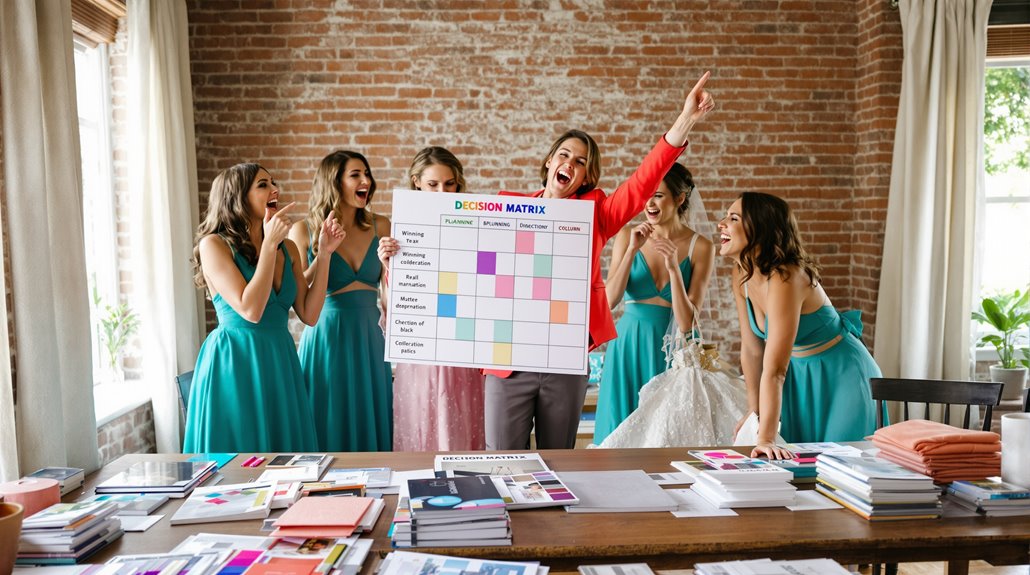
When it comes to efficient wedding planning, a decision matrix template is your best friend. It’s a powerhouse tool that transforms chaos into clarity by strategically evaluating options. Start by defining your criteria—cost, ease of use, customer support. Assign weights to each based on importance. List your options, like vendors, in rows. Score each option from 1 to 5. Multiply scores by weights for a transparent, objective total. This template doesn’t just streamline; it accelerates decision-making, ensuring you’re not caught in wedding planning limbo. You’ll quickly identify the best choice with precision and confidence. Copy, paste, and execute—your wedding planning just gained momentum. Now, grab that template and get moving; your timeline won’t wait!
FAQ (quick answers to common edge cases)
Stuck between getting ready together or separately? Let’s streamline your decision: prioritize proximity and vendor confirmations to minimize risk, and have a plan B ready for any hiccups. If your guest list balloons by 20%, recalibrate logistics and photographer coverage—strategic pivots like these guarantee a smooth execution without derailments.
What if I’m stuck between two options?
Ever find yourself caught between the rock of tradition and the hard place of modern convenience? You’re not alone. Getting ready together versus separately can feel like a strategic pivot, not a dilemma. If anxiety’s your uninvited plus-one, consider joint prep; it’s like a superpower against pre-wedding jitters. Need some solo zen before the big reveal? Opt for separate spaces, gaining focus through intentional solitude. Hybrid approaches—like starting together and then splitting for final touches—blend anticipation with intimacy, creating a streamlined yet personal timeline. Remember, execution trumps tradition. Your day, your rules. Make a choice that gets the job done and aligns with your relationship dynamics. Strategically decide, execute with confidence, and move forward with the plan.
What’s the easiest way to reduce risk with either option?
How do you minimize risk while getting ready together or separately? First, embrace the science of project management. Whether you’re getting ready side-by-side or going solo, the key is to identify potential pitfalls early and address them head-on. For couples preparing together, streamline with shared timelines and checklists. Sync schedules, so you’re not running circles around each other. For solo prep, prioritize tasks and set realistic deadlines to avoid last-minute chaos. Utilize tools like Trello or Asana to keep everything in check. Remember, execution is everything. Move with purpose and pivot when necessary. The job gets done when you control the chaos.
Reality Check: Risk is inevitable. But strategic planning and smart shortcuts transform potential headaches into streamlined success. Make decisions intentionally.
What should I ask vendors to confirm assumptions?
You’re ready to tackle the vendor maze, and it’s time to get those assumptions confirmed with precision. As a high-energy couple, you know the drill—dates, times, rates, and cancellation policies must be nailed down in writing. Triple-check these with laser focus. Review insurance requirements and verify what’s included, from tablecloths to glassware. Grab that preferred vendor list from your venue—it’s a shortcut to success, not a detour. Finalize timelines and confirm every detail, from arrival times to ceremony cues. Don’t just assume; confirm meal selections and logistics weeks in advance. Payments, too—get them squared away. Track your outstanding balances and prep checks like a pro. Your wedding isn’t just planned; it’s strategically executed. Next steps? Confirm everything.
What changes if my guest count swings by 20%?
When your guest count swings by 20%, it’s not just a “let’s see what happens” scenario—it’s a logistical pivot that demands strategic execution. Think of it like adding a new project at work with a tight deadline. You need to nail down per-person budgets: food, staff, and linens adjust like clockwork. Underestimate by 20% to buffer against 20-30% no-shows. Venues need space precision—too cramped or too empty? Not chic. RSVP tracking becomes your new best friend, ensuring every seat’s filled without surprises. Vendors? Keep them looped in; final counts are due 5 days out. This is where controlled chaos shines—intentional moves, not panic. Next step: set firm RSVP deadlines and embrace the hustle.
What’s the best fallback plan if something goes wrong?
Even with meticulous planning, things can go sideways—cue the controlled chaos. Having a solid fallback plan is non-negotiable. Start with vendor confirmation protocols: touch base with your caterer, DJ, and photographer one to two weeks out. Keep a printed list of vendor contacts handy. Assemble an emergency kit with essentials like safety pins and stain removers. Weather’s a wildcard—plan a venue backup. Confirm tent rentals or indoor spaces in advance. Review schedules with vendors and your day-of coordinator. Keep a printed timeline for everyone involved; it’s your lifeline. Manage documentation—marriage license, guest accommodations, and payment envelopes. When chaos hits, you’ll pivot with precision. Next step? Execute these strategies to guarantee your day moves smoothly, rain or shine.
Next steps: make the decision + execute the plan
As you’re gearing up to make one of the biggest decisions together, think of it as executing a strategic move rather than just a life change. Ditch the sliding approach—intention is your power move. Let’s get into action:
- Discuss goals: Align on why you’re choosing this path and how it fits into your big picture.
- Set expectations: Clarity on roles and responsibilities guarantees no one’s left baffled in the dust.
- Create a timeline: A well-executed plan thrives on precise timing—pin down those dates.
- Build a checklist: Track progress and pivot when necessary—because who loves surprises?
- Communicate openly: Keep lines buzzing to dodge the “bless and stressed” trap.
Reality Check: Sliding in without a plan? You’re betting against the odds.