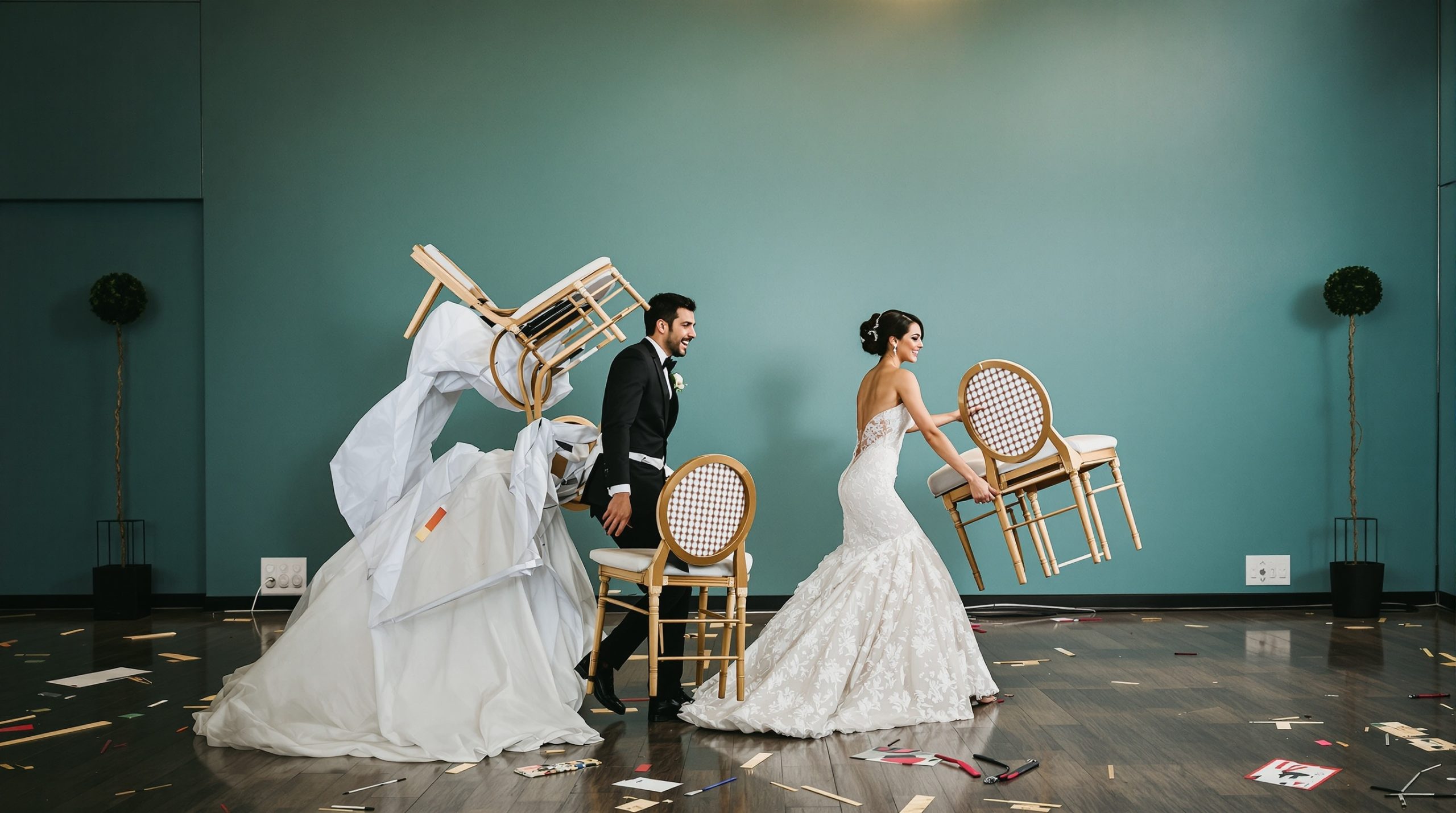
Skip the head table fiasco—it’s a logistical quagmire that’ll isolate your bridal party and cramp the guest experience. Who wants more awkward silence and scattered partners? Not you! Streamline the chaos: consider a sweetheart table for intimacy or king’s tables to keep the party vibes rolling. Weddings are a project—execute with precision, keeping everyone in on the action. Aim for dynamic interaction, not stagnant tradition. Want more strategic wedding hacks that get the job done? 🚀
The thesis (what people get wrong)
You might think a head table is the gold standard for weddings, but let’s deconstruct that myth right now. Head table problems aren’t just logistical nightmares; they can leave the guest experience compromised and planning stress unnecessarily heightened. Imagine this: your bridal party’s significant others are scattered, stepparents struggle for a spot, and guests wander like lost sheep due to confusing seating arrangements. This outdated tradition prioritizes visibility over genuine connection, leaving your party isolated and your stress levels skyrocketing. A head table can also limit personal interaction with guests who are not seated at the table, making it harder to engage with everyone. Why stick to a rigid format when you can embrace more streamlined strategies? Think sweetheart tables or mixed seating plans that pivot around real relationships, not antiquated norms. Ditch the drama and execute a wedding that actually works for everyone. For a seamless event, consider building contingency plans to handle unexpected issues, ensuring a stress-free environment for both hosts and guests.
Why this happens (the real root causes)
Head tables at weddings might seem like the epitome of tradition, but they’re often a logistical headache. Why? They reinforce hierarchy, which is a buzzkill at any party. Imagine this:
Head tables: traditional yet hierarchical, turning joyful celebrations into organizational nightmares.
- Rectangular tables scream authority. The head position isn’t just a seat; it’s a power trip.
- End seats? They might as well be Siberia, isolating guests from the action.
- Physical distance makes sharing a toast feel like a shouting match.
- Stress-inducing setups lead to awkward interactions and missed connections. This can be further complicated by guest experience, which focuses on immersive interactions to engage guests meaningfully.
- Inefficiency reigns as the head table becomes a bottleneck for fun. Ineffective meetings can negatively impact employee performance and job satisfaction, highlighting the importance of planning and leadership behavior.
Consider head table alternatives like a sweetheart table vs. head table. You want a streamlined, efficient approach that gets the job done without bridal table issues. Let’s pivot from tradition and embrace intentional decisions.
What to do instead (the better framework)
Forget the head table; it’s time to pivot to a smarter, more strategic setup that accelerates the fun without the fuss. Instead of isolating key players, integrate them into the action. Embrace frameworks that get the job done with precision and flair. Here’s how:
- Drexler/Sibbet Model: Navigate team dynamics through seven stages, ensuring smooth shifts and high performance.
- Systemic Team Coaching: Align wedding teams with your goals, boosting stakeholder satisfaction and execution speed.
- GRPI Model: Define clear goals and roles to maintain harmony and engagement.
- Lencioni Model: Avoid dysfunctions—trust and accountability are your best friends.
- Hackman Model: Focus on enabling conditions, not micro-management, for a self-sustaining team. Prioritize a guest-centric checklist to ensure all aspects of the event are tailored to enhance the guest experience.
Reality Check: Execution trumps aesthetics; pivot fast, pivot smart. Evidence-based models have been linked to a 32% performance increase in teams, making them invaluable for ensuring your event runs smoothly.
How to apply it in real life
Let’s say you’ve got a guest list longer than your to-do list and traditional seating is a logistical nightmare—pivot to strategically placed pods that maximize interaction and space. For high-stakes moments like incorporating a large bridal party, opt for dynamic mingling stations that keep the energy up and your budget down. A sweetheart table offers intimacy amidst the wedding chaos, providing a private moment for the couple during the reception. Utilize online RSVP systems to streamline guest management, reducing chaos and ensuring you focus on what really matters. And if you’re juggling careers and can’t waste a second, execute a streamlined layout plan using our ready-to-go templates that get the job done while you focus on what really matters—like being present on your big day.
Example 1: a common scenario + the better move
While a sprawling head table might seem like a power move, it often becomes a logistical quagmire that muddies your wedding day flow. Imagine this: you’ve got a massive bridal party—9 bridesmaids, 8 groomsmen. Everyone’s crammed together, conversation limited to whoever’s next to them, and let’s face it, your partner’s stuck on the end. Noise levels skyrocket, and guess what? You’re missing the chance to actually enjoy your own wedding. Here’s your better move: execute a sweetheart table. It’s streamlined and intimate, giving you and your partner a moment to breathe. Let your bridal party mingle with their partners. This isn’t about Pinterest; it’s about strategic execution. Additionally, remember that the seating arrangement is for dinner and toasts duration only, so focus on enjoying the celebration afterward. Action item: integrate a sweetheart table layout into your planning checklist.
Example 2: a high-stakes scenario + the better move
When the stakes are high, a sprawling head table can become your wedding’s weakest link. Envision this: your wedding day is a high-stakes operation. A head table, where decisions bottleneck, isn’t just inefficient; it’s a recipe for chaos. You need a setup that accelerates decision-making, not one that stalls it. Empower your team by granting autonomy—it’s a non-negotiable strategy to counter burnout and micromanagement. Ditch the autocratic oversight. Instead, pivot to a distributed leadership model that gets the job done efficiently. Train your squad to adapt under pressure, ensuring everyone’s on the same page. Use checklists and timelines to keep momentum. The better move? A streamlined decision process that’s executed with precision. Next steps: delegate, empower, and execute. Companies that use decision frameworks effectively see 10.3% higher annual shareholder returns over five years, highlighting the importance of structured decision-making in high-stakes scenarios. Incorporate project management principles to break down logistics into actionable steps, optimizing time and resources for a seamless execution of your event.
Example 3: a ‘we’re busy’ scenario + the better move
In the relentless hustle of planning a wedding, busyness isn’t just an excuse—it’s the norm. You’re managing timelines tighter than a drum, with communication breakdowns lurking like wrecking balls. Leaders often delay responses, fueling frustration. Let’s pivot from chaos to clarity. Establish structures that streamline responsibilities—like a well-oiled machine. Implement authentic updates; think SMS surveys for real-time feedback. Train leaders to cut through the noise with fast, frequent discussions. It’s about strategic execution, not pretty Pinterest boards. With clear communication lines and two-way tools, you’ll avoid costly errors and boost morale. Open communication enhances employee morale and engagement, which can significantly improve the team’s overall performance during such high-pressure events. Remember, vendor availability is a critical factor that can impact your planning timelines, so maintain flexibility and proactive communication. Ready to ditch tradition’s fluff for hustle’s precision? Next step: outline team norms using Radical Candor. It’s your non-negotiable path to getting the job done.
Counterpoints (when the old way is actually fine)
Executing a wedding plan with precision doesn’t mean you have to ditch every tradition. Sometimes, the old ways work just fine. The head table can actually be a strategic move for those who value tradition and connection. It’s not just a table; it’s a hub of interaction and a visual statement of unity. Execute it well, and it becomes a non-negotiable asset:
- Chat and Laugh: Share genuine moments with your closest circle.
- Classic Vibe: Elevate the event with a timeless, formal touch.
- Unity Visual: Symbolizes two families coming together.
- Atmosphere: Encourages relaxed conversations and creates memorable interactions.
- Aesthetic Touch: Customize with unique décor elements.
- Establishing a planning station early can ensure that traditional elements like the head table are incorporated seamlessly.
- The Traditional Head Table creates cherished memories by fostering interaction with close friends and family.
Action plan (do this next)
Before you dive headfirst into wedding planning chaos, let’s pivot to a strategic action plan that gets the job done with kinetic precision. First, toss the head table idea and embrace a layout that maximizes guest interaction and efficiency. Here’s how to execute it:
- Request the venue floor plan early; position key guests within clear view of speeches.
- Number tables logically—smallest numbers near entryway—so guests find seats fast.
- Color-code guest lists for balanced social dynamics; make certain everyone knows at least one other person at their table.
- Round down table capacity by two seats to avoid cramped chaos and save space for extras.
- Display seating charts strategically where everyone passes; update changes promptly.
- Create a clear budget that includes savings, contributions, and goals to ensure a smooth and stress-free planning process.
Now, go forth and plan with purpose!
Visual summary you can share
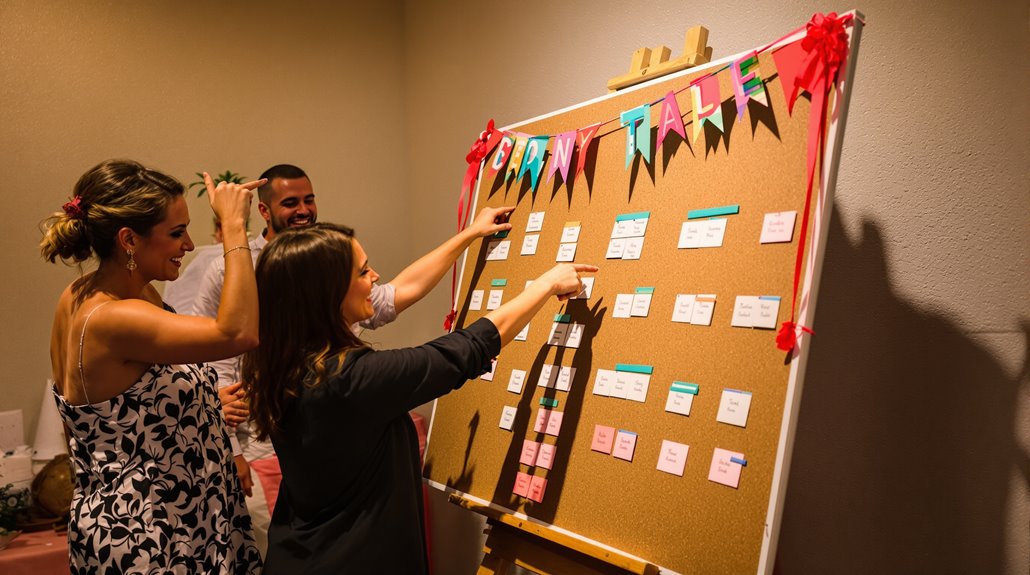
Your action plan’s rocking, so let’s kick it up a notch with a visual summary that screams efficiency and clarity. Create a visual roadmap that strategically highlights the challenges of head tables. Use bullet points to dissect space challenges: show how a long table eats up precious venue space, cutting guest seating. Illustrate seating awkwardness with a flowchart showing how critical seating decisions get messy fast. Graph interaction limitations, spotlighting how conversation flows get blocked. Expose social isolation issues with a diagram of a couple isolated from the action. Finally, lay out logistics and costs in a comparison table—head table vs. alternatives. Be aware that hidden costs can inflate your budget significantly, so understanding all potential fees is essential. This visual aid isn’t just pretty; it’s a tool to pivot your wedding layout toward streamlined success. {img} Filename: HeadTable_VisualSummary.png
FAQ
Got a family or vendor pushing back on ditching the head table? No worries, pivot by explaining the strategic benefits of seating that keeps everyone included and happy—it’s your day, not a negotiation table. Already made a ‘wrong’ decision? Fast-track your course correction by aligning with your partner using a clear, shared vision and executing a seating plan that gets the job done today with minimal friction.
What if my family/vendors push back?
When your family or vendors push back on ditching the head table, it’s time to pivot your strategy with some kinetic precision. Explain that head tables isolate bridal party partners, prioritizing formality over comfort. Highlight that sweetheart tables allow you to enjoy each other while mingling with guests—perfect for dynamic duos like yourselves. Share how industry trends support seating bridal parties with their partners for better interaction. Vendors will appreciate your smart approach to guest engagement, enhancing the event’s vibe. Strategically present alternatives like king’s tables or family seating that promote natural conversation without a formal lineup. Use data to back up your choices, showing flexibility trumps tradition. Next step? Confidently execute a seating plan that streamlines the celebration.
What if I already made the ‘wrong’ decision?
Did you think opting for a head table was set in stone? Think again. It’s not a non-negotiable choice. If the head table isn’t executing the vibe you envisioned, pivot! Here’s the deal: you’re not trapped. Strategically revise your seating to align with your vision. Consider sweetheart tables or split head tables. Keep the bridal party close while uniting spouses—streamlined and smart. Venue flexibility allows you to adapt configurations based on wedding party size. Feasting tables accommodate large groups, giving partners the spotlight they deserve. Photos are essential; king’s tables offer group visibility without awkward angles. Remember, this is your event, not a traditionalist’s dream. Evaluate, decide, and move. The faster you course-correct, the smoother everything flows.
What’s the fastest way to course-correct?
So, you’re knee-deep in wedding planning chaos, and the head table decision feels like a misstep. Time to pivot with precision. First, ditch the drastic changes. Execute small, strategic adjustments—think 2-degree shifts that accumulate rather than a 180-degree overhaul. Validate emotions with phrases like “that makes sense” to foster connection. Use “I” statements to articulate your needs clearly, then confirm alignment with your partner. This isn’t about grand gestures; it’s about controlled tweaks that steer the ship toward calmer waters. Implement a structured plan, celebrating small wins along the way. Humor goes a long way too—seriously, lighten up! Next step? Create a checklist of minor tweaks and execute them. You’re not just planning; you’re project managing.
How do I get my partner aligned?
Wondering how to get your partner on the same page without losing your mind? Start with Weekly Partnership Meetings. These aren’t just calendar fillers; they’re strategic sessions that turn saved time into meaningful connection opportunities. Think of them as your relationship’s project management tool—no fluff, just results. Next, execute Intentional Changes. Clear boundaries between your work and personal life reduce spillover stress by 42%. Then, pivot with Strategic Outsourcing. Delegate those energy-draining tasks and reinvest that time in your relationship. Finally, the Relational Alignment Check guarantees your thoughts, feelings, and actions are in sync with your partner’s. This isn’t about compromise; it’s about streamlined execution. Now, grab your checklist and make these moves happen. Reality Check: Alignment takes effort, not magic.
What’s the easiest win I can do today?
When you’re maneuvering through the vibrant chaos of wedding planning, the simplest win you can execute today is embracing the sweetheart table. Ditch the head table drama—no awkward separations or sprawling setups. Just you two, front and center, enjoying a brief respite from the whirlwind. This isn’t just a setup; it’s strategic. It’s intimacy meets efficiency, minus the bridal party logistics. Forget aligning ten different schedules; this streamlined solution lets you pivot focus to other essentials.
Did your fiancé initially scoff at the idea? Remind them it’s a non-negotiable move that accelerates momentum and minimizes disruption. Next, request the venue floor plan, map out your guest clusters, and optimize table numbering. You’ve got this. Execute with precision, and watch your wedding planning gains soar.
Key takeaways
While the idea of a head table might seem like a classic choice for your wedding reception, it often creates more headaches than harmony. Instead of elevating your event, it can bog down logistics, reduce intimacy, and complicate seating dynamics. Let’s break it down:
- Space Hog: Head tables demand substantial space, restricting your layout options.
- Seating Drama: Deciding who sits where can lead to awkwardness and hurt feelings.
- Connection Killjoy: Limited interaction means missing out on one-on-one moments.
- Coordination Chaos: More people at the table equals more moving parts to manage.
- Flexibility Freeze: You’re stuck at the table, missing mingling moments.
Reality check: Prioritize a sweetheart table instead. It’s streamlined, strategic, and gets the job done without the drama. Let’s keep your wedding stress-free and kinetic.