
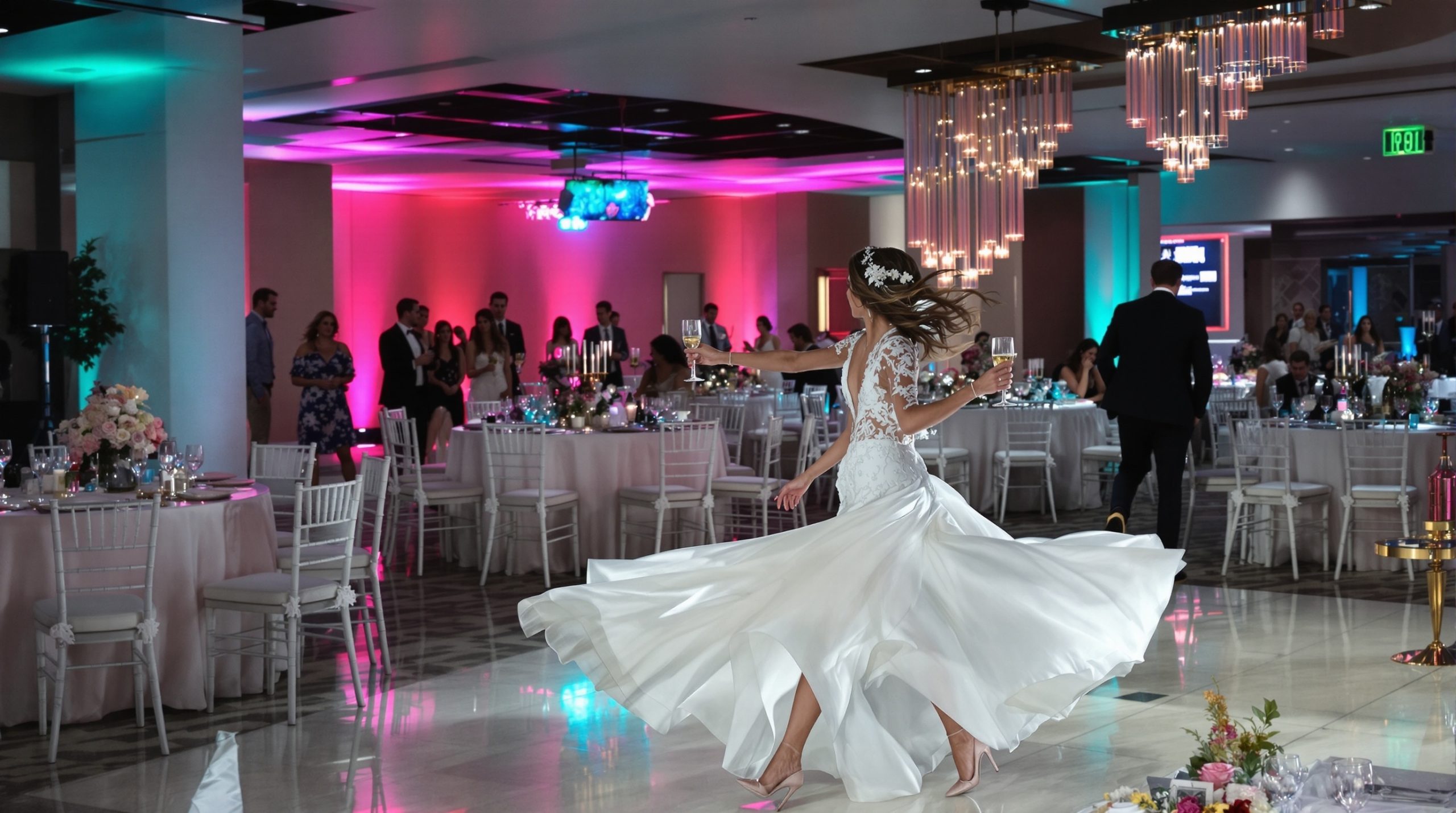
Keep your reception buzzing without the rush by strategically executing a killer timeline. Mix in buffer zones for potential hiccups—think of them as your wedding’s ‘oops insurance.’ Command your vendor team with precision; no loose ends allowed. Use checklists like your life depends on it. Delegate low-stakes tasks so you can focus on mission-critical moves. Avoid chaotic clichés and outdated protocol—your guests came to celebrate, not time-travel. Stay tuned for more secrets to orchestrating the perfect rhythm.
What you’ll accomplish (and what ‘done’ looks like)
When it comes to planning a wedding that moves like a well-oiled machine, don’t just aim to survive the chaos—dominate it. Reception pacing is your secret sauce. You’ll strategically orchestrate the timing of reception events to keep guests engaged and the reception flow seamless. Think of it as a finely-tuned engine where every component has a purpose. No awkward lulls; each moment is executed with precision. Start by defining what success looks like: a buzzing dance floor, on-time toasts, and guests who can’t stop talking about the seamless experience. Use checklists, timelines, and real-time feedback to guarantee nothing derails your momentum. An event planning checklist is crucial to organizing complex tasks into manageable steps, ensuring nothing is overlooked. Remember, a wedding isn’t just an event; it’s a high-stakes project. So, execute like a boss. Integrating time management strategies, like time-boxing, can help keep the reception on schedule and minimize any potential delays.
Quick start (the short version)
To kick off your wedding reception with kinetic precision, start by nailing down the essentials—those non-negotiable tasks that get the job done. To keep the reception momentum flowing, focus on executing these three core areas:
Nail down the essentials to ensure your wedding reception kicks off with kinetic precision.
- Final Setup Confirmations: Confirm delivery and setup times with vendors. Schedule your setup crew strategically for tables and tents. Verify your seating chart and optimize buffet placements for smooth traffic flow. Make sure that the guest experience remains a top priority by ensuring comfort and convenience throughout the reception.
- Timeline Run Sheet Creation: Outline key milestones from setup to wrap-up. Detail vendor arrivals, catering windows, and entertainment timings. Share this thorough agenda with your team to keep things moving. Remember to allocate budget for must-have rental items to ensure you have the essential setup without exceeding financial limits.
- Vendor and Team Briefings: Conduct a pre-event meeting with all key players. Brief everyone on their duties and timelines, ensuring everyone’s synced up.
Reality Check: Ignoring these steps? Your reception might stall rather than soar.
Before you start: inputs you need
Before diving into the whirlwind of wedding day prep, let’s get those inputs nailed down like a pro. You’ve got a million things on your plate, so let’s accelerate the process with precision and confidence. Here’s what demands your attention:
- Guest List Finalization: Lock down every mailing address, determine your non-negotiable guest count, and confirm headcounts with your venue and caterer. The seating chart? Get it sorted with those RSVPs.
- Vendor Confirmations: Strategically book your floral designer, cake artist, DJ, and transport. Double-check attire readiness with your wedding party. Research and book essential vendors early to avoid last-minute stress and ensure you have the best options available. Make sure to clarify constraints such as your budget and date range to streamline the vendor selection process.
- Stationery and Invites: Finalize your invite wording and schedule their pickup. Don’t forget the personalized touches—cocktail napkins included.
Reality Check: Don’t get “bless and stressed.” Streamline with checklists and hustle smartly.
Step-by-step process
Let’s streamline your reception planning with a five-step process that gets the job done. First, clarify your constraints—date, budget, and those pesky non-negotiables. Next, nail down the decision order to make everything else a breeze, then create a timeline, execute vendor outreach, and lock the plan with contracts and contingency buffers. Consider the importance of a Day-Of Coordinator to manage the timeline and handle unexpected issues effectively. Consider gratuity amounts for excellent service as part of your reception planning to ensure a smooth and appreciative experience for everyone involved.
Step 1: Clarify constraints (date range, budget ceiling, non-negotiables)
When you’re ready to kick-start your wedding planning adventure, it’s crucial to set the stage with crystal-clear constraints. First, nail down your budget ceiling. Establish your total budget upfront, break it into categories, and discuss any family contributions. This keeps you from overspending and guarantees strategic decisions. Next, define your date range. Prepare multiple options in case your dream venue is booked—remember, off-peak dates can save cash. Finally, tackle your non-negotiables. Identify must-have guests, venues, or vendors. Knowing these priorities will guide your planning hustle and avoid headaches later. Communicate these constraints to everyone involved—clarity is key. Urban venues and vendors typically cost more, so consider location affects pricing when planning your budget. Embrace flexibility to uncover hidden opportunities, ensuring a smooth planning process. Ready to move forward? Pull out that checklist, and let’s get this project executed with precision!
Step 2: Build the decision order (what to decide first so everything else is easier)
Once you’ve nailed down your constraints, it’s time to move strategically forward with decision-making. Start with the venue—it’s the linchpin that sets your aesthetic tone and guides other choices. With only 35 prime Saturdays available, booking your spot should be priority numero uno. Next, tackle catering. Think of it as the fuel that keeps your reception engine running smoothly. Decide between plated or buffet style early to streamline the flow. With these foundation stones in place, shift focus to enhancing guest experience with seamless changes and intuitive layouts. Consider guest experience by ensuring factors like accessibility and dietary options are well-managed. Entertainment follows, keeping energy high and the dance floor busy. Create a ranked decision list of 10-15 must-haves to guide your choices confidently. Aligning all team members on objectives is crucial to maintaining a smooth planning process and ensuring everyone is on the same page. Now, ready your action plan and execute with precision!
Step 3: Create the timeline (milestones + deadlines)
You’ve locked in the venue and catering; now it’s time to whip your timeline into shape. Think of your wedding as a high-stakes project with milestones and deadlines. Strategically structure your 4-6 hour reception to flow seamlessly from cocktail hour to farewell. Start with a solid 5-hour plan: cocktail hour (5-6 PM), guest entrance (6-6:15 PM), first dance/toasts (6:15-6:30 PM), dinner (6:30-7:45 PM), parent dances/toasts (7:45-8:05 PM), cake cutting (8:05-8:15 PM), and open dancing (8:15-9:45 PM), wrapping up with late-night snacks (9:45-10 PM). To ensure everything runs smoothly, consider the guest experience by managing temperature and seating arrangements. Don’t forget to add 10-15 minute buffers for unexpected pivots. Ensure all contracts are reviewed and understood, as this will help align your timeline with vendor capabilities and avoid any scheduling conflicts. This isn’t fluff—it’s your blueprint. Next, verify every detail aligns by sharing it with vendors.
Step 4: Execute vendor outreach (scripts + tracking)
Hit the ground running—it’s time to execute vendor outreach with precision and strategy. First, request catalogs from vendors, spotlighting what they can do. Engage with them on social media before sliding into DMs—compliments go a long way. Start your outreach with a punchy three-part email template detailing your wedding date, venue, and services needed. Focus on building relationships with venues you’re using soon. Invite shortlisted vendors for site visits to discuss expectations—check their professionalism and willingness to collaborate. Conduct reputational research through user reviews and social media mentions to gather valuable perspectives from previous or current clients on vendor performance. Remember to utilize client feedback and past experiences to improve vendor partnerships and ensure a seamless event execution. Craft a thorough contact sheet for all vendors, including roles, phone numbers, and emails. Share it to streamline communication. Establish emergency protocols and lead capture tools to keep contacts organized. Your next step? Jump into these tasks headfirst and keep things moving.
Step 5: Lock the plan (contracts, deposits, and contingency buffers)
Locking in your wedding game plan is like sealing a business deal—clear, precise, and no room for second-guessing. Execute contracts with laser focus. Include everything: date, time, rate, vendor expectations, and your responsibilities. Non-negotiable: nail down non-refundable deposits or retainers to secure your vendors and avoid no-shows. Strategically plan your payment schedule—monthly, weekly, or a solid half upfront—whatever fits your timeline best.
Don’t skip cancellation clauses; they’re your safety net. Refunds? Only if the vendor cancels. Finally, build contingency buffers for unexpected chaos—extra planning hours or seasonal demands. Protect yourself with clear boundaries, and watch your wedding plans gain unstoppable momentum. Next up, guarantee everything stays on track without spiraling. Your wedding’s a project, not a daydream.
Incorporate contingency planning to identify potential risks and vulnerabilities, ensuring you’re prepared for any unexpected challenges.
Step 6: Run weekly check-ins (how to stay on track without spiraling)
When it comes to wedding planning, weekly check-ins are your secret weapon against chaos. You’ve got a high-energy life, and time’s not slowing down. These check-ins are your non-negotiable checkpoints. Start by confirming dates, times, and locations with your venue and vendors. Lock in the final guest headcount and seating chart—trust me, nobody wants Aunt Edna wandering aimlessly. Delegate a point person to handle any curveballs, keeping you blissfully unaware and stress-free. Verify equipment setups and conduct walkthroughs to guarantee everything’s executed perfectly. Strategic weekly touch bases with your wedding party and vendors keep speeches and attire on track. Want to avoid spiraling? This is your roadmap. Now, get your checklist ready and keep the momentum going! Remember, maintaining open communication with everyone involved is essential for managing family dynamics and preventing any potential planning traps.
Template you can copy/paste (checklist + tracker)

Let’s face it, your wedding day isn’t a fairy tale; it’s a meticulously executed project that needs to move like a well-oiled machine. For you, the ambitious couple juggling careers and wedding plans, efficiency is non-negotiable. Enter our copy/paste template—your ultimate checklist and tracker, designed to streamline everything from timelines to vendor confirmations.
Start with pre-wedding tasks: finalize your guest count, arrange seating, and confirm vendor timelines. Strategically allocate 5-10 minute buffers between reception events; this gains you flexibility without losing momentum. Use our reception flow elements to schedule everything from the receiving line to the grand exit at 9:30 pm.
Next steps? Download it, customize it, and let it do the heavy lifting. Your wedding day? Executed.
Common mistakes (and how to avoid them)
Despite your best-laid plans, weddings often fall victim to timeline chaos. Here’s how to sidestep common pitfalls and keep your day on track:
- Timeline Delays: Hair and makeup overruns are sneaky time thieves. Build in buffer time—non-negotiable, like that first coffee of the day. Remember, one delay snowballs through your schedule.
- Inadequate Photo Time: Rushed photos? No thanks. Strategically allocate extra minutes to wrangle relatives and capture those candid moments. A well-executed photo plan keeps stress off your face—and out of your photos.
- Poor Seating Plans: Awkward silences? Pivot to seating plans that connect guests with shared interests. Assign conversational leaders to tables that could use a spark.
Reality Check: You’ve got careers, not crystal balls. Plan smart, delegate wisely, and hustle on.
FAQ
When you’re juggling tight schedules and ambitious wedding plans, it’s essential to execute a streamlined approach to your reception. Let’s tackle your FAQs: How long should this take if you’re busy? What’s the minimum version that still works? What can you safely delegate? And when a vendor isn’t responding, what’s the strategic move? Plus, how do you keep it all moving smoothly by tracking the right metrics weekly? Let’s break it down with actionable steps that’ll get the job done without compromising on your vision.
How long should this take if we’re busy?
Ever wonder how much time you should really allocate to your wedding reception when you’re juggling busy schedules and just want everything to run like a well-oiled machine? Let’s cut to the chase: Your reception should strategically last 3-4 hours—long enough to celebrate but short enough to keep energy high. Use 15-30 minute blocks for key events like toasts and first dances to maintain engagement, because attention wanes after 30 minutes. This isn’t just fluff; it’s backed by metrics. Think of it as a business meeting with a dance floor—efficient, executed, and non-negotiable. Prioritize changes and checklists for smooth pivots. Remember, it’s about keeping momentum, not dragging it out. Ready to hustle smart? Start planning your timeline now.
What’s the minimum version that still works?
You’ve got a bustling life and a wedding to plan—let’s cut through the chaos and get to the heart of what you really need: the minimum setup that gets the job done without compromising the fun. Start with reception desk essentials: a height of 42-48 inches keeps communication eye-level, while a width of 60-72 inches accommodates a single receptionist. Depth? Non-negotiable at 30 inches for computers and paperwork. Behind-the-desk clearance should be 42 inches, letting staff pivot with ease. Staffing? One full-time pro per $60,000 monthly production keeps things moving smoothly. Don’t get bless-and-stressed; focus on what accelerates efficiency. Execute with precision, and your reception will hum like a well-oiled machine. Reality Check: Overstaffing drains budget—strategize wisely.
What can I safely delegate?
Why juggle it all when you can delegate like a pro? In the whirlwind of wedding planning, strategic delegation is your secret weapon. Focus on high-priority tasks you can’t afford to compromise on and delegate low-impact ones immediately. Assign routine tasks to team members whose skills align perfectly, leveraging their strengths to keep momentum. Use clear deliverables and success metrics to keep everyone on the same page. Avoid delegating sensitive or high-risk tasks—those need your personal touch. Use documented guides and feedback loops to empower your team with authority and autonomy. Remember, the goal is to streamline tasks, not dump them. Delegate efficiently and watch your reception move seamlessly. Ready to start delegating? Your team’s capable—let them prove it.
What if a vendor isn’t responding?
When a vendor goes radio silent, don’t panic—just pivot. First, give them a reasonable grace period—they’re juggling multiple gigs. If they’re still MIA, switch gears: try a different communication method. Shift from calls to emails or even social media. Still no dice? Use your wedding planner as a savvy go-between. You’re a pro; set expectations upfront with clear contracts outlining response times. Document every contact attempt—trust me, it’s golden if you need to escalate. Create open channels like group chats, and remember, limit communications to business hours—vendors need their beauty sleep too. Ready a backup vendor list. You’ve got this. Execute these steps, and your wedding day will move without a hitch.
What should I track weekly?
Let’s keep this high-octane machine running smoothly by focusing on what you should track weekly. First, nail down those RSVP confirmations. Use a spreadsheet or an online tool to record responses and reach out to non-responders. Pivot to vendor confirmations: verify contracts and finalize shot lists or song choices. Keep your seating and guest logistics on point—finalize seating charts, and have a clear plan for gift drop-offs. Review your timeline: meet with your planner to guarantee every detail is accounted for, from vendor arrivals to speech cues. Finally, tackle attire and personal prep. Confirm everyone’s wardrobe is set and complete any beauty treatments. Your next step? Act on this checklist to keep momentum rolling, ensuring nothing falls through the cracks.
Key takeaways
Although wedding receptions might seem like a whirlwind, executing them with precision guarantees a seamless flow from vows to last dance. Don’t let the chaos fool you; it’s all about strategic planning and smart shortcuts. Here are key takeaways to keep your reception moving without a hitch:
- Synchronize the Timeline: Share a detailed schedule with all vendors. Ascertain everyone from the caterer to the DJ knows the plan. This creates a synchronized dance that keeps your evening on track.
- Streamline Speeches: Limit speeches to key players. This keeps energy high and attention focused. Think concise, not endless monologues.
- Flexibility is Key: Embrace flexibility. Swap traditional cake cutting for a dessert truck if it suits your style. Adapt, pivot, and keep the vibe kinetic.
Reality Check: Overplanning can kill spontaneity—balance is non-negotiable.