

Recognize that wedding planning isn’t a Pinterest dream but a strategic project. Wish you knew? It’s treating your timeline like a dynamic Gantt chart and monetizing every RSVP. Avoid the over-planning trap; adapt swiftly to keep the celebration humming along. You’re the CEO of this operation—craft a streamlined, non-negotiable checklist and embrace controlled chaos. Execute with agility, using real tools and metrics. Curious about mastering more of this chaotic dance?
The short answer (what most people should do)
Let’s cut to the chase: most wedding plans fail because couples overestimate what they can juggle alongside their 9-to-9 grind. In wedding planning hindsight, the biggest regret is not recognizing the gap between ambition and actual capacity. You need to learn planning lessons fast—your time isn’t infinite. Underestimating tasks leads to cascading failures, so build buffer time into your schedule. Treat plans not as rigid maps but as guides—flexibility is non-negotiable. The goal? Execute efficiently, not perfectly. Embrace controlled chaos; pivot when needed. Prioritize your must-haves and trim the fluff. A streamlined checklist gets the job done. Remember, this is project management, not a fairy tale. Start with clear objectives, stay nimble, and avoid wedding regrets. Allocate 20-35% of the total wedding budget to the venue, as it is typically the largest budget item. Incorporate white space or empty time into your schedule to ensure you have enough margin for unexpected events.
The real answer: what it depends on
Why do some wedding plans crumble while others flourish? It depends on what you know before planning. Immerse yourself in the nitty-gritty, but don’t get bogged down. Here’s what to focus on:
- Overplanning: Don’t waste time on exhaustive details. A rough idea and the next step are your power moves. Overplanning equals under-doing.
- Expecting Certainty: Embrace uncertainty. Too much confidence in predicting outcomes leads to flawed decisions. Get comfy with “probably,” not “definitely.” Emotional connections during the event can create lasting memories, so allow room for spontaneity and genuine moments.
- Ignoring Dependence: Plans aren’t islands; delays compound. Recognize how events interlink and adjust your timeline accordingly. Testing ideas is crucial in planning, as it helps discover what works and what doesn’t, preventing the pitfalls of assumptions.
Decision framework (choose the right move fast)
When you’re juggling a career and orchestrating a wedding, decisions can’t just linger—they need to be executed with precision and speed. Enter decision frameworks, your new best friends for making the right move fast. The OODA Loop, RAPID, and SPADE are just a few tools that streamline choices with non-negotiable efficiency. These frameworks are structured approaches that guide the decision-making process, ensuring alignment with goals and helping to overcome challenges like information overload. Integrating these frameworks with a step-by-step process can further enhance their effectiveness, offering a clear path to follow in the midst of wedding planning chaos.
| Framework | Key Feature | Benefit |
|---|---|---|
| OODA Loop | Rapid Iteration | Adapts in dynamic environments |
| RAPID | Defined Roles | Guarantees accountability |
| SPADE | Stakeholder Engagement | Aligns goals with clarity |
These frameworks provide clarity, accelerate momentum, and eliminate indecision. They’re your tactical allies, perfect for career-focused couples who demand efficiency without compromise. So, bless and stressed? No thanks. Strategically pivot with these decision-makers and watch your wedding planning gain unstoppable momentum.
Recommended timeline / checklist (so you don’t miss anything)
Timelines aren’t just for corporate projects; they’re your secret weapon to a wedding that runs like a well-oiled machine. Here’s your no-BS checklist to guarantee nothing gets left behind:
- Planning Phase: Break down your wedding vision into actionable tasks. Define milestones, identify task dependencies, and get that baseline schedule approved. This isn’t just a list; it’s your strategic roadmap. Consider the impact of vendor availability to get ahead with your planning.
- Scheduling Phase: Validate your time estimates and lock in budget allocations. Create a Gantt chart to visualize your timeline and determine the critical path. Contingency buffers? Non-negotiable.
- Resource Phase: Match personnel and tools to your timeline. Distribute workloads to avoid bottlenecks and guarantee no over-allocations crash your plan. Remember, regular risk assessment checkpoints are essential to identify potential issues before they escalate into costly problems.
Reality Check: Overlooked dependencies can derail progress. Keep it sharp, keep it moving.
Examples (realistic scenarios)
Think you’ve got your wedding planning under control? Let’s test that with three scenarios: a tight timeline with limited venue availability, a flexible schedule demanding high customization, and a budget-first approach where every penny counts. Each situation requires strategic pivots to keep the chaos controlled and guarantee your big day gets executed flawlessly. Before diving into these scenarios, remember that understanding your audience is crucial for event success. Tailoring the wedding details to meet the expectations and preferences of your guests can make all the difference in creating a memorable experience. One essential aspect is securing the venue early, as it anchors your planning timeline and prevents last-minute issues.
Scenario 1: tight timeline + limited availability
Juggling deadlines and high costs is common—stay sharp, stay agile, and keep those checklists close. Moreover, clear and prompt communication is vital when interacting with vendors and speakers to ensure everything aligns perfectly. Remember to lock down the venue early, as it dictates style, capacity, and budget.
Scenario 2: flexible timeline + high customization
While a flexible timeline might sound like a luxury, it’s actually your best friend for executing a wedding with high customization. Think of it as your secret weapon—buffer time between key tasks prevents those dreaded domino-effect delays. Vendor hiccups and weather surprises? You’ve got contingency planning to dodge chaos. Use reverse timeline mapping: start from your big day and work backward. This guarantees no task slips through the cracks. Your tasks become milestones, mapped with clarity—some flexible, others non-negotiable. Regular review cycles with stakeholders keep everything aligned. Timelines help digest vast amounts of data quickly, transforming complex planning details into accessible insights. Utilizing resources like checklists and vendor reviews assists in maintaining organization and clarity throughout the process. You’re not just planning, you’re orchestrating with precision. So, grab those scalable timelines and customize away. Actionable next step? Start color-coding your milestones today—trust us, it’s a game-changer.
Scenario 3: budget-first priorities
Every dollar in your wedding budget should work as hard as you do. Start with a strategy that prioritizes spending like a boss. Use Priority Budgeting: list expenses and rank them by importance. Allocate funds to top priorities first. This isn’t about splurging on what’s trendy; it’s about investing in what gets the job done—like a killer venue or unforgettable entertainment. Forget about unallocated funds; zero-based budgeting helps eliminate waste and justifies every cent. Monitoring and adjusting your budget as necessary is crucial; remain flexible to accommodate unexpected expenses or changes in income. Conduct reviews and track KPIs like you would in a performance meeting. Need tools? Think spreadsheets, not soft florals. Remember, it’s your day, but it’s also a project. Execute with precision. Next step: define your non-negotiables. It’s important to control guest list to prevent inflated catering and rental costs, ensuring your budget remains on track.
What to avoid (common traps)
When diving into wedding planning, smart strategies save you from the common traps that can derail even the most well-intentioned projects. You’re managing a high-stakes project, not a fairytale. Let’s execute with precision.
- Underestimating Event Scale: Misjudge your guest count, and you’ll face overcrowding or echoing emptiness. Monitor RSVPs like a hawk—more guests mean more chairs, staff, and logistic moves.
- Poor Budget Management: Overlook hidden costs like gratuities and permits, and watch your budget evaporate. Track every dollar in real-time and don’t skimp on contingency funds.
- Neglecting Planning Timeline: Without a clear schedule, chaos reigns. Work backward from your date, assign tasks strategically, and keep pushing momentum forward. Creating a vendor checklist can help you manage tasks efficiently and ensure no detail is overlooked.
Reality Check: Overlooking attendee experience can tank satisfaction. Keep guests front and center.
1-page action plan you can screenshot
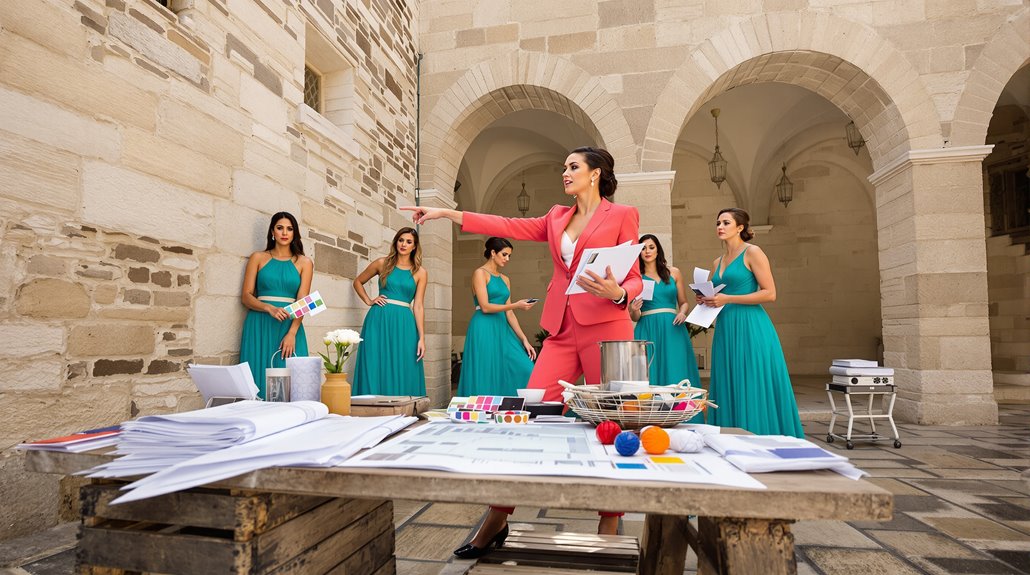
Ready to take charge of your wedding planning like the boss you are? Let’s create a page action plan you can screenshot and execute with military precision. First, define your project goals using SMART criteria—specific, measurable, achievable, relevant, time-bound. Break down your grand vision into specific tasks with deadlines and assign them to your team or yourself. Identify dependencies; know what needs to happen before moving forward. Use Asana or Monday.com to track progress and pivot when necessary. Regularly monitor your KPIs and revise plans as needed. Remember, this isn’t a fluffy to-do list—it’s your streamlined roadmap to wedding success. Now, grab your power tools, execute with intention, and send chaos packing. Screenshot this plan, and let’s get it done! To enhance your planning, consider establishing strategic alignment checkpoints to ensure decisions align with your goals and reduce stress.
FAQ
You’re probably wondering what to do if your situation doesn’t match our examples or how to kickstart your day. First, identify your top priority and execute it—no fluff, just results. Want to avoid common regrets? Slow down if you’re adding vendors faster than you can strategize, and remember, adjusting your vendor list means recalibrating your entire timeline and budget.
What if my situation doesn’t match the examples?
Even if your situation doesn’t fit the typical mold, it doesn’t mean you’re stuck in wedding planning purgatory. Your scenario might be unique, but it’s all about strategic pivots and smart shortcuts. Focus on what moves the needle—staffing, budget, implementation, communication. With 76% of hotels facing staffing shortages, calculate headcounts and keep backups handy. Budget constraints? Expect a 5-7% rise; align strategy early to avoid overspending. Bridge implementation gaps—48% of organizations fumble here. Communicate clearly, using centralized platforms for schedule and budget tracking. Adaptation is key, especially with rising costs and hybrid fatigue. Your wedding isn’t a Pinterest board; it’s a project to be executed with precision. Next steps? Reality check those assumptions and streamline your plan.
What’s the first thing I should do today?
Kick off your day by executing a no-nonsense approach to wedding planning—because who has time for fluff? Start with a consistent wake-up time, even on weekends, to keep your mood and cognitive performance sharp. Next, protect those first 90 minutes; they’re gold. Skip notifications and immerse yourself in the 20-20-20 framework: light/hydration, movement/breath, planning/focus. A brisk morning walk or some yoga can turbocharge your energy and mood. Fuel up with a protein-packed breakfast to keep cravings at bay and focus razor-sharp. By 8:30 AM, prioritize your day like a CEO—list tasks, tackle the hardest one first. Remember, strategic planning and execution are your best allies. Now, go get the day done—efficiently and effectively.
What’s the most common regret?
Ever wonder what people regret most about their wedding day? It’s the rushed feeling that sneaks up on you. Imagine spending months meticulously planning, only for the day to zoom by in a blur. Regrettably, 19% of couples wish they’d managed their timeline better. No couple wants their big day to feel like a corporate sprint meeting.
Next up is the guest list fiasco. Inviting too many people? Rookie mistake. It’s a logistical and financial nightmare that dilutes personal connections. Remember, every extra head means more to manage and less time for you to breathe.
Lastly, cheaping out on photographers? No way. You need those memories captured by pros who get the job done.
Reality check: Strategic planning and prioritization are non-negotiable.
What’s a red flag that I’m moving too fast?
How do you know when you’re barreling through wedding planning too fast? It’s when you’re more interested in ticking boxes than making thoughtful choices. Look out for these red flags: You’re ignoring your partner’s disengagement—missing meetings or being overly critical. If your inner circle waves red flags about character flaws, don’t silence them. Proverbs 11:14—heed that wise counsel. Talking engagement after a month? Let’s slow that roll. Rushing big milestones creates false intimacy and pressure. Are you overwhelmed? That’s your cue to pivot. Ignoring planning timelines? Yeah, it’s not efficient to start booking everything yesterday just to change it tomorrow. Your actionable next step: Strategically map out a realistic timeline and engage your community for feedback.
What changes if I add/remove vendors?
When you decide to add or remove vendors, the entire wedding planning landscape shifts. You’re not just tweaking a detail—you’re recalibrating the whole operation. Adding vendors? Expect budget overflows and timeline stretches. On average, 53% of couples blow past their budget after adding vendors. Removing vendors? You’ll streamline costs but may lose those personalized touches 63% of couples crave. Vendor availability‘s a tightrope walk post-2020; snagging your favorites requires speed and strategy. Consider this: venue first, then let style drive subsequent choices. Don’t forget the ripple effect—each vendor influences the next. Need to keep it real? Embrace planning apps, negotiate smartly, and trim where you can. Ready to execute? Start with a prioritized checklist and timeline.
Key takeaways
Let’s cut to the chase: overplanning is a trap. You think you’re setting yourself up for success, but really, you’re just wasting time on plans that will change. Here are some key takeaways to keep your wedding planning sharp and strategic:
- Embrace Action Over Perfection: Stop expecting every detail to be flawless before you move forward. Real progress happens when you pivot and adapt, not when you chase the mirage of certainty.
- Learn, Unlearn, Relearn: You’re learning a lot, but remember, 80% of that might need unlearning. Be ready to question and refine your assumptions.
- Experiment Relentlessly: Testing beats guessing. Immerse yourself and tweak as you go. It’s the experiments, not the plans, that get the job done.
Reality Check: Embrace controlled chaos—it’s your path to success.