

Skip the fluff: ditch printed invites, excessive menus, and piles of stationery. Go digital for invites and RSVPs—it’s sleek and sharp. Skip paper napkins; rock reusable cloth instead. Replace printed programs with stylish signage or projected displays that keep it sophisticated yet simple. Here’s your productivity hack: focus on only the essentials that get the job done. Ready to level up your wedding planning game with strategic tools and checklists?
The short answer (what most people should do)
Here’s the deal: when it comes to paper goods, it’s time to cut the clutter and make efficient choices. Let’s face it: unnecessary wedding stationery is a thing of the past. Skip wedding stationery that ends up in the recycle bin faster than you say “I do.” Instead, focus on essential paper goods that get the job done without the fuss. Think strategically—what truly adds value to your big day? Consider invitations that double as digital RSVPs or streamlined programs that keep guests informed minus the bulk. Your wedding should be about moments, not mountains of paper. In 2018, the generation of paper and paperboard nondurable products amounted to 26 million tons, highlighting the importance of reducing excessive use. Align guest count with budget and venue limitations for comfort and quality, ensuring every paper choice is strategic. Accelerate your planning by ditching the fluff. Remember, every decision is a pivot towards a more efficient celebration. So, what’s your next step?
The real answer: what it depends on
When it comes to choosing paper goods for your wedding, it’s not just about aesthetics—it’s a strategic operation. You’ve got to determine what stationery needed aligns with your hustle and bustle lifestyle. Your decisions depend on the environmental impact, resource consumption, and manufacturing efficiency of each choice. Consider these factors:
- Recycled vs. Virgin Paper: Opt for recycled paper. It reduces energy consumption by 70% and water usage by 78%.
- Deforestation Considerations: Be aware that 42% of industrial wood harvest is for paper—choose wisely.
- Landfill Impact: Paper decomposing in landfills releases methane, a potent greenhouse gas. A proactive approach to paper selection can significantly reduce your wedding’s carbon footprint.
The paper industry is a significant contributor to global greenhouse gas emissions, accounting for approximately 2% of total industrial emissions. Streamline your stationery choices and make intentional, efficient decisions. Execute your wedding planning like a pro, minimizing environmental impact while maintaining your “curated cool” vibe.
Decision framework (choose the right move fast)
Maneuvering through the wedding paper goods maze might seem like a speed bump in your well-oiled planning machine, but it’s anything but trivial. Engage in decision-making with a clear framework. Think risk assessment—not just for vendors, but for paper goods too. Identify the essentials, categorize by importance, and pivot quickly. Prioritize based on impact and value. Here’s a quick breakdown:
| Decision Criteria | Actionable Steps |
|---|---|
| Risk Assessment | Define your must-haves |
| Vendor Tiering | Rank by significance |
| Evaluation Framework | Streamline with checklists |
Execute decisions strategically. Pivot from tradition. Don’t get stuck in the fluff. Focus on what gets the job done efficiently. Your goal? A streamlined, effective, and non-negotiable approach. Make smart moves, gain momentum, and accelerate planning. Remember that time management is vital for a smooth planning process. Next steps? List your essentials, trim the excess. Remember, vendor due diligence is crucial in vendor selection, as it ensures compliance with regulatory requirements and protects your business reputation.
Recommended timeline / checklist (so you don’t miss anything)
You’ve nailed your decision-making strategy, now let’s put it into action with a precise timeline and checklist that leaves no room for oversight. Start with a full inventory assessment—count and categorize all plates, cups, and napkins. Utilize color-coded labels for lightning-fast identification. This isn’t just organization; it’s strategy.
Start with a full inventory assessment and use color-coded labels for rapid identification—it’s strategy, not just organization.
- Vertical Storage: Store plates and napkins vertically with adjustable dividers for accessibility.
- Stock Check: After each event, check stock levels to avoid shortages and surprises.
- Timeline Execution: Order wedding stationery four weeks before, finalize lists and proofread one week out.
Incorporate weekly check-ins to address any issues and keep the planning aligned with your objectives. These steps aren’t just suggestions—they’re non-negotiable moves that get the job done. Ready to accelerate your planning? Pivot to action now. Your big day deserves nothing less than streamlined execution. Remember, management’s commitment is crucial for success, so ensure daily support for your planning process to make it a reality.
Examples (realistic scenarios)
Imagine you’re juggling a tight timeline with limited vendor availability—strategically skipping printed invitations could save weeks and keep you on track. On the flip side, if customization is your game, consider cutting back on printed programs and embrace digital options that pivot with your evolving vision. For budget-first planners, ditching paper menus and opting for a projected display isn’t just smart; it’s a non-negotiable move that gets the job done without dipping into your honeymoon fund. Choosing digital alternatives can also help avoid hidden fees like service charges and vendor restrictions, which often inflate costs unexpectedly. By choosing digital alternatives, you also contribute to reducing the 25% of landfill waste attributed to paper, making a positive impact on the environment.
Scenario 1: tight timeline + limited availability
When time’s not on your side and availability is as elusive as a unicorn at a petting zoo, you need to execute flawlessly with what you’ve got. For ambitious couples on tight timelines, ditch paper napkins and towels and opt for reusable cloth options. They’re a one-time investment that slashes grocery lists and waste. Grab affordable cloth napkins in clearance sections—they’re non-negotiable for efficiency. Need tissues? Flannel hankies offer a washable, cost-effective alternative. In the kitchen, pivot to silicone baking mats and glass containers. They streamline meal prep and storage without missing a beat. For dining, durable plastic plates beat paper every time. With supply chain disruptions affecting availability, it’s crucial to plan ahead and make informed decisions about which paper goods to skip. Planning for disasters by having alternatives ready can ensure a smooth transition and reduce stress. Ready to act? Start with a quick checklist of must-switch items and gain momentum immediately.
Scenario 2: flexible timeline + high customization
With a flexible timeline and the luxury of high customization, you can truly pivot from paper to elegance without sacrificing efficiency. Opt for reusable cloth napkins over paper ones—they’re endlessly customizable and add a touch of sophistication. You’ve got time, so consider digital invites that wow without wasting paper. Ditch the printed programs; a stylish sign does the job. Maintaining proactive communication with vendors ensures seamless execution and aligns choices with your vision, not a Pinterest board. The sustainable packaging industry is evolving to address both environmental concerns and consumer expectations, highlighting the need for sustainable practices in packaging design and production. Remember, it’s about streamlined execution, not tradition. Create a checklist to monitor your paperless progress and metrics for success. Reality Check: Customization can be a rabbit hole—keep your goals clear, and don’t let options overwhelm. Ready to accelerate? Let’s go.
Scenario 3: budget-first priorities
Budget-first priorities don’t mean skimping on style or impact. In the whirlwind of wedding planning, every dollar in your budget should be strategically allocated. Skip expensive, eco-friendly disposables if they don’t align with your non-negotiables. Paper plates are cost-effective, so if casual elegance suits your vibe, they get the job done. Pivot to recycled paper products for eco-kudos without financial strain—think bulk buys for invitations or thank-you notes. Embrace paper-based packaging for favors; they’re affordable and sustainable, offering high value with low waste. Many brands are now adopting paper packaging to meet sustainability goals, which aligns well with budget-conscious eco-friendly choices. Reality check: While eco-paper options are appealing, sourcing recycled materials can inflate costs. Keep an eye on raw material limitations—sometimes, the simplest solutions are the most effective. Opting for a 60-20-20 model can help in wedding planning by prioritizing savings and flexibility. Want more tips? Download our streamlined budget checklist.
What to avoid (common traps)
Let’s cut to the chase: paper waste is a sneaky budget buster and productivity killer you can’t afford in your wedding planning blitz. It’s time to pivot and strategically cut the clutter. Avoid these common paper traps:
- Printing Mistakes: With 45% of printed paper ending up in the trash, mindless printing is a non-negotiable no-go. Double-check before you hit ‘print.’
- Junk Mail: Segregate immediately or risk drowning in unwanted paper. Set up a dedicated bin to streamline the chaos.
- Receipts: Opt for digital options to save trees and sanity. Half of these end up lost or trashed, so go paperless.
- Additionally, hidden costs like service charges and vendor overtime can unexpectedly inflate your budget, making it crucial to manage expenses wisely.
1-page action plan you can screenshot
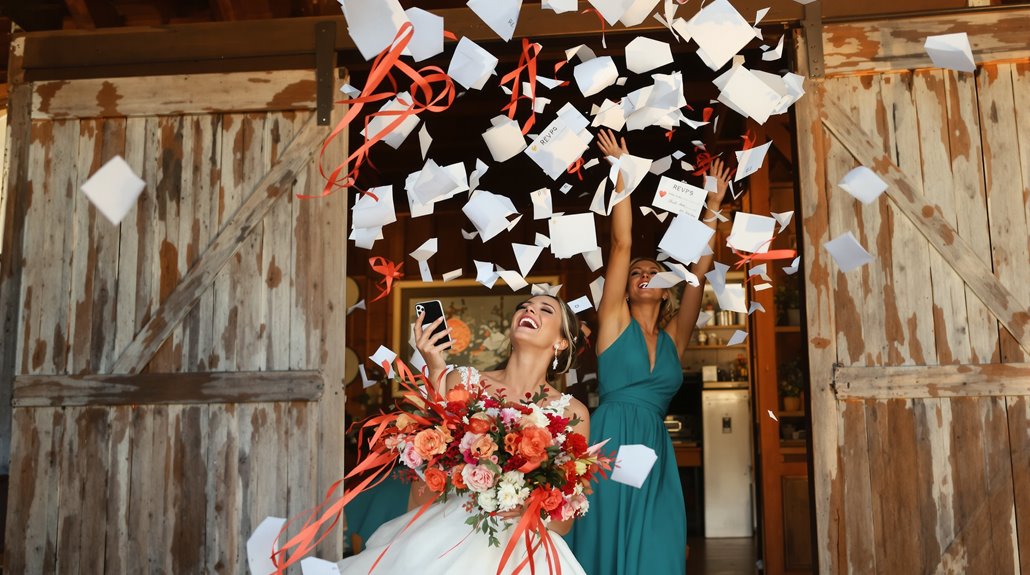
Ready to cut through the paper clutter and focus on what really matters in your wedding planning marathon? Let’s execute a page action plan you can screenshot and use instantly. First, pivot to digital receipts—ditch those CVS-length nightmares and embrace apps for all transaction records. TJX and Chipotle already blend digital with print, proving tech gets the job done. Next, phase out print circulars. Shift to online promotions and save trees—and cash. Finally, streamline with cloud-based billing and storage. Say goodbye to paper statements and hello to easy access. Strategically embrace these tools, and you’ll gain momentum while others are still buried under paperwork. Screenshot this plan, and let’s hustle smartly. Reality Check: Don’t confuse tactics with strategy.
FAQ
Wondering if your situation doesn’t match the examples? No worries, let’s tackle it strategically: start by identifying the paper goods that clutter your life and take a hard look at what truly gets the job done. Whether it’s the non-negotiable regret of not cutting down on paper waste sooner or the red flag of moving too fast without considering vendor changes, you’ve got this—it’s time to pivot and execute with precision. Remember, decision paralysis can stem from overwhelming choices, so having a clear plan can help streamline your efforts.
What if my situation doesn’t match the examples?
How do you navigate the paper goods maze when your wedding situation doesn’t match the usual examples? First, breathe. Weddings are chaotic, but you’re not alone. Your goal? Streamline your decisions. Start by listing the paper items you think you need—programs, menus, invites. Now, pivot. Can some be digital? Think QR codes for menus or a sleek wedding website in lieu of traditional invites. Need physical keepsakes? Opt for recycled stock; it’s sustainable and classy. Clarity and execution are non-negotiable, so prioritize what gets the job done with precision. Remember, it’s about intention, not tradition. Take charge, make smart choices, and execute with kinetic confidence. If it doesn’t serve your vision or schedule, it’s not essential. Move on.
What’s the first thing I should do today?
Why wait to make your first move? Jumpstart your day with strategic clarity. Decision-making is sharpest in the morning, so prioritize time with loved ones first. A simple “I love you” accelerates connection like nothing else. Next, streamline your tasks. Create a checklist of non-negotiables for today—your wedding planning should be executed with kinetic precision.
Remember, it’s not about fluff; it’s about getting the job done efficiently. Avoid distractions that lead to nighttime regrets like unnecessary arguments or impulsive buys. Choose intentional actions that respect your time.
Now, pivot toward passion. What’s one thing that fuels your fire? Immerse yourself in it. By respecting your decisions and strategically prioritizing, you’ll gain momentum and make each day your masterpiece.
What’s the most common regret?
Did you know that romance tops the regret charts? It’s true—26.7% of college students and an even larger chunk of the broader population reported romantic regrets as their number one. Women express these regrets more than men, with 44% of women lamenting romance compared to only 19% of men. Unmarried individuals are particularly prone, likely because instability in this domain breeds more regret. While education and friendships rank high too, romance takes the cake.
For you, this means strategically managing your relationship decisions like you would a project. Think checklists, realistic timelines, and non-negotiable priorities. Don’t fall into the trap of “what-ifs.” Instead, pivot toward intentional choices that align with your values. Execute, streamline, and leave regrets in the dust.
What’s a red flag that I’m moving too fast?
Rushing headfirst into wedding planning without checking for red flags can lead to a chaotic love story that even rom-coms would reject. If you’re dismissing major character flaws like questionable Instagram behavior or ignoring friends’ concerns, it’s a flashing neon sign you’re moving too fast. A lack of community support is another red flag—if your relationship is consuming every moment, cutting out friends and counselors, you’re on a collision course with chaos. Pay attention if you’re discussing engagement after a month or quitting your job for a new life too soon. These aren’t romantic gestures; they’re strategic missteps. Make a checklist of realistic timelines and have a heart-to-heart with trusted friends. Your love story deserves the right pace.
What changes if I add/remove vendors?
Adding or removing vendors in your wedding planning process is like playing a strategic game of Jenga—each move has a direct impact on your timeline, budget, and overall execution. You’re not just swapping names; you’re renegotiating contracts, adjusting timelines, and recalibrating your entire strategy. Market volatility and supply chain risks mean your vendor choices can affect everything from paper goods availability to cost efficiency. With 60% of suppliers overwhelmed by administrative demands, your decision impacts not only your day but their bandwidth. Strategic adjustments can streamline processes, but limited vendors heighten your exposure to global trade hiccups. To pivot effectively, maintain a diverse vendor portfolio and leverage automation tools. Prioritize vendors who match your hustle and streamline execution.
Key takeaways
When it comes to paper goods, knowing what to skip can save you not just time, but also a whole lot of hassle. You’re not here for fluff—you want results. Streamline your wedding planning by focusing on efficiency. Here’s the deal:
- Receipts: Go digital. They’re costing you trees, water, and sanity.
- Office Paper: Ditch the unnecessary. Your wedding isn’t a corporate report.
- Non-packaging Papers: They’re non-negotiable to skip. Minimal impact, maximal clutter.