
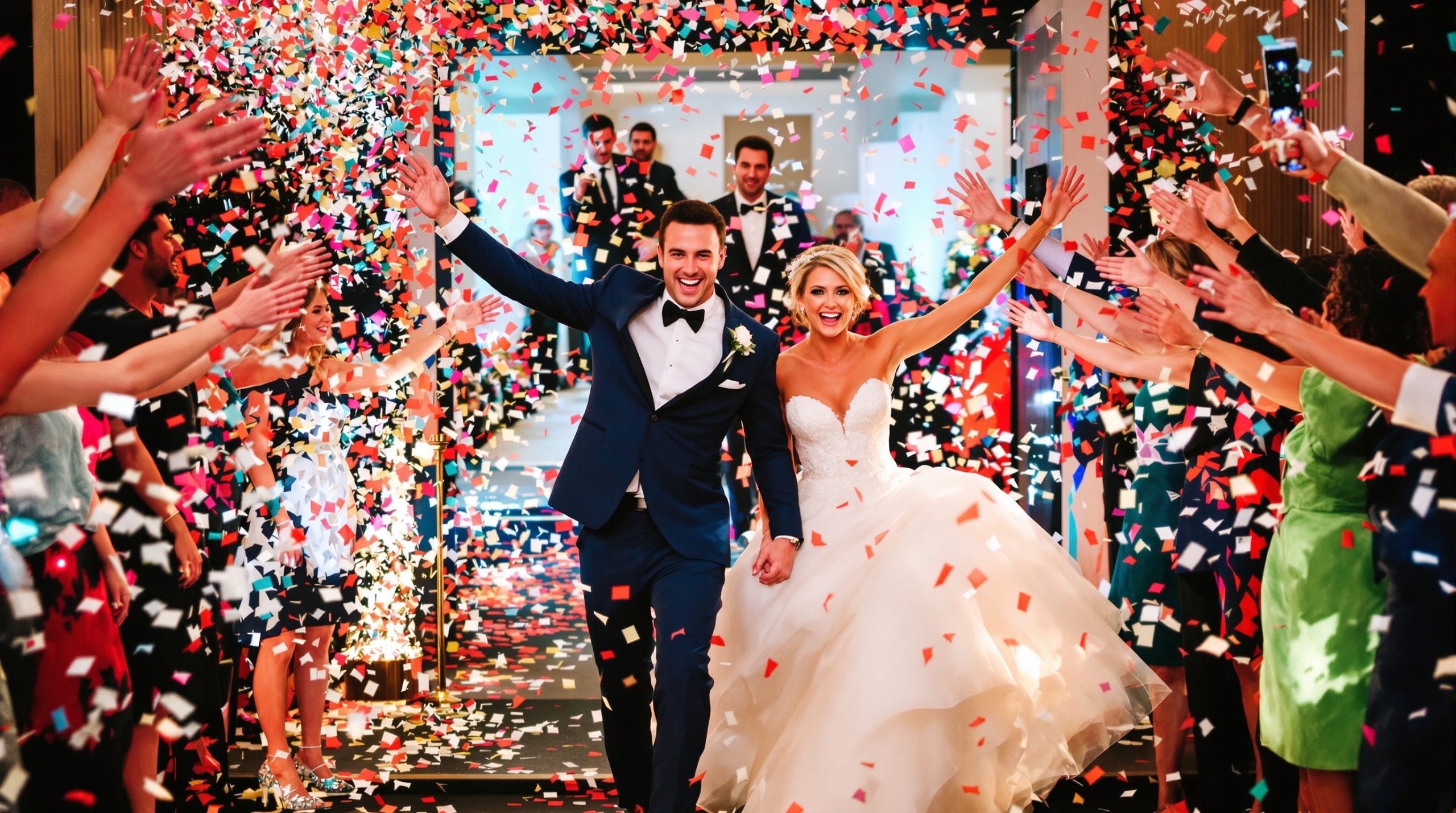
Executing your reception timeline is like orchestrating a high-stakes heist—precision, strategy, and a hell of a lot of moving parts. Start with a charged grand entrance, then navigate through 11 key events, including a strategic first dance, concise toasts, and the all-important cake cutting, before reaching your grand send-off. It’s about streamlined efficiency, not drawn-out clichés. Consider this your cheat sheet for a wedding day that operates like a well-oiled machine. Ready to dive deeper?
The full list (11 items)
Your wedding reception’s got a lot of moving parts, and it’s all about executing them with precision to keep the momentum going. To nail this, you’ll strategically plan each segment from the get-go. Here’s how you can streamline your timeline:
- Buffer time before ceremony – Non-negotiable for any last-minute pivots.
- Photo blocks (first look, family) – Keeps the memories rolling without a hitch.
- Travel/transition blocks – Guarantees smooth movement from one location to another.
- Ceremony and cocktail pacing – Sets the tone for the evening, keeping energy high. Consider venue-specific time constraints to ensure everything runs smoothly.
Plan smart, execute confidently, and keep your eye on the prize—your celebration should feel like a well-oiled machine, not a chaotic scramble. Implementing a decision-making framework can help streamline the entire process, ensuring that each part of your reception flows seamlessly into the next.
Buffer time before ceremony (part 1)
Before the first guest even thinks about finding their seat, you’ve got to master the art of buffer time. Think of buffer time as your wedding reception timeline‘s secret weapon, strategically built into your reception schedule to absorb chaos and keep things on track. Start with 15-30 minutes before the ceremony for tardy guests and vendor arrivals. Allow 2-4 hours for venue transformation, sound checks, and those sneaky last-minute touches. Your wedding planning won’t move itself, so build your timeline backward from the ceremony, accounting for each task’s buffer. Remember, a 30-minute buffer rule is implemented to absorb delays without guest awareness, ensuring a seamless experience. Contingency planning is crucial to have backup plans in place for any unexpected issues that may arise on the big day. Reality Check: Buffer time isn’t a luxury—it’s a necessity. Skimping here could derail your day. Ready to prevent chaos? Set those buffers!
Photo blocks (first look, family) (part 2)
When it comes to nailing those photo blocks, execution is everything. In the reception order, getting the first look and family photos right is non-negotiable. Start with a 30-minute first look to capture those genuine reactions—no fluff, just real moments. This typically happens post-prep, around 3:15 pm, setting a solid pace for the day. Next, accelerate into couple portraits; you’ve got 30 minutes, max. Capture diverse shots in one location to streamline the schedule. Bridal party photos follow, strategically organized in 45 minutes. Family formals require precision: 30-45 minutes covering all key family dynamics—parents, siblings, grandparents. Ensure ample time is allocated for capturing all significant details, as these photos contribute to the overall wedding narrative. It’s crucial to verify multiple full galleries to ensure the photographer’s consistency and style aligns with your vision. Total photo block timing? Two hours like clockwork. Your action plan: stick to the timeline, keep it tight, and trust the process.
Travel/transition blocks (part 3)
Once the vows are exchanged and the confetti settles, it’s time to master the art of the travel/transition blocks. We’re talking about the logistical dance between ceremony, cocktail hour, and dinner service. First up, keep cocktail hour tight—45 to 60 minutes max. It’s your guest energy booster shot. Then, pivot smoothly into seating. Direct guests to their tables 5-10 minutes post-dinner invitation; aim for no more than 20 minutes total. Swift bar service and DJ coordination are non-negotiable for seamless flow. Remember, a well-structured timeline maintains energy and minimizes downtime, ensuring guests have the best experience. Dinner service shouldn’t drag. Hit that grand entrance like a pro and guarantee guests are seated by 7:10 p.m. Allocate 60-90 minutes for meals, with toasts signaling entrée time. Avoid food delays—hungry guests are restless guests. Consider setting specific, measurable goals to ensure the event flows as planned and avoids unnecessary chaos. Next up: dancing!
Ceremony and cocktail pacing (part 4)
Executing a high-octane ceremony and cocktail pacing that leaves everyone energized, not exhausted, is your next mission. Start by strategically planning your cocktail hour. Aim for 60 minutes—90 if you’re juggling a larger crowd. This window lets guests mingle, sip, and savor hors d’oeuvres while you and your partner capture those essential post-ceremony portraits. If you nix the first look, expect a tight photo sequence: family shots, bridal party, then couple snaps—all by 6:30 p.m. sharp. Music sets the vibe, easing guests into the reception mood. Efficient shifts are key; you want guests seated and ready for your grand entrance. Consider the importance of a Day-Of Coordinator to ensure the smooth execution of the wedding plans. Consider the balance between photo opportunities and guest interaction to ensure a smooth transition into the evening. Remember, this isn’t just a party—it’s a well-executed project. Next step: fine-tune your night’s flow.
Reception flow (entrance, dinner, toasts) (part 5)
Your reception flow is where all your hard work truly pays off, so let’s keep the momentum rolling. You’ve strategically set the stage, and now it’s time to execute. First, the grand entrance. This 5-10 minute affair sets the tone—guests seated, DJ or emcee announcing. Next, your first dance, seamlessly shifting into brief 1-3 minute toasts. Hungry guests? Not on your watch. Dinner service follows, whether plated or buffet, with quiet tunes for seamless conversation. Keep those speeches snappy between courses—your sharp timeline demands it. Parent dances, anyone? They’re up next, wrapping in 15-20 minutes. Your streamlined approach keeps energy high and momentum gaining. It’s essential to secure key vendors early in the planning process to avoid conflicts and ensure smooth execution on the day. Reality Check: Overloading speeches can derail flow; prioritize engagement. Remember, hiring a wedding planner is highly recommended for stress reduction and to ensure your timeline stays on track. Next up: Dance floor timing.
Dance floor timing (part 6)
When it’s time to hit the dance floor, your strategy needs to be as sharp as those shoes you’re rocking. You’ve navigated the formalities; now, let’s get moving. A 1.5-2.5 hour dance floor session keeps the energy high and guests engaged. Two hours is your sweet spot—long enough to party, short enough to leave them wanting more. After your 5pm ceremony, aim for a 7:40pm dance floor opening following spotlight dances. DJ coordination is essential; they’ll shift from formalities to crowd-pleasers, reading the room to keep momentum. Key activities like the bouquet toss and cake cutting should punctuate the dance session. Prioritize smooth shifts and watch your timeline unfold like a well-executed project plan. To ensure a smooth transition, have a private last dance before the grand exit to create a memorable finale. Streamline the day with detailed timelines and checklists for a seamless transition from one event to the next, ensuring every moment is unforgettable. Now, go own that dance floor!
Golden hour slot (part 7)
While some might think golden hour is just a photographer’s fancy, for you, it’s a strategic slot that adds cinematic drama to your wedding timeline. This isn’t about fluff; it’s about precision and execution. Kick off photos 30-45 minutes before sunset, guaranteeing you’ve captured that dreamy, soft glow that makes everyone look like they’ve just left a spa. Align this with your cocktail hour or a quick slip-away during dinner, maximizing every minute. Start by ending the ceremony 1-2 hours before sunset and pivot to couple portraits 1.5-2 hours prior. Ensure weather conditions are favorable for photography, as this will enhance the quality of your sunset photos. Leverage tools: research sunset times, communicate tightly with your photographer, and have a weather plan. A streamlined checklists approach ensures you capture the essence of the moment while keeping everything on schedule. This streamlined approach guarantees you’re not just capturing moments but creating masterpieces.
Exit plan and cleanup window (part 8)
Strategic exits aren’t just for slick movie scenes; they’re a non-negotiable part of your wedding timeline that demands precision. Execute a seamless send-off with a sparkler exit or a whimsical bubble departure. The last dance hits at 10:50 p.m., signaling the countdown to your 11:00 p.m. send-off. Don’t stress about herding guests; your coordinator’s got it covered—lining everyone up, while the DJ keeps it moving.
Once you’ve waved goodbye, the clock accelerates. Vendor clean-up kicks into high gear from 11:15 to 12:15 a.m. Stick to the timeline to avoid those pesky overtime fees. Got lingering guests? Encourage them towards an after-party, not the venue. Keep it efficient, keep it moving—because you’ve got places to be and memories to make.
Remember to factor in hidden costs such as overtime, setup, and travel fees when planning your event to ensure a seamless execution without surprises.
Buffer time before ceremony (part 9)
Every well-oiled wedding machine thrives on one secret ingredient: buffer time. You don’t just plan—strategically allocate those 15-30-minute buffers to absorb chaos without breaking a sweat. Here’s the deal: things run late. Whether it’s guest mingling or a spontaneous photo op, smart planners bake in buffer time to keep the day feeling fluid, not frantic. Getting ready? That’s another 30-minute buffer, covering everything from the perfect shoe choice to last-minute hair tweaks. Vendors know these secret buffers, keeping you blissfully unaware of any timeline juggling. Execution isn’t just a word; it’s a lifestyle. Prioritize this buffer strategy to guarantee your wedding day moves with kinetic precision. Next step? Make buffers non-negotiable in your planning toolkit. Remember to schedule photo blocks for first looks and family shots strategically to maintain a seamless flow throughout the day.
Photo blocks (first look, family) (part 10)
Photo blocks are your secret weapon for a seamless wedding day. First looks and family formals are executed like clockwork, freeing up your reception for what truly matters—celebrating! Strategically plan a shaded garden or hallway for your first look, guaranteeing natural light and privacy. This 45-60 minute session reduces ceremony stress, as you’ve already had that intimate moment. Couple portraits follow, either post-first look or during golden hour. Bridal party and family photos are non-negotiable, ideally slotted into a 2-3 hour timeline pre-ceremony. Utilize a second shooter to pivot between locations, maximizing your photo ops. Streamlined precision guarantees you capture all essential shots without sacrificing reception time. Next step? Confirm your timeline and get ready to pivot smoothly into the ceremony.
Travel/transition blocks (part 11)
Changeover blocks are the unsung heroes of a wedding day, ensuring your event moves like a well-oiled machine. You’ve got ambitious plans, and these shifts get the job done. Guest transportation kicks off with shuttles from the parking lot an hour before the ceremony. Lean on those paved paths and clear signage to shepherd your guests seamlessly. While you’re posing for portraits, cocktail hour morphs into a social hub—yard games, live music, and maybe even beer burros. Then, pivot to a venue flip, executed in one hour flat with military precision. Couples, use this time wisely—snap those photos or recharge with a private break. Reality check: Budget extra time for inevitable delays. Keep things moving smoothly.
The ‘top 5’ that matter most (if you’re overwhelmed)
When you’re juggling a high-energy lifestyle and refuse to settle for wedding chaos, focus on these five essential elements to keep things running like a well-oiled machine. Prioritize the following to stay in control:
- Buffer Time: Create a non-negotiable pre-ceremony buffer to handle any last-minute chaos without breaking a sweat.
- Photo Blocks: Strategically plan your photo sessions, including the first look and family shots, to guarantee every moment is captured without feeling rushed.
- Travel/Movement Blocks: Smooth out travel and movements to keep the day moving seamlessly from one event to the next.
- Reception Flow: Execute the reception flow—entrance, dinner, and toasts—with precision, so your guests stay engaged and entertained.
Get these right, and you’ll be less “bless and stressed” and more “mission accomplished.”
Priority #1: Buffer time before ceremony (part 1)
Before you walk down the aisle, let’s talk about the unsung hero of flawless wedding execution: buffer time. Strategic and non-negotiable, these time slots keep your day on track. Start with a buffer for hair and makeup, which notoriously overrun. Add 30 minutes for dressing—shoes, jewels, and those key photos with your mom or bridesmaids. Guarantee a 30-minute window before the ceremony to shield you from early guests. Guests tend to arrive fashionably early, so your timeline should anticipate this. Build in 15-30 minutes between events to recharge and handle overruns. These buffers aren’t fluff; they’re your secret weapon to a streamlined, stress-free day. Up next? Checklists and timelines for seamless execution.
Priority #2: Photo blocks (first look, family) (part 2)
Let’s talk about the strategic powerhouse that is your photo block timeline. First up, the First Look—it’s a stress-reducer and lighting hero. Allocate 45-60 minutes, 2.5-3 hours before the ceremony, in a private, scenic spot. You’ll start with a 5-10 minute reveal, followed by essential couple portraits. This move not only captures ideal lighting but also frees up more social time later.
Next, tackle Family Photos during the cocktail hour. Allocate 30-45 minutes focusing on key shots like parents, grandparents, and siblings. Choose a venue lobby or a nearby park. Prioritize immediate family to streamline the process.
Reality Check: Skipping these structured photo blocks? You risk missing essential shots and precious social time. Prioritize and execute—no excuses.
Priority #3: Travel/transition blocks (part 3)
While juggling a high-energy wedding timeline, travel and shift blocks are your secret weapon to keep things moving like clockwork. Start by allocating 30 minutes for the ceremony-to-reception trek, factoring in traffic and parking delays. This keeps your day streamlined and stress-free. Don’t neglect a 15-30 minute photo buffer post-ceremony; it’s non-negotiable for capturing those family moments. Shift smoothly by planning a 10-15 minute grand entrance, ensuring guests are seated and ready to accelerate into welcome toasts. Dinner service? Keep it tight—60-90 minutes tops, depending on your meal style. Speeches? Slot them between courses. These strategically placed blocks are your behind-the-scenes hustle, ensuring momentum and precision. Next step: review your timeline checklist.
Priority #4: Ceremony and cocktail pacing (part 4)
You’ve nailed the travel logistics; now let’s speed into ceremony and cocktail pacing with precision and flair. Start by setting that cocktail hour to a streamlined 60 minutes. This window lets guests mingle, savor appetizers, and enjoy a signature cocktail while you execute those key photo ops. With family formals taking just 15 minutes post-ceremony, followed by bridal party shots, you’ll still have time for those must-have bride-groom portraits. If you’ve done a first look, congrats—you’re joining the party sooner! As cocktail hour wraps, channel guests to their seats efficiently, aiming for a 6:00 PM grand entrance. Remember, pacing is strategic. Keep things moving with light bites and music. Next steps: finalize your photo timeline and guest relocation checklist.
Priority #5: Reception flow (entrance, dinner, toasts) (part 5)
When it comes to executing a reception flow that’s both seamless and memorable, timing is your secret weapon. Start strong with a grand entrance—guests seated within 15-30 minutes post-ceremony. Introduce the wedding party, then the couple, wrapping up in 10-15 minutes. Hit the ground running with your first dance immediately after, setting a celebratory tone. Keep welcome toasts snappy—1-3 minutes max—to prevent hunger-induced chaos. Dinner service begins post-toasts, allowing 60-90 minutes for guests to dine without disruption. Strategically place speeches between courses to maintain engagement. Shift smoothly into parent dances and heartfelt toasts post-meal. Remember, a streamlined flow isn’t about ticking boxes; it’s about crafting an experience that accelerates the evening’s momentum. Next, align vendors to guarantee flawless execution.
How to use this list as a system (not a random pile of tips)
To turn this list into a powerhouse system rather than a chaotic mess of tips, you’ve got to think like a project manager on a mission. Streamline your reception timeline into actionable steps that get the job done with precision and control. Here’s how:
- Establish Order: Sequence your events logically from guest arrival to send-off. Use clear shifts to maintain momentum.
- Time It Right: Assign realistic durations to each activity. Consider service style and guest count for accurate estimates.
- Buffer Wisely: Build cushion times between events to absorb any unexpected delays and keep things on track.
- Vendor Coordination: Share the timeline with all vendors. Host a pre-wedding review to resolve conflicts and guarantee seamless execution.
Printable / copy-paste checklist
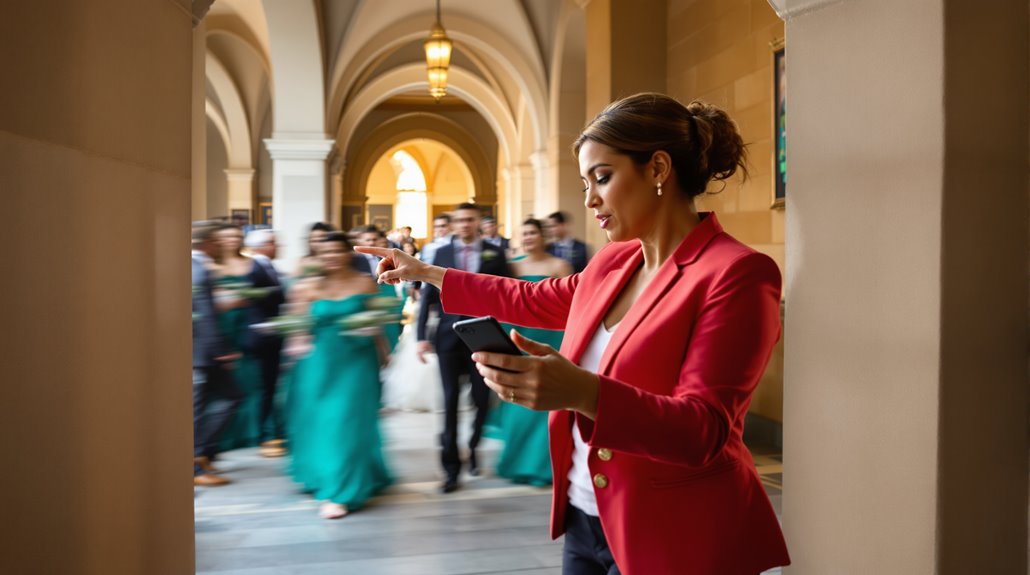
Let’s get straight to it—having a checklist isn’t just nice; it’s non-negotiable. You’ve got a career and a life, so let’s streamline this event like the pros you are. A printable checklist is your power move. It’s not just about remembering the order; it’s about executing it with precision. From the grand entrance to the final send-off, every detail strategically laid out accelerates your day. The bridal party sequence, cocktail hour cues, and cake-cutting? Boom, done. Have this checklist handy in your pocket or on your phone. It’s your ultimate tool to pivot smoothly through each event. Download it, copy-paste it, tattoo it on your brain—whatever keeps you in control and stress-free. Ready to hustle? Get that checklist now!
Common mistakes when applying this list
Missing a beat in your reception timeline? Let’s pivot from chaos to clarity. Your timeline’s a tool, not a trap. Here are four common pitfalls to dodge:
- BufferTimeOversights: Skipping those vital 10-15 minute cushions between events gains you stress, not time. Think of them as your event’s shock absorbers.
- TravelTimeNeglect: Misjudging travel between venues? That’s a fast lane to frustration. Always plan for the real-world chaos of traffic and logistics.
- VendorCoordinationFails: Assuming vendors are mind-readers? Communicate your timeline—otherwise, you’ll be playing catch-up.
- TimelineRigidnessErrors: Treating your timeline like the gospel? Events need flexibility for those inevitable hiccups.
Reality check: Strategically incorporate buffers and communication. A streamlined timeline executed well keeps the momentum rolling. Now, go make it happen!
FAQ
Wondering how to juggle the reception timeline without losing your mind or your momentum? Prioritize the non-negotiables that truly matter to you and your partner, and delegate tasks that don’t require your personal touch. Regularly revisit your checklist to keep everything streamlined and on track, ensuring you maintain control without letting it become a time sink.
How do I prioritize if I can’t do everything?
When you’re juggling a career, social life, and the ticking clock of wedding planning, prioritizing can feel like a high-stakes game of Jenga. Focus on the non-negotiables: food & drink, venue, photographer, and entertainment. These elements are your powerhouse quartet—get them right, and half the battle’s won. Allocate your budget here; the rest can pivot.
Streamline secondary priorities like hair and makeup or invitations. Consider cost-cutting strategies: opt for a DJ over a live band and curate a killer playlist to keep the energy high. Reduce décor costs by embracing venue aesthetics and centerpiece minimalism.
Accelerate your decision-making by using checklists or timelines. Execute with precision and confidence, and remember—this isn’t a wedding; it’s a project. Prioritize like a pro.
What’s the minimum I can do and still be safe/on-track?
To keep your wedding reception on track without losing your mind, focus on the essentials. Start with a strategic grand entrance at 5:00 PM to seamlessly shift from cocktail hour. Execute your first dance and toasts efficiently by 5:20 PM—keeping this under 30 minutes is non-negotiable. Dinner service accelerates at 5:40 PM, giving guests 60-75 minutes to eat and chat without derailing momentum. Then pivot to cake cutting and essential dances by 6:45 PM, condensed into 45 minutes. Conclude with a well-timed farewell send-off at 9:00 PM. This streamlined schedule isn’t just about minimizing chaos; it’s about making every moment count. Next, use a checklist to guarantee nothing falls through the cracks. Remember, efficiency gains come from intentional choices.
What should I delegate vs own myself?
How do you keep your sanity and still pull off a killer wedding? Delegate like a pro and focus on what only you can execute. Let’s cut the fluff. Guest management? Hand off RSVPs and seating charts to trusted friends. Day-of coordination? Designate a point person for vendor questions—keep your hands free for the vows. Vendor setup? Assign a detail helper to grab those perfect gown shots. Reception execution? Task your wedding party with centerpieces and signage—they’ll nail it. Post-event cleanup? Your crew can pack gifts and dispose of florals without you. Think of this as strategic outsourcing. Focus on what’s non-negotiable for you. Skip the “bless and stressed” vibe; control the chaos and own your day effortlessly.
How do I keep this from becoming a time sink?
Wedding planning can easily become a black hole for your time, but it doesn’t have to be. Start by strategically implementing buffer time—those extra 10-15 minute slots between major events can save your timeline from imploding. Allocate 15-30 minute buffers around speeches and meals to handle the inevitable overruns. Next, streamline vendor coordination by scheduling a timeline review meeting 2-3 weeks prior. This guarantees all parties are aligned and ready to execute. Write down your timeline and share it with everyone involved—no room for misinterpretation here. Designate a task manager to keep everything moving smoothly. Treat the timeline like a well-oiled machine, not a Pinterest board. To keep the hustle focused, break planning into chunks and prioritize key events first.
How often should I revisit this list?
When should you revisit your reception timeline? You’ll want to give it a once-over at key milestones: when you first finalize it, a month out, and a week before the big day. This guarantees everyone, from your caterer to your DJ, knows when to execute their part. Share it early, and often, with your vendors. They’re your timeline execution team—keep them in sync. A day-of coordinator is your timeline enforcer, adjusting in real-time if chaos strikes. Remember, buffer time isn’t optional; it’s strategic. Unexpected delays are the enemy, and you’re a timeline ninja. Pivot when needed, but stick to your mission. Your next move? Email the timeline to all vendors today. Keep everyone in the loop, and you’ll ace the day.
Key takeaways
In every reception timeline, five key takeaways will keep your wedding day running like a well-oiled machine. First, know your timeline like it’s your new favorite app. A five-hour reception, including a one-hour cocktail hour, is standard. Strategically plan your grand entrance 30 minutes into cocktails. Second, streamline dinner service. Choose a buffet if speed is your ally. Timing’s non-negotiable—keep it to 60-90 minutes. Third, integrate toasts with dinner to maintain momentum. Fourth, execute dances post-dinner at 8:45 p.m. to keep the energy flowing.
- Timeline Mastery: Stick to a five-hour format.
- Dinner Efficiency: Opt for buffet service.
- Energy Maintenance: Combine toasts with dinner.
- Dance Execution: Schedule dances post-dinner.
Reality Check: Share your timeline with vendors for a seamless exit.