
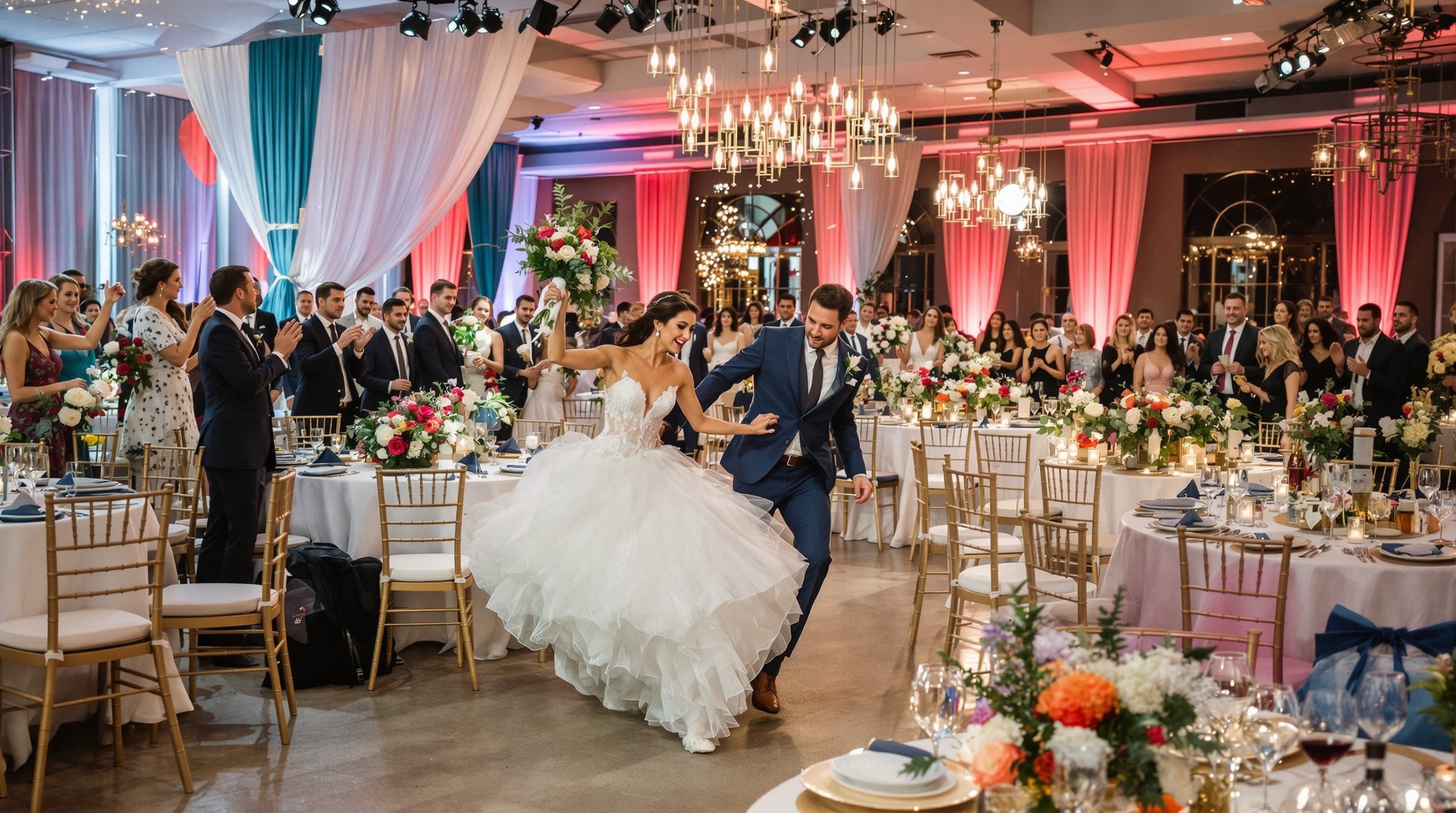
Choosing between round and long tables for your wedding isn’t just decor; it’s strategy. Round tables boost intimacy—perfect for fostering real connections without stepping on toes. Long tables? They scream ‘grand affair’ and streamline service like a well-oiled machine, though a bit less cozy. Which vibe fits your vision? It’s all about conversation dynamics and logistical flow. So, where do you lean? Nail this choice to impress your guest list and keep things efficient. Immerse yourself in decision-making like a seasoned pro.
Quick verdict: Round Tables vs. Long Tables (who each is best for)
Let’s cut to the chase: choosing between round and long tables for your wedding isn’t just about aesthetics; it’s about strategic execution. When evaluating wedding table shapes, you’ve got to pinpoint what best suits your event’s vibe and guest dynamics. Your table shape choice isn’t a mere decorative decision; it’s a calculated move for peak guest interaction and space utilization.
- Round tables are your go-to for intimate gatherings, promoting inclusive conversation flow and maximizing seating in tight spots. If you’re aiming to enhance guest experience, round tables can help foster stronger connections among attendees.
- Long tables excel at creating communal vibes for larger groups, enhancing connection among guests.
- Round table configuration accelerates lively interactions, perfect for smaller, more personal events.
- Long table setups streamline service and space, ideal for grander affairs. Additionally, round tables create a safer environment for households with young children, as they lack sharp corners.
At-a-glance comparison: Round Tables vs. Long Tables
When you’re knee-deep in wedding planning and juggling more spreadsheets than you care to count, the decision between round and long tables shouldn’t keep you up at night. Quickly compare round table vs long table options with confidence. Here’s the strategic breakdown:
| Feature | Round Tables | Long Tables |
|---|---|---|
| Seating Capacity | 4-10 guests, knee-to-knee feel | Up to 12 guests, more spacious |
| Space Efficiency | Maximizes small spaces | Requires more room |
| Conversation Flow | Democratic, inclusive | Formal, end-zone isolation |
| Guest Experience | Intimate, relaxed | Formal, spacious |
| Event Flow | Easy navigation | Linear, structured service |
Round tables promote collaboration and inclusivity by allowing all participants to see each other easily, which can enhance the guest experience and flow at your event. Use this cheat sheet to execute your seating strategy with precision. Pivot to what’s best for your venue, guest engagement, and event flow. Streamline your decision-making process and move on to the next task.
Define the options (so you’re comparing the right things)
Let’s break it down: round tables are your go-to for intimate vibes and equal guest interaction, seating 4-12 depending on size, but be careful—larger diameters can make that center piece practically unreachable. Long tables, on the other hand, are your powerhouse for accommodating larger groups without sacrificing space, with sizes scaling from 4 to 14 guests, perfect for those formal, grandiose setups. Round tables are perceived as pleasant and comforting, making them ideal for creating a welcoming atmosphere. Don’t get caught up in misconceptions; rounds aren’t just for casual settings and longs aren’t only for banquets—each table type can be strategically executed to suit your event’s unique needs.
Round Tables: what it is, what it includes, and the common misconceptions
Round tables—often the unsung heroes of event seating—are your go-to for an efficient, no-nonsense setup that keeps interactions lively and democratic. With a circular design and no head seat, they’re perfect for ensuring everyone feels included. A pedestal base offers more legroom, and the absence of corners means smoother traffic flow. Strategic lighting zones can further enhance guest comfort and event flow around round tables. Strategically, these tables are space-efficient, even in tricky layouts, accommodating up to 8 guests with extensions. Forget the myth that they’re only for small groups; they’re versatile, fitting both formal and casual vibes. Their egalitarian seating promotes conversation, and acoustics keep the chatter flowing. The unobstructed lines of sight foster fluid communication among diners, enhancing the overall guest experience. So, pivot away from misconceptions—round tables are your powerhouse for intimate, high-impact gatherings. Next step? Measure your space for the perfect fit.
Long Tables: what it is, what it includes, and the common misconceptions
Long tables aren’t just long pieces of furniture—they’re strategic game-changers in your event seating arsenal. These powerhouses seat 10, 20, or more, strategically aligning diners in a communal, no-nonsense setup. Forget individual seating choices; long tables streamline flow and encourage interaction. Designed with a trestle base and solid wood, they’re extendable, shifting from intimate to expansive effortlessly. They facilitate mingling and break down cliques, allowing for quicker introductions among community members. They’re not just for grand appearances; long tables are multitaskers, perfect for everything from holiday feasts to impromptu workspace solutions. While some see them as bulky relics, they’re actually sleek, functional anchors in any rectangular room. Misconceptions? Sure, they’re unfairly tagged as outdated. But the truth? They’re timeless, promoting community without imposing. Considering the importance of clarity in event planning, choosing long tables can help set clear expectations for seating arrangements and guest experience. Ready to pivot your event seating strategy? Embrace the long table.
Cost breakdown (upfront vs hidden costs)
When you’re planning a wedding with meticulous precision, understanding the cost breakdown between round and long tables is non-negotiable. Round tables often cut costs with fewer rentals and linens, while rectangular tables can sneak in extra expenses through higher material and logistics needs. Round tables are typically less expensive due to their smaller size and bulk, while rectangular tables tend to be pricier because of their larger size and fabrication complexity. You’ll want to strategically analyze these differences to keep your budget lean and mean, so you’re not caught with surprise costs when execution day arrives. It’s also crucial to factor in service charges and gratuities when comparing table costs, since these mandatory and voluntary fees can significantly impact your final budget.
Line-item cost comparison by tier/budget
Executing a wedding with precision means knowing where your budget’s going—down to the last fork on the table. Choosing between round and rectangular tables isn’t just about style; it’s about strategically managing costs at every tier. Here’s how it plays out:
| Table Type | Cost Consideration |
|---|---|
| Round Tables | Lower upfront costs, fewer needed |
| Rectangular | Higher rental demand, space inefficiency |
Round tables often win with upfront expenses, thanks to their compact design and wider availability. You’ll need fewer of them, immediately cutting overall rental costs. On the other hand, rectangular tables demand more space, which can inflate hidden venue costs. They also require more decor, nudging your budget upwards. Hidden costs like service charges, cleaning fees, and equipment markups can quickly add up when planning your table layout. Venues typically have both types available, which could reduce rental costs when mixing tables. By aligning table choice with your financial strategy, you pivot toward a streamlined, efficient wedding plan.
What actually drives cost changes
Although the glitz of wedding planning might lure you with visions of flower-laden pathways and champagne towers, let’s cut through the fluff and talk dollars and sense. Understanding cost shifts is a non-negotiable part of executing an efficient celebration. Here’s what actually drives those changes:
- Rental Period: Extending beyond a one-day event? Expect costs to accelerate with multi-day charges and logistics.
- Delivery Logistics: Distance fees pile up, especially when tents require specialized transport. Keep in mind that rentals for essentials like china and linens can also add up quickly per guest.
- Service Labor Fees: Setup, teardown, and overtime labor are hidden accelerators adding to your bill.
- Taxes & Gratuities: Expect mandatory charges not in initial quotes; negotiate inclusions upfront.
Rental companies often charge based on a one-day, one-event basis, meaning extending the rental period can significantly impact the overall cost.
Reality Check: Don’t let hidden costs blindside you. Review contracts meticulously and use a checklist to pivot with precision.
Planning workload & logistics impact
When you’re planning your wedding seating, the choice between round and long tables impacts your workload and logistics strategy considerably. Round tables streamline service and require fewer servers, while long tables might necessitate more hands on deck but offer modern elegance. Consider vendor flexibility too—some caterers can pivot easily between table styles, but others may have non-negotiable setups, so strategize accordingly. For the most efficient planning, it’s crucial to standardize your RFP formats to ensure accurate cost comparisons and clear communication with vendors.
Time, complexity, and coordination differences
Envision this: you’re knee-deep in wedding plans, and it’s time to wrangle those tables. Choosing between round and long tables isn’t just aesthetic—it’s a strategic move that impacts time, complexity, and coordination. Let’s break it down:
- Round tables: More setup time due to complex spacing in tight venues. Ideal for buffet flow but complicates seating charts.
- Long tables: Quick alignment and flexibility with extra chairs. Perfect for maximizing space and accommodating last-minute changes.
- Mixing shapes: Increases complexity but can optimize space usage if strategically executed.
- Guest group sizes: Rounds suit small, known groups; rectangles handle large, diverse gatherings.
Reality Check: Mixing table types boosts capacity but demands extra planning. Prioritize balance between coordination ease and guest comfort. Keep in mind that venue importance and layout can significantly affect your setup workload and budget, so plan accordingly.
Vendor availability + flexibility considerations
Let’s face it, vendor availability and flexibility are non-negotiable in wedding planning, especially when you’re juggling a packed schedule. Strategic coordination can make or break your event’s flow and guest experience. Consider these key points:
- Centralized Scheduling: Use platforms for time-zone aware planning, ensuring seamless vendor access despite venue restrictions.
- Contingency Planning: Always have a backup for overlooked logistical snags—trust us, it gets the job done.
- Standardized Workflows: Templetize processes to streamline execution across multiple locations, capitalizing on efficiency.
- Vendor Coordination: Liaise closely with venues to synchronize delivery times and space allocations, reducing last-minute chaos.
Reality Check: Inflexibility can derail your wedding timeline. Prioritize adaptable vendors to sustain momentum and achieve that kinetic precision confidence. Implementing contextual planning strategies from the start ensures that vendor logistics stay aligned with your event’s seasonal needs and aesthetic vision.
Guest experience impact
When it comes to guest experience, round tables strategically boost social interaction, making everyone feel included without awkward neck craning. Long tables, while they might scream “family-style intimacy,” often leave guests at opposite ends feeling like they’re in different time zones. Your choice? It’s about minimizing friction and maximizing connection, so let’s get this seating chart executed with precision. Keep in mind that even your guest list size can impact table selection and overall guest comfort, so plan accordingly for maximum enjoyment.
How guests perceive it + where friction shows up
Choosing between round and long tables isn’t just about aesthetics—it’s about strategically maximizing guest experience. You’ll find that round tables foster intimacy, letting guests face each other for easy conversation. But long tables? They create a communal vibe, ideal for tight-knit gatherings. Be mindful:
- Round tables: Encourage longer stays, but their size can complicate service.
- Long tables: Offer a family feel but limit chat between opposite ends.
- Seating flexibility: Round tables accommodate changes, while long tables feel sparse for small groups.
- Service efficiency: Long tables streamline service; rounds need more spacing.
Best-fit scenarios (choose based on constraints)
If space constraints have you in a bind, opt for round tables—they maximize seating efficiency without cramping style. They’re perfect for those strategic intimate gatherings where you want everyone engaged, not isolated. But if you’ve got the room and need to cater to a larger crowd, long tables are your go-to, offering streamlined service and a chance for cross-group mingling.
Choose Round Tables if…
Round tables strategically execute inclusive vibes, making them a no-brainer for your wedding if you’re all about that buzz of real connections. These tables aren’t just furniture; they’re social accelerators. If your venue’s got funky angles or you’re squeezing into a smaller space, round tables can pivot perfectly, keeping things cozy without cramping style.
- Engage Guests: With everyone facing each other, conversations flow like a well-oiled machine.
- Flexible Fit: Adapt to irregular venues, making awkward layouts a non-issue.
- Aesthetic Appeal: Pair with lush centerpieces for a sophisticated, timeless look.
- Intimate Vibes: Perfect for smaller groups, promoting genuine interaction.
Reality check: Round tables are a win for mingling, but don’t overpack them—comfort should be non-negotiable.
Choose Long Tables if…
When your wedding’s got space constraints or a smaller guest list, long tables might just be your secret weapon. They’re not only space-saving ninjas but also masters of creating a tight-knit, communal vibe. Picture a setup that accelerates connections and pivots awkward spaces into streamlined elegance. Here’s why you should consider long tables:
- Space-efficient: Fits snugly against walls or corners, making awkward venues work harder.
- Connection-driven: Encourages interactions, ideal for intimate celebrations under 80 guests.
- Modern elegance: Elevates design with dramatic tablescapes and striking photo opportunities.
- Structured seating: Supports clear seating assignments for organized flow and VIP sections.
Reality Check: Don’t overdo it. Long tables dominate space, so be strategic—check those venue dimensions and guest lists. Keep it efficient, keep it cool.
Real-world scenarios (examples with numbers)
Envision this: you’re hosting a wedding for 100 guests with a budget that prioritizes guest interaction and efficient use of space. Strategically placing ten 60-inch round tables can seat up to 80 comfortably, leaving room for mingling and maintaining a dynamic flow. If maximizing seating is non-negotiable, pivot to twelve 8-foot rectangular tables, which gets the job done for all 100 guests, while keeping the budget in check.
3 sample scenarios: guest count + budget + priorities
Whether you’re wrangling a guest list of 50 or masterminding a 150-person soiree, your wedding table setup can make or break the flow. Let’s break it down:
| Scenario | Strategy |
|---|---|
| 50 Guests, $5,000 | Opt for 60-inch rounds. You’ll need fewer tables, saving costs and boosting intimacy. |
| 100 Guests, $10,000 | Use 8-foot rectangles. Maximize space; align them for a seamless banquet vibe. |
| 80 Guests, $8,000 | Mix rounds and rectangles. Flexibility is key for guest circulation and uneven group sizes. |
| 150 Guests, $15,000 | Combine 72-inch rounds and 10-foot rectangles. Achieve high capacity; mix for ideal flow. |
Reality Check: Prioritize circulation over perfection. Trust metrics, not myths. Execute with precision, and keep momentum in check.
Common mistakes (and how to avoid them)
Let’s cut to the chase: seating arrangements can make or break your wedding vibe. Avoiding common mistakes is non-negotiable for a killer guest experience. First, don’t cram guests into round tables just because they fit more per square foot; think intimacy over capacity.
- Mismatch Alert: Round tables isolate odd-numbered guests; even it out or pivot to long tables.
- Conversation Killers: Long tables hinder cross-talk; strategically place guests to keep conversations flowing.
- Service Snafus: Rectangular tables need more servers; streamline with round setups.
- Space Missteps: Long tables eat space; use them only when venue capacity allows.
Reality check: Execute with precision, and you’ll avoid a seating snafu that could derail your meticulously planned day. Now, grab your seating chart—time to make magic happen.
Copy/paste decision matrix template
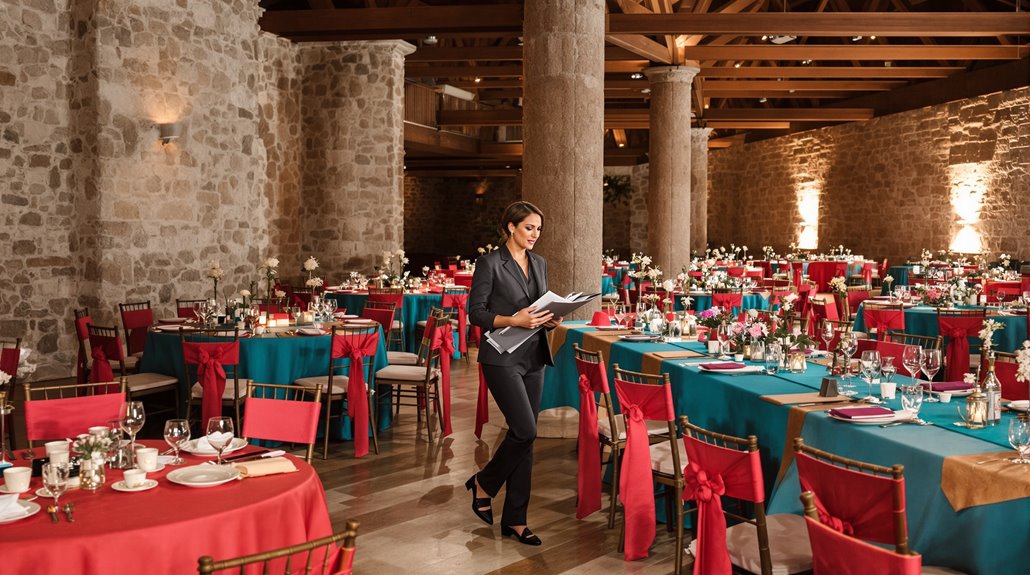
In the whirlwind of wedding planning, choosing the right table setup is a decision that demands strategic precision. You’re not just picking furniture; you’re orchestrating guest interaction, service flow, and space efficiency. Here’s a quick decision matrix to streamline your choice:
- Seating Capacity: Choose round tables for intimate settings; opt for long tables if you’re seating the whole crew.
- Space Efficiency: Round tables win in tight spaces; long tables need room to breathe.
- Guest Interaction: For mingling, round tables are your ally; for a communal vibe, go long.
- Service Flow: Round tables mean fewer servers; long tables need more hands.
- Cost Practicality: Round tables are budget-friendly; long tables demand more resources.
Make informed choices and execute with precision.
FAQ (quick answers to common edge cases)
Stuck between round and rectangular tables? Let’s tackle it head-on: if your guest count swings by 20%, pivot to extra seating or adjust table size—non-negotiable. Ask vendors the hard questions to confirm setup assumptions, then strategize a fallback plan for hiccups—because in your world, execution isn’t just a word, it’s a lifestyle.
What if I’m stuck between two options?
Can’t decide between round or long tables? Let’s cut to the chase—this is all about optimizing space and flow. If you’re hosting in a smaller area, round tables are your go-to. They seat more people per square inch and keep the conversation lively. They’re a powerhouse for intimate, connected vibes. But, if you’re planning a grande affair with 8+ guests, rectangular tables execute the mission with precision. They scale better, offering streamlined service and a structured setup. Here’s the non-negotiable: assess your space and guest list. Strategically choose what gets the job done. Need a quick pivot? Mix both for dynamic energy—rounds for community, longs for structure. Remember, it’s about intentional decisions and efficiency, not wedding clichés.
What’s the easiest way to reduce risk with either option?
You’ve nailed your table choice, but what’s the next play to keep risk in check? Let’s talk strategy: space and service efficiency are your power moves. For round tables, guarantee a minimum of 5-6 feet between tables. This spacing keeps guest flow smooth—think of it as traffic control for your dance floor. For rectangular tables, leverage their flexibility by arranging them in long rows to optimize space. This setup accelerates service but requires more staff. Remember, round tables streamline staffing needs—one server, one table, done. Your mission? Maximize layout efficiency and minimize staffing chaos. Create a floor plan that moves, not stalls. Action step: sketch your layout now, and adjust for flow before the big day.
What should I ask vendors to confirm assumptions?
How do you make certain everything goes according to plan with your vendors? First, strategically confirm all arrival times a week before the big day. This isn’t a suggestion—it’s non-negotiable. Next, finalize vendor details two to three months out to avoid last-minute chaos. During the final prep phase, get those invoices in your hands. Schedule a thorough walk-through with every vendor to make sure everyone’s on the same page. Don’t forget the VIPs; confirm their participation at least a week out. Check logistics like furniture, signage, and restrooms during your venue inspection. For catering, send final numbers two weeks ahead. For A/V, secure needs early and test everything the day before. Contracts signed? Double-check. Now, go execute like the boss you are.
What changes if my guest count swings by 20%?
When your guest list suddenly balloons by 20%, don’t panic—strategically adjust and keep the momentum going. First, decide if round or rectangular tables best suit your space dynamics. Round tables are your flexible friend, perfect for squeezing in extra chairs. Upgrade from 60-inch to 72-inch tables to accommodate more guests comfortably. Rectangular tables, though, demand additional tables, not just extra chairs—think 3 more tables for 150 guests. Space is a premium; long tables may efficiently use it, but round tables interlock for creative layouts. Remember, more guests mean tighter circulation—plan your layout to maintain flow. Prioritize guest interaction and staff access. Move fast, make smart calls, and let your wedding be an executed masterpiece.
What’s the best fallback plan if something goes wrong?
Envision this: your venue just fell through, or maybe your headliner DJ’s stuck in traffic, and you’re staring down a potential wedding day disaster. Don’t panic—pivot! Always have a second venue option, bookable last-minute, nearby, and low-demand. Scout diligently: understand capacity, electrical outlets, and AV capabilities. Secure thorough contracts with backup clauses and invest in event insurance. Technology hiccup? Keep backup gear on-site or know rapid replacement vendors. For no-show vendors, confirm timelines and have backups ready. Staffing shortage? Over-prepare with flexible staffing plans and financial buffers. And if weather turns, use your contingency plans B, C, D, and E. Strategically execute these measures, and your day will move smoothly, ensuring a streamlined, non-negotiable success.
Next steps: make the decision + execute the plan
Let’s cut to the chase: choosing your wedding table setup isn’t just about aesthetics—it’s about strategically executing a plan that supports your event’s flow and efficiency. You need to decide, then move. Here’s how:
Strategically plan your wedding table setup for efficient flow and a stress-free event.
- Assess Guest Count: Match tables to group size. Rounds for intimate chats, longs for larger scale.
- Evaluate Space Constraints: Test layouts during site visits. Can you fit those 80 guests without cramping their style?
- Factor Flow and Service: Prioritize configurations that provide easy service access and maintain conversational distances.
- Finalize and Implement: Confirm your setup with precise measurements. Combine tables for versatility if your venue’s flexible.
Reality check: Don’t let bad table placements cut dining time. Be strategic, not stressed. Execute like a boss.