

Sending save-the-dates involves calculated moves. For local weddings, nail them 6-9 months out; destination gig? Think 9-12. Peak season or holiday bender? You’ve got an 8-month runway. Number one rule: don’t send over 12 months ahead unless your goal is forgotten invitations. Timing isn’t wishful; it’s execution. Get that checklist ticking—lock venue, curate your guest list, hit “send.” Want to flex on every variable? Learn when and why to pivot.
The short answer (what most people should do)
Let’s cut to the chase: for a local wedding, aim to send your save-the-dates 6 to 9 months in advance. This save the date timing guarantees your guests have plenty of time to clear their calendars and budget accordingly. Wondering when to send save dates? Hit that 8-month mark if your wedding dances around those busy holiday weekends or peak seasons like May to September. A streamlined save the date timeline prevents calendar chaos and avoids last-minute scrambles. You’re not just setting a date; you’re executing a strategy. By sending early, you pivot your wedding planning into high gear, making sure no one misses the big day. Ready for the next steps? Lock in that venue and finalize your guest list. Keep in mind, for destination weddings, it’s recommended to send save-the-dates 9 to 12 months in advance to accommodate the extra planning required for travel logistics.
The real answer: what it depends on
When it comes to nailing down your save-the-date timeline, it’s all about the details—because one size definitely doesn’t fit all. Your announcement schedule pivots on several factors, demanding strategic execution to get the job done. Whether it’s a local shindig or a destination affair, timing is non-negotiable. Keep in mind that guestlist size can significantly impact your planning process, as inviting more people often means coordinating more logistics.
- Destination weddings: Give guests 9-12 months for travel plans. International? Stretch that timeline to a full year.
- Local celebrations: Keep it streamlined. Four to six months works unless you’re banking on a holiday weekend—then aim for eight.
- Engagement length: Short engagements? Skip save-the-dates; go all-in on invitations 3-4 months out.
Reality Check: It’s all about intentional decisions. Don’t let procrastination derail your perfectly executed announcement schedule. Go forth and conquer! By sending out Save the Dates 6-12 months before the big day, you ensure guests have ample time to plan, avoiding any potential scheduling conflicts.
Decision framework (choose the right move fast)
To navigate the save-the-date conundrum with the precision of a seasoned project manager, you need a decision framework that’s as sharp as a tack. You’re dealing with timelines, logistics, and a guest list that rivals your LinkedIn contacts. Here’s how to streamline: Remember to address save-the-dates properly to ensure clarity on who is invited, as this prevents any confusion about plus-ones or whether children are included. Building your timeline using a step-by-step process will help you avoid common mistakes and ensure no critical detail slips through the cracks.
| Factor | Action |
|---|---|
| Wedding Type | Local: 6-8 months |
| Destination: 9-12 months | |
| Season and Holidays | Peak: 8-12 months |
| Holidays: 11-13 months | |
| Guest List Size | Large: 8-12 months |
Recommended timeline / checklist (so you don’t miss anything)
Strategically executing your save-the-dates is non-negotiable if you want to keep your wedding plans on track and your sanity intact. To avoid the dreaded last-minute scramble, here’s your streamlined checklist:
- Finalize the Venue and Guest List: Lock these down before sending anything. No venue, no guests, no dice.
- Perfect Timing: For local weddings, aim for 6-8 months out; destination? Shoot for 9-12 months. Don’t go over 12 months—plans change, and you’re not a psychic. Sending save-the-dates well in advance allows guests to plan and make travel arrangements, ensuring they can attend your special day.
- Order and Mail Simultaneously: Order and send within the same month to maintain momentum.
No one wants to be “bless and stressed.” Execute, pivot, and move forward with precision. Your wedding’s a project—manage it like one, and you’ll get the job done.
Examples (realistic scenarios)
Envision this: you’re juggling a tight timeline with limited availability, and executing those save-the-dates becomes a mission in strategic precision. Or maybe, you’ve got the luxury of a flexible timeline with high customization demands, where your guests’ experience is as curated as your Spotify playlists. Finally, if you’re prioritizing budget-first, your approach is all about smart, cost-effective solutions that don’t skimp on impact—because getting the job done right doesn’t have to break the bank. Remember, send save the dates after you’ve secured your wedding venue to ensure accuracy and relevance in your guest notifications. It’s also important to factor in your guest list early, since the number of invitations directly affects your overall budget and planning timeline.
Scenario 1: tight timeline + limited availability
When you’re staring down a tight timeline and limited availability for your wedding, quick decisions become your best allies. Imagine this: you’ve got a high-demand venue and a guest list that could rival a small tech conference. It’s time to execute a strategic save-the-date game plan. For destination weddings, shoot for 9-12 months ahead. Local? Aim for 6-8 months. But remember, under 4 months is no-go territory—skip straight to invitations. Digital save-the-dates are your secret weapon for quick updates, especially for international guests. With flights, hotels, and passports in the mix, timing’s everything. Finalize your venue and guest list first—non-negotiable. To make sure you don’t blow your budget early, check your venue allocation percentage before putting down deposits. To ensure you have ample time for all wedding preparations, like applying for a marriage license which should be done 3 to 4 months in advance, be proactive in your planning. Streamline your process, pivot as needed, and keep the momentum. Your wedding’s a project; manage it like a pro.
Scenario 2: flexible timeline + high customization
Got a flexible timeline and a flair for customization? You’re in luck. With the luxury of time, you can immerse yourself in customization like a pro. Confirm your venue and lock in your date, then strategize your high-custom save-the-dates. For local weddings, aim to send them 6-8 months out. If you’re behind schedule, digital save-the-dates can be a lifeline, hitting inboxes 5-6 months prior, cutting through mailing delays.
Accelerate your engagement photo session 10-12 months beforehand. This gives designers ample time—4-6 weeks—to craft your personalized vision. Integrate the wedding website with custom RSVP links for seamless guest management. Decision fatigue can creep in with so many customization options, so defining your priorities early helps keep the process enjoyable. Got a multi-day celebration? Draft the guest list 12 months ahead and dispatch those custom save-the-dates at the 10-month mark. Remember to book the venue 8 to 14 months in advance, especially if you are considering popular dates, as this will ensure you have your desired location secured.
Scenario 3: budget-first priorities
Here’s the real deal: Budget-first wedding planning is your lifeline to executing a killer event without hemorrhaging cash. You’ve got a solid budget, now let’s make it work. Kickstart by establishing a realistic budget early. This means estimating your guest list, considering off-peak days, and allocating funds for your save-the-dates. Lock in your venue pronto—this is non-negotiable. Once that’s set, efficient moves like sending digital save-the-dates can save you serious cash. Physical ones should go out 6-9 months prior, while digital can stretch to 12. Leverage bulk discounts, seasonal sales, and even some DIY genius. Remember, weekday weddings often mean big savings. Using a decision matrix tool can help you objectively compare venues, caterers, or stationery vendors to maximize budget impact. Next steps? Lock those dates, hustle smart, and keep your eye on the budget prize. By committing to big-ticket items early, you protect your budget and avoid expensive last-minute choices.
What to avoid (common traps)
Executing save-the-dates with precision is non-negotiable, but common traps can derail your streamlined planning if you’re not strategic. You’ve got a packed schedule and a packed guest list, so let’s cut the fluff and get straight to it. First, sending save-the-dates more than 12 months in advance risks them becoming forgotten scraps. Too close to the event? You’re leaving guests scrambling like it’s a fire drill. And don’t skimp on the essentials—names, date, and location are your holy trinity.
- Sending Too Early: Exceeds a year, leading to forgetfulness and potential changes.
- Sending Too Late: Less than 4 months and you might as well skip them entirely.
- Omitting Key Information: Fails to set the right tone and leaves guests guessing.
Stay sharp and stay on schedule. To avoid timeline headaches, use a realistic budget/time cap to coordinate your save-the-dates with other key planning milestones.
1-page action plan you can screenshot
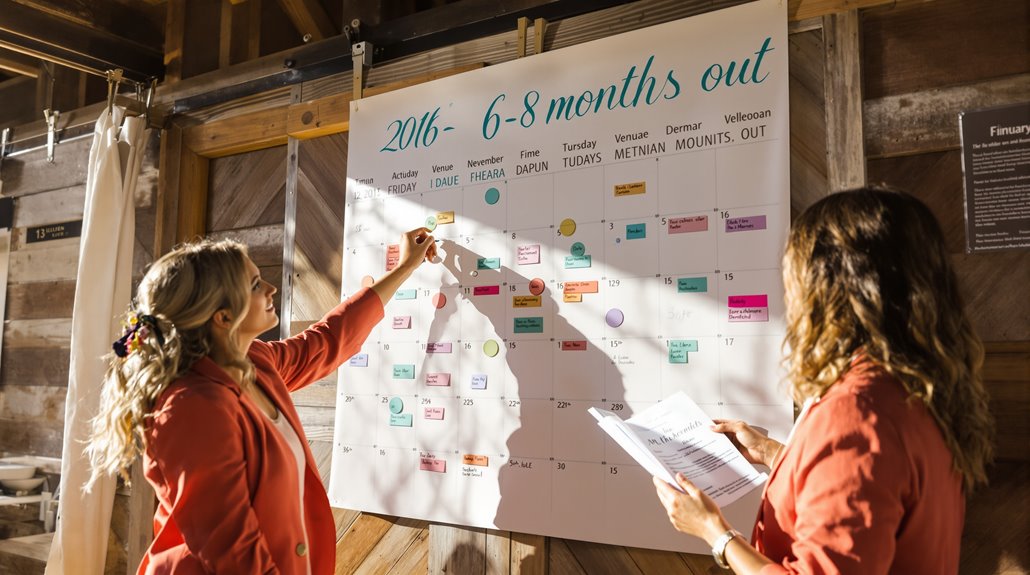
Let’s cut the fluff and streamline your save-the-date strategy with a power-packed action plan you can easily screenshot and execute. First, lock in your venue and guest list; non-negotiable steps. Then, strategically send save-the-dates 6-8 months in advance for local weddings. For destination lovefests, aim for 9-12 months. Why the extra time? Guests need room to maneuver flights, hotels, and maybe even passport renewals. If you’re tying the knot during peak season or over holidays, lean toward the 8-month mark. Missing the mark? Skip save-the-dates and jump straight to invites. Use digital options for international affairs—quick, efficient, and they get the job done without fuss. Reality check: Early planning avoids last-minute chaos. Execute wisely! When planning, don’t forget to prioritize critical wedding decisions first, as these will set the foundation for your entire event. {img} {save_text: “save_the_date_action_plan.png”
FAQ
Got questions? Let’s tackle them with the precision of a project manager on their fifth cup of coffee. Whether you’re wondering what to do if your wedding’s unique, the first step to take today, or how vendor changes shake things up, we’ve got the actionable insights to keep your planning on track.
What if my situation doesn’t match the examples?
If your wedding timeline doesn’t fit neatly into the typical boxes, don’t stress—you’re not alone. Life’s chaotic, and we get it. You’re juggling deadlines, Zoom calls, and that new fitness regime. Here’s the deal: your save-the-dates should be executed strategically to mirror your unique timeline. Whether it’s a destination wedding or an intimate local affair, lock down your venue first—this is non-negotiable. Then, aim for that sweet spot: 8 to 12 months out. Move too early, and guests might forget; too late, and they scramble. Streamline the process with digital tools or a killer checklist. Need adjustments? Send a “Change the Date” card if plans pivot. Remember, clarity and momentum get the job done. Now, go execute! And if you’re unsure, consider buffer time before ceremony as a guiding principle to ensure you’re not rushing crucial steps in your planning process.
What’s the first thing I should do today?
How do you kick off this wedding planning marathon without breaking a sweat? First, secure your venue and lock down that date. This is your non-negotiable starting line. Without it, everything else is just wishful thinking. Next, get your wedding website up and running—hotel blocks and registry included. This isn’t just a digital scrapbook; it’s your logistical command center.
Now, order and design those Save the Dates six to nine months in advance. Make certain they include names, location, and exact date. No RSVP cards needed—this isn’t a dinner party. This streamlined approach guarantees you’re strategically ahead, leaving guests informed, not guessing.
Don’t forget to allocate buffer time in your planning to absorb any unexpected delays and keep stress at bay.
Next steps: Check venue availability, confirm your date, and start designing those Save the Dates. Let’s move!
What’s the most common regret?
You’ve got your venue, date, and Save the Dates are in production. Don’t drop the ball now—timing is everything. The most common regret? Sending Save the Dates too late. Less than four months’ notice throws a wrench in your guests’ plans, making you the unintentional villain of their social calendar. Ideally, you want those cards out 6-9 months before your wedding. Destination weddings? Aim for 9-12 months. Sound excessive? It’s not if you want guests to actually attend. Late sends equal empty seats and disappointed faces. Even local weddings need a solid 6-8 months’ advance. No one wants to clash with a cousin’s beach vacation. So, execute this step with precision. Get your timing right and avoid regrets.
What’s a red flag that I’m moving too fast?
Rushing to send out those Save the Dates? Hold your horses. Sending them more than a year in advance can backfire. Guests might file it away and forget, deprioritizing your big day. You risk date changes and venue swap headaches, leading to frustrating re-communications. Plus, those early sends can dull the impact of your formal invite.
Six to eight months is your local wedding sweet spot—strategically timed to maximize engagement without overwhelming your guests. Got a destination or holiday wedding? Eight to twelve months is your timeline. Lock down your venue, date, and guest list first. Launch that wedding website before hitting send.
Next steps: Map your invitation timeline backward to nail the perfect save-the-date window. Keep it tight, keep it right.
What changes if I add/remove vendors?
Adding or removing vendors can feel like an intricate ballet, but don’t sweat it. Before sending out save-the-dates, you’ve got to lock down the essentials: venue, transportation, and accommodations. Think of these as your non-negotiables. Sending those cards more than 12 months ahead? Risky move. Plans might shift, and you don’t want your guests caught in the chaos. While the save-the-date only needs the date and location, your formal invites—sent 8-12 weeks out—are where you’ll drop the full scoop. Digital save-the-dates? A godsend for quick updates, especially if you’re juggling international logistics. Nail down your vendor checklist by month nine to avoid costly reprints. Remember, strategic planning equals smooth sailing. Now, execute with precision.
Key takeaways
Strategically nailing the timing of your save the dates is non-negotiable—because you’re not just picking a date, you’re setting the stage for a flawless execution. For local weddings, aim for 6-9 months out. Destination events demand a 9-12 month lead to account for flights and accommodations. Miss the 4-month mark, and you’re better off skipping to invitations.
Timing your save the dates is crucial: 6-9 months for local, 9-12 for destination. Miss the mark, skip to invites.
- Local Weddings: Send 6-9 months ahead; earlier if peak season.
- Destination Weddings: 9-12 months to allow travel planning.
- Risks of Timing: Too early and they’ll forget; too late means chaos.
Skip the fluff, focus on precision. Plan, execute, and pivot. Next step? Grab our streamlined checklist to keep your timeline tight and stress-free. Let’s get the job done!