
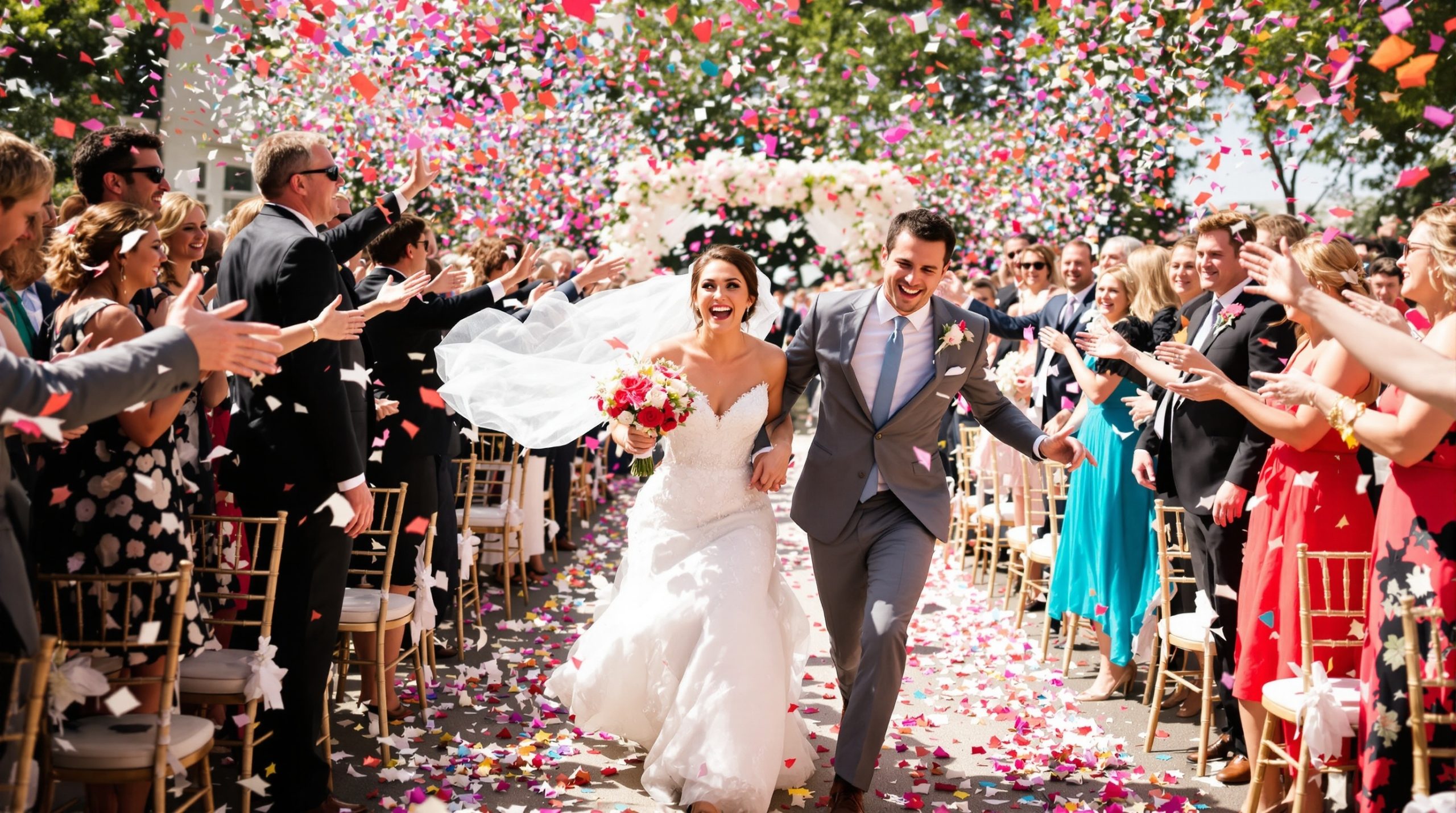
Hey, savvy planners! Ditch the marathon weddings—your guests’ precious time and energy deserve strategic respect. Short ceremonies are your power move. Here’s the deal: they keep momentum high, cut through the fluff, and make memories stick. No one enjoys listening to two-hour speeches that could make paint dry faster. Opt for quality moments. Streamline with checklists, energize the flow, and move seamlessly from vows to vibes. Immerse yourself in how to elevate your event with efficiency and flair.
The thesis (what people get wrong)
Let’s cut through the fluff: the biggest mistake people make about weddings is assuming bigger means better. Seriously, who has time for long, dragged-out ceremonies when a short, punchy one gets the job done? You’re juggling a career, a social life, and now a wedding. A streamlined ceremony respects your guests’ time and ramps up their experience. Forget the myth that longer means more memorable—it’s about moments, not minutes. Long ceremonies can leave guests restless, whereas a concise format keeps energy high and spirits up. Embrace the short ceremony benefits and pivot away from traditional long ceremony problems. It’s a strategic move: think of it as a project milestone achieved efficiently. Short ceremonies also help in managing unexpected expenses as you can allocate resources effectively without overextending your budget. Remember, your wedding should move like a well-oiled machine, not a never-ending saga. Micro weddings, with their focus on quality over quantity, exemplify this approach by creating personalized experiences that resonate deeply with both the couple and their guests.
Why this happens (the real root causes)
Sure, long ceremonies are a classic trap, but they’re rooted in some pretty straightforward issues. First, the ideal ceremony length often collapses under the weight of logistical overload. Streamlining is non-negotiable when guest lists balloon, stretching events to exhausting marathons. Second, attention spans dwindle after 20-45 minutes. With ceremonies dragging into hours, you’re left with glazed eyes and twitchy legs. Third, physical fatigue is a silent killer. Standing around for 8-12 hours? Bless and stressed? No thanks. Additionally, smaller weddings provide more options for venue selection, which can enhance the intimate nature of the celebration.
- Logistical Overload: Big events equal complex coordination, delaying relaxation.
- Attention Span Limits: Human focus wanes, especially in long ceremonies.
- Physical Fatigue: Extended standing causes discomfort, especially in larger gatherings. Streamlining guest list to around 116 people can help manage costs and reduce ceremony length, making the experience more enjoyable for everyone involved.
Focus on strategic execution to guarantee your ceremony gains momentum, not drag.
What to do instead (the better framework)
Long ceremonies might be the traditional route, but here’s the thing: you’re not about tradition—you’re about efficiency and impact. Think micro-wedding. It’s a streamlined, high-impact solution that respects your guests’ time and your sanity. You save big bucks—up to $40,000—by cutting the guest list. Plus, you gain control and flexibility without sacrificing quality. More couples are choosing budget-friendly options for their celebrations, reflecting a significant cultural shift in wedding planning preferences. Interestingly, research from Cornell University suggests that lower wedding spending is linked to longer-lasting marriages.
Ready to pivot? Here’s how:
- Cost Savings: Slash unnecessary expenses. Reallocate funds to what truly matters—like that dream honeymoon or exceptional décor.
- Stress Reduction: Fewer logistics, fewer headaches. Plan in months, not years, and dodge family drama.
- Quality Interactions: Meaningful guest time becomes a non-negotiable. No more awkward stranger encounters—know your crowd, enjoy your day.
Reality Check: Micro doesn’t mean less; it means smarter.
How to apply it in real life
Envision this: you’re juggling a high-pressure job and wedding planning, but one move can streamline your entire process—cut the guest list. Next, imagine steering through family expectations during high-stakes moments; strategically choose a shorter ceremony to reduce drama and keep everyone focused on what matters. Plus, navigating family dynamics with strategic compromises can maintain the couple’s vision while keeping the ceremony concise. Finally, for the “we’re too busy” couple, execute a weekday wedding and gain access to unique venues that fit your schedule, not the other way around. Smaller weddings are more intimate, creating a personal and emotional atmosphere that enhances the experience for everyone involved.
Example 1: a common scenario + the better move
When you’re juggling a high-octane career and planning a wedding, the last thing you need is a bloated guest list slowing you down. Imagine this: you’re stuck in a whirlwind of RSVPs, seating charts, and a sea of unfamiliar faces. Exhausting, right? Time to pivot. Limit your guest list to 50 or fewer. This strategic move accelerates planning, allowing you to execute a memorable event without the chaos. By keeping things intimate, you streamline logistics and guarantee genuine connections. Opt for a brisk 45-minute ceremony to keep energy high and attention intact. Embrace cozy venues and schedule interactive receptions. With a smaller guest list, you can focus on enjoying the day rather than managing a large crowd. It’s not about cutting corners; it’s about maximizing impact. Consider incorporating AI tools in your planning process to ensure seamless coordination and efficiency. Next step? Draft that guest list, and streamline your wedding into a powerhouse of joy.
Example 2: a high-stakes scenario + the better move
In a high-stakes scenario like a medical emergency during a wedding, swift action is non-negotiable. Opting for a micro wedding is your best move here. With fewer guests, you’ve got streamlined logistics—perfect for quick medical access. Imagine cutting 50% off your guest list and redirecting those savings into on-site medics or rapid evacuation plans. Plus, micro weddings are a time-saver—shorter ceremonies mean reduced risk of heat exhaustion or panic. Additionally, consider setting aside a 10-15% cushion in your budget to cover any unforeseen expenses during such emergencies, ensuring financial stability. Now, let’s talk dollars. Free up $15,000-$40,000 for emergency planning. Smaller guest lists mean you can pivot quickly, ensuring everyone’s safety without sacrificing those precious VIP moments. Ready to execute a wedding that’s not just memorable but also smartly planned? Start with a guest list trim and emergency fund boost.
Example 3: a ‘we’re busy’ scenario + the better move
Ever feel like you’re juggling flaming swords with your career, social life, and now a wedding on top? Relax. A micro wedding under 50 guests is your strategic ace—executed in months, not years. Forget the weekend chaos; pivot to a weekday ceremony. Venue? Available. Costs? Lower. Stress level? Minimal. With a smaller gathering, you can dedicate more time to adding personal touches and attention to detail. This isn’t about Pinterest perfection; it’s about intentional decisions and streamlined execution.
Invite only essential attendees. The result? A non-negotiable focus on meaningful connections. Redirect your budget to memorable experiences like premium food or killer entertainment. Modern Priorities in budgeting allow for agility, reallocating funds to what truly matters for your event. Your day, your rules.
Reality check: Trade the exhaustive guest list for a deeper, richer experience. Eliminate the “bless and stressed” nonsense. It’s simple: minimize the fluff, maximize the memories. Now, go execute that plan.
Counterpoints (when the old way is actually fine)
While speed and efficiency might be your bread and butter, there’s a reason some traditions stick around—they’re the glue that holds generations together. Long ceremonies aren’t just about time on the clock; they’re about depth and connection. Here’s why the old ways might be worth considering:
- Emotional Anchors: Rituals provide psychological comfort and cultural narratives that anchor you through life’s big changes. They serve as a detailed timeline that ensures the seamless flow of emotions and events.
- Generational Bridges: Ceremonies transmit values and create a living archive, bridging you to your roots and identity.
- Marital Gains: A traditional ceremony can boost marital satisfaction, acting like a strategy session for relationship longevity.
Moreover, wedding traditions serve as mechanisms for cultural preservation and emotional connection, embedding personal celebrations in broader contexts and reinforcing social bonds.
Sure, hustle culture loves a quick pivot, but sometimes it’s smart to let the old school work its magic.
Action plan (do this next)
Feeling the weight of tradition? Let’s streamline your wedding ceremony for maximum impact with minimum fuss. Embrace a micro wedding model that liberates your time and resources. Here’s your action plan:
- Set a Realistic Timeline: Cut down your planning to a few months. Without the burden of a massive guest list, you’ve got more flexibility to make quick, decisive moves.
- Budget Strategically: Save big on unnecessary extras—opt for quality over quantity. The $15,000-$40,000 you save can fuel an epic honeymoon or a killer DJ.
- Prioritize Guest Interaction: With fewer attendees, you gain precious moments to truly connect. Your guests feel special and so do you—no more wedding day amnesia.
Remember, venue capacity is a non-negotiable factor, so ensure your guest list aligns with both your budget and the venue’s limitations to maintain comfort and quality.
Execute these steps and pivot towards a ceremony that’s efficient and memorable.
Visual summary you can share
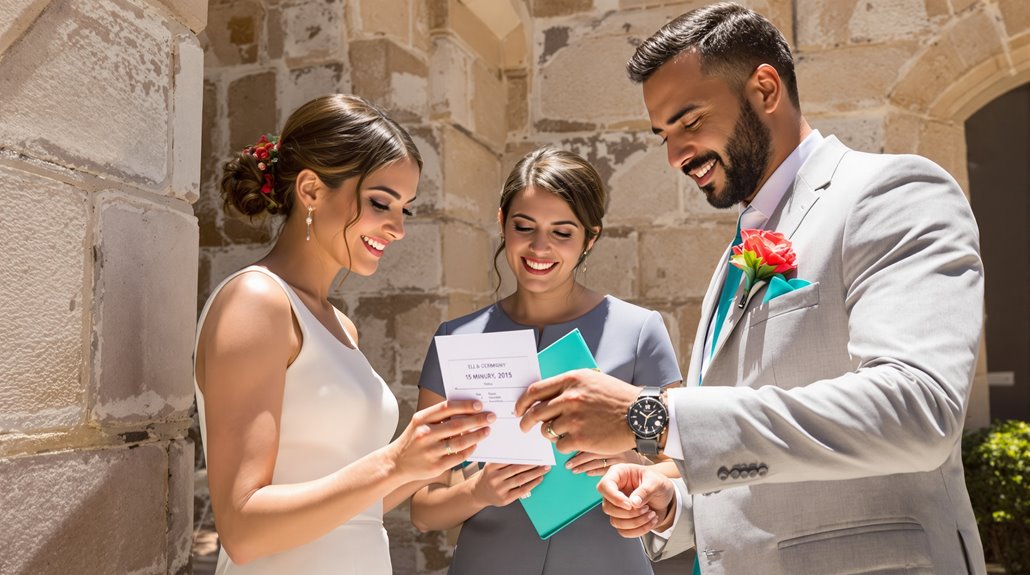
Envision this: a crisp, no-nonsense visual summary that cuts through the wedding planning noise and gets straight to the heart of why shorter ceremonies are your best bet. You’re juggling a hectic schedule, craving efficiency, and let’s face it, no one wants to be “bless and stressed” over a wedding. Short ceremonies are executed with precision, strategically minimizing stress and maximizing guest experience. With fewer moving parts, you can savor every spontaneous moment. Trade endless logistics for quality time with guests, fostering deeper connections. Efficiency doesn’t mean skimping—it’s about a streamlined, memorable experience that gets the job done. Want to pivot from chaos to clarity? Create a timeline, make checklists, and remember: less is more. To optimize guest experience, ensure cocktail hour is scheduled immediately after the ceremony with appropriate staffing and appetizers. Share this visual summary with fellow Type-A pals. {img} {save_text:visual_summary_shareable
FAQ
You’ve got questions, and we’ve got shortcuts that respect your hustle. If you’re dealing with pushback from family or vendors, or feeling like you’ve already made the ‘wrong’ decision, there’s a streamlined path to pivot. Let’s get your partner on board and execute the easiest win you can achieve today—because in wedding planning, efficiency isn’t just a goal, it’s non-negotiable.
What if my family/vendors push back?
When your family or vendors dig in their heels about the size of your wedding, it’s time to pivot with precision. Let’s cut the fluff and get to tactics. Start by presenting data: 18% of 2024 weddings are micro, under 50 guests. Show them the logic—less logistics, less stress. Vendors want big bucks? Offer weekday dates. Families worried about tradition? Highlight intimate, quality connections over crowd chaos. The average guest count is shrinking, and your ceremony can follow suit. Emphasize savings: small weddings cost 50% less. Remind everyone: you’re in control, not tradition. Execute a plan that respects your hustle. Next step: draft a checklist and timeline that aligns with your vision. Let’s get this streamlined and stylish.
What if I already made the ‘wrong’ decision?
Let’s face it, the “wrong” decision isn’t the end—it’s a pivot point. You’ve opted for a longer ceremony, but there’s still room to maneuver. First, breathe. Downsizing your event can actually streamline the process. Micro weddings offer flexibility, allowing you to plan within months, not years. With smaller guest lists, you can pivot venues or plans without a hitch. Plus, you might save $15,000 to $40,000, reallocating funds to elevate guest experience or your honeymoon.
The shift to a smaller ceremony also reduces stress—less logistics and family drama means more time to savor moments. Intimate settings facilitate meaningful connections, ensuring your day isn’t a blur. So, grab a checklist, reevaluate, and turn this shift into a strategic win.
What’s the fastest way to course-correct?
How do you pivot from planning a grand affair to a streamlined micro wedding without skipping a beat? Start by embracing micro weddings’ superpower: flexibility. Shrink your guest list and watch stress evaporate faster than a tepid dance floor. Strategically choose a weekday or non-traditional venue for instant savings. Those dollars you’ve saved? Redirect them to killer details—think gourmet food or that killer honeymoon. Keep logistics tight by creating a project timeline; this isn’t a rom-com montage, it’s smart hustle. Boost guest experience by focusing on quality interactions over quantity. You’re not just cutting costs; you’re maximizing impact. Trim the fluff, double the meaning. Ready to execute? Download a planning checklist and start ticking boxes. Your streamlined, unforgettable wedding moves from vision to reality.
How do I get my partner aligned?
Shifting from a grand vision to a streamlined micro wedding isn’t just about logistics—it’s about getting your partner on board with a strategy that maximizes meaning and minimizes stress. Start by showcasing the tangible benefits: less stress from fewer decisions, significant cost savings, and more quality time with guests. Use a checklist to highlight how micro weddings slash that $35,000 average cost in half, freeing funds for what truly matters—like an upgraded honeymoon or a killer DJ. Discuss the flexibility gains, like quicker planning and unique venue options. Present hard facts, not fluff. Remember, fewer guests mean fewer logistical nightmares and more personalization. Get your partner excited about creating profound memories, not managing chaos. Next step? Draft a vision board together.
What’s the easiest win I can do today?
When you’re juggling a career and planning a wedding, quick wins are your best friend. Here’s a no-brainer: embrace the micro wedding. It’s the epitome of high-impact, low-effort planning. Imagine slashing your guest list by half, saving up to $40,000, and ditching the logistical circus. Streamlined guest lists mean you spend quality time with each attendee, actually savoring your day.
Pivot your focus from the overwhelming to the meaningful. Strategically invest those savings in top-tier photography or a dream honeymoon. With fewer moving parts, your wedding becomes a personal, spontaneous affair. Want to move fast? Choose a Friday or a unique venue. Accelerate your planning process with curated packages.
Reality Check: Small weddings need intentional planning—but they deliver unmatched intimacy and style.
Key takeaways
Micro weddings aren’t just a trend; they’re a strategic powerhouse that slashes stress, costs, and chaos while maximizing meaningful connections. Think of it as the ultimate project management move for your wedding day—efficient, streamlined, and non-negotiable. You’re in control, not chaos. Here’s why this pivot gets the job done:
- Stress Reduction: With fewer moving parts and decisions, you execute your day with ease, leaving time for pre-wedding fun and less family drama.
- Cost Savings: Slash your budget by up to 50%. Redirect funds toward a killer honeymoon or unforgettable photography.
- Guest Experience: Smaller guest lists mean more genuine connections. Your guests leave energized, not exhausted.
Reality Check: Forget “bless and stressed.” Opt for precision and intentionality. Ready to accelerate your planning? Start now.