
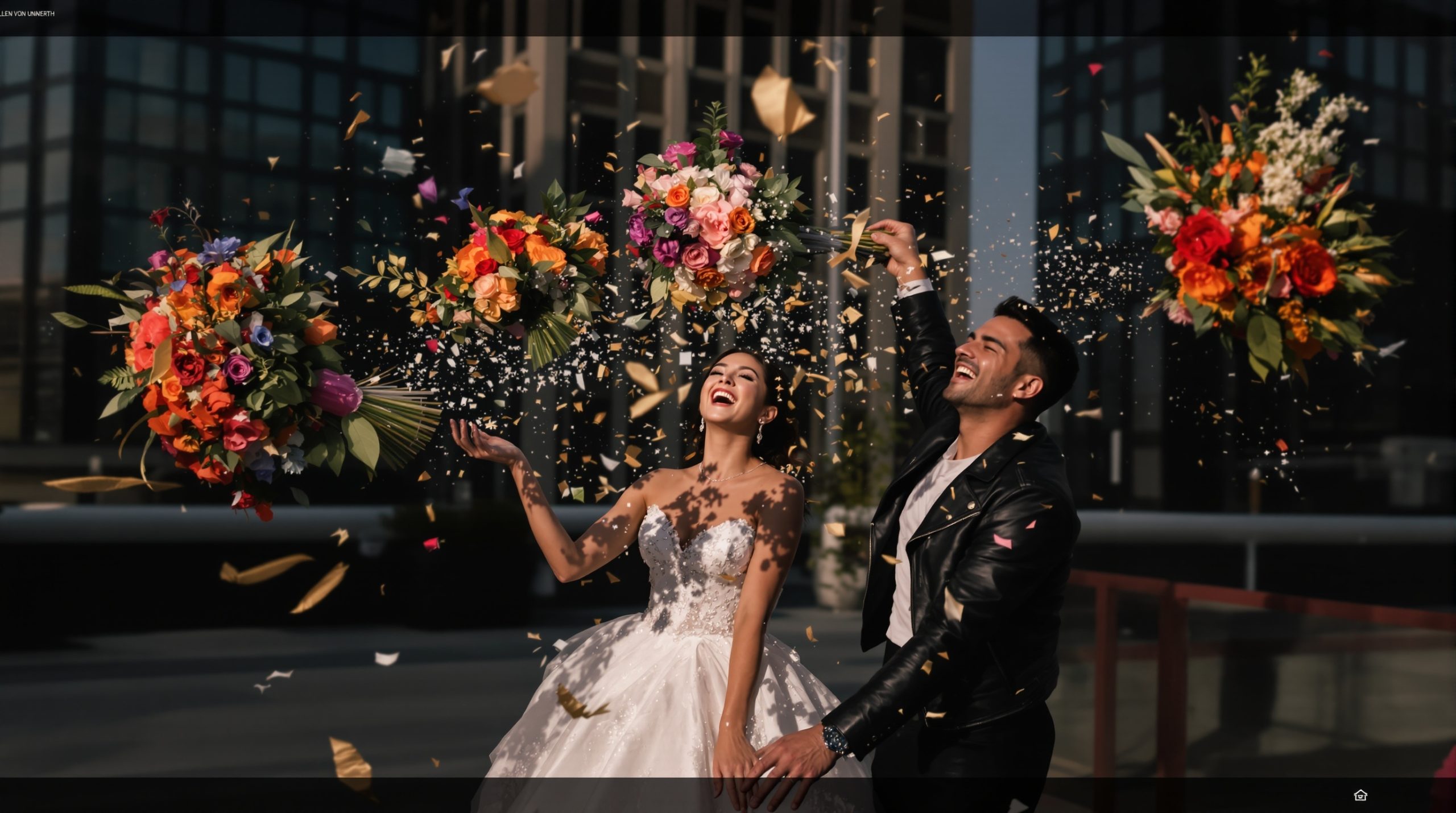
Wedding decision paralysis isn’t a flaw—it’s project management getting real. You’re not flawed; society throws a choice overload that grinds plans to a halt. Treat your wedding like a hostile takeover: Execute strategically, filter vendors to non-negotiables, and wield checklists like a sword. It’s not about dreaming; it’s about getting the job done. Streamline with metrics and timelines, avoid being “bless and stressed,” and take charge of chaos. Stay tuned to masterfully pivot this.
The thesis (what people get wrong)
In the high-stakes world of wedding planning, don’t mistake decision paralysis for a personal flaw—it’s a predictable response to an overwhelming industry landscape. When you’re faced with wedding decision paralysis, remember it’s not about you—it’s the wedding planning overwhelm sparked by too many wedding choices. You’re not indecisive; you’re strategically maneuvering through an industry that bombards you with unlimited options and conflicting signals. Paired with social pressures, this overload can make even the most efficient Type-A personalities stall. Research indicates a systematic failure in wedding planning frameworks, which further exacerbates the stress and paralysis experienced by couples. Columbia University consumer economics and wedding spending research suggests that the proliferation of choice and the commercialization of weddings intensifies decision fatigue for couples. The trick? Pivot from paralysis to action by streamlining your approach with decision frameworks and expert-curated options. Let’s ditch the stigma and focus on smart shortcuts that move you forward. Start with a concise checklist—your non-negotiable ally in cutting through the chaos.
Why this happens (the real root causes)
You’re not just planning a wedding; you’re executing a high-stakes project that demands precision. Wedding decision anxiety creeps in when choices multiply like rabbits on caffeine. Why does this happen? Let’s break it down:
Planning a wedding is like managing a high-stakes project where decision anxiety runs rampant.
- Paradox of Choice: Endless options for florals and color schemes lead to paralysis. You compare everything, fearing that one wrong choice will haunt you like last year’s tax return. With more choices available, individuals often experience choice overload, which can ultimately decrease satisfaction with the decisions they make.
- Unequal Partnership Burden: If you’re shouldering most of the planning, stress quadruples, and decisions bottleneck faster than a rush hour subway. Interestingly, research from Cornell University suggests that how couples share wedding planning responsibilities can influence marriage satisfaction and longevity.
- Financial Strain: When every decision feels like betting your career on a single stock, anxiety skyrockets. With an average wedding running $33,000, financial constraints make each choice feel monumental.
What to do instead (the better framework)
- Rank and Filter: Use a ranked-priorities list to eliminate options that don’t make the cut, shrinking your choices and accelerating decisions. Intentional wedding planning emphasizes understanding your core values before making decisions, ensuring each choice aligns with what truly matters to you as a couple.
- Measure and Compare: Translate priorities into measurable criteria for easy, objective vendor comparisons.
- Communicate and Control: Share your priority allocations with stakeholders to prevent scope creep.
Execute a plan that moves like you do—smart, swift, and focused. Remember, decisive execution beats endless deliberation every time.
How to apply it in real life
You’ve got a mountain of decisions and a ticking clock, so let’s cut through the noise with some smart moves. First, when faced with endless venue options, strategically limit your choices to three contenders and use a checklist to evaluate each on key attributes—this isn’t a beauty pageant, it’s efficiency in action. Don’t overlook the benefits of nutrition and wellness practices to keep your energy up and your mind clear throughout the planning process. Next, for high-stakes decisions like choosing a caterer, pause and gather intel from trusted reviews and tastings; it’s your wedding, not a fast-food frenzy. Couples often face societal pressures that may coerce them into uncomfortable decisions, so be mindful of these influences as you plan. Finally, if your careers have you both stretched thin, prioritize a non-negotiable weekly planning session—because a little structure now means less chaos later.
Example 1: a common scenario + the better move
When faced with a mountain of vendor choices, decision paralysis can strike faster than you can say “I do.” The endless sea of options often leads to more stress and less satisfaction, a classic case of choice overload. But let’s be real—who’s got time for that mess? Instead, strategically streamline your choices with constraint-driven shortlisting. Start by setting strict, non-negotiable criteria: a budget band, three must-haves, and two dealbreakers. Use a 3-item scorecard (cost, availability, style fit) to eliminate any vendor failing two items. Establishing decision-making frameworks is critical for effective communication, ensuring that both partners are equally involved in the process. You’ll accelerate decisions while preserving your sanity. Research in marriage psychology shows that couples who develop shared decision-making skills early on are more likely to experience long-term relationship satisfaction. Time-box it: 72 hours for initial shortlist, 7 days to finalize. This hustle-driven approach reduces stress and prevents indecision-driven budget overruns. Get it done efficiently, folks!
Example 2: a high-stakes scenario + the better move
Although high-stakes weddings might feel like maneuvering through a minefield of irreversible choices and social expectations, that doesn’t mean you need to be stuck in analysis paralysis. Start by defining 3-5 non-negotiable wedding values—think food quality, intimacy, and low stress. Use these as your strategic compass to streamline decisions. Gottman Institute research-based guidance suggests that couples who clarify their shared values early on are less likely to encounter gridlock during high-stress planning. Pre-commit to decision heuristics: set satisficing thresholds, like an acceptable price range, and stick to them. Allocate your cognitive resources wisely—focus on high-impact choices and delegate the rest. Implement fixed timelines with decision checkpoints to keep momentum and reduce procrastination. Decision fatigue can impact significant choices in your planning process. Finally, design contracts with escape clauses to ease commitment fears. Ready to execute? Create a values checklist, map decision ownership, and start clearing choices with surgical precision. Let’s get moving!
Example 3: a ‘we’re busy’ scenario + the better move
In the whirlwind of your dual-career lives, you might feel like you’re juggling flaming swords with no safety net in sight. Wedding plans? Just another flaming sword. Here’s how to strategically pivot from chaos to control: set explicit time limits for decisions—24 hours for florals, one week for venues. This reduces cognitive load and expedites execution. If you’re planning a wedding while navigating marriage-based immigration, you’ll need to be extra mindful of documentation and timelines. Delegate domains like catering or décor to trusted proxies, armed with your non-negotiables and budget. That’s how pros move. Use low-information heuristics: “top-rated within budget” or “earliest availability.” Keeps it simple, gets the job done. Remember, documenting decisions prevents second-guessing. Regular emotional check-ins can prevent emotional buildup during this stressful time. Next step? Create a punchy checklist and timeline. Streamline, execute, repeat. Because bless and stressed? No thanks.
Counterpoints (when the old way is actually fine)
Let’s cut to the chase: sometimes the “old way” of doing weddings isn’t just fine—it’s strategically brilliant. Here’s why it might just be your secret weapon:
- Cultural Cohesion: Traditional weddings reinforce family approval, easing partner-choice anxiety and boosting intergenerational bonding. They’re not just rituals—they’re strategic moves. Even modern designers like Berta’s bridal fashion collection draw inspiration from classic wedding traditions to create stunning looks that resonate across generations.
- Economic Practicality: You’re not just celebrating; you’re supporting a multi-billion dollar industry that sustains local economies. Traditional setups often mean fewer logistical headaches thanks to established vendor ecosystems. Furthermore, 60% of couples prioritize unique elements that reflect their individual love stories, leading to the rise of unique vendors who can elevate traditional weddings with modern twists.
- Psychological Safety: Large ceremonies create a social safety net. Public vows enhance commitment, and familiar formats reduce decision fatigue. It’s not about conformity; it’s about streamlined success.
Stick with what works—it’s efficient, effective, and gets the job done.
Action plan (do this next)
When you’ve got a wedding to plan and a life to lead, decision paralysis isn’t an option. Follow this action plan to move forward efficiently.
- Limit Options: Narrow your choices to three solid contenders for every vendor. More options mean more headaches. Focus on the key players and you’ll streamline your path to the altar.
- Set Time Limits: Treat decisions like project deadlines. Give each choice a time cap to avoid endless debates and keep the planning momentum alive.
- Prioritize Rest: As much as hustle is your jam, don’t skimp on sleep. Mental clarity keeps you sharp and ready to tackle any wedding curveball.
Remember to also plan ahead for wedding catering and food, as having a clear menu vision can simplify decisions and ensure a smoother event.
Visual summary you can share

Decision paralysis? It’s the wedding planning nemesis. When faced with floral arrangements, entertainment, and color schemes, it’s easy to feel swamped by choices. But instead of drowning in indecision, let’s pivot to a strategic mindset. Share a visual summary that breaks down complex options into digestible, actionable steps. Think charts, checklists, and timelines—tools that move you from chaos to clarity.
Your approach? Execute with precision. Streamline your choices to focus on what truly matters. Cut through the noise of endless options with a non-negotiable, results-driven plan. Remember, it’s about making intentional decisions, not chasing the “perfect” wedding. Post this summary where you’ll see it daily—a constant reminder of your curated cool path ahead. Now, gain momentum and make decisions that stick.
Research from the University of Minnesota Extension highlights how family dynamics in wedding planning play a crucial role in both decision paralysis and the need for clear, intentional strategies.
FAQ
Got questions that keep you up at night? Let’s tackle them head-on: if family or vendors push back, it’s about setting non-negotiables and sticking to them; if you think you’ve made a ‘wrong’ decision, we’ll pivot strategically with minimal fuss. To get your partner on board, align on priorities with a quick checklist, and for an easy win today, execute one small task that moves you closer to your big day. According to APA research on marriage, open communication and mutual decision-making are essential for building a strong foundation as a couple when navigating wedding planning.
What if my family/vendors push back?
Facing family or vendor pushback during wedding planning can feel like trying to juggle chainsaws while riding a unicycle—chaotic and risky. But don’t sweat it. Family tensions? Tackle them with structured communication—lay out a game plan, not a battlefield. Arm yourself with social validation from trusted allies to narrow options and reduce stress. Vendors pushing back? Strategically discuss Plan B early and stay informed on guidelines to keep everyone aligned. Most vendors are champions of flexibility, ready to pivot with you. Prioritize clear, proactive communication to maintain momentum. Remember, this isn’t about pleasing everyone; it’s about executing a day that reflects you. Take the reins, make intentional choices, and keep moving forward. Action step: Create a communication strategy checklist now.
What if I already made the ‘wrong’ decision?
Ever feel like you’ve just executed the ‘wrong’ decision in wedding planning and now you’re stuck in a spiral of regret? You’re not alone. High-stakes events like weddings often shift our focus from outcomes to the myriad of alternatives, creating unnecessary dissatisfaction. But here’s the fix: treat regret as data, not failure. Did the decision align with your clear-cut success criteria—budget, guest experience, timeline? If so, ditch the emotional noise. If not, pinpoint where it went off-course. A quick checklist can turn perceived chaos into actionable steps—tweak the timeline, adjust the budget. Remember, it’s not about one choice but the overall orchestration. Shift your mindset strategically, and you’ll accelerate forward, minimizing rumination and maximizing efficiency. Reality check: it’s rarely irreversible.
What’s the fastest way to course-correct?
Need to pivot fast in your wedding planning without losing momentum? Start by identifying your top three non-negotiables—maybe it’s the guest count, budget cap, or venue type. These become your instant filter to reject irrelevant options. Next, run a quick 48-72 hour audit of your current decisions: categorize them as keep, reconsider, or postpone. Focus only on the “reconsider” items, keeping your scope narrow and efficient. Use vendor availability as a reality check to swiftly eliminate dead-end choices. Create a priority matrix to flag low-impact/high-cost decisions for downgrading. Finally, stick to a firm deadline—seven days max—to finalize your top three items. This keeps the planning pace aligned and minimizes endless deliberation. Ready, set, execute!
How do I get my partner aligned?
When you’re steering through the whirlwind of wedding planning, getting your partner on the same page is non-negotiable. Start by identifying your top three shared priorities—venue, food, photography—and let these guide every decision. Engage in open communication: practice active listening, use “I” statements, and keep regular check-ins. Compromise strategically; trade-offs like excluding one color can honor both priorities. Set boundaries early on negotiables, like budget or guest lists, to minimize stress. Involve a planner or mediator if discussions stall; they can provide impartial guidance. Delegate based on strengths—one handles food, the other music. This not only streamlines tasks but also guarantees both voices are heard. Action step: schedule a check-in this week to align on shared goals.
What’s the easiest win I can do today?
How do you snag an instant win in the wedding planning chaos? Here’s a no-nonsense move: decide on your venue style—indoor or outdoor—today. This single choice slashes through a tangle of decisions, streamlining your vendor shortlist and nailing down key logistics. It shapes your season, sets your date, and even dictates decor needs. No more second-guessing or analysis paralysis; it’s a strategic pivot that accelerates everything downstream.
Hustle smarter, not harder: lock in a total budget number now. This anchors every financial decision and cuts the clutter. It’s about executing with precision, not perfection. Still juggling music choices? Pick between a DJ or live music—today. These quick wins boost momentum and keep stress on the sidelines. Now, go execute.
Key takeaways
While the chaos of wedding planning might make you feel like you’re drowning in a sea of options, remember that clarity is your lifeboat. Embrace decision paralysis as a strategic advantage, not a setback. Here’s how to pivot from overwhelmed to in control:
- Use decision frameworks: Scoring matrices and venue math streamline choices, making them manageable and comparable.
- Delegate smartly: Assign roles to divide decision-making, preventing cognitive overload and ensuring no single point of failure.
- Prune and focus: Limit choices to a shortlist of vetted options to combat the paradox of choice and boost satisfaction.
Execute these tactics and transform chaos into a smart, intentional process that gets the job done. Remember, a streamlined approach is your secret weapon in this high-stakes project!