
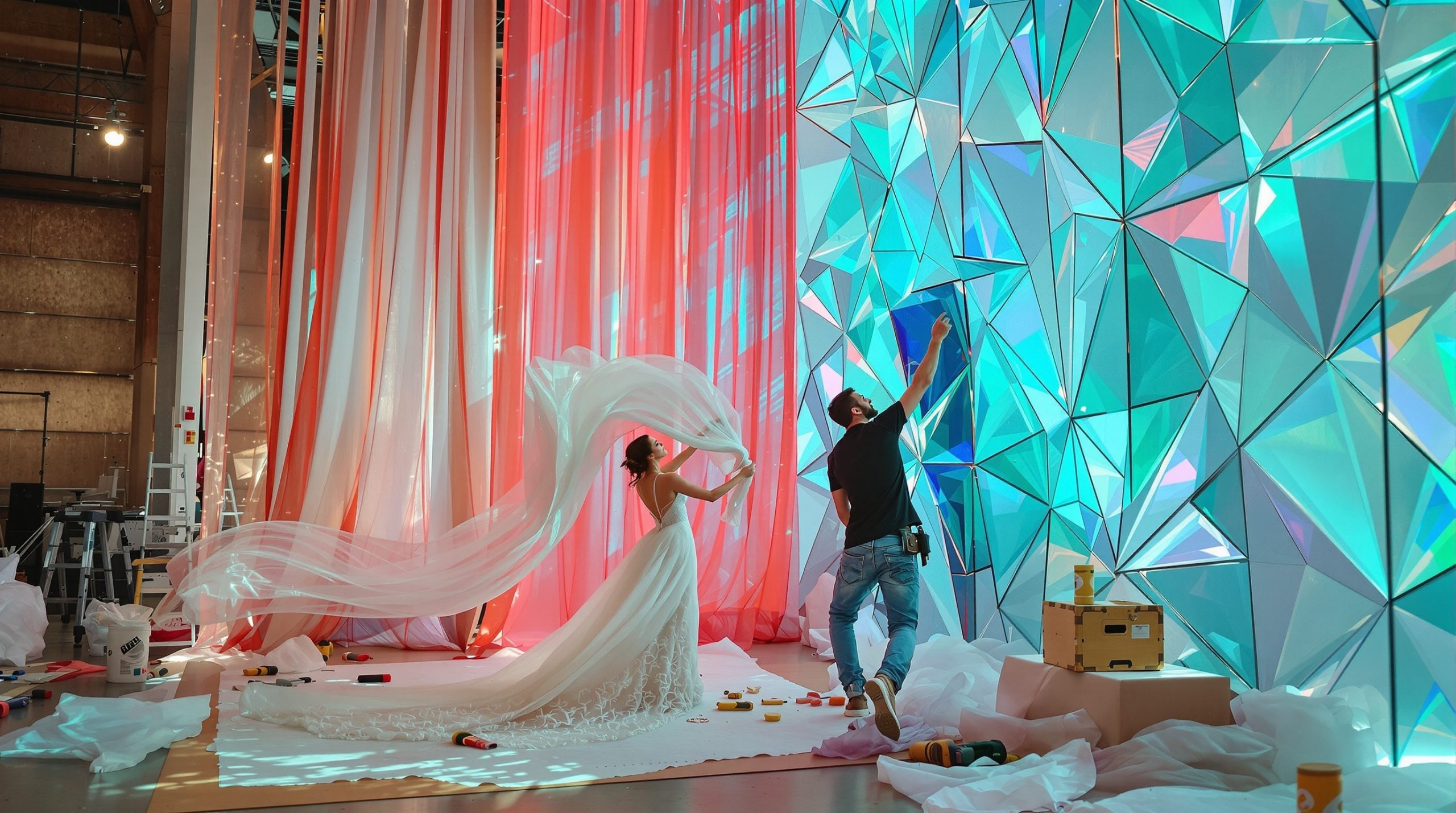
In 2026, wedding design trends pivot between innovative leaps and nostalgic nods. Cobalt blue adds fresh punch, while Basque waist dresses serve vintage vibes. AI planning tools streamline to-do lists, but Bridgerton aesthetics remain beloved throwbacks. Eco-warriors, consider carbon-offset weddings; classics can recycle materials. Remember, weekday weddings can save serious cash. Strategically break down your budget, track hidden costs, and execute your plan with precision. Dive deeper into logistics and strategy for a flawlessly executed day.
Quick verdict: What’s Actually New vs. Recycled (who each is best for)
Curious what’s genuinely fresh in wedding trends and what’s merely an encore performance? In wedding trends 2026, you’re exploring a blend of new ideas and reimagined classics. When evaluating what’s new versus recycled, it’s helpful to consider how marriage psychology can influence your wedding planning choices and relationship satisfaction.
- BridgertonStyle: Romantic Regency-era elegance—think corsetry and chandeliers—remains strong, gaining 191%. Perfect for fans of visual storytelling.
- OldMoneyAesthetic: Heritage venues and classic silhouettes surge 133%, offering timeless sophistication with a modern twist.
- MaximalistRomance: Bold, sensory-rich experiences with lush florals and dramatic fabrics make a splash. Recent articles cover various health topics, including how to manage wedding stress for a perfect day.
- Meadowcore: Wild garden florals and field-arranged tables bring whimsical charm, a nod to organic trends with a fresh central role.
Strategically choose which style aligns with your vision, then execute efficiently. Ready to streamline your dream day? Plan with precision.
At-a-glance comparison: What’s Actually New vs. Recycled
You’ve got your heart set on a wedding style, but are you sure it’s a fresh idea or just a polished rerun? Welcome to the 2026 wedding trends battlefield, where old favorites clash with new innovations. Let’s streamline this comparison:
| What’s New | What’s Recycled |
|---|---|
| Basque waist dresses | Bridgerton-inspired aesthetics |
| AI in planning | Draped decor |
| Carbon-offset weddings | Stately home venues |
Move fast, pivot faster. Basque waist dresses surge 333%—vintage flair with a twist. AI accelerates planning efficiency, and carbon-offset weddings are non-negotiable for the eco-savvy. Meanwhile, Bridgerton-inspired looks, draped decor, and heritage venues? They’ve had their moment. Tackle your wedding like a project—efficient, strategic, and executed with precision. Looking to maximize your budget? Consider wedding reception food ideas that are both delicious and affordable to keep your celebration on trend without breaking the bank. Next step? Prioritize what feels fresh to you. With cobalt blue forecasted to be a defining color in 2026, incorporating this electric hue could offer a modern edge to your wedding palette.
Define the options (so you’re comparing the right things)
To cut through the wedding chaos, you need to pinpoint what’s genuinely new versus recycled fluff. Modern Organic design moves beyond last year’s trends with its raw wood and acrylic fusion, while Maximalist Romance reinvents abundance without clutter. Family involvement can also shape the direction of wedding planning, as family systems in wedding planning highlight how decision-making is influenced by both tradition and changing relationship dynamics. Many couples are now opting for intimate gatherings over grand affairs, focusing on meaningful connections with close family and friends. Don’t get caught in the trap of thinking bold colors are new when they’re just louder versions of the past; instead, focus on strategically executed elements that make bold statements with fresh intent.
What’s Actually New: what it is, what it includes, and the common misconceptions
When it comes to 2026 wedding trends, you’re not just organizing a day; you’re orchestrating a multi-day symphony. Say goodbye to single-day chaos and hello to immersive, multi-day experiences. From pickleball tournaments to after-parties, you’re curating a full-scale sensory journey. It’s not about opulence; it’s about risk and personality. Think avant-garde floral installations and bold color confidence. You’re transforming venues into art spaces with daring colors and interactive installations. Tech-enhanced elements like digital place cards and synced lighting are non-negotiable for an elevated guest experience. Misconception alert: It’s not about more; it’s about intentional, strategic choices. Start with a timeline; prioritize elements that resonate. Your wedding should be as dynamic and vibrant as your career. For those who want to bring their vision to life with hands-on creativity, consider exploring DIY wedding craft supplies to personalize every detail. Ready to pivot? Let’s execute! Consider incorporating silvery linens and chrome accents to align with the metallic trend, enhancing the modern aesthetic and shimmering details that amplify candlelight.
Recycled: what it is, what it includes, and the common misconceptions
Consider this: What if your wedding could champion sustainability without sacrificing style or efficiency? Recycled wedding materials get the job done. We’re talking items already in existence, not freshly manufactured fluff. This means less waste, more impact. Think recycled silk, organic hemp, and Tencel for attire that moves with you and the planet. Reuse glass bottles, jars, and vintage tableware for decor that tells a story. Strategic choices like recycled paper invites and digital RSVPs cut waste like a pro. Misconception? It’s not just about upcycling; it’s about efficiently employing what’s available. Ready to pivot your wedding planning? Start by inventorying what you own and explore rental options. Execute a wedding that’s as smart as it is stunning. Eco-friendly designers create timeless bridal wear using sustainable fabrics, ensuring elegance and environmental responsibility go hand in hand. For personalized touches, consider using a Cricut DIY machine to craft custom wedding decor from recycled or repurposed materials, adding both creativity and sustainability to your event.
Cost breakdown (upfront vs hidden costs)
When you’re planning your wedding, understanding the cost breakdown between upfront and hidden expenses is non-negotiable. Upfront costs like venue and catering are easy to spot, but hidden charges—think service fees and those sneaky last-minute additions—can pivot your budget into chaos. With venue and catering accounting for 40-45% of total wedding expenses, it’s crucial to allocate your budget effectively. Research from Columbia University consumer economics highlights that couples often underestimate these hidden costs, leading to budget overruns and post-wedding financial stress. To keep your finances on track, strategize with an extensive checklist and anticipate potential overruns to stay in control and execute your ultimate vision without surprises.
Line-item cost comparison by tier/budget
Let’s cut through the noise and get straight to what matters: cost breakdowns for your wedding by tier and budget. You want to execute a wedding that’s efficient, not a Pinterest fantasy. Here’s how the numbers stack up:
| Guest Count | Economy | Elevated |
|---|---|---|
| 75 | $18k–$35k | $35k–$70k |
| 150 | $30k–$60k | $60k–$120k |
| 250 | $50k–$95k | $95k–$190k |
Venue costs alone can range from $3,000 to $18,000. In 2026, venue costs are typically influenced by location and guest count. Factor in catering and bar (30-45% of your budget) and don’t forget the sneaky service charge. When planning your menu, understanding practical wedding catering tips can help you stay within budget and avoid last-minute surprises. Execute smartly with planners or partial planning ($1,500+). Remember, your wedding’s not a sprint—strategically plan, pivot, and accelerate towards what really counts. Next step: lock in that venue.
What actually drives cost changes
While the dream of a seamless wedding might appeal, it’s the reality of cost drivers that’ll dictate how you execute your big day. Understanding these can pivot your budget from chaos to controlled. Here’s the breakdown:
- Venue Costs: Expect 27% of your budget to land here. Urban venues? They’ll accelerate those numbers, while rural options offer savings. Many couples are now exploring official wedding venues provided by major hospitality brands, which can offer both convenience and bundled package options.
- Catering and Beverages: At 24%, this is your second-largest expense. Guest count? That’s your multiplier—more guests, more spend. Prioritization of spending is essential for budget management, allowing you to focus on key budget categories like venue and catering.
- Hidden Costs: Think pre-wedding events. They compound costs quicker than you can say “engagement party.”
- Timing and Seasonality: Premium dates? They’re the non-negotiable spenders. Adjust timing, and you might just streamline costs.
Reality Check: Efficiency demands intentional decisions. Start with a checklist, and prioritize what gets the job done.
Planning workload & logistics impact
You’re managing a wedding? Let’s talk logistics—where timing and complexity are the ultimate bosses. With 2026’s tight vendor availability and unpredictable last-minute decisions, strategic coordination isn’t just smart; it’s non-negotiable. Use AI tools for streamlined planning and stay flexible, ensuring every piece moves smoothly despite the chaos. Research from Cornell University suggests that how much you spend on a wedding can have a surprising impact on how long your marriage lasts, so balancing logistics with budget decisions is more important than ever.
Time, complexity, and coordination differences
In 2026, wedding planning isn’t just a task—it’s a full-throttle operation executed with the precision of a Fortune 500 project. You’re not simply organizing a celebration; you’re strategically directing a complex operation. AI-driven tools streamline 60% of tasks, freeing up over 120 hours. Consider these pivotal points:
- Increased Complexity: Professional planners replace informal family coordinators for cohesive execution.
- Shorter Timelines: Couples book 1-4 weeks out, demanding quick pivots and last-minute decisions.
- Economic Pressures: Expect to adjust plans as 52% of budgets appear underestimated.
- Weekday Coordination: Embrace weekday weddings for 30% cost savings, funding valuable upgrades.
If your ceremony is in Los Angeles, ensure you meet marriage license eligibility requirements early, as paperwork timing can impact your planning schedule. Reality Check: Complexity demands precision; AI offers a head start, but your hustle closes the deal.
Vendor availability + flexibility considerations
Booking your vendors in 2026 is like playing chess on a rollercoaster—fast, strategic, and a little bit thrilling. With availability in flux, you’ve got to move smart and move quick. Here’s your playbook to stay ahead:
- Strategically Pivot: Embrace weekday weddings. Tuesday-Thursday spots are 88-95% available, offering premium venues at discounted rates.
- Streamline Decisions: Compress timelines, but don’t compromise on quality. Book 12-24 months in advance for venues, yet be ready to seal deals faster.
- Calendar Clarity: Prioritize vendors who showcase real-time availability. This transparency accelerates your decision-making.
- Maximize Flexibility: Consider multiple vendors per category. Contact at least five to compare and choose efficiently.
Reality Check: Delayed decisions can lead to fewer options. Prioritize decisive, strategic actions.
Guest experience impact
Your guests’ experience isn’t just about showing up; it’s about how they feel the moment they step in. We pivot away from traditional fluff to strategically executed, immersive interactions that keep them engaged and talking long after the event. Watch out for potential friction at touchpoints like seating arrangements and activity coordination—planning these with precision guarantees a seamless celebration.
How guests perceive it + where friction shows up
Ever wonder what your guests really notice at your wedding? They’re not just seeing the colors or the florals—they’re experiencing the vibe you’ve executed. Here’s where friction shows up:
- Personalization Overload: While 73% of couples ditch tradition for customized elements, guests may struggle with too many unique details. Streamline with a clear timeline.
- Immersive Experience: Multi-day events can feel like marathons. Strategically plan activities so guests don’t miss key moments.
- Bold Aesthetics: Saturated colors and maximalist designs can overwhelm. Balance bold choices with cohesive, intentional setups.
- Eco-focus: Sustainability isn’t just a checklist item. Guests see through greenwashing; use rentals and recycled materials genuinely.
Reality Check: Choose what matters most. Prioritize impactful over exhaustive.
Best-fit scenarios (choose based on constraints)
If you’re the no-nonsense type who’s allergic to wedding fluff, you need to know when to choose what’s actually new and when to opt for recycled elements. Strategic choices like these mean you can execute a wedding that’s both stylish and sustainable without losing your mind. Prioritize new innovations for that wow factor, but pivot to recycled materials when it makes sense for your goals and budget.
Choose What’s Actually New if…
Ready to revolutionize your wedding planning game? If you’re the kind of couple who values efficiency and bold moves, opting for what’s actually new is your non-negotiable strategy. Here’s why:
- Multi-Day Experiences: Go beyond the standard ceremony with cohesive, immersive weekends featuring everything from chic luncheons to pickleball tournaments.
- Bold Color Palettes: Make a statement with deep jewel tones and vibrant hues, ditching neutral schemes for a more personal, expressive vibe.
- Sculptural Décor: Transform your space with architectural florals and textured materials, creating an art-gallery atmosphere.
- Statement Lighting: Use lighting strategically to craft unforgettable, mood-rich environments that elevate your celebration.
Execute these trends to streamline your event with precision and wow-factor. Next step: integrate these elements into your wedding timeline!
Choose Recycled if…
When your wedding vision includes a commitment to the planet without sacrificing style, choosing recycled is your non-negotiable strategy. You’re the power couple—career-focused, ambitious, and in no mood for fluff. Recycled wedding elements bring efficiency and style without the guilt trip. Here’s how you execute it:
- Sustainable Invites: Opt for seed-paper or digital invites. They reduce waste and keep things streamlined.
- Pre-Loved Attire: Rock a vintage gown or rented designer suit. It’s chic, cost-effective, and planet-friendly.
- Eco Décor: Use repurposed materials for décor. They’re not just trendy; they’re smart and sustainable.
- Public Transport: Encourage guests to use public transit. It’s a strategic move that cuts the carbon footprint.
Reality check: Remember, it’s not about perfection—it’s about strategic choices that reflect your values.
Real-world scenarios (examples with numbers)
Let’s get real about planning a wedding that respects your hustle. Imagine you have 150 guests, a $50,000 budget, and a non-negotiable need for personalization; you’ll strategically prioritize custom elements like a signature cocktail and a bespoke digital invitation suite to make your day truly yours. Or, with a guest list of 50 and a $20,000 budget, you can pivot towards an eco-immersive theme, using rentals and pre-loved decor to create a stunning atmosphere without the environmental guilt.
3 sample scenarios: guest count + budget + priorities
Planning your wedding is no different than running a high-stakes project, where every decision counts and time is your fiercest ally. Let’s explore sample scenarios that are packed with strategy and precision:
| Scenario | Guest Count | Budget | Priorities |
|---|---|---|---|
| Micro-Wedding | 20 or fewer | $10,000-$20,000 | Intimacy, storytelling, unique venues |
| Small-Wedding | 40-75 | $25,000-$40,000 | Immersive experiences, natural beauty |
| Medium-Wedding | 51-150 | $30,000-$60,000 | Personal history, interactive designs |
You’re not just throwing a party. You’re crafting an experience. Prioritize non-negotiables: venue, guest engagement, and budget. Avoid industry fluff—focus on what gets the job done. Reality check: It’s easy to chase trends, but your day should reflect you, not the latest hashtag. Now, outline your must-haves and execute with precision.
Common mistakes (and how to avoid them)
Without a clear vision, wedding planning becomes a chaotic whirlwind, leaving you chasing after trends rather than creating a cohesive experience. Here’s how you can avoid common pitfalls:
A clear vision prevents chaotic planning and trend-chasing, ensuring a cohesive wedding experience.
- Vision First: Jumping into bookings without a defined narrative leads to mismatched details. Start with a strategic vision that aligns décor and venue with your story.
- Budget Reality: 52% find initial budgets unrealistic. Collaborate with vendors to keep spending in check and prevent spirals.
- Venue Dynamics: Don’t rush venue selection—consider guest flow and experience over mere aesthetics to avoid cramped or inconvenient setups.
- Guest Focus: Overlooking guest comfort or needs can tank the vibe. Prioritize clear signage and seating for a seamless celebration.
Reality Check: Treat your wedding as a project—planned and executed with precision.
Copy/paste decision matrix template
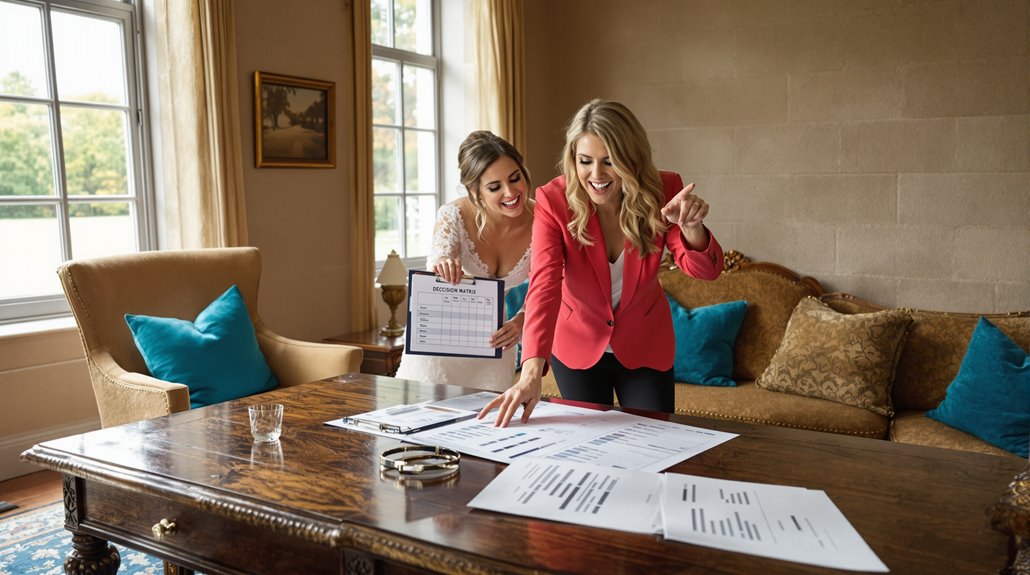
Elevate your wedding planning with a decision matrix that gets the job done. Think of it as your strategic sidekick—no fluff, just streamlined efficiency. Download a copy/paste decision matrix template and watch how it transforms chaos into clarity. This is all about making intentional, non-negotiable choices that align with your values, like embracing personalized sustainability or diving into maximalist romance.
Forget stress and bless—who needs that? Instead, use the matrix to weigh options like stately home elegance versus tropical landscapes. Execute your vision with precision, pivoting only when strategically necessary. You’ll move through decisions with kinetic energy, gaining momentum with each executed task. Ready to hustle smart? Download, customize, and conquer—time’s ticking, and your curated cool wedding awaits!
FAQ (quick answers to common edge cases)
Stuck between two options and need a strategic pivot? Risk reduction is your non-negotiable ally—lean into contingencies and confirm vendor assumptions to accelerate decision-making. If your guest count jumps by 20%, streamline with flexible vendor contracts and execute a solid fallback plan, because when things go sideways, being prepared isn’t optional—it’s essential.
What if I’m stuck between two options?
Caught between two equally fabulous wedding styles and can’t decide? Welcome to the club! You’re juggling Maximalist-Romantic charm with its opulent florals and Sustainable-Personalized swag packed with eco-friendly flair. Here’s how to pivot: create a pros-and-cons list. Maximalist-Romantic gains ambiance points, but Sustainable-Personalized scores on values. Which makes your heart race? Next, align with your budget. They’re both beautiful, but what’s non-negotiable? Consider guest experience—what will your crowd love? Now, execute a mood board mash-up—visual clash or creative fusion? Trust that gut feeling; it’s often right. Finally, set a decision timeline. No lingering. Pick, pivot, and move! Action fuels momentum, and you, my friend, are all about that kinetic precision. Reality check: decisions mean tradeoffs. Embrace it!
What’s the easiest way to reduce risk with either option?
Choosing between two fantastic wedding styles is just the start. You need risk reduction strategies that get the job done. For avant-garde floral installations, collaborate with florists who have proven their chops in experimental design. Establish non-negotiable creative boundaries upfront. With personalized timelines, document every custom element in writing to prevent any execution hiccups. Use detailed mood boards and request small-scale test installations for maximalist romance. Avoid interpretation chaos by specifying exact era references for Bridgerton-style themes. For eco-conscious weddings, verify vendor certifications and calculate your carbon footprint with online tools. Strategically scout venues and use drone photography to assess terrain for landscape-forward designs. Your next move? Execute these steps with precision and watch your wedding vision accelerate.
What should I ask vendors to confirm assumptions?
Wondering how to nail down vendor details without breaking a sweat? Start by confirming essential contact info: business name, address, email, and phone number. Lock in your primary point of contact, especially with larger companies. Prefer email, phone, or carrier pigeon? Document each vendor’s preferred communication style and stick to it. Strategically house all this info in a centralized system—your sanity will thank you.
Next, nail down payment and contract terms. Confirm final amounts and schedules three months out. Prepare checks or cash 2-4 weeks in advance, and designate who’ll handle payments on the big day. Use a master timeline to align vendor schedules and assign a point person to keep everyone on track. Ready, set, execute!
What changes if my guest count swings by 20%?
Guest count fluctuations—20% more or less—can upend your meticulously crafted wedding plans. Let’s face it, every extra guest adds to the tab: catering, space, favors. We’re talking real money here. A 20% swing could mean shifting venues or negotiating pesky capacity fees. It’s not just about space; it’s about maintaining flow and comfort. With fewer guests, you can pivot to a more intimate setting, perhaps offering premium experiences without blowing the budget. But with more, you might execute a larger venue plan—because who wants cramped chaos? Keep RSVPs in check with smart tracking tools. Seating arrangements, bar setups, and logistics all need strategic realignment. The next move? Nail down your guest list. Prioritize comfort and quality.
What’s the best fallback plan if something goes wrong?
Even the best-laid plans can hit a snag, so having a solid fallback strategy is non-negotiable. Start by building a wedding day survival kit—your strategic safety net. Stock it with essentials like painkillers, allergy meds, and beauty hacks. Add a sewing kit, safety pins, and super glue for wardrobe malfunctions. Keep practical items like cash, a phone charger, and a printed timeline on hand. Think of these as your wedding day power tools, ready to pivot when chaos strikes.
Don’t get caught in the “bless and stressed” trap; instead, execute your plan like a pro. Delegate someone to manage this kit, ensuring you can focus on the celebration. Reality Check: Over-preparation doesn’t mean over-packing—streamline for efficiency.
Next steps: make the decision + execute the plan
While it might feel like you’ve crossed a marathon finish line, deciding and executing your wedding plan is where the real champions shine. You’re juggling authenticity with tradition and dreams with budgets. Here’s how to move:
- Evaluate Authenticity: Ditch convention—73% of couples do. Prioritize what’s uniquely you over what’s always been done.
- Strategize Sustainability: Count carbon footprints and select eco-friendly vendors. Sustainability isn’t a trend; it’s a non-negotiable.
- Harness Tech: Use AI for ideas and digital tools for invites—quick, clean, and gets the job done.
- Design Decisively: Embrace landscape-framing designs and bold aesthetics. Maximalist romance? Go big or go home.
Reality Check: Overplanning kills momentum. Keep it simple, stick to your systems, and execute like a pro.