
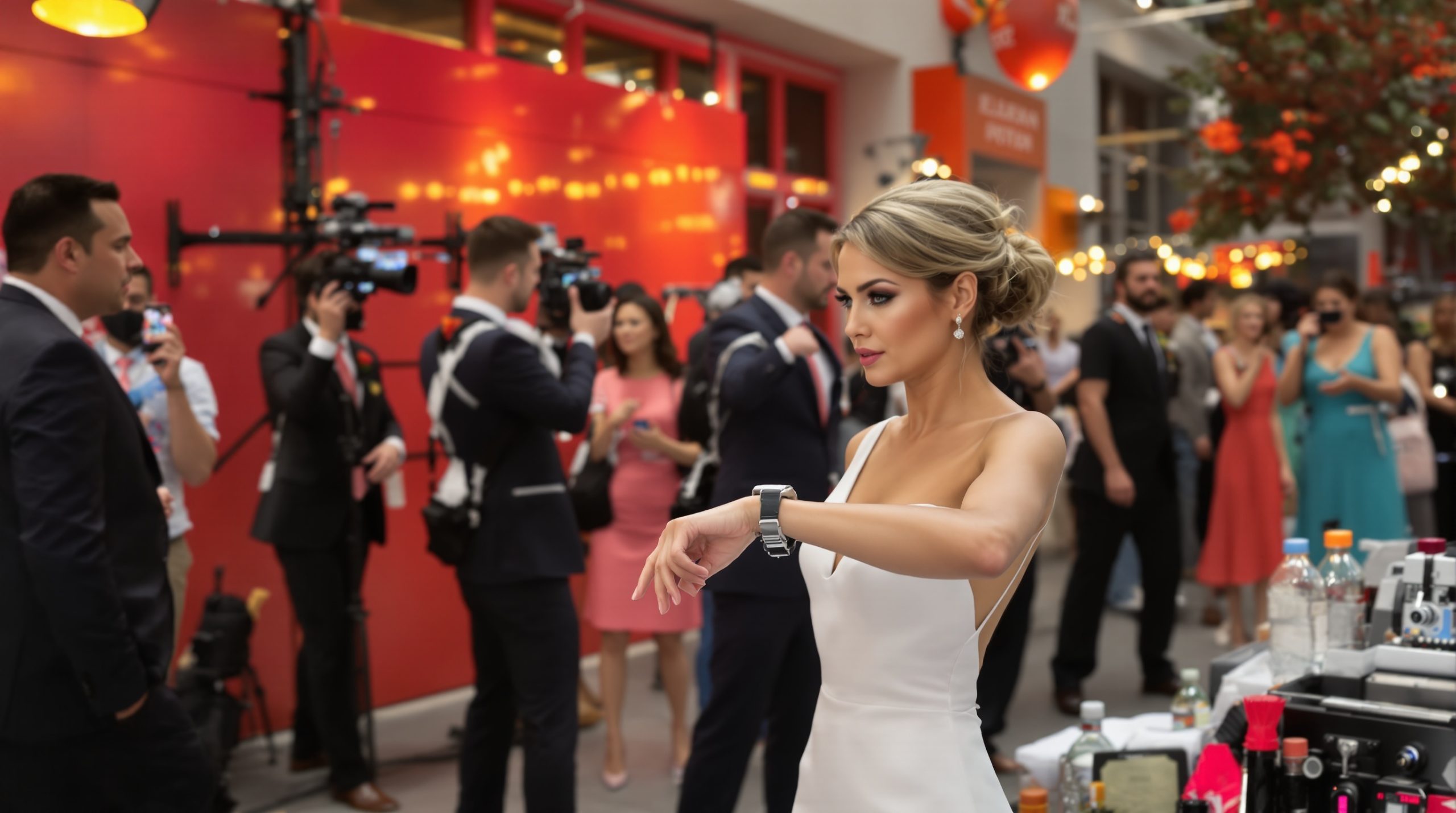
Wedding timelines often run 30 minutes late due to poor planning and communication. Mismanaged logistics, hair and makeup delays, and transportation mishaps can easily derail your day. To keep things on track, strategically execute your timeline, incorporating buffer times between events. Sync up with your vendors early and use wedding planning apps for efficient coordination. Share your master timeline two weeks before the big day. Stick around to discover more ways to streamline your wedding chaos into organized elegance.
The thesis (what people get wrong)
Here’s the hard truth: many couples treat wedding timelines like a Pinterest board—pretty to look at but useless without strategic execution. Wedding timeline delays happen because of poor planning and communication. You can’t just wing it and hope for the best. Without padding your schedule with buffer time, expect cascading schedule problems. Vendors, left in the dark, can cause vendor communication breakdowns that ripple through your day. Share a final timeline with them 3-4 weeks ahead. Every shift—be it guests moving or speeches—needs planning. It’s not enough to invite, you must strategically move. Consider using tools like checklists and real-time updates. Allocate at least 5 minutes for each speech to ensure everything stays on track. Next step? Pin down those pivotal moments early. Precision in planning guarantees your day gains momentum, not chaos. To truly elevate the overall experience, pay attention to thoughtful logistics and sensory touches, which are vital for creating unforgettable memories.
Why this happens (the real root causes)
Wedding timeline chaos often boils down to a classic case of mismanaged logistics—think hair and makeup delays that domino into a ceremony starting 11 minutes late on average. You’ve got bridesmaids still sticking their damp hair under the blow dryer and attendants running late from the salon, all snowballing into timeline running late. Why? Because the hustle wasn’t strategically executed.
Mismanaged logistics lead to hair and makeup delays, pushing ceremonies an average of 11 minutes late.
- Transportation hiccups: Traffic snarls, limo breakdowns, and missing rideshares leave you scrambling. Unforeseen road closures due to events like campaign speeches can add unexpected delays, leaving guests and family members stuck in traffic.
- Photo session overruns: Extended family lists and slow-moving elevators stretch the clock.
- Wardrobe whoops: Boob tape woes and dress fastening fumbles gobble minutes. Adding buffer time to the wedding day schedule can help manage these unforeseen delays and maintain the event flow.
- Venue surprises: Parades, weather, and overzealous officiants derail plans.
Combat these wedding delays by acknowledging the chaos, then pivot to pragmatic planning.
What to do instead (the better framework)
If you’re ready to ditch the chaos and embrace strategic planning, start by working backward from your ceremony. This approach guarantees each detail gets executed with precision, leaving no room for panic. Add buffer time like it’s a non-negotiable. Strategically slip in:
- 10-15 extra minutes between major events to handle inevitable delays.
- Alone time post-ceremony—10-20 minutes for the couple to exhale.
- Short adjustment periods for guests from cocktail hour to reception.
- Cushions for speeches and unexpected holdups.
Align your photo sessions to fit seamlessly with your ceremony timing. Coordination with vendors is essential for a cohesive timeline, ensuring vendor schedules align with the overall plan. Get your vendors synced early—confirm details with them weeks ahead. Failing to set a realistic budget can lead to overspending, so make sure to integrate budget checks into your planning process. This isn’t your grandma’s wedding planning; it’s a streamlined, hustle-fueled operation. Execute it, then pivot to the dance floor.
How to apply it in real life
You’ve got a packed schedule and a wedding to execute, so let’s cut to the chase with three scenarios that’ll keep you in control. First, when your timeline spirals because Aunt Linda can’t find her shoes, strategically add 10-minute buffers to absorb these hiccups. Next, if you’re juggling high-stakes moments like speeches, assign five minutes per speech plus a changeover cushion to keep things rolling smoothly. Consider having a Day-Of Coordinator to handle unforeseen issues and ensure the timeline adheres, reducing stress for everyone involved. To ensure a seamless transition between the ceremony and reception, minimize the time between the end of the ceremony and the start of the reception, as guests may arrive early if there is too much downtime.
Example 1: a common scenario + the better move
Ever notice how post-ceremony photo shoots seem to stretch into eternity, leaving guests stranded and impatient at the reception? It’s a classic time-sink, and here’s how you can outsmart it. Prioritize your post-ceremony photos before the receiving line; it’s a strategic move that accelerates the timeline. Allocate a solid 2-3 hour buffer between your ceremony and reception. This non-negotiable space guarantees you’re not rushing through precious moments or losing time in chaos. Keep the receiving line short—focus on key family members to streamline the process. Consider taking some posed photos before the ceremony to save time afterward, as this can prevent delays and allow for a more relaxed post-ceremony schedule. Schedule first look photos for 45-60 minutes to capture emotional moments and include it in this buffer time.
Action step: Create a detailed, realistic timeline and share it with your wedding party and vendors. Use this as your roadmap to navigate the day with confidence and precision. Bless and stressed? No thanks.
Example 2: a high-stakes scenario + the better move
Think you’re running the show until those post-ceremony photo shoots chew up 30 minutes of your reception? Suddenly, your $20,000 event’s clock is ticking with a $5,000 penalty. You’re not just losing cash; you’re losing dance floor time—7-10 songs worth. Here’s the power move: build buffer time. Add 10-15 minutes between major shifts. It’s not just smart; it’s non-negotiable. Prioritizing key moments ensures they are not missed or hurried, allowing for a more relaxed celebration and enhancing emotional memories of the day. Talk to your photographer about realistic shot lists and logistics. Nail down schedules with hair and makeup done first. Work backward from ceremony time to strategically plot in photography without cramming the agenda. This isn’t just planning; it’s execution. Get proactive, avoid vendor overtime, and guarantee every candid moment gets captured. Next step? Confirm those timelines and dodge disaster. Remember, day-of coordination is crucial to manage the flow and resolve any spontaneous issues that arise, making sure your wedding runs smoothly.
Example 3: a ‘we’re busy’ scenario + the better move
When wedding morning rolls around, and chaos threatens to derail your meticulous plans, here’s how you outsmart the madness: streamline those hectic, unstructured hours with a master timeline that even the busiest CEO would envy. Start by strategically inserting buffer time—15 minutes after glam, another 15 after portraits, 30 total for unexpected hiccups. This isn’t just smart; it’s non-negotiable. Tiny delays stack like a Jenga tower: vendor chats, rideshare hiccups, parking snafus—all devour precious minutes. Combat this with a single, all-encompassing timeline incorporating vendor estimates. Ensuring vendors are aware of the timeline helps prevent miscommunication. Keep your day moving like a well-oiled machine. Remember: weddings are projects, not fairy tales. Execute with precision, and you’ll gain the momentum to stay on track. Next step? Sync your timeline with everyone involved. Schedule non-negotiable weekly sessions to evaluate the wedding game plan and ensure nothing is overlooked.
Counterpoints (when the old way is actually fine)
Let’s cut to the chase: sometimes the old way just gets the job done better. You might think shaking things up is essential, but a classic wedding timeline often wins. Why? Because it’s a well-oiled machine that’s stood the test of time. Here’s why sticking to tradition isn’t just nostalgic, it’s strategic:
- Predictability: Keeps guests in the loop, avoiding awkward pauses.
- Flexibility: Adjusts on the fly with 10-15 minute buffers.
- Guest Experience: Supports a diverse audience without late-night fatigue.
- Tradition: Preserves those magical moments you’ve envisioned. An earlier ceremony can accommodate guests of all ages, ensuring everyone can enjoy the celebration without staying too late. Additionally, having a logistics point person can help manage transitions effectively, keeping everything on schedule.
Action plan (do this next)
You’ve seen why sticking to tradition isn’t just a sentimental nod to the past; it’s smart strategy. Let’s execute an action plan that gets the job done and keeps your wedding timeline on track. Start by strategically reaching out to vendors early, especially photographers, for a streamlined schedule. Use a reverse timeline: work backward from the ceremony to fit in all prep activities.
- Consult Vendors Early: Coordinate with all vendors and confirm schedules.
- Work Backward from Ceremony: Prioritize key events, working back to prep stages.
- Build In Buffer Time: Add 10-15 minutes between events for inevitable delays.
- Communicate Timeline Clearly: Meet with the bridal party and vendors to confirm all details.
To ensure success, establish a detailed timeline with checklists, milestones, and buffers to keep everything organized and on track. These steps are non-negotiable. Keep moving forward, and remember: hustle beats hustle.
Visual summary you can share
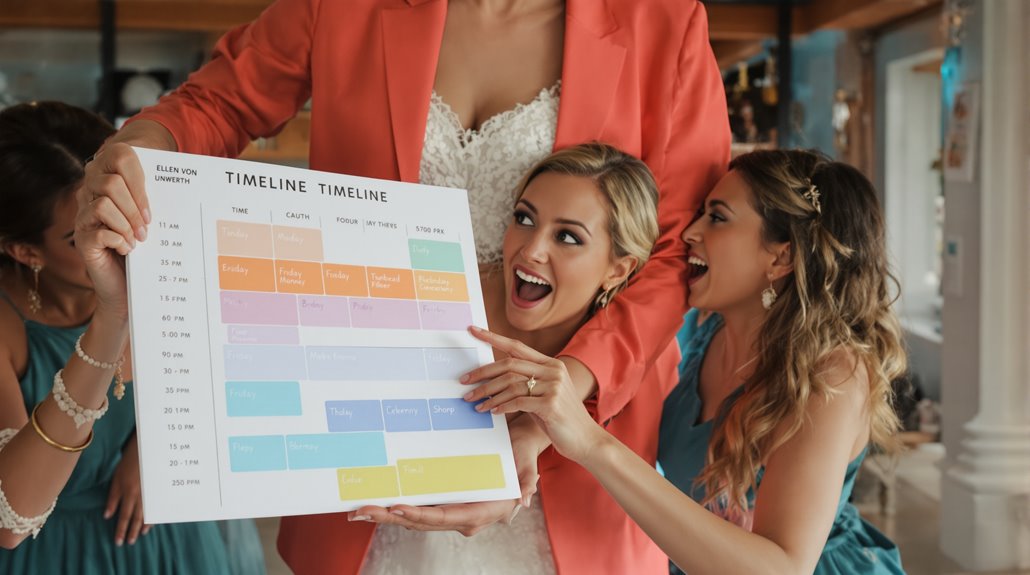
In wedding planning, clarity and efficiency are your best allies, and a visual summary is a tool that assures everyone stays on the same page. To streamline your timeline, convert key tasks into a visual format. Imagine a sleek, color-coded timeline that clearly lays out the day’s flow, from the 30-5-minute rule to strategic photo sessions. This isn’t fluff—it’s a non-negotiable asset for keeping your wedding day on track. Start with a simple table: allocate 90 minutes each for hair and makeup, provide a buffer for travel, and lock in your ceremony and photo times. Visuals accelerate understanding and execution. Share this with your team and vendors. Need a digital kickstart? Try software like Trello or Asana to create dynamic, shareable timelines. Incorporate risk management and insurance into your planning to ensure financial protection against unforeseen issues, adding an extra layer of security and peace of mind for your big day.
FAQ
Got questions about keeping your wedding timeline on track? Whether your family or vendors push back, or you’re worried about a past decision, you can pivot and course-correct efficiently. Aligning with your partner is non-negotiable, and we’ve got quick wins that’ll streamline your process today—let’s get the job done together.
What if my family/vendors push back?
When family or vendors start pushing back, it’s time to channel your inner project manager. You’ve got a mission: executing a streamlined wedding day that respects your schedule and sanity. Share the master timeline early—two weeks in advance—so everyone’s on the same page. Use group chats or emails for updates; this isn’t the time for whispered promises or vague assurances. Emphasize non-negotiables like the ceremony start time. Financial concerns? Address them head-on. Suggest downsizing or cost-saving measures to keep the date intact. Build in buffer time strategically to absorb any delays, ensuring smooth changes throughout the day. Keep communication open, and don’t shy away from data—use metrics to justify decisions. Next step: align everyone’s expectations and keep moving forward.
What if I already made the ‘wrong’ decision?
Made what feels like a misstep in your wedding plans? Don’t sweat it. You can pivot strategically to regain control. First, consult your photographer and key vendors. Their insight is gold for realigning your timeline. Share the revamped schedule with all major vendors 3-4 weeks ahead to avoid ripple-effect delays. Next, add buffer time like it’s your secret weapon. Allocate 10-15 minutes between ceremony, dinner, and speeches to absorb any unexpected hiccups. Communicate these updates clearly—send the final timeline marked accordingly to prevent confusion. Finally, consider a day-of coordinator who guarantees everything runs like a well-oiled machine. Your wedding day is a project to be executed, not a fairy tale. Ready to own it? Let’s move.
What’s the fastest way to course-correct?
How do you pivot your wedding plans with the finesse of a seasoned pro? First, identify your non-negotiable elements. These are your high-impact activities—like the first look or key family portraits. Build your timeline backward from these events to prioritize strategically. Next, communicate with your vendors. Give them a heads-up about any changes via a quick call or message. You’re the central hub, so confirm their understanding.
Add buffer time—15-30 minutes between major events—to absorb any delays. Inform guests through text updates or group messaging apps to keep everyone aligned. Leverage your planner’s expertise to reshuffle details and delegate tasks. Remember, it’s all about executing a streamlined plan that works for your ambitious lifestyle. Now, go make it happen!
How do I get my partner aligned?
Let’s face it—aligning with your partner on wedding plans can feel like herding cats in a rainstorm, but it’s a necessary hustle. Start by establishing clear communication channels. With 85% of couples using digital tools, leverage shared apps for real-time timeline updates. Create a priority list together to handle the overwhelming decision volume (71% are caught off guard!). Regular check-ins are non-negotiable; spend those six weekly hours wisely to keep both parties in sync. Personalize your timeline—68% of couples crave tailored plans. Strategically execute decisions as a team, treating the process like a project. The goal? Streamline tasks to prevent the dreaded 30-minute delay. Next step: schedule a digital check-in today. Get it done, and gain peace.
What’s the easiest win I can do today?
Ready to score an easy win today? Let’s tackle the wedding website. It’s a streamlined tool that keeps guests informed and minimizes your stress. Forget endless text chains—embrace a personalized site. You’ll save time on RSVPs, travel details, and schedule questions. Templates with RSVP tracking are a lifesaver, automating responses and freeing up your brainpower for bigger decisions. Got an hour? Build a branded domain and photo gallery that reflects your event’s unique vibe.
Now, let’s pivot to execution: prioritize accessibility and include all critical info upfront. This digital command center isn’t just a pretty face—it’s a strategic powerhouse. Your next move? Immerse yourself in wedding planning apps to synchronize timelines. Efficiency gains are real. Let’s rock this!
Key takeaways
Wedding timelines, when executed with strategic precision, are your best ally in turning controlled chaos into seamless celebration. Streamlining your day demands foresight and impeccable planning. Here’s how to keep things moving:
- Build Buffers: Factor in extra time for every segment. Professionals use buffers as non-negotiable safeguards.
- Account for Undergarments: Allocate 15-30 minutes for undergarment adjustments. Structured gowns and button-back dresses demand it.
- Travel Time Reality Check: Real-world conditions mean short drives aren’t always quick. Parking and rideshare hiccups add up.
- Streamline Getting Ready: Hair and makeup need 90 minutes per person—don’t skimp. Fully ready 6 hours pre-ceremony isn’t overkill.
Reality check: Over-optimism derails timelines. Plan with precision, embrace controlled chaos, and hire a planner to mitigate surprises.