

Lock in your groom attire decisions with precision by mastering these eight essentials. Understand the wedding’s theme and cultural nuances before anything else—non-negotiable intel for your style mission. Next, prioritize budget talks and timelines with laser focus. Execution is key: schedule fittings pronto and kill procrastination. Nix any ill-fitting suit ideas; sharp tailoring is your mantra. Avoid trendy distractions; think evergreen style. Streamline the big day checklist: suit, shirt, shoes, essential accessories. Stay sharp, and there’s more in store.
The full list (8 items)
Ready to execute the perfect groom attire plan? First, clarify your decision and constraints by identifying what’s non-negotiable versus what can flex. Then, streamline your process with a strategic checklist: 1) gather must-haves and nice-to-haves, 2) set a realistic budget/time cap, and 3) create a short list of options. It’s crucial to discuss wedding dress code with your fiancé early on to determine the level of formality, ensuring your attire aligns with the overall theme. For a polished and stress-free approach, consider official wedding suit rental services that elevate your style and simplify the process. This approach turns chaos into controlled action—because nobody has time for bless and stressed.
Clarify the decision and constraints
When it comes to choosing your wedding attire, clarity and constraints are your best friends. In the groom attire guide, understanding your wedding’s theme and formality is non-negotiable for efficient groom outfit planning. Whether it’s a black-tie affair demanding complete uniformity or a tropical theme inviting floral flair, your groom clothing decisions must align strategically with the setting. Many cultures and religions still require matching clothes for grooms and groomsmen, adding an additional layer of consideration to your planning. Consider the season’s influence—light colors for summer, darker shades for winter. Your personal style and body fit shouldn’t be afterthoughts; they’re pivotal to your look’s execution. Mismatched groomsmen? Go for striking details that let you stand out without chaos. Factoring in guest experience can also shape attire choices, especially when considering the comfort and expectations of your closest friends and family.
Now, map your needs using a checklist. Prioritize constraints and pivot from there. Ready to streamline your choices? Let’s move forward.
Gather must-haves and nice-to-haves
You’ve clarified the terrain—now it’s time to execute with precision. A groom style guide demands strategic thinking. Start with must-haves: a suit jacket or tuxedo jacket for formal settings and dress pants or tuxedo pants with satin stripes. Don’t forget a dress shirt, ideally white or fitted. Add sweat-proof undershirts and extra dress socks for practicality. Dress shoes or traditional footwear? Both, if you want options. For a truly seamless experience, consider tuxedo and suit rentals to ensure your look is both polished and convenient.
Now, for the nice-to-haves: a pocket square or boutonnière for flair, cufflinks for a tuxedo shirt, and a tie or bow tie to match your vibe. Invest in a well-chosen cologne because, let’s face it, scent sticks. Streamline your choices in a garment bag, ensuring everything’s ready for action. In India, where weddings often span multiple days with varying outfits, strategic planning is crucial to stay organized and focused on the celebration.
Set a realistic budget/time cap
Before you plunge into the groom’s attire, nail down a realistic budget and time cap—it’s a non-negotiable that keeps your planning on track. Think project management: clear timelines and strategic decisions. Start 6-8 months ahead to dodge last-minute chaos. This lets you compare options, evaluate prices, and align with your venue and theme. Real couples show that costs swing wildly—understand your financial landscape before shopping. Keep in mind that hidden costs like service charges and taxes can quickly inflate your attire budget, so factor these in from the start. Remember, renting suits are budget-friendly but limit customization, while buying offers lifetime value at a higher cost. Customization options can personalize your look to match the wedding theme, but these often come at a higher price. Planning lets you pivot between these choices strategically. Discuss budget priorities with your partner early on. Next steps? Create a detailed timeline and checklist to guarantee your attire plan gets executed with finesse.
Create a short list of options
Ready to streamline your groom attire choices? Let’s cut through the fluff and strategically create your short list. First, decide: Suit or tux? Suits are versatile for semi-formal settings, while tuxedos scream formal elegance. Think black for evening, navy for versatility, and grey for a spring-summer vibe. Remember that service customization can ensure your attire perfectly matches your event’s style and expectations. Shirt-wise, a white tuxedo shirt is non-negotiable with a tux, whereas a dress shirt pairs perfectly with a suit. Moving to neckwear, a black silk bow tie is standard for tuxes, but ties or bow ties work for non-black-tie suits. Accessorize with cufflinks, pocket squares, and strategically chosen footwear. Dress shoes are a must, with backups ready. Now, pivot to your checklist and lock in those essentials. Execute with precision—your big day demands nothing less. A sweat proof undershirt is essential for maintaining comfort and confidence throughout the day, ensuring you stay fresh and dry under your formal attire.
Ask the right questions
How do you guarantee your groom attire is nothing short of perfection? Ask the right questions. First, what’s the dress code? Align it with your venue and theme. Do you want a suit or a tuxedo? Consider the formality level. Which cut suits your body type—modern slim, traditional, or slim fit? How will your attire stand out from the groomsmen? You’re the focal point, after all. Have you scheduled fittings? Aim for 9 weeks out for tailoring magic. What accessories complete the look? Think ties, cufflinks, shoes—non-negotiables. Finally, how will your outfit hold up under scrutiny? Wear it for an hour; test comfort and confidence. Execute these questions like a pro. Ensure matching outfits with your best man to maintain a cohesive wedding look. Next step: lock down your decisions.
Make the decision and document it
Locking down your decisions is where the rubber meets the road in groom attire planning. You’ve navigated the chaos, now execute with precision. Strategically document choices like formal vs. semi-formal attire, ensuring your tux or suit aligns with your venue’s vibe. Nail down color selection—black for timeless elegance, navy for modern flair, or grey for daytime charm. Shirts need crispness; tuxedo shirts for tuxes, dress shirts for suits. Consider neckwear: bow ties for tuxedos, options for suits. Assemble essential accessories: wedding bands, cufflinks, and polished footwear. When finalizing your attire, keep in mind the wedding budgeting research that highlights how early, well-documented decisions can help control costs and avoid last-minute expenses. Decide between renting or purchasing based on budget constraints. Remember to check rental items thoroughly before leaving the shop to avoid missing pieces. This isn’t just about looking good; it’s about a streamlined process that gets the job done. Next step? Execute these decisions with precision and confidence.
Communicate it to everyone involved
When it comes to getting everyone on the same page for your wedding, early communication is your secret weapon. Start by discussing the dress code with your fiancé 8-12 weeks out. Nail down the formality level, then loop in your groomsmen. This isn’t a group text situation—it’s a strategic alignment. Share your research on styles, colors, and formality to streamline their attire choices. Organize fittings and appointments 6 months in advance to avoid last-minute chaos. Double-check that their outfits complement yours without overshadowing. Use a checklist for full attire details—suits, shirts, shoes, and accessories. Remember, it’s about making informed decisions, not crossing fingers. To avoid missteps, align your choices with budget priorities so groomsmen are clear on what’s expected and won’t overspend. Your next move: confirm fitting schedules and share final attire details. Execute like the boss you are. Choosing attire that aligns with the wedding theme ensures that the groomsmen’s outfits enhance the overall aesthetics and contribute to a cohesive atmosphere.
Build a backup plan
You’ve got your groomsmen aligned and ready, but now it’s time to think like a chess master—always have your next move planned. In wedding planning, having a backup plan isn’t just smart; it’s non-negotiable. Secure pre-vetted backup vendors and purchase wedding insurance to cover vendor failures. Keep a list of replacement contacts at your fingertips. Make certain you’ve got spare equipment: cameras, memory cards, cables. Your Grooming Essentials Kit should be a streamlined lifesaver: toothbrush, shaving kit, stain remover, and more. Pack extra clothing accessories like ties and cufflinks. Build timeline buffers for unexpected delays and keep a printed day-of list with key contacts. To avoid common regrets and pitfalls, set aside a contingency fund of 10-20% and carefully review all vendor contracts in advance. Next step? Execute with precision, and watch your day move seamlessly.
The ‘top 5’ that matter most (if you’re overwhelmed)
Overwhelmed by the endless options for groom attire? Let’s strategically cut through the chaos by nailing down the ‘top 5’ steps that matter: 1) Clarify your decision and constraints to narrow the field, 2) Gather your must-haves and nice-to-haves like a pro, and 3) Set a realistic budget and time cap that gets the job done. You’ll then create a short list of options and make sure to ask the right questions so your attire is as sharp and efficient as you are.
Priority #1: Clarify the decision and constraints
In the whirlwind of wedding planning, nailing down your groom attire starts with clarity and constraints—think of it as the blueprint to your sartorial success. First, identify your wedding venue formality: tuxedos for black-tie, suits for formal estates, linen for tropical escapes. Consider the season and time of day—linen or cotton for summer, wool or velvet for winter. Decide on color selection; navy suits nearly any theme or season. Choose between a suit and a tuxedo based on formality—modern grooms often stand out with unique colors. Don’t skip footwear; match shoe color to your suit for photo harmony. Start by listing these non-negotiables, then pivot decisions based on them. Ready for action? Map out your attire decisions today. For a smooth process, remember to create a timeline that includes attire milestones, so nothing gets missed as you move closer to your big day.
Priority #2: Gather must-haves and nice-to-haves
Let’s cut to the chase—when you’re juggling a million tasks, your groom attire needs to be a streamlined operation, not an emotional rollercoaster. Prioritize must-haves: a tuxedo or suit jacket, dress shirt, fitted pants, and appropriate dress shoes. These essentials are non-negotiable. Accessories like a black silk bow tie or tie, cufflinks, and a pocket square should enhance but not complicate your look. Strategically lay out your outfit the night before to steam out wrinkles and pack an extra pair of socks—you’ll thank yourself later. Choose fabrics and fits that align with your venue and season—wool or linen can make or break comfort. Remember, efficiency moves the needle. Next step? Nail down your timeline to keep the momentum going. Don’t forget that early vendor booking is key for reducing stress and making sure all elements—including your attire—are managed alongside the rest of your wedding plans.
Priority #3: Set a realistic budget/time cap
When the countdown to your wedding feels like a ticking time bomb, setting a realistic budget and time cap for groom attire becomes non-negotiable. First, lock in your budget range—think $700-$1,100 for high-end options. Renting? It’s cost-effective but watch for fit and customization snags. Buying means more upfront cost and time but offers lasting value.
Strategically plan 6-8 months out. Early action accelerates decision-making, fittings, and alterations—no last-minute chaos. If you’re juggling careers and wedding planning, streamline by comparing rentals and purchases. Use a hybrid approach: buy your suit, rent groomsmen’s. Track your progress with a simple checklist. Remember, it’s about execution, not perfection.
Reality Check: Don’t underestimate time. Rushed decisions? Recipe for stress. Plan smart, and you’ll nail it.
Priority #4: Create a short list of options
Overwhelmed by the endless choices for groom attire? Let’s strategically streamline this. First, decide: are you rolling with a tuxedo or a tailored suit? This choice sets your wedding day vibe. A tuxedo demands suspenders, a black bow tie, and cufflinks. A suit offers flexibility: belt or suspenders, necktie or bow tie. Next, nail the footwear. Black leather oxfords scream classic, while brown brogues add a casual twist. Don’t forget: shoe and belt colors must match. For neckwear, bow ties are non-negotiable for black-tie events, but neckties allow for playful patterns. Elevate your look with pocket squares and cufflinks. Finally, add that essential wedding band and a sharp timepiece. Execute these moves and accelerate towards that curated cool.
Priority #5: Ask the right questions
Wondering how to cut through the noise and focus on what truly matters when choosing groom attire? Let’s accelerate your decision-making with five non-negotiable questions that streamline your options. First, does the attire match the wedding formality? Ballroom weddings demand tuxedos, while beach ceremonies embrace light linens. Next, consider the season and venue—will you sweat in that flannel during an 80-degree summer wedding? What’s your color scheme strategy? Make certain your suit complements the bridal party and theme. How about budget? Decide on custom or rental based on who’s paying. Finally, is your fit distinction on point? The groom should stand out while coordinating with the bride. Execute a fitting session that guarantees movement and comfort. Prioritize these, and you’ll nail it.
How to use this list as a system (not a random pile of tips)
Let’s cut the chaos and get your groom attire game on lock. Use this list as a strategic system to streamline your approach, not just a random pile of tips. Here’s how you pivot from overwhelmed to overachieving:
- Categorize by Task: Group attire elements by function—formal wear, accessories, footwear. This moves you from confusion to clarity.
- Establish Daily Rituals: Integrate attire checks into your daily routine. Execute this with precision to guarantee you’re always ready to roll.
- Utilize Audits and Tracking: Regularly review your attire choices and pivot if needed. Monitor your style metrics to guarantee you’re hitting the mark.
Printable / copy-paste checklist
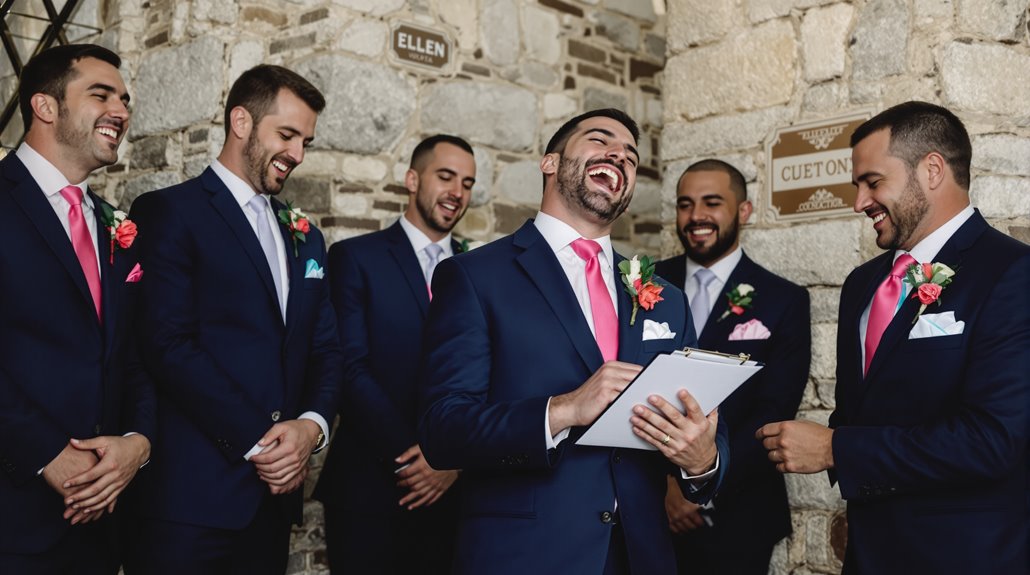
Ready to transform your wedding planning into a streamlined operation? Enter the Printable / Copy-Paste Checklist—your go-to tool for executing wedding attire planning with kinetic precision. This checklist is your secret weapon against chaos, designed for Type-A professionals who demand efficiency without compromising quality.
Transform wedding planning chaos into order with our precision-focused checklist designed for efficiency and quality.
Here’s what you’ll tackle:
- 12 Months Out: Lock in attire, coordinate groomsmen fittings, and start honeymoon planning.
- 6 Months Out: Finalize guest list, choose officiant, and organize transportation.
- 2 Months Out: Schedule final fittings, order floral details, and confirm honeymoon plans.
- 2 Weeks Out: Distribute attire, prepare for honeymoon, and finalize vendor head counts.
- Wedding Day: Suit up with confidence, accessorize, and keep essentials ready.
Strategically check off tasks and move closer to your goal—an effortlessly executed wedding day.
Common mistakes when applying this list
While executing your groom attire strategy with kinetic precision, don’t fall into the all-too-common traps that can derail your streamlined operation. Stay sharp and sidestep these pitfalls:
- Ill-Fitting Suit: Opting for standard rental sizes might seem efficient but often results in a boxy, uninspiring look. Custom sizing is non-negotiable—it’s your secret weapon for a flawless fit.
- Trendy Choices: Sure, that flashy vest looks cool now, but it’ll age faster than your first smartphone. Stick to timeless styles that get the job done long after the dance floor clears.
- Timing Tailoring: Procrastination isn’t a strategy. Start early to guarantee your suit fits like a glove, not a potato sack. A well-executed plan means no last-minute surprises.
FAQ
Feeling overwhelmed by the groom attire list? Prioritize like a pro by identifying non-negotiables, then streamline by delegating less critical tasks to trusted allies—this isn’t a solo gig. Keep it efficient by revisiting your checklist weekly to guarantee everything’s executed without becoming a time sink.
How do I prioritize if I can’t do everything?
Ever feel like wedding prep is a high-stakes juggling act? Prioritizing here means making strategic moves. Start with the suit or tuxedo—your centerpiece. Lock this down 8-12 weeks ahead for adjustments. Next, grab multiple shirts, ensuring you’ve got a crisp white one ready. Shoes are non-negotiable; pick them early, and start breaking them in. Keep it authentic with a self-tie bow tie or tie.
Streamline by focusing on essentials: suit, shirt, shoes. Decide whether to rent or buy based on your wedding’s vibe. Remember, custom tailoring beats unnecessary accessories. Once your attire’s on track, coordinate groomsmen attire to complement, not match.
Reality Check: Don’t overthink the details. Prioritize execution over perfection. Now, go execute that checklist like a boss.
What’s the minimum I can do and still be safe/on-track?
Got a wedding checklist that feels longer than your last marathon? Let’s streamline your groom attire with kinetic precision. Stick to the essentials: a sharp dark suit in navy or charcoal—ditch black. Pair it with a crisp white shirt and a tie. Black oxford shoes are non-negotiable. Don’t forget socks; pack an extra pair for contingencies.
Basic accessories? Keep it simple: a white pocket square, cufflinks, and a waistcoat if you want a touch of formality. Prep like a pro: hang your suit the day before, lay out your essentials, and steam for a polished look.
Reality check: Skip the fluff. Focus on execution. Make intentional decisions that respect your time. Next step? Review your checklist and pivot to action.
What should I delegate vs own myself?
Why juggle every detail when you can delegate like a pro and keep your sanity intact? You’re a powerhouse—streamline your wedding attire decisions with razor-sharp precision. Own the non-negotiables: choose colors matching your wedding theme, decide on suit or tux based on formality, and attend initial fittings for perfect measurements. Finalize core pieces for confidence and fit.
Delegate the rest: let your best man coordinate groomsmen’s suits, while a stylist handles ties and pocket squares. Outsource shoe sourcing based on your specs, and let the florist manage boutonnieres. Assign standard alterations to pros, but oversee custom tailoring. Hand logistics to your planner.
Reality Check: Don’t micromanage—trust your team. Ready to pivot? Make a checklist and execute with flair!
How do I keep this from becoming a time sink?
Streamline your wedding attire process with a strategy that respects your time and sanity. Start suiting preparations 6-9 months ahead—this isn’t just a suit, it’s a mission. Book fittings 3-6 months before the big day to nail alterations. Choose your groomsmen early, so you’re not left scrambling. Schedule group fittings—because efficiency loves company. Use tools: a checklist or app for deadlines, and set reminders for those sneaky time-sensitive tasks. Create a detailed wedding day timeline and share it—no surprises, just smooth sailing. Don’t forget the groomsmen emergency kit; it’s your secret weapon against chaos. Remember, the goal is execution, not perfection. Time is your ally—use it wisely. Ready to accelerate? Start by syncing your calendar today.
How often should I revisit this list?
When you’re steering wedding planning like a project manager on a mission, knowing when to pivot is essential. Revisit your groom attire checklist strategically—once at the start, midway, and before final fittings. This isn’t just a suggestion; it’s non-negotiable. Your focus? Keep it streamlined. Check off items as they’re executed and adjust based on what moves or stalls. Metrics matter: Are you on budget? Is the timeline gaining ground or losing it? Make intentional decisions, not just for aesthetics but for functionality. Use real tools—timelines, checklists—to track progress. And hey, if something’s off, pivot swiftly. Bless and stressed? No thanks. Keep hustling smartly. Next step? Set a calendar reminder; let technology keep you sharp. You’re in control.
Key takeaways
In the hustle of wedding planning, knowing your groom attire is non-negotiable—it’s not just about looking sharp, it’s about executing your day with precision. Keep your choices streamlined and strategically selected. Here are your key takeaways:
- Dress Codes Matter: Whether it’s black-tie or semi-formal, understanding the dress code gets the job done. Avoid pastels and patterns; they’re distractions, not details.
- Season and Venue Influence: Pivot your choice based on when and where you’re tying the knot. Morning dress for UK weddings, tuxedos for evening elegance—these decisions accelerate your style.
- Accessories are Essential: Strategically prepare the day before. Hang your suit, steam out wrinkles, and lay out essentials like cufflinks and stud sets.
Reality Check: Execution beats expectations. Get it right, not Pinterest perfect.