
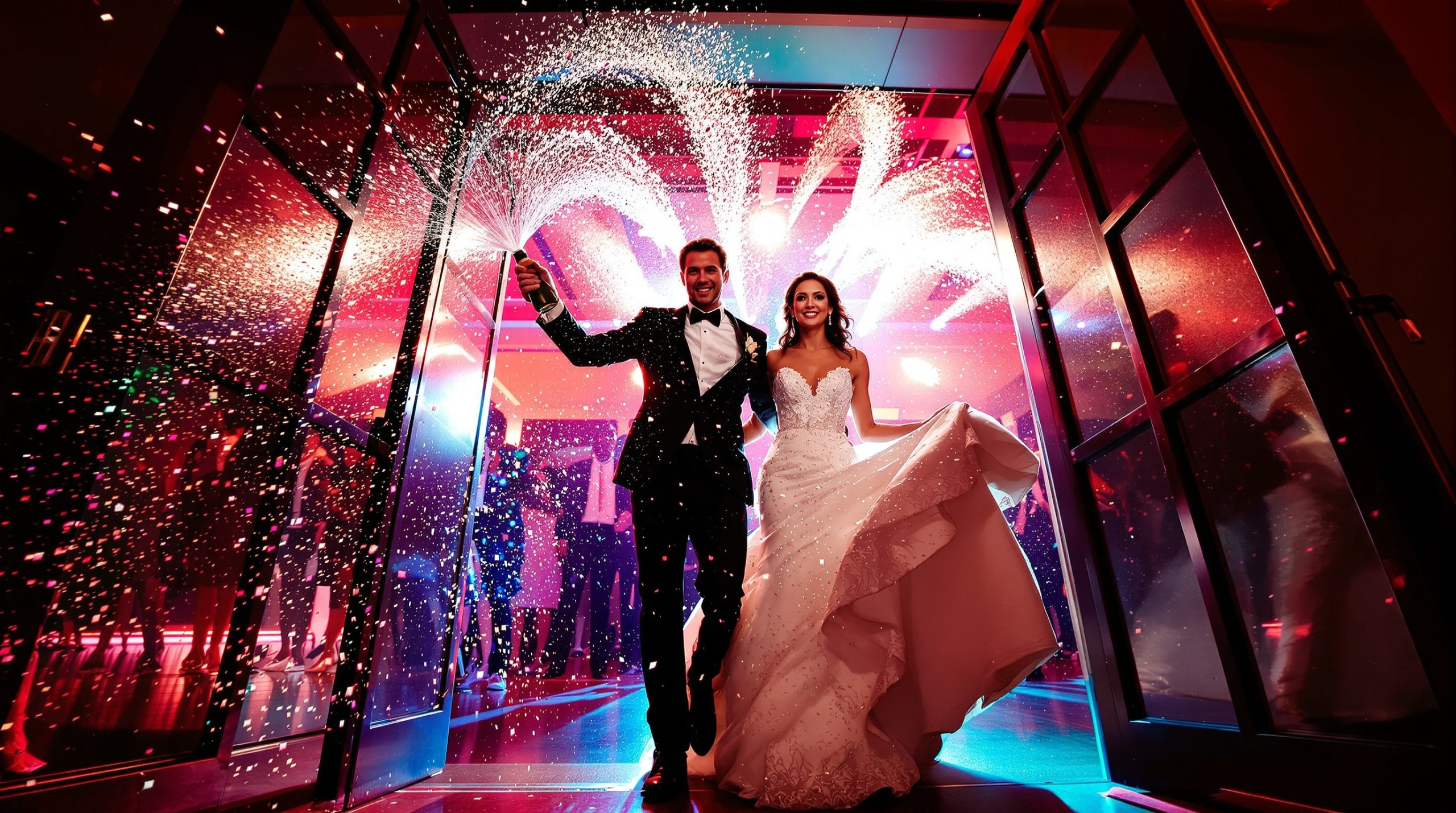
At receptions, fewer speeches mean you’re setting the standard for precision and enjoyment. You know what doesn’t fly? Long-winded toasts that drag your event into the sleepy zone. When executed strategically, concise speeches respect your guests’ time, maintaining energy and spotlighting moments that truly matter. Forget “Pinterest perfect”; we’re talking real-life efficiency. Use timelines and checklists to whip that agenda into shape. Want to keep your receptions ticking like clockwork? Streamline your speech plan now. There’s science behind it.
The thesis (what people get wrong)
Let’s cut to the chase: more speeches don’t mean better engagement. At Hustle and Bustle Events, we’ve seen firsthand that reception speech limits are a game-changer. Too many speeches can drag your high-energy wedding into snooze territory. You think speech length at receptions equals thoroughness? Time to pivot. The reality is, your guests remember impactful, strategically executed moments, not endless talking. The sweet spot lies in concise, power-packed messages that respect your guests’ time and attention. It’s about efficient communication that gets the job done. In fact, research has shown that conversations with lower speaking percentages are enjoyed more, emphasizing that less can indeed be more when it comes to engagement. Let’s streamline: set non-negotiable limits on speeches to keep the momentum moving. By focusing on guest experience priorities, you’ll ensure that your reception is memorable for all the right reasons. Ditch the myth that more is better—fewer speeches mean a more dynamic reception. Ready to accelerate your wedding planning? Start with a speech checklist.
Why this happens (the real root causes)
When it comes to wedding speeches, more isn’t merrier; it’s a momentum killer. Limiting speeches is a strategic move that accelerates your reception’s energy. Here’s why:
- Conversations thrive on brevity: Research shows that speaking less increases enjoyment. People remember succinct messages, not long-winded anecdotes.
- Engagement through vocal variety: Dynamic delivery hooks your audience. Passionate, authentic communication is 1.3 times more persuasive.
- Conciseness boosts credibility: Fewer words convey authority and clarity, making your message stick. Interestingly, using abstract language can also enhance the perception of power, making your speech more impactful.
It’s not about cutting corners, but about executing a streamlined plan that keeps attention high. You’re not here for endless chatter; you’re here for a celebration that moves and gains momentum. So, pivot from tradition—limit speeches and drive your reception forward!
What to do instead (the better framework)
To transform your wedding speeches from momentum killers to energy drivers, embrace the framework of structural storytelling. This method isn’t just a soft skill; it’s a strategic tool. Stories make your message stick—65% retention, folks, compared to the paltry 10% from plain facts. Here’s your playbook:
- Compelling Openings: Hook them in three seconds flat with stories or startling stats. It’s all about creating curiosity.
- Evidence-Based Support: Use stats from reputable sources to back your claims. Numbers should be your best friend, not a boring uncle. Emotional appeal must be blended with logical support to make your speech persuasive and engaging.
- Interactive Engagement: Keep it lively with visuals, live polls, or audience Q&As. Interaction is a non-negotiable for engagement. Personalize décor and menus to create a more immersive and memorable experience for your guests, as this customization is highly sought after by 68% of couples.
Trade the fluff for frameworks, and watch your audience actually enjoy speeches. Now, that’s a win.
How to apply it in real life
Imagine this: you’re at a wedding, and the best man starts with a ten-minute saga about their college days—yawn, right? Instead, deliver a punchy, three-minute speech that strategically highlights the couple’s journey and keeps the energy high, leaving guests keen for more. In high-stakes toasts where everyone’s watching, streamline your story to the essentials; you’ll maintain momentum and make sure your words resonate—no fluff, just impact. Engaging speeches lead to positive responses and connection with the audience, creating a memorable experience. By focusing on creating moments that reflect personal authenticity rather than generic aesthetics, speeches can be transformed into truly memorable highlights of the wedding.
Example 1: a common scenario + the better move
Let’s face it: the wedding reception shouldn’t feel like a never-ending TED Talk marathon. When you’ve got multiple speeches lined up, the crowd’s attention drops faster than a hot stock. The average attention span is just 8-10 minutes; anything beyond that, and you’re asking for glazed eyes and yawns. Instead, strategically pivot to a single, impactful 10-minute speech. This isn’t just a suggestion—it’s a non-negotiable move that increases retention by a whopping 65-75%. Use storytelling and visuals to keep everyone engaged. Think of it as executing a perfectly timed project milestone. Your goal? A reception that’s tight, dynamic, and memorable. Since delivery accounts for 93% of effective presentations, focus on engaging the audience with a confident voice and expressive gestures. Need a plan? Grab a checklist and stopwatch, then cut the fluff. Streamlining processes is key to raising guest satisfaction, ensuring the evening remains enjoyable and memorable. Time to make those speeches count!
Example 2: a high-stakes scenario + the better move
Imagine yourself in the midst of a high-stakes wedding reception, where every moment feels charged with expectation. The room buzzes with anticipation, and your inner project manager knows that a seamless flow is non-negotiable. Instead of drowning your guests in a sea of speeches, strategically opt for brevity. Execute a streamlined plan: one impactful toast, perhaps by the best man, that’s concise and genuine. It’s about quality, not quantity. This isn’t just a toast; it’s a pivot point that accelerates the evening’s momentum. Cutting down on speeches respects your guests’ time while keeping the energy kinetic. Use a timeline to guarantee everything stays on track. Remember, a well-executed reception isn’t about the fluff; it’s about getting the job done efficiently. Practicing key messages is crucial to avoid confusion, ensuring that your toast is delivered with clarity and impact. To achieve a smooth execution, consider treating wedding planning as a project management task, which can help keep priorities clear and timelines on track.
Example 3: a ‘we’re busy’ scenario + the better move
When life’s a whirlwind, and your schedule’s tighter than a pair of skinny jeans post-brunch, you need your wedding reception to be a well-oiled machine. Speeches? They need to be as swift as they are impactful. Execute with laser focus: keep it short, sweet, and strategically timed. Use the Tell-Show-Ask-Share cycle every 8-10 minutes to re-engage your audience. Limit your slides to pass the 3-second glance test. Polls and Q&A? Non-negotiable tools for boosting engagement by 14%. Slow your roll—literally. Speaking slower reduces effort and amplifies clarity. Wrap-up on time, every time, and you’ll earn universal appreciation. Remember, it’s about precision, not perfection. Audiences always appreciate speakers who end on time, as it demonstrates professionalism and respect for their schedule. Understanding per person budget can also help ensure that the reception is executed within financial limits without compromising on quality. So pivot towards efficiency, and your reception will leave a lasting impression. Now, go execute!
Counterpoints (when the old way is actually fine)
Although the allure of ditching tradition for cutting-edge efficiency is strong, sometimes sticking with the old ways gets the job done just as well, if not better. Traditional speeches can be strategically executed to enhance a reception’s vibe. Here’s why the old-school approach still holds its ground:
- Pauses enhance effectiveness: A well-timed pause boosts communication effectiveness and likability. Think of it as a moment to let the audience breathe and absorb the words.
- Audience perceives knowledge: A structured speech format can demonstrate depth of understanding, which elevates the speaker’s credibility.
- Transparency is key: Just as vendor pricing transparency is crucial in avoiding hidden costs, being transparent in speeches makes the message clear and trustworthy.
- Traditional methods prove effective: Decades of traditional interventions highlight their success, bringing consistency and reliability. Integrated interventions, which combine auditory-perceptual and production elements, have shown significant effectiveness in improving speech sound disorders, demonstrating that a well-rounded approach can be powerful.
Action plan (do this next)
Execute your vision with strategic precision by streamlining wedding speeches into compelling, concise gems. You’ve got a packed day and every second counts. Here’s how to tighten those toasts:
- Halve the length: After your initial draft, chop it in half. Trim the fluff and keep the essence. You’re not writing a novel; you’re crafting a moment.
- Practice with purpose: Rehearse not just in front of a mirror, but with an audience. Get feedback that cuts through the noise.
- Focus on the impact: Tailor your message to the audience. What do they need to hear? Connect with what resonates.
- Strategic execution is essential to avoid chaos. By planning your speeches with the same care you plan other aspects of your wedding, you ensure a smooth and memorable experience.
Get it done right. You’ll leave them wanting more and give everyone more time for the fun stuff. Now, go make it happen.
Visual summary you can share
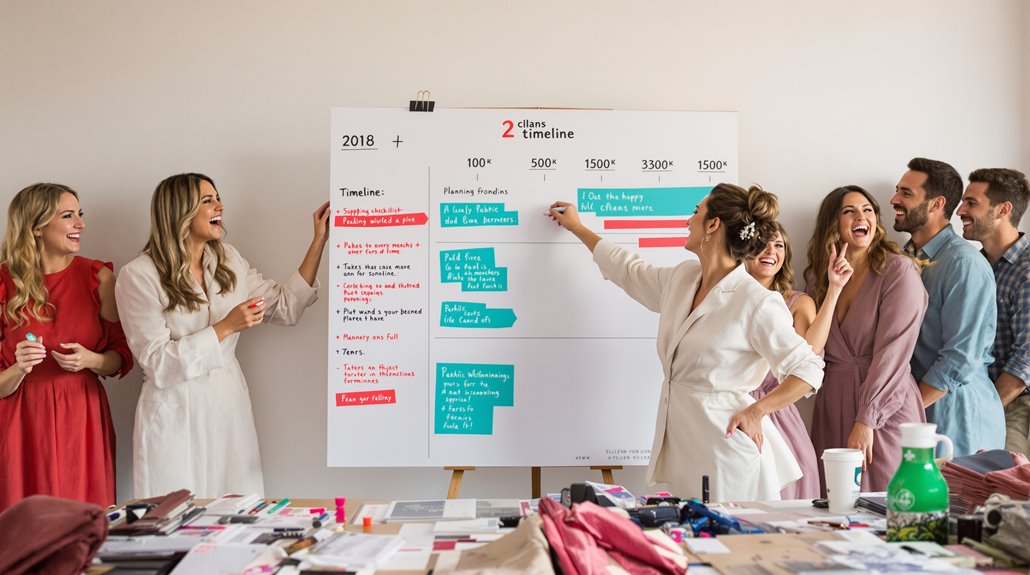
Visualizing your wedding strategy can transform chaos into clarity. Think of it as a project where every detail counts. Start by creating a visual checklist that outlines key elements like speech timing, guest engagement, and concise delivery. Why? Because it’s proven—less talk equals more fun. Keep those speeches short and sweet; you’ll thank us later. Use a timeline to strategically map out the event flow, ensuring you hit every mark efficiently. Incorporate metrics to track what works, and make intentional decisions based on real data. Documentation of all details is crucial for ensuring transparency and protecting your interests during planning. Need a visual aid? Think infographics over Pinterest boards. They’re a non-negotiable tool in your planning arsenal. Ready to accelerate your plan? Make sure everyone involved gets the memo: less is more. Keep it moving!
FAQ
Got questions? You’re not alone—let’s tackle the most common ones with laser precision. If family or vendors push back, remember that you’re executing a streamlined vision, not negotiating a peace treaty. Made a ‘wrong’ decision? No sweat, course-correct by strategically aligning with your partner and focusing on quick wins like nailing down non-negotiables today. Prioritize essential elements over unnecessary details to avoid the common trap of detail obsession that can sacrifice important aspects of your wedding.
What if my family/vendors push back?
Let’s be real—when it comes to wedding speeches, not everyone will jump on the “less is more” bandwagon. Family might insist on sharing every nostalgic tale, while vendors could argue for tradition. Your goal? Streamline. Start by communicating your vision clearly and confidently. Explain that fewer speeches mean more time for dancing and connecting. Use a timeline to show how this approach accelerates the reception flow. Make speech limits non-negotiable, but offer alternatives like pre-recorded messages or a speech during rehearsal dinners. Vendors will appreciate the heads-up; it helps them execute their part more efficiently. Remember, you’re the project manager here—strategically decide what’s essential. Your reception, your rules. Next step? Craft that timeline and stick to it.
What if I already made the ‘wrong’ decision?
How do you pivot when you’ve already made the ‘wrong’ call? First, take a deep breath. You’re not alone—over 80% of brides report wedding day regrets. Whether it’s the best man’s awkward speech or that questionable dress choice, it’s time to shift gears. Prioritize: what’s non-negotiable now? Maybe the photographer doesn’t capture your vibe—consider reallocating funds for post-wedding shoots that do. Regret over vendor choices? Strategically communicate your concerns. Remember, hustle culture thrives on smart pivots. Create a streamlined checklist, address immediate pain points, and execute changes that matter most. Bless and stressed? Nope, not here. Move with intention, gain clarity, and keep your eyes on what truly accelerates your wedding day happiness. Next step: own your decisions.
What’s the fastest way to course-correct?
Already made a decision you regret? Let’s pivot strategically and get you back on track. Start with diaphragmatic breathing—feels like a yoga class but sharper. This calms nerves and clarifies your voice, essential for course-correcting speeches. Next, hit those articulation exercises. Tongue twisters aren’t just for kids; they’re precision drills for your tongue. Record yourself with a clear-eyed view—spot where you mumble or rush. Then, attack those pacing issues. Slow down, insert strategic pauses, and let your words breathe. Vocal warmups? Non-negotiable. Humming and lip trills are your best friends here. You’re not just planning a reception; you’re executing a flawless experience. Course correction isn’t just possible—it’s efficient. Now, grab that checklist and make moves.
How do I get my partner aligned?
Ever wonder how to get your partner on the same page without turning every conversation into a board meeting? Start by setting shared goals. Ask your partner about their priorities and strategically align them with your wedding objectives. Use measurable KPIs to track progress, ensuring both of you stay on course. Establish open communication channels—think regular emails, quick video calls, or even a dedicated app for seamless updates. Practice active listening—hear your partner’s needs and pivot strategies if necessary. Tailor your communication style to suit different scenarios, fostering clarity and trust. Celebrate wins together to keep motivation high. Remember, alignment isn’t a one-time task; it’s a dynamic process that requires constant attention. Ready to accelerate your planning? Execute this today!
What’s the easiest win I can do today?
When you’re juggling a million tasks and the wedding countdown clock’s ticking, what’s the quickest win you can snag today? Focus on streamlining your to-do list. Identify the non-negotiables—those tasks that absolutely must get done to keep things moving. Prioritize them, execute with laser focus, and let go of the fluff. Use a project management tool like Trello or Asana to keep everything organized and track progress. It’s about strategic execution, not perfection. Remember, a well-executed plan trumps an overly complex one. Pivot where necessary, and don’t stress over industry nonsense—if it doesn’t add value, it’s out. Your next step? Set a timer, tackle a high-impact task, and gain some serious momentum. Bless and stressed? No thanks.
Key takeaways
To nail the perfect reception, let’s cut the fluff and get straight to the point: fewer speeches mean happier guests. We’re all about efficiency and impact. Here’s how you can execute a reception that’ll be the talk of the town:
- Engage Smartly: Shorter speeches keep attention sharp. Stick to three main points, and you’re golden.
- Boost Power: Use abstract language to sound more authoritative. It’s not just about what you say, but how you say it.
- Streamline Practice: Practice with a small audience. Capture emotions, not just words.