
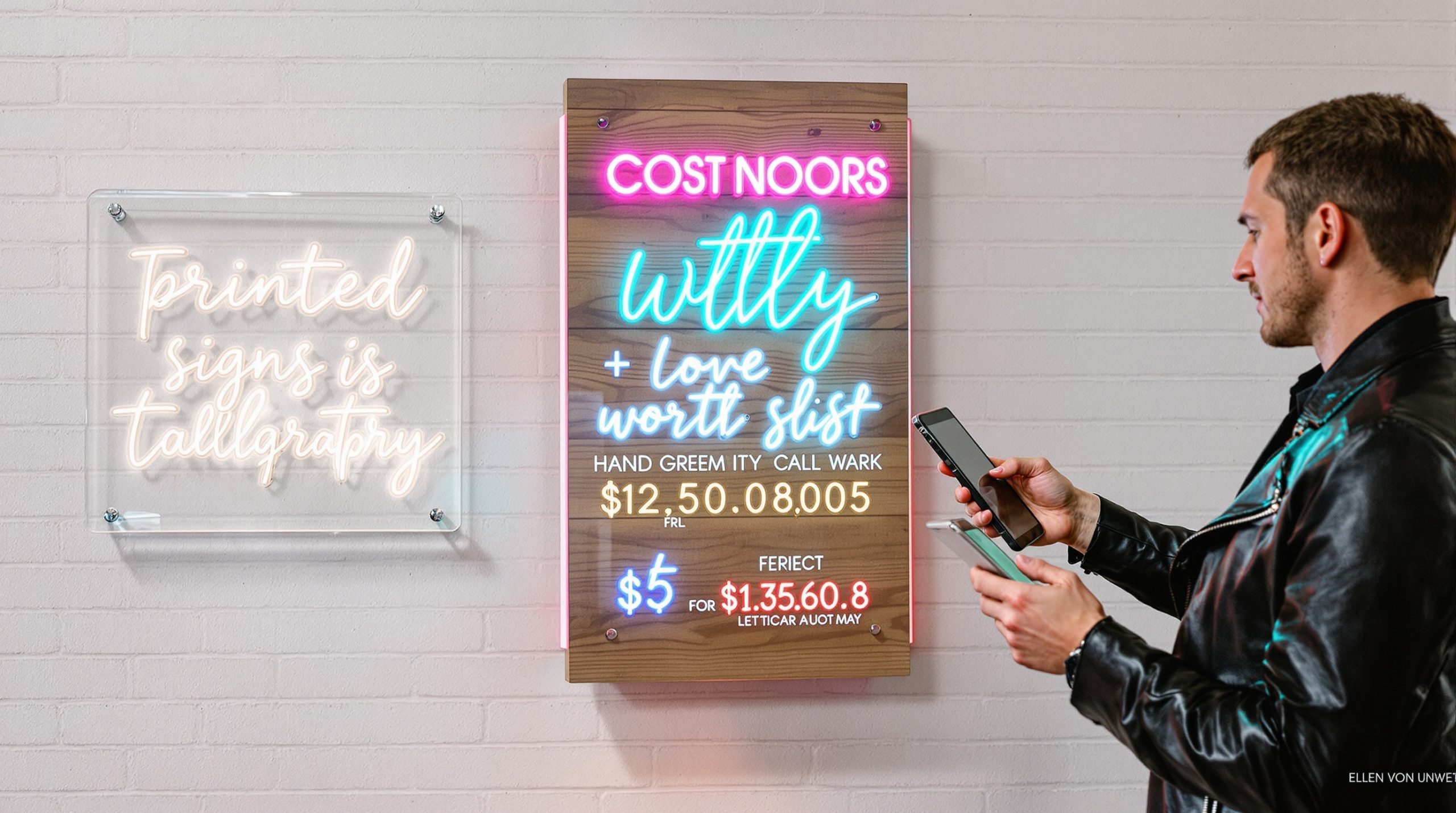
Printed signs? Classic workhorses—set and forget. Calligraphy? Artsy but prone to timeline tantrums. Digital displays? Initial investment upfront, but they’ll boost and streamline your wedding’s impact. While printed signs keep costs non-negotiable, digital displays accelerate with tech advantages: real-time updates and guest engagement. Prioritize based on budget and venue fit—sharp planning avoids headaches. Don’t let Pinterest fantasies derail your real-world workflow. Curious about more tips? Immerse yourself in the logistics that demand attention.
Quick verdict: Printed Signs vs. Calligraphy vs. Digital Displays (who each is best for)
When you’re juggling a high-octane career and planning a wedding, time is the one thing you can’t afford to waste. Let’s cut to the chase with a signage options comparison that gets the job done. Executed right, each signage type has its own strengths.
- Printed Signs: Ideal for static messages; they’re a low-cost, reliable choice for long-term use. Think budget-friendly with sign cost options that won’t break the bank.
- Calligraphy: If you crave premium aesthetics, this is your go-to. It offers a unique, handcrafted flair that screams curated cool—perfect for those strategic, high-touch moments.
- Digital Displays: These pivot with the times. For fast-paced, high-traffic venues, they offer real-time updates and significant long-term savings. Digital signage reduces reliance on paper, ink, and consumables, which not only cuts down on costs but also supports sustainability efforts.
Reality Check: Align your choice with your venue and audience needs.
At-a-glance comparison: Printed Signs vs. Calligraphy vs. Digital Displays
Let’s cut the fluff and get into it. You’re juggling a high-energy wedding project, and sign format comparison is key. Here’s the skinny:
| Sign Type | Key Benefit |
|---|---|
| Printed Signs | Cost-effective, no recurring fees |
| Calligraphy | Artistic, unique, personal touch |
| Digital Displays | Dynamic, real-time updates |
Printed signs are the budget-friendly choice, with one-time costs and minimal maintenance. Calligraphy brings an elegant flair, perfect for personalized touches. Digital displays? They’re the powerhouse for tech-savvy couples, boasting real-time updates and maximum flexibility. While digital signs offer programmable lighting and brightness settings for optimized energy use, they do require an upfront investment and potential tech hiccups. Strategically, choose what aligns with your priorities. Need efficiency and impact? Digital might be your move. Crave timeless charm? Calligraphy wins.
Define the options (so you’re comparing the right things)
You’re ready to execute wedding signage with precision, so let’s get clear on your options. Printed signs are your go-to for vibrant, weather-resistant displays that don’t need power, but don’t mistake them for one-size-fits-all solutions. Calligraphy offers artistic flair and a personal touch, though it’s not your best bet for legibility or speed, while digital displays provide dynamic content and real-time updates, but require power and connectivity—no room for technical glitches on your big day. Printed signs offer tactile permanence that resists technical failures or downtime, ensuring they remain a reliable choice even as digital signage evolves.
Printed Signs: what it is, what it includes, and the common misconceptions
Printed signs aren’t just relics of the past—they’re strategic tools in your wedding planning arsenal. They’re more than paper; think durable materials like Dibond or aluminum, which last as long as your busiest work project. These signs strategically execute messages without the need for power, ensuring your high-energy event stays on track. Don’t buy into the myth that printed signs are short-term or lack punch. Their tactile permanence commands attention, offering vibrant colors and bold text that scream efficiency and precision. From banner signs to window graphics, they pivot seamlessly between indoor and outdoor use. They act as a direct channel between businesses and audiences, attracting attention and conveying key information. Misconceptions? They’re not just for temporary use; they’re customizable, high-resolution, and built to last. Printed signs are essential for creating a memorable guest experience, ensuring that key messages are communicated effectively and with style. So, streamline your wedding planning with printed signs that get the job done efficiently.
Calligraphy: what it is, what it includes, and the common misconceptions
While calligraphy might seem like a relic from a bygone era, it’s actually a timeless art form that injects a sophisticated flair into your high-energy wedding without sacrificing efficiency. It’s not just fancy handwriting—calligraphy stands as a strategic blend of aesthetics and precision. You’re not looking at mere decoration; each letter executed with rhythm and balance, using tools like quills or steel nibs. Calligraphy doesn’t stop at tradition; it pivots into modern design, proving its adaptability. Forget the misconception that it’s obsolete post-printing press; its revival through the Arts and Crafts movement showcases its enduring appeal. Historically, calligraphy has played a vital role in the preservation of knowledge through beautifully crafted manuscripts. So, if you’re embracing curated cool over the predictable, calligraphy strategically enhances your wedding’s visual impact with a touch of artistic integrity.
Digital Displays: what it is, what it includes, and the common misconceptions
Digital displays, unlike traditional printed signs, are the ultimate multitaskers in your wedding planning arsenal—think of them as your event’s personal hype team. They’re not just TVs; these dynamic tools include LCD, LED, and OLED screens, configurable to any environment. Imagine seamless video walls or interactive touchscreens that adapt in real-time. It’s like having a digital Swiss army knife that strategically elevates your event’s vibe. Common misconception? You don’t just hang a screen and call it a day. You need media players, software, and a content management system to execute a smooth operation. While some think outdoor use is a no-go, advanced LED options are bright and durable. In addition to these features, digital displays offer cost-efficiency by reducing recurring costs on printing, design, and logistics compared to traditional signage. Ready to pivot from confusion to clarity? Immerse yourself in digital and streamline your setup.
Cost breakdown (upfront vs hidden costs)
Let’s break down the costs so you can strategically choose between printed signs, calligraphy, and digital displays without blowing your budget. Printed signs might look budget-friendly upfront, but hidden costs like replacement and transportation add up faster than a caffeine-fueled workday. Meanwhile, calligraphy offers artistic flair but requires constant updates, while digital displays boast sleek execution but demand ongoing software fees. Additionally, digital signage costs can range from $200 to over $3,000 per screen, influenced by factors such as hardware, software, and installation. Considering the service fees and gratuities associated with events, it’s crucial to account for these additional costs when planning your budget.
Line-item cost comparison by tier/budget
Maneuvering the world of wedding signage is like assembling the Avengers of communication—each option brings its own superpowers and costs. You’re not just choosing a sign; you’re strategically executing a plan. Here’s a quick-and-dirty cost breakdown to keep your budget tight and efficient.
| Tier/Budget | Printed Signs | Calligraphy | Digital Displays |
|---|---|---|---|
| Budget | $100–$500 | $10–$100 per sq ft | $500–$1,500 per screen |
| Mid-Range | $1,000–$5,000 | $1,000–$5,000 | N/A |
| Hidden Costs | Reprinting: $500+ | Redesign: $500+ | Software: $12–$18/mo |
Reality Check: Reprinting and redesigns can sneak up and bite your budget. Make intentional choices and remember: it’s about execution, not perfection. Digital Signage allows for quick updates to respond to competitive promotions. Next step? Decide, act, and accelerate!
What actually drives cost changes
When you’re maneuvering the maze of wedding signage costs, understanding what drives those numbers is non-negotiable. Let’s explore the elements that can hike those prices:
- Commission Structures: Multi-tiered commissions add 30-60% to electronic sign costs. With 3-6 people taking a cut, it’s like a financial game of telephone.
- Installation Expenses: Electrical upgrades, permits, and labor aren’t optional. These sneaky costs can run you $1,200 to $5,000+, depending on complexity.
- Software Maintenance: Think monthly fees for LED signs—$50-$200 to keep things flashy and functional. Annual upkeep quietly drains your budget.
Consider venue allocation carefully, as it typically encompasses a significant portion of your budget and could impact the funds available for signage.
Reality Check: Overlook these hidden costs, and you’ll overshoot your budget faster than a runaway bride. Prioritize early research and strategic budgeting.
Planning workload & logistics impact
When planning your wedding’s visual communication, the choice between printed signs, calligraphy, and digital displays isn’t just about aesthetics—it’s about strategic execution and minimizing chaos. Printed signs are straightforward but demand coordination for every update, while calligraphy, although personalized, hinges on artisan availability, extending lead times. Meanwhile, digital displays offer the flexibility to pivot quickly with real-time updates, cutting the hassle of reprints and allowing you to focus on more critical tasks. The paradox of choice can create decision paralysis, so opting for digital displays may ease the burden of endless options, allowing you to maintain planning momentum.
Time, complexity, and coordination differences
In the whirlwind of orchestrating a high-energy wedding, understanding the time, complexity, and coordination involved in your signage choices can be a game-changer. You’ll want to strategically execute decisions that streamline processes and maximize efficiency. Here’s how each option stacks up:
- Printed Signs: Production and installation are quick, but any changes demand reprints, dragging timelines. Multi-location deployment needs coordination, but static designs get the job done.
- Calligraphy: Custom and non-negotiable, each piece demands artisanal time and handling. Flexibility’s a myth here—adjustments mean re-execution, and logistics require precision.
- Digital Displays: Real-time updates and centralized management keep things moving. Initial setup takes hours, but ongoing changes are swift and seamless. Prioritizing what’s truly important in wedding planning can save time and reduce stress, allowing for more efficient decision-making across all aspects of the event.
Vendor availability + flexibility considerations
Let’s tackle vendor availability and flexibility head-on because your wedding isn’t waiting for anyone to catch up. When choosing signage, consider the vendor landscape and flexibility to guarantee your plan gets executed seamlessly.
- Printed Signs: North America’s mature market offers abundant options due to robust manufacturing and digital short-run printing. This guarantees quick turnaround and customization, but watch out for supply chain volatility affecting materials.
- Digital Displays: Dominated by giants like Samsung and LG, digital signage accelerates with tech innovation. However, software compatibility and licensing can be tricky. Invest in cloud CMS for agile updates.
- Calligraphy: Offers bespoke charm for low-volume needs. While vendors are niche, their handcrafted touch provides flexibility without tech headaches.
Reality Check: Each option has trade-offs—prioritize what’s non-negotiable for your event. It’s crucial to maintain documentation as proof of agreements and communications with vendors to ensure smooth transitions and clarity in case of any disruptions.
Guest experience impact
Steering guest experiences through signage is like orchestrating a high-stakes dance—one misstep, and you’re looking at chaos instead of choreography. Digital displays offer a streamlined, interactive experience that reduces friction and accelerates satisfaction, while printed signs and calligraphy can stumble when updates are needed or directions shift. Strategically executed digital solutions guarantee your guests feel valued and informed, making their journey smooth and memorable.
How guests perceive it + where friction shows up
When it comes to guest experience, strategic signage is your secret weapon for reducing friction and enhancing flow. At Hustle and Bustle Events, we understand that a well-executed sign isn’t just décor—it’s a non-negotiable tool that gets the job done. Visual appeal and clarity in signage can make or break guest comfort. Let’s break it down:
- Engagement: Digital displays attract 400% more views, making them a powerhouse for engagement.
- Navigation: 58% of visitors find digital wayfinding essential for smooth navigation. Streamlined paths mean less confusion and more joy.
- Retention: With an 83% retention rate, digital signage leaves lasting impressions, accelerating word-of-mouth buzz.
To maintain a seamless guest experience, establish a clear total budget number to effectively allocate resources towards high-impact elements like digital signage. Reality Check: Inconsistent signage? A surefire way to frustrate guests. Keep it clear, keep it consistent, and watch your event flow seamlessly.
Best-fit scenarios (choose based on constraints)
In the chaotic world of wedding planning, choosing the right signage can make or break your event’s efficiency and impact. Opt for printed signs when you need a cost-effective, no-tech solution that gets the job done in a flash—perfect for straightforward, static messages. If you’re after a high-end, artisanal touch that screams unique, calligraphy is your go-to for adding that timeless flair, while digital displays are the non-negotiable choice when your event demands dynamic, interactive content that keeps guests engaged and moving.
Choose Printed Signs if…
If you’re juggling a wedding with the same precision you apply to a quarterly earnings report, printed signs might just be your secret weapon. They’re a one-time investment that keeps giving, saving you from ongoing expenses. Here’s why they’re a no-brainer:
- Budget Constraints: Printed signs offer a high return on investment with low upfront costs, making them perfect for tight budgets.
- Long-Term Static Use: No energy consumption means they remain effective for years. They’re durable and require zero maintenance.
- High Visibility Branding: 74% of consumers spread the word based on signage alone. Imagine the foot traffic and engagement you’ll gain.
Reality Check: Make sure the design is spot-on; a bad sign can repel more than it attracts.
Additionally, engaging in vendor outreach with scripts and tracking can streamline the process of creating and obtaining your printed signs.
Choose Calligraphy if…
Calligraphy isn’t just about pretty letters; it’s your ticket to high-impact personalization without the digital price tag. If you’re planning a wedding that demands luxury without the nonsense, calligraphy’s your secret weapon. It’s perfect when you need to execute a sophisticated touch with minimal fuss. Here’s when to choose calligraphy:
- Small-Scale Personalized Needs: When you’ve got a low-volume requirement, like menus or storefront decor, calligraphy beats the hefty costs of LED signs.
- Temporary One-Off Use: Ideal for short-term events, avoiding the headache of recurring software fees and digital lifespan issues.
- Premium Aesthetic Focus: For a tactile, artisanal impact that screams bespoke luxury, calligraphy’s craftsmanship outshines digital’s mass production.
Reality Check: Confirm your artist’s pace matches your timeline—no one’s got time to babysit slow hands.
New Sentence: Understanding consumer protection rights is crucial when negotiating calligraphy services to safeguard your interests.
Choose Digital Displays if…
When you’re maneuvering the whirlwind of a high-energy wedding, digital displays become your secret weapon for streamlined efficiency. They’re not just flashy gadgets; they’re strategic tools that get the job done with kinetic precision.
- Frequent Updates Needed: With digital displays, instantly switch content without the hassle of reprinting. A centralized system means one person can update multiple locations in real-time—no more stressing over printing delays or costs.
- High-Traffic Areas: These displays pull attention from the get-go. Large-format screens with dynamic content boost engagement and sales, perfect for bustling venues.
- Customer Engagement Focus: Elevate the guest experience with interactive wayfinding and targeted promotions. Vivid videos and animations guarantee guests remember what matters.
Reality Check: Digital displays require upfront investment but deliver long-term savings.
Real-world scenarios (examples with numbers)
When you’re juggling a 200-guest list with a $50,000 budget, and you’ve got efficiency as a top priority, digital displays get the job done with minimal fuss. They let you execute instant updates for seating charts or last-minute menu changes across venues, all from your phone—strategically streamlined and hassle-free. For a more intimate affair of 50 guests on a $10,000 budget, printed signs offer a non-negotiable cost-effective solution, while calligraphy suits those who prioritize a handcrafted touch without the rush.
3 sample scenarios: guest count + budget + priorities
Let’s cut to the chase: if you’re planning a 50-guest wedding, you can execute a streamlined signage strategy with a budget of $300 to $800.
| Sign Type | Estimated Cost per Unit |
|---|---|
| Foam Board | $25 |
| Vinyl Banner | $75-$200 |
| Acrylic Panel | $75-$200 |
| Wood Sign | $150+ |
Strategically allocate resources—foam boards for direction, vinyl banners for style. Prioritize acrylic panels if modern aesthetics are non-negotiable. Remember, this isn’t about Pinterest perfection; it’s about smart decisions and getting it done.
Reality Check: Don’t get swayed by trends. Stay focused on your non-negotiables and remember, it’s a wedding, not a circus. Ready to move forward? Start with a checklist and map your needs against your budget.
Common mistakes (and how to avoid them)
Although it might seem like a no-brainer to go with the cheapest signage option, overlooking the long-term costs can turn that “deal” into a budget buster faster than you can say “I do.” You’ve got ambition and a packed schedule, so let’s cut to the chase: traditional printed signs might appear wallet-friendly initially, but they demand constant updates and replacements every time you pivot your marketing strategy.
Here’s how to dodge common pitfalls:
- Calculate Total Cost: Don’t just focus on the initial price tag. Include maintenance and redesign expenses over time.
- Consider Digital: Modern digital displays offer a 90% reduction in energy use and capture 400% more views.
- Evaluate Durability: Digital signs last longer and require less upkeep than traditional options.
Make strategic choices that get the job done efficiently.
Copy/paste decision matrix template

Decisions in wedding planning should be as streamlined as your morning coffee routine—efficient, purposeful, and non-negotiable. Enter the decision matrix template, your secret weapon for moving from chaos to clarity in choosing between printed signs, calligraphy, or digital displays. Define your criteria: cost, ease of use, and impact. Assign weights based on importance—cost might be a 5, aesthetic impact a 4. Line up your options, score them, and calculate your total weighted score. Your highest scorer gets the job done. Download formats like Google Sheets or PDF to keep everything sharp and accessible. This strategy isn’t just about reducing stress—it’s about executing decisions with kinetic precision. Ready to pivot from indecision to action? Grab your template and go.
FAQ (quick answers to common edge cases)
Feeling stuck between printed signs and digital displays? Start by strategically reducing risk through a clear checklist: confirm vendor assumptions, gauge your flexibility if the guest count pivots by 20%, and establish a rock-solid fallback plan. When something goes sideways, having a streamlined communication strategy and a plan B that actually gets the job done is non-negotiable.
What if I’m stuck between two options?
When you’re caught between two options, it’s time to pivot from paralysis to execution. First, assess your needs: Is your message static or does it need frequent updates? If it’s static, printed signs are cost-effective. For dynamic content, digital displays with real-time updates are a strategic powerhouse. Consider your venue’s traffic: High-traffic areas scream for digital’s dynamic allure, while low-traffic spots can thrive with the elegant touch of calligraphy. Don’t forget scale—digital reigns supreme for multi-location setups. Now, execute: Weigh initial costs against long-term gains. Remember, it’s all about efficiency over fluff. Use a checklist to streamline your decision-making, and embrace smart shortcuts. Reality check: Balance initial investment with potential engagement gains. Now, go make that choice.
What’s the easiest way to reduce risk with either option?
Even with the best-laid plans, risk can sneak in—but hey, that’s why you’re here. To reduce risk with digital displays, leverage their tech: software updates, failover mechanisms, and cloud management keep your message sharp and uninterrupted. Backup power and weatherproofing guarantee your investment weathers any storm. Printed signs? It’s all about material choice. Metal and high-grade plastics hold up against the elements, so choose wisely.
Digital displays offer streamlined updates, minimizing message mishaps, while printed signs eliminate power failures. For both, establish maintenance protocols—standardized updates for digital and material checks for prints. Your goal? Execute a plan where risks are strategically minimized. Next step: Create a maintenance checklist and evaluate your current setup for any gaps.
What should I ask vendors to confirm assumptions?
How do you cut through the noise and get precise vendor quotes? Start by asking vendors to confirm key assumptions. First, nail down size, materials, and complexity for outdoor signs—precision matters. Insist on a detailed breakdown of permit, labor, and installation fees; transparency is non-negotiable. For digital displays, verify software integration and longevity—no one wants a glitch on the big day. Ask for estimates on event sign types like banners and A-frames, strategically aligning them with your budget. Benchmark these quotes against industry averages to validate your numbers are solid. Remember, the goal is to streamline your decision-making process while staying sharp. Next up, get ready to pivot; there’s always another move in your wedding planning playbook.
What changes if my guest count swings by 20%?
Guest count swinging by 20%? Let’s pivot and execute changes like a pro. Printed signs cost you 20% more in materials, but setup labor stays steady. Calligraphy charges jump with each extra guest, demanding more labor time. Digital displays? They’re the MVPs here; hardware costs don’t budge, while impressions gain momentum, lowering your cost per thousand. Decor items scale up, so tack on costs for those 20 extra bodies. Keep in mind, while printed signs might lose visibility per person, calligraphy maintains high value. Digital displays shine with more viewers. Strategically streamline your choices; decide where to allocate extra funds based on your priorities. Plan like a boss—time to update that budget spreadsheet and execute flawlessly.
What’s the best fallback plan if something goes wrong?
Why leave anything to chance when you can have a rock-solid fallback plan? At Hustle and Bustle Events, fallback isn’t just a word—it’s a strategy. Weather got you worried? Execute a tent setup or pivot indoors. Tech acting up? Secure backup equipment and on-site tech wizards. Vendor no-shows? Keep a list of vetted backups, ready to rock. Boost attendance with last-minute promo pushes because low turnout isn’t an option. Communicate effectively using printed signs, radios, and QR codes for real-time updates. Establish a runner network for swift message moves. Train your team with run-of-show drills and robust emergency protocols. Remember, a smart contingency plan isn’t optional—it’s non-negotiable. Now, get those contingency lists drafted. Hustle’s the name, prepared is the game.
Next steps: make the decision + execute the plan
When it comes to deciding between printed signs, calligraphy, or digital displays, you’ve got to evaluate the scope and impact you want at your wedding. Want something that screams efficiency and moves with your every pivot? Digital displays are your tech-savvy ally—instant updates, interactive content, and integration with apps. Prefer a cost-effective, straightforward option? Printed signs get the job done without the tech fuss. Calligraphy adds a personal touch but demands time and attention.
Evaluate your wedding’s impact: choose between tech-savvy displays, cost-effective prints, or personalized calligraphy.
Here’s how to execute your plan:
- Set a clear budget: Outline your financial limits upfront to guide your choices.
- Assess venue logistics: Consider visibility, electricity access, and weather conditions.
- Plan for updates: Decide if you need flexibility for last-minute changes.
Now, get hustling. Execute with precision!