

Nail bridesmaid dress selection drama by being strategic as hell. First, lock in a non-negotiable budget and set 1-2 color options that don’t overwhelm. Use a checklist like Lean Six Sigma aficionados to track and execute decisions. Appoint one decision-maker—a CEO bride or COO bridesmaid—and set hardcore deadlines. Track every shipment like a stock breakroom lunch thief and have backup plans. By achieving controlled chaos here, you’re set for wedding project management greatness. Discover how to command this process next.
The full list (7 items)
Let’s execute a bridesmaid dress strategy that gets the job done with precision and sanity. Start by setting a non-negotiable budget range and communicating it clearly—no surprises, just clarity. Then, streamline decision-making with these steps: 1) Offer 1-2 color options—ditch the rainbow, 2) Assign a decision owner with a deadline—no endless debates, 3) Consider body types and comfort as you plan for seamless shipping and returns. Bridesmaids will appreciate having access to a curated selection designed for diverse styles and comfort, making the process even smoother. Remember, selecting a versatile fabric like chiffon ensures flattering drapes for all, enhancing overall comfort and cohesion.
Set a clear budget range upfront
Setting a clear budget range upfront for bridesmaid dresses isn’t just nice-to-have; it’s non-negotiable if you want to sidestep those cringe-worthy financial surprises. In bridesmaid dress planning, transparency is your best friend. Before you plunge into coordinating bridesmaid dresses, lay out the budget landscape. Talk dollars and cents—what you’ll cover and what’s on them. This kind of bridesmaid attire management gives everyone a financial roadmap, saving time and nipping drama in the bud. Remember, regional costs vary—$130-$150 dresses aren’t the same in every zip code. Bridesmaids are expected to give gifts at the bridal shower if they are not hosting, so factoring in those costs might be necessary when planning the overall budget. Factor in alterations and accessories; they can silently inflate costs. Set this budget three months ahead. Get real with your squad, and use a checklist to track expenses. According to wedding budgeting research, having a predetermined budget minimizes misunderstandings and supports smarter spending for everyone involved. Execute this step smartly, and watch the dress stress dissolve.
Give 1–2 colour options, not 12
When it comes to picking bridesmaid dress colors, less is more. You’ve got enough on your plate, so streamline the bridesmaid dress coordination by narrowing down to just one or two color options. Forget the 12-color circus; this isn’t a paint store. Executing a cohesive look shouldn’t feel like herding cats. Focus on popular neutrals like grey or champagne—they’re non-negotiables for keeping things classy and controlled. For a splash of bold, consider sage or emerald green, which gains traction for its versatility and charm. Grey is the most popular bridesmaid dress color in America, favored by eleven states, for its subtlety and ability to let the bride be the focal point. This strategic approach isn’t just efficient; it accelerates decision-making and minimizes drama. Plus, narrowing your palette early on helps avoid common regrets and pitfalls that can complicate your overall wedding planning. Ready to move? Create a quick checklist of your top two colors and get buy-in from your bridal crew. Let’s keep this train on the rails!
Choose a decision owner (and deadline)
Streamlining your bridesmaid dress selection is just part one of this high-stakes wedding puzzle. Step two? Choose a decision owner—because too many cooks spoil the broth, right? Select either the bride or a trusted bridesmaid to call the shots. This strategic move cuts group indecision and gets the job done. With larger groups (4-14 bridesmaids), appointing a decision owner early is non-negotiable. They’ll coordinate with a couple of key influencers, ensuring everyone’s on the same page without the chaos. Next, set a firm deadline—6-8 months before the big day. Use tools like shared timelines or group chats to track progress. Execute this with precision, and watch your dress selection move smoothly, keeping stress at bay. Remember to consider the color palette that aligns with the wedding theme when making your selections. Your actionable steps? Designate, plan, conquer.
Account for body types and comfort
To nail bridesmaid dress selection, you must account for body types and comfort—non-negotiable factors in this high-stakes fashion equation. No one’s got time for a wardrobe malfunction when you’re already juggling a dozen tasks. Let’s get this right the first time. Hourglass figures rock fitted silhouettes, wrap dresses, and one-shoulder necklines. Apple shapes excel with empire waists and A-lines. Pear-shaped? A-line gowns and V-necks are your best mates. Athletic figures need waist-defining accents and ruching. Inverted triangles benefit from fuller skirts and sweetheart necklines. Fit-and-flare dresses and fitted bodices are ideal for triangle body types, ensuring that the dress highlights the waist while accommodating broader hips. Skip anything that screams discomfort or impracticality. Execute this strategy by creating a body type reference sheet. Match styles, avoid pitfalls, and keep your crew comfy and confident. Ready to move forward? Check off this task—next!
Plan for shipping and returns
With body types and comfort nailed down, it’s time to strategize the logistics of bridesmaid dress shipping and returns—because no one wants a gown arriving fashionably late. Start by ordering dresses 6-8 months before the wedding. This timeline allows for production, shipping, and those inevitable last-minute pivots. Ready-to-ship options are your ace for tight timelines—think Birdy Grey or Dessy Group, where dresses arrive in 5-10 days. Choose express shipping for speed, but watch your budget. Ground shipping works if you plan early. Track packages religiously. To ensure a smooth delivery process, confirm specific instructions for package delivery with the venue to prevent any confusion. For international orders, don’t ignore import fees. Communicate with venues about deliveries to avoid hiccups. Remember, hustle doesn’t mean chaos; it means executing with precision. Next step? Nail down alterations.
Bake in alterations time (and cost)
Before you get caught in the whirlwind of wedding planning, remember that alterations are a non-negotiable line item for bridesmaid dresses. Start fittings 4–6 weeks out—time’s not on your side here. Hemming alone can range from $30 to $120, but complex fittings may soar past $150, especially with fabrics like lace or velvet. Factor in 1–2 weeks for simple tweaks or up to a month for intricate jobs. Don’t forget those hidden costs—lace or sequins could elevate expenses by 50–80%. Most bridesmaids will require multiple fittings to ensure the dress fits perfectly, as each fitting serves a specific purpose in the alteration process. Strategically plan for at least two fittings and a final try-on. Retain receipts and tailor contacts for emergencies—it’s about execution, not perfection. Hustle now, relax later. Your timeline’s a tool; use it smartly.
Have a backup plan if someone can’t comply
When bridesmaid dress compliance hits a snag, you need a backup plan that pivots smoothly. Execute this by shopping off-the-rack. Department stores offer bridesmaid sections with ready-to-wear options—no waiting, no excuses. Seasonal sales? Your secret weapon for quick, budget-friendly finds. Strategically choose dresses within a unifying color palette. Mix-and-match styles while ordering simultaneously to match dye lots. Renting is a streamlined option, especially for destination weddings—logistics simplified. Don’t forget, trimming the guest list is one of the easiest ways to save overall, so if a dress issue causes a change in party size, it can help the budget elsewhere.
Financial flexibility is non-negotiable. Consider bridesmaids’ budgets; dresses range $100-$300. Explore sales for cost-efficient solutions. Finally, set a timeline: aim for 4-6 months ahead of the wedding for ordering, leaving room for contingencies. Choose inclusive designers to accommodate all body types, including plus-size, petite, and tall bridesmaids, ensuring everyone feels comfortable and confident. Move with precision, adapt without stress, and remember—it’s about execution, not perfection.
The ‘top 5’ that matter most (if you’re overwhelmed)
Feeling the wedding planning pressure? Streamline the chaos with these non-negotiable priorities: 1) Set a clear budget range upfront—let’s avoid financial meltdowns. 2) Give your bridesmaids 1-2 color options, not a dozen—decision fatigue is real. 3) Choose a decision owner (and deadline) to keep things moving—because who has time for endless group chats? Execute these steps, and you’re already ahead of the game. Remember that sticking to a set wedding budget template can help you track spending and prevent unexpected costs as you finalize bridesmaid dress decisions.
Priority #1: Set a clear budget range upfront
Setting a clear budget range for bridesmaid dresses is non-negotiable as you sprint through wedding planning like a pro athlete through a marathon. It’s all about strategic execution. With the average dress costing $130-$150, knowing your financial boundaries upfront streamlines decisions and keeps chaos controlled. You’re looking at a total bridesmaid cost of $200-$500, including alterations. Be proactive: ask each bridesmaid their spending comfort zone and suggest budget-friendly options under $150. Consider covering alterations if you’re dead set on a specific style. Remember, 4.1% of brides do pay for the dresses. This isn’t just about saving cash—it’s about accelerating decision-making and ensuring everyone’s on board. Next steps? Tally up potential costs and lock that budget down. Don’t forget to factor in service charges and gratuities when setting your overall dress budget, as these mandatory and sometimes overlooked fees can impact your bottom line.
Priority #2: Give 1–2 colour options, not 12
Why drown in a sea of color swatches when you can surf the wave of simplicity? Let’s be real: offering 12 color options is a recipe for chaos. Instead, strategically choose 1–2 hues, like sage green or grey, that deliver elegance and keep decision-making streamlined. These shades not only look sophisticated but also minimize mismatch risks. Sage pairs with everything, while grey keeps the spotlight on the bride. Limiting choices isn’t limiting style; it’s enhancing it. This approach accelerates the selection process and keeps everyone focused. So, execute with precision: pick your palette, stick to it, and watch the drama dissolve. Next step? Craft a concise checklist to keep everything on track. Remember, clarity over confusion every time.
Priority #3: Choose a decision owner (and deadline)
When it comes to managing the chaos of bridesmaid dress selection, appointing a decision owner is non-negotiable. This role accelerates the process by strategically narrowing choices before involving the entire bridal party. Choose someone with sharp organizational skills or a close bond with you—both qualities guarantee decisions get executed seamlessly. Limit initial shopping to one or two key decision-makers. This streamlined approach prevents overwhelm and keeps the vibe kinetic. Clearly communicate their authority to everyone involved, minimizing confusion and drama. Set deadlines: start browsing 9-12 months out, order dresses 6-8 months before the wedding, and plan fittings with a 2-3 month buffer for alterations. Communicate via shared docs or group chats. Next steps? Choose your decision owner now. To avoid unnecessary stress and keep your focus on what matters, lean on structured timeline management as you move through each stage of the dress selection process.
Priority #4: Account for body types and comfort
You’ve got your decision owner in place—smart move. Now, let’s pivot to body types and comfort. Every bridesmaid deserves to look and feel her best, so understanding body shapes is non-negotiable. Here’s the streamlined breakdown: Hourglass figures gain confidence with fitted styles and mermaid tulle; pear shapes thrive in A-line cuts and boat necklines. Apple-shaped bridesmaids benefit from empire waists that glide over the midsection, while rectangular frames get a boost from ruching and halter necks. Universal solutions? A-line silhouettes and V-necklines. Prioritize flowy fabrics like chiffon for maximum comfort. Execute with precision by using a checklist to match styles to body types. Reality check: Forget one-size-fits-all. Comfort and fit aren’t just nice-to-haves—they’re essentials. Including buffer time for fittings ensures that each bridesmaid can try on and adjust dresses without last-minute stress, supporting a drama-free experience.
Priority #5: Plan for shipping and returns
Shipping isn’t just a footnote; it’s a strategic move in your wedding planning playbook. Get ahead by ordering dresses three months before the wedding—this is non-negotiable. Expect rush fees ($50-$100) if you delay. Strategically opt for group orders to match dye lots, but prepare for combined shipping fees. Remember, urban locations jack up costs. When it comes to returns, know your retailer’s policy. Unworn dresses often returnable within 14-30 days, but custom sizes and alterations? Say goodbye to returns. Measure twice using size charts to avoid costly re-shipments.
Reality Check: Skip stress by ordering swatches early to nail color. Communicate return windows clearly to dodge disputes. Now, go execute like the project management pro you are. Also, remember that even for budget-conscious wedding choices, planning ahead with shipping and returns can prevent unexpected expenses and ensure everything runs smoothly.
How to use this list as a system (not a random pile of tips)
As you’re orchestrating a wedding while juggling a demanding career, transforming this bridesmaid dress selection list into a streamlined system is non-negotiable. It’s all about structure, strategy, and execution. Here’s how to make it work for you:
- Structured Timeline System: Start early. Browse styles and colors 10-12 months in advance. Finalize decisions 8 months prior, ensuring payment and delivery are on point.
- Decision Tree Framework: Define your vision. Choose a cohesive color palette and set style guidelines that align with your wedding theme.
- Communication Protocol: Discuss budgets upfront and coordinate fittings across time zones. Use vendor lists and complementary color palettes to keep everyone on the same page.
To further streamline this process, consider leveraging real-time inventory tracking with your dress vendors to make decision-making faster and avoid last-minute surprises.
Printable / copy-paste checklist
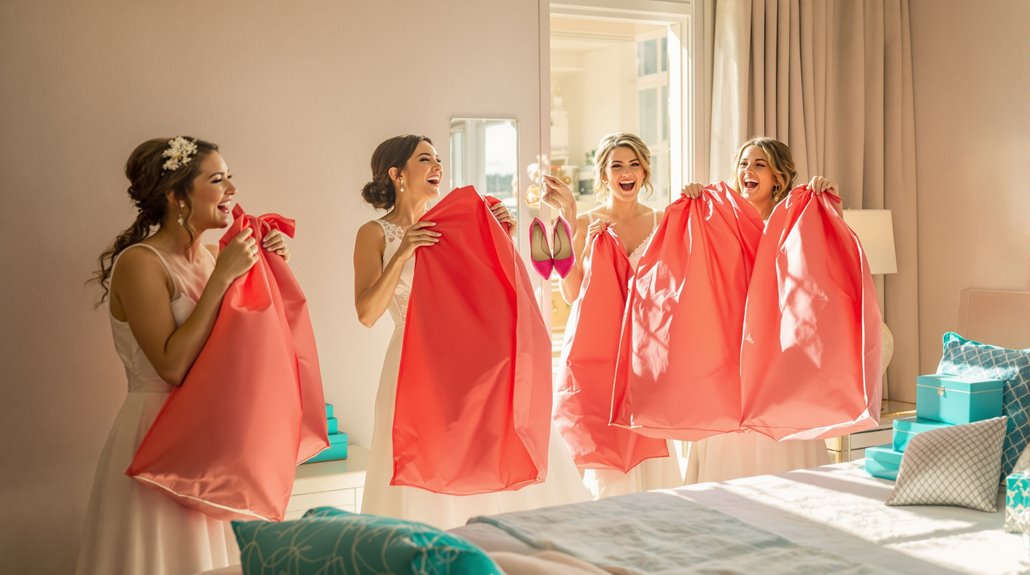
In the fast-paced world of wedding planning, a streamlined checklist is your secret weapon against chaos. You need a system that’s as sharp as your career instincts. Here’s how you execute it: Start by locking in dress styles 8-10 months out—it’s non-negotiable for avoiding panic. Use Google Forms like a pro to gather bridesmaids’ shoe sizes and jewelry preferences. Set a deadline for their responses and move on. Document every detail—from dress silhouettes to getting-ready outfits—in bridesmaid newsletters. Schedule fittings 2-4 months before the big day, ensuring everyone wears their wedding shoes and undergarments. Finally, make sure dresses are steamed and pressed on the morning of. Print this checklist, paste it everywhere, and accelerate your wedding planning momentum.
Common mistakes when applying this list
Your checklist is locked and loaded, but even the best-laid plans can go sideways if you’re not strategic. Avoid these common pitfalls:
- Underestimating Timeline: Don’t wait until the last minute. Start planning 6-8 months out to avoid rush fees and limited choices. Remember, alterations need 2-3 weeks, especially during peak wedding seasons.
- Budget Miscommunication: Be transparent about the budget from day one. Detail dress costs, potential alteration expenses, and any required deposits. Confirm everyone’s on the same page to prevent unexpected financial stress.
- Neglecting Individuality: One size doesn’t fit all. Offer multiple style options to suit different body types and skin tones. This approach not only boosts confidence but confirms your squad looks and feels great.
Strategically execute, and you’ll dodge drama.
FAQ
You’ve got a lot on your plate, but let’s cut to the chase: prioritize the non-negotiables like consistent color and timely ordering to guarantee smooth execution. Delegate tasks that don’t require your unique vision—think measurements and fittings—to save time and avoid burnout. Revisit your checklist monthly to keep momentum and stay on track; this project should enhance your wedding, not hijack it.
How do I prioritize if I can’t do everything?
How do you tackle an endless to-do list without losing your mind? Prioritize with precision. First, align dress choices with your wedding theme—jewel tones for sophistication, flowy maxis for boho vibes. Next, focus on silhouettes that flatter all body types. A-line dresses, anyone? They’re a surefire win. Now, pivot to fabric: chiffon and georgette for comfort and style. Remember, execution is key—lean into a cohesive color palette but embrace mismatched silhouettes for personal flair.
Incorporate input from your bridesmaids; their comfort equals confidence. Use a vision board to streamline decisions and keep everyone on track. Finally, keep your sanity by focusing on non-negotiables that get the job done. Now, execute with confidence and move forward seamlessly.
What’s the minimum I can do and still be safe/on-track?
Let’s cut to the chase: you want a streamlined bridesmaid dress process that doesn’t derail your life. Start shopping once you’ve got your wedding gown locked in—ideally nine months out. This gives you a comfortable six to eight months to nail down selections without panic. Order those gowns at least four to five months ahead. Trust us; alterations eat time like candy. Choose a color palette that complements your wedding vibe but isn’t a logistical nightmare—think jewel tones for versatility. Opt for A-line styles or mix-and-match silhouettes for body-type flexibility. Remember, your squad’s got preferences and budgets, so consult them. Your actionable next steps: set a timeline, pick a palette, and get those dresses ordered. Hustle on, efficiently.
What should I delegate vs own myself?
Ever wonder why you’re knee-deep in wedding chaos while others glide through? It’s all about knowing what to delegate and what to own. Focus on executing tasks central to your vision—like floral arrangements or choosing key vendors. These non-negotiables are yours to manage. Delegate research and prep to your team for non-critical tasks. Let them handle RSVP tracking or supplier confirmations. Leverage everyone’s strengths—assign creative friends to design, organized pals to timelines. Clear expectations and deadlines are your allies; use tools like Google Docs for seamless communication. Appoint a day-of coordinator to manage live-action chaos. Pivot your approach, and you’ll gain control, accelerate progress, and keep your sanity intact. Next step? Get those checklists moving!
How do I keep this from becoming a time sink?
Why let bridesmaid dress selection become a marathon when you can sprint through it with strategic finesse? First, establish a clear timeline—research styles and colors 8-9 months out, order 6-8 months ahead, and schedule fittings 3-4 months before the wedding. Use shared communication tools like group chats and spreadsheets to track progress—no more endless email threads. Set firm deadlines; everyone orders together to avoid mismatched dye lots. Limit choices by offering styles within a single palette. Choose ready-to-ship options if you’re tight on time. Account for logistics with virtual try-ons. Remember, this isn’t a dress rehearsal; it’s a mission. Reality Check: Overextending the timeline is a common trap, so stick to the plan and respect deadlines.
How often should I revisit this list?
You’ve sprinted through the bridesmaid dress selection with precision—now it’s time to make certain the whole process stays on track. Revisit this list at key checkpoints for a drama-free experience. Start 9-12 months before the wedding to capture your vision and lock in that theme. Hit the 6-8 month mark to finalize styles and schedule fittings—because no one wants a dress disaster. At 3-5 months, track arrivals and prepare for alterations. The 4-6 week check ensures everything fits and looks fab. Finally, 2 weeks out, confirm condition and logistics. Each revisit accelerates your momentum, keeping you ahead of potential pitfalls. So, grab your calendar and execute like a pro. Your mantra: plan smart, hustle hard.
Key takeaways
When it comes to bridesmaid dress selection, the key takeaways are all about precision and intentional decision-making. You’re not just picking dresses—you’re executing a strategic plan. Here’s how you streamline:
- Align with Theme and Venue: Choose fabrics and colors that complement your wedding vibe. Opt for chiffon in outdoor summer weddings or velvet for chic winter indoor venues. This isn’t fluff; it’s about comfort and cohesion.
- Prioritize Body Inclusivity: A-line or empire waist styles are non-negotiable for diverse shapes. Adjustable features guarantee everyone moves confidently and comfortably.
- Stick to a Timeline: Order dresses six months in advance. This isn’t just a ‘nice-to-have’—it’s a deadline that guarantees alterations and avoids last-minute stress.
Next step: Create a vision board with Pantone swatches.