
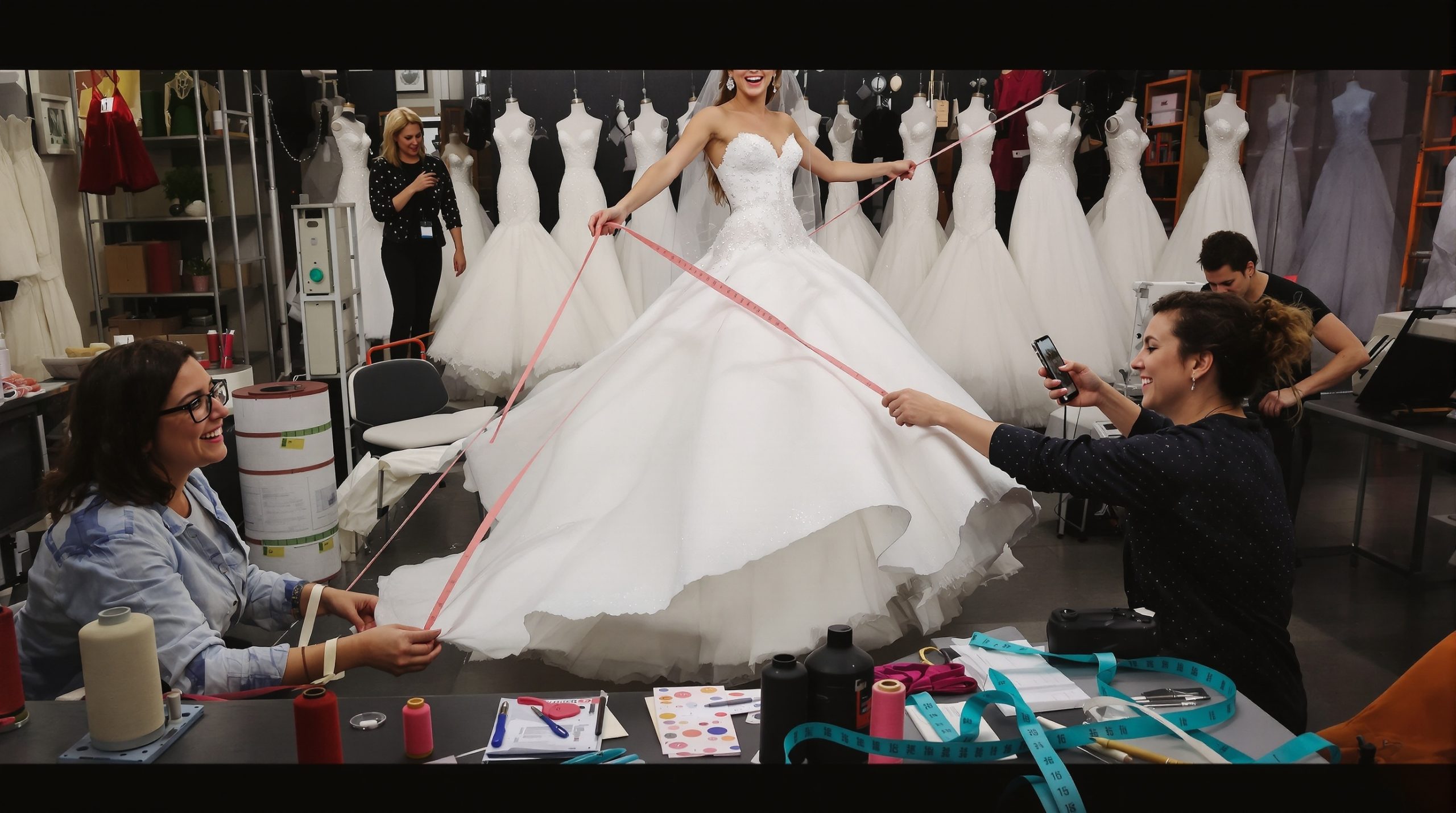
Here’s the no-nonsense distinction: Salon alterations scream streamlined convenience but have you surrendering a bit more cash—expect $10 to $700+ for complexity. Independent seamstresses? They’re cost-effective—$15 to $300ish—and tailor to your unique style effortlessly. Both deliver rock-solid quality, but knowing your priorities pivots your choice from chaos to control. Grab the decision-making matrix; it’s your best friend in predicting glitches before they crash your timeline. Stick around for deep insights.
Quick verdict: Salon Alterations vs. Independent Seamstress (who each is best for)
When it comes to choosing between salon alterations and an independent seamstress, think of it as a strategic decision in your wedding planning project. You’re not just picking who sews your gown; you’re executing a plan. Let’s break it down:
- Bridal Salon Alterations: These are best for streamlined convenience. You’ve got in-house experts ready to accelerate your fittings without the travel hassle. Plus, they offer pre-purchase estimates, making budget management a breeze. If you’re feeling decision fatigue from endless wedding options, using the salon’s built-in services can help simplify your planning.
- Independent Seamstress: Perfect for those seeking intimacy and cost savings. Enjoy one-on-one attention and a personalized touch without breaking the bank. Many specialize in wedding dress alterations, providing expertise that ensures a perfect fit.
- Alteration Options Comparison: Both have their merits, but it’s about what aligns with your hustle.
Make these decisions with precision, and your wedding outfit will be one less thing to stress about.
At-a-glance comparison: Salon Alterations vs. Independent Seamstress
Think of your wedding dress alterations as a game of chess, where each move needs to be strategic. Your alteration choices should be executed with precision, ensuring a streamlined process. Here’s a quick comparison to accelerate your decision-making:
| Aspect | Salon Alterations | Independent Seamstress |
|---|---|---|
| Quality | Trusted rapport; formal wear polishing | Intimate attention; decorative expertise |
| Cost | Higher due to convenience | Range $15-$200; more budget-friendly |
| Service | Pre-purchase estimates; convenience | Personalized sessions; strong trust |
You’re not here to be “bless and stressed.” Choose where your priorities lie: convenience and polish or intimacy and budget. Both paths offer unique gains. Pick your strategy wisely, pivot as needed, and get the job done with non-negotiable efficiency. Independent seamstresses often possess broader skills, allowing them to create a range of items, from custom garments to home decor, providing versatility beyond alterations. For couples trying to avoid unnecessary debt, carefully weighing cost and quality in your alteration choice can help keep your wedding budget on track.
Define the options (so you’re comparing the right things)
When you’re deciding between salon alterations and an independent seamstress, it’s vital to understand what each option offers. Salon alterations focus on quick wins like hem adjustments and zipper repairs, but don’t expect a complete garment reinvention. On the flip side, an independent seamstress is your go-to for personalized, head-to-toe transformations, tackling everything from intricate dress adjustments to major suit overhauls—no misconceptions, just strategically executed changes. Professional alteration services enhance the fit and comfort of clothing by adjusting garments to body contours, ensuring a tailored and polished appearance.
Salon Alterations: what it is, what it includes, and the common misconceptions
Let’s cut to the chase: salon alterations are your secret weapon for scoring a killer fit without diving into bespoke tailoring. They’re strategically executed tweaks—think hemming, waist adjustments, and sleeve shortening—that transform off-the-rack into runway-ready. You’ll get fittings and consultations to guarantee every stitch enhances comfort and appearance. Tailors handle everything from suit adjustments to wedding dress magic, focusing on precision and efficiency. Misconceptions? They’re not just for temporary fixes or minor tweaks. Salon alterations often deliver permanent, high-quality changes, rivaling independent services. For example, collections like Berta’s bridal designs showcase just how transformative expert alterations can be for wedding dresses and formalwear. They’re more budget-friendly than custom tailoring, perfect for the time-strapped professional who values results over fluff. With expert tailors providing services such as hemming, waist adjustments, and more, you can rest assured that your garments will receive the attention they need for a perfect fit. Ready to streamline your wardrobe? Book a consultation and watch your garments pivot from average to impeccable.
Independent Seamstress: what it is, what it includes, and the common misconceptions
While salon alterations might be your go-to for quick fixes, independent seamstresses kick it up a notch with custom creations that are anything but ordinary. These pros don’t just hem pants; they execute entire garments from scratch, strategically crafting dresses, gowns, and costumes with precision. Seamstresses offer a full range of services, from creating non-apparel items to adding intricate embellishments. Misconceptions abound—like thinking they’re less skilled than tailors or only handle simple repairs. Not true. They’re adept at complex constructions and can work with any fabric, including delicate ones. Think of them as the project managers of fabric, pivoting smoothly from design to execution. An independent seamstress not only creates garments but also plays a vital role in garment creation, ensuring quality and supporting the evolution of fashion. Want your wedding dress to stand out? An independent seamstress gets the job done. Ready to make your move? Contact a local pro today.
Cost breakdown (upfront vs hidden costs)
Let’s break down the real costs of alterations, so you know if you’re getting the most bang for your buck. Upfront costs are straightforward—think hem adjustments or zipper replacements—but hidden costs can sneak up on you like a surprise deadline, jacking up prices during peak wedding season or if you need a rush job. Whether it’s a salon or an independent seamstress, understanding what truly drives cost changes helps you make smart decisions without unnecessary stress. Skilled labor and expertise are foundational to costs, as complex alterations require specialized knowledge and techniques to maintain the garment’s appearance and fit. It’s also important to factor in vendor availability, since limited booking windows or scheduling conflicts can add premium charges or force you to accept less favorable terms.
Line-item cost comparison by tier/budget
When it comes to alterations, knowing where your dollars are going is non-negotiable. You need precision and clarity, not a guessing game. Let’s break down costs across tiers strategically:
| Tier | Salon Costs | Independent Costs |
|---|---|---|
| Basic Alterations | $10-30 per piece | $15-35 per piece |
| Mid-Level | $30-80 per job | $25-70 per job |
| Complex | $150-700+ per item | $60-300 per item |
Basic and mid-level adjustments are your budget-friendly zones. Complex work? That’s where prices accelerate. Salon costs include expertise premiums and peak season charges, while independent seamstresses may charge for intricate designs. It is important to factor alteration costs into your overall dress budget from the beginning, typically adding 20-30% of the dress cost for modifications. Stay sharp: a checklist guarantees no hidden fees surprise you. Ready to move forward? Plan ahead, and avoid rush fees.
What actually drives cost changes
Alteration costs can pivot faster than a bride on her third espresso. It’s all about understanding the elements that drive these changes. Think beyond the price tag and explore the nitty-gritty of what you’re paying for. Here’s a quick breakdown:
- Flat vs. Piecemeal: Flat fees eliminate surprise charges but exclude custom work. Piecemeal pricing escalates quickly with each individual alteration. The flat fee structure provides peace of mind, knowing all necessary alterations are covered without unexpected costs. In a similar way to service labor percentages in catering, the pricing model you choose can make a major impact on your final bill.
- Fabric Complexity: Lace and beadwork require delicate handling, pushing costs higher. Specialized materials like leather demand unique techniques, adding to expenses.
- Hidden Costs: Cheap work leads to uneven hems and puckered seams, causing costly redos.
Reality Check: Weighing the upfront costs against potential redos and poor-quality outcomes guarantees you make smarter, budget-friendly decisions. Choose quality where it counts.
Planning workload & logistics impact
When it comes to planning your wedding alterations, you’ve got two paths: salon or independent seamstress, each with its own logistics game. Salons streamline coordination but charge a premium for their structured timelines, while independents offer flexibility that can handle last-minute pivots like a pro. Consider your gown’s complexity and vendor availability—strategically align these with your schedule to guarantee everything’s executed without a hitch.
Time, complexity, and coordination differences
Maneuvering the whirlwind of wedding dress alterations requires a strategic approach. Bridal boutiques move swiftly, juggling multiple brides at once. Imagine a fast-paced, high-volume environment where standardization often overtakes customization. On the flip side, independent seamstresses offer a personalized experience, focusing their expertise solely on you. They provide flexibility and one-on-one fittings, allowing your dress to evolve with your vision without the pressure of a ticking clock.
- Boutique balance: Structured timelines but impersonal adjustments.
- Seamstress finesse: Tailored attention with flexible scheduling.
- Coordination chaos: Boutiques handle logistics; seamstresses need your active participation.
Reality Check: With boutiques, you’re buying efficiency at scale, but with seamstresses, it’s all about tailored precision. Decide which approach aligns with your wedding strategy. When weighing these options, consider how planning workload and logistical demands can impact your overall wedding experience, much like choosing between platforms such as WeddingWire and The Knot.
Vendor availability + flexibility considerations
Steering the world of wedding dress alterations is like managing a high-stakes project where vendor availability and flexibility can make or break your timeline. With boutique vendors, you’re tied to their bustling schedules, but they offer the advantage of pre-purchase estimates. Independent seamstresses, like those at Topaz Thimble, operate on lower volumes, offering personalized timelines and calmer studio settings. You’re not just fitting a dress; you’re executing a strategy.
- Boutique Challenges: Fixed hours and taxed services in Pennsylvania can complicate logistics.
- Independent Gains: Adaptable scheduling and reduced travel mean less hassle for fittings.
- Logistics Moves: Prioritize seamless drop-offs and pick-ups to keep your project on course.
Reality Check: Boutique taxes need budgeting foresight; independents require finding the right local fit. Remember that vendor availability can directly impact your planning workload and force adjustments to your overall wedding timeline.
Guest experience impact
Your guests’ experience hinges on strategic planning and precision in execution. At salons, familiar faces might offer comfort, but the bustle can create friction with limited privacy and rushed fittings. Independent seamstresses streamline the process by offering one-on-one focus, ensuring your entourage feels involved without the chaos—because let’s face it, the only drama you need is on the dance floor.
How guests perceive it + where friction shows up
When you’re juggling a career, wedding planning, and a social life that would make an extrovert envy, the last thing you need is friction messing with your big day prep. Salon alterations and independent seamstresses each offer unique guest experiences. You’ll find salon staff familiar, building trust, while independent seamstresses deliver personalized fittings in stress-free settings. However, finding a reputable seamstress can be tricky, sparking some selection friction.
- Convenience vs. Comfort: Salons offer predictability; seamstresses offer calm environments.
- Trust vs. Expertise: Tailors are formal, seamstresses creative. Both have pros and cons.
- Cost vs. Value: Salon prices are higher but predictable; seamstress rates vary but skip taxes.
It’s also worth noting that hidden fees are more common in salon settings, so always clarify what’s included before you commit. Reality Check: Evaluate your priorities—precision or creativity—and choose strategically.
Best-fit scenarios (choose based on constraints)
If your wedding timeline is tighter than your schedule, salon alterations offer strategic efficiency with pre-purchase estimates and on-the-spot adjustments—ideal for those who can’t afford to slow down. But if you’re on a mission to save without sacrificing style, an independent seamstress gives you one-on-one attention and budget-friendly pricing. Decide based on what constraints you’re facing: time or cost, then execute with precision.
Choose Salon Alterations if…
Opt for salon alterations when time is a luxury you can’t afford to squander. You’re a powerhouse, juggling career and wedding chaos, so efficiency isn’t just important—it’s non-negotiable. Salon alterations get the job done with speed and precision. Need to tailor that designer suit or rework a vintage dress? They’ve got you covered with their fabric expertise and complex alteration skills.
- Multitask Like a Pro: Combine dry cleaning and alterations in one go—strategically streamlined.
- Instant Wardrobe Refresh: Turn almost-perfect pieces into tailored perfection without endless fittings.
- High-Impact, Low-Stress: Seamlessly upgrade your wardrobe’s fit and look, maximizing your time and investment.
For even more efficiency, use a structured timeline to coordinate alterations with your other planning milestones and avoid unnecessary stress. Reality Check: Avoid last-minute rushes. Book appointments early to guarantee timely execution.
Choose Independent Seamstress if…
Choosing an independent seamstress turbocharges your wedding wardrobe strategy when budget constraints become a reality, but quality remains non-negotiable. You’re not about to let your budget dictate your style. If simple alterations keep you up at night, an independent seamstress gets the job done efficiently and affordably. You gain precise, individualized service without the salon premium. Need proximity? Local seamstresses mean less drive time—more coffee time.
- Simple Alterations: Ideal for basic hems and seam adjustments without the hefty salon tag.
- Personalized Attention: Enjoy calm, one-on-one fittings, building trust with your seamstress.
- Convenience: Nearby options mean less travel and flexible scheduling, aligning with your busy lifestyle.
Reality check: Avoid assuming all alterations fit this mold; complex designs require different expertise. For a wider selection of local professionals, browsing a wedding service professional marketplace directory can help you find the independent seamstress who best matches your needs.
Real-world scenarios (examples with numbers)
You’re planning a wedding with 150 guests on a $30,000 budget and have non-negotiable priorities like a killer dance floor and gourmet catering. You need to strategically allocate funds, so consider if those boutique alteration prices for your wedding dress are worth it or if an independent seamstress can execute the same quality for less. This isn’t about penny-pinching; it’s about making intentional decisions that maximize your day without sacrificing quality.
3 sample scenarios: guest count + budget + priorities
Let’s cut to the chase: when you’re juggling a high-octane career and a bustling wedding guest list, strategic choices on seamstresses can save both time and money. You’ve got a 50-guest event with a $300 budget? Independent seamstresses are your go-to, offering cost savings without a rush. Got 100 guests and need speed? Salons, despite higher prices, nail quick turnarounds. For 150 guests, prioritize reliability with salons; they’ll stick the landing with consistency. Here’s a quick breakdown:
| Guests | Budget | Priority |
|---|---|---|
| 50 | $300 | Cost Savings |
| 100 | $600 | Speed |
| 150 | $800 | Reliability |
Reality Check: Don’t get dazzled by savings—strategize for seamless execution. Choose what aligns with your non-negotiables.
Common mistakes (and how to avoid them)
When tackling wedding alterations, it’s all about choosing the right provider who gets things done—fast and flawlessly. Avoid these common pitfalls to streamline your process:
- Wrong Provider Choice: Independent seamstresses often offer faster turnarounds and lower costs than salons, which charge more and may lack continuity in fittings.
- Poor Timing: Alterations need strategic timing. Too early, and you risk changes; too late, and you’re at the mercy of delays.
- Inadequate Fitting Prep: Bring shoes and undergarments to fittings to guarantee accuracy. Skipping this step could lead to costly, time-consuming adjustments.
Execute your plan with precision and avoid unnecessary stress. The hustle is real, but with the right approach, you can pivot from “bless and stressed” to “cool and collected.”
Copy/paste decision matrix template
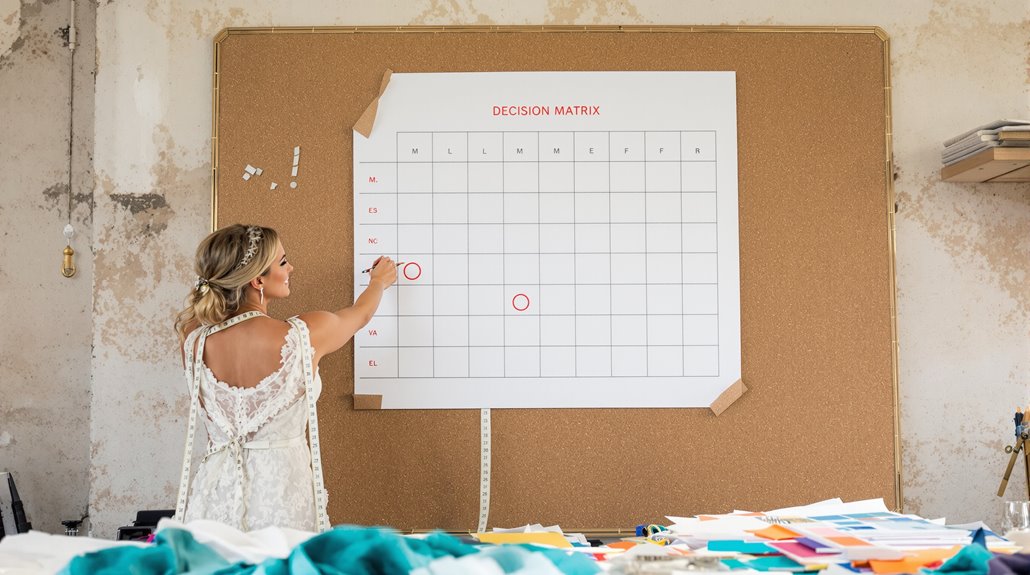
Choosing the right path for your wedding alterations shouldn’t feel like flipping a coin. Let’s streamline your decision with a copy/paste decision matrix template. You’re busy; we get it. The matrix breaks down key factors like cost, expertise, and convenience. First, list the pros and cons of salon versus independent seamstress: salons offer bridal expertise but at a premium, while independents bring flexibility and lower costs. Next, score each factor based on priority—what’s non-negotiable for you? Finally, add up the scores to reveal your best option. This isn’t romantic fluff; it’s strategic execution. Ready to pivot from indecision to action? Copy this matrix, fill it in, and let your choice accelerate your planning timeline like a pro.
FAQ (quick answers to common edge cases)
Stuck between salon alterations and an independent seamstress? First, streamline your decision by listing non-negotiables—time, budget, and style—and then ask vendors pointed questions to confirm your assumptions. If your guest count swings by 20%, pivot by revisiting timelines and budgets to accommodate changes, and always have a fallback plan in place—think backup seamstress or a flexible timeline to keep chaos at bay.
What if I’m stuck between two options?
Ever feel like you’re caught in a bridal alteration tug-of-war? Let’s strategically untangle this. On one side, boutique alterations offer convenience, with pre-purchase estimates and a reputation for polished finishes. On the flip side, independent seamstresses deliver personalized craftsmanship and one-on-one attention, often at a lower cost. Your decision? Weigh these factors: Is convenience a non-negotiable for you, or does a tailored, intimate experience hold more value? Analyze your timeline—boutiques can move faster, ideal for tight schedules. Consider taxes, too; Pennsylvania adds them to boutique services at purchase locations. Ultimately, evaluate reviews and expertise, then make an intentional choice. Use a decision matrix to weigh pros and cons. Remember, efficiency is key, so choose what truly aligns with your vision.
What’s the easiest way to reduce risk with either option?
Imagine you’re evaluating bridal alteration options like a seasoned project manager—you’re clear, decisive, and ready to mitigate risk like a pro. To reduce risk, start by scrutinizing credentials and portfolios. Verify seamstress training and bridal specialization through documented records. Check portfolios for intricate work on high-value gowns. Next, explore client references, focusing on those with similar high-stakes needs. Look for consistent satisfaction in communication and turnaround times. Contracts are non-negotiable—demand detailed cost estimates and timelines. Don’t pay everything upfront; secure liability clauses for $2K dresses. Test skills with minor alterations first to gauge precision. This strategic approach guarantees your dress is in expert hands. Your next move? Set up a trial run to assess skill firsthand.
What should I ask vendors to confirm assumptions?
How do you guarantee your bridal gown alterations are handled by a pro who gets the job done? Start by asking about their years of experience in bridal alterations. Demand proof: photos of past work, especially complex fabrics like lace or beading. Ascertain they’ve tackled similar gown styles. Ask for references from recent brides—real-world testimonials matter. Get a detailed quote breaking down each alteration type, including any potential rush fees. Are there savings compared to salon rates? Yes? Good. Confirm that they can handle any gown, regardless of where you bought it. Finally, pin down their timeline: how long from first fitting to final stitch? Six weeks or more is your sweet spot. Next steps? Strategically compare these insights across vendors.
What changes if my guest count swings by 20%?
When your guest count swings by 20%, it’s not just a numbers game; it’s a logistical pivot that demands swift action. First, alert your wedding planner and caterer for instant menu and staff tweaks. Don’t forget the venue; reconfigure seating and space. Adjust rentals—tables, chairs, linens—because even chairs have a headcount. Notify the florist for centerpieces and boutonnieres; they don’t multiply themselves. Check vendor agreements for minimums and potential penalties. On the budget front, more guests mean escalated food and staffing costs. Fewer guests? Sweet, reallocate funds wisely. Scale decor to fit the new headcount. Execute these changes swiftly, and keep a budget cushion for the inevitable last-minute curveballs. Reality Check: Overlooked details can inflate costs faster than a soufflé.
What’s the best fallback plan if something goes wrong?
Even the best-laid wedding plans can hit a snag, but don’t stress—get strategic. First, assess the situation calmly. Put on those wedding shoes and document any fit issues with photos and notes. Is it a weight fluctuation or just botched sizing? Time to pivot. Schedule a consultation with a seasoned bridal seamstress—6-8 weeks pre-wedding is ideal for fixes. Discuss options like letting out seams or adding panels. Got a minor issue? Consider quick fixes like garment tape or discreet straps. Multiple fittings are non-negotiable; they guarantee your dress moves flawlessly. Delegate tasks to friends, practice deep breathing, and remember: most issues get resolved with planning. Final note? Start early—procrastination isn’t your wedding’s friend.
Next steps: make the decision + execute the plan
Once you’ve gathered all the intel, it’s time to make the call: salon or independent seamstress? Strategically weigh your options based on quality, cost, and timeline. Salons offer streamlined services with established accountability but may lack the meticulous attention you crave. Independent seamstresses, on the other hand, provide personalized focus, perfect for intricate designs.
Salon or seamstress? Weigh quality, cost, and timeline before making your choice.
Here’s how to execute your plan:
- Set a Budget: Factor in all costs, including potential sales tax.
- Assess Complexity: If your gown’s a fabric diva, lean on an independent seamstress.
- Prioritize Timing: Need a fast turnaround? Salons might be your go-to.
Reality Check: Don’t get bless and stressed—pick what aligns with your project management mindset and execute it without looking back.