
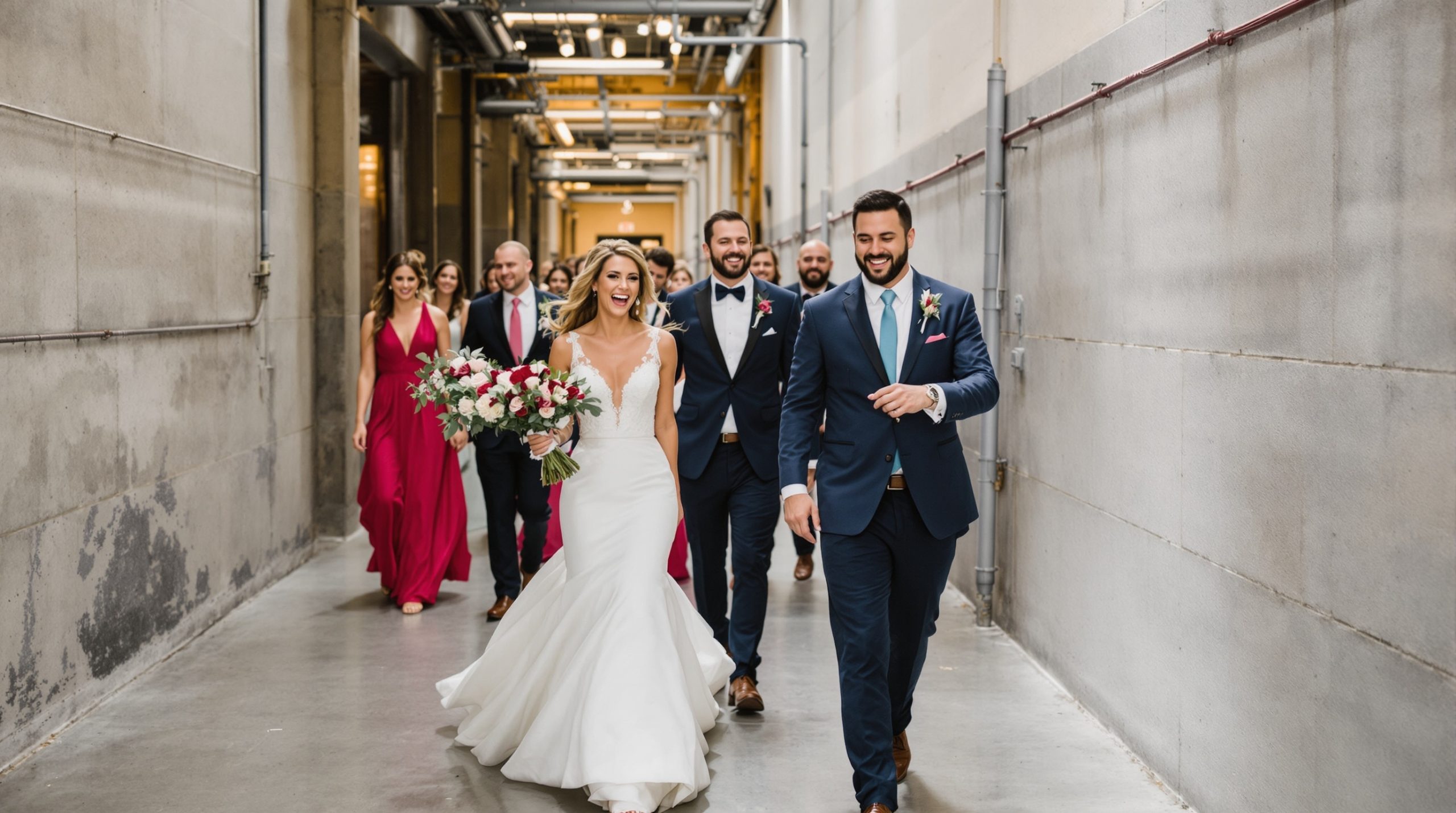
Short ceremonies respect your guests’ time and attention, keeping them engaged without lulling them into a marathon of boredom. They’re not about cutting corners; they’re about executing a wedding that’s both meaningful and efficient. With less physical and mental fatigue, your guests will thank you by enjoying themselves instead of making a mid-ceremony getaway. Want to sidestep aimless traditionalism and sideline tired clichés? Eyeing actionable strategies can take you into serious upgrade territory.
The thesis (what people get wrong)
Let’s get real: the notion that longer wedding ceremonies automatically translate to more meaningful experiences is a myth ready for debunking. Ceremony length doesn’t equal guest experience quality—short ceremonies are where the magic happens. You think more time means more memories? Think again. Long ceremony problems, like guest fatigue and dwindling attention spans, tank the vibe faster than a Monday morning meeting. Short ceremony benefits are clear: they keep things lively, leaving your guests engaged and present. Remember, it’s not about how long you can stretch vows but how well you can strategically execute a streamlined event. Prioritize intentional decisions over drawn-out traditions. Want your guests to leave with smiles, not yawns? Keep it concise and impactful. Pivot toward efficiency, and your wedding gains memorable meaning. In an era where micro weddings are gaining popularity, couples are learning that less can truly be more, emphasizing quality over quantity. Smaller guest lists can significantly enhance budget efficiency for hosts by reducing overall costs, allowing for more personalized and memorable experiences.
Why this happens (the real root causes)
When you’re caught up in the whirlwind of wedding planning, it’s easy to lose sight of why shorter ceremonies just make sense. The ideal ceremony length isn’t about tradition; it’s about strategically managing your guests’ energy and focus. Here’s why:
Caught in the whirlwind of wedding planning? Shorter ceremonies strategically manage guests’ energy and focus.
- Physical Fatigue: Long events exceed endurance, draining guests over 8-12 hour marathons. Fewer attendees mean less movement and strain.
- Mental Stress: Lengthy receptions amplify stress, with pressure to meet expectations. Micro weddings cut vendor hassles by 15 hours.
- Logistical Burden: Complex setups demand extensive coordination. Smaller scales streamline decisions, reducing overwhelm. Smaller weddings not only offer these logistical advantages but also create a more intimate and memorable experience for everyone involved. Engaging vendor assistance can further ease the planning process, ensuring a seamless execution of your vision.
Executing a shorter ceremony isn’t just kind—it’s a non-negotiable move for ambitious couples. Ready to pivot to efficiency? Start by trimming the guest list and focusing on quality over quantity.
What to do instead (the better framework)
If you’re looking to dodge the wedding chaos and embrace streamlined brilliance, it’s time to pivot from the cookie-cutter approach and adopt a smarter framework. Forget about sprawling guest lists and industry fluff. Instead, focus on a strategy that truly respects your time and sanity:
- Trim the Guest List: Smaller weddings not only slash costs by over 50% but also enhance intimacy, allowing you to engage with every attendee—no awkward stranger interactions here. Smaller weddings feel more spontaneous and personal, offering a unique atmosphere that makes the day memorable for both you and your guests. Consider leveraging hustleandbustleevents to plan a wedding that minimizes stress and maximizes enjoyment.
- Simplify Logistics: Fewer guests mean fewer headaches. Coordinate travel and accommodations with ease, turning the dreaded logistics into a breeze.
- Enhance Quality: Use savings to elevate the experience—splurge on renowned chefs or indulge in a honeymoon upgrade. It’s all about quality over quantity.
Ready to execute? Get moving—those spreadsheets won’t fill themselves!
How to apply it in real life
You’re slammed with work and suddenly realize you’ve got 200 names on your guest list—time for a strategic pivot! Execute a streamlined approach by halving that list, gaining $15,000 and breathing room in both your schedule and budget. Or, envision this: you’re in a high-stakes scenario with a venue mix-up; pivot to a cozy restaurant that fits your new, intimate vibe and still gets the job done—bonus, you’ll secure rates that won’t leave you bless and stressed. Smaller gatherings can reduce stress levels during the planning phase, allowing you to focus on what truly matters for your special day. Remember, maintaining open lines of communication with all involved parties ensures smooth execution and prevents confusion.
Example 1: a common scenario + the better move
Envision this: a sprawling outdoor wedding, the sun’s beating down mercilessly, and guests are wilting faster than your uncle’s homemade boutonniere. You’ve orchestrated a beautiful event, but the heat’s turning it into a test of endurance rather than a celebration. Here’s a power move: streamline your ceremony to 20-30 minutes. Why? It’s simple—guest comfort skyrockets when you cut the fluff. Schedule vows at sunset when it’s cooler, and follow up with misting fans and water stations. It’s a no-brainer that keeps guests happy and hydrated. Smaller guest counts allow for creative venue options that enhance the overall wedding experience, making it easier to implement these comfort measures.
Next steps? Draft a quick timeline—ceremony, then shaded reception. This isn’t just about saving guests; it’s about executing a wedding that respects their time and keeps energy levels high. Pivot to smart choices, not tradition.
Example 2: a high-stakes scenario + the better move
When the stakes are high, like a medical emergency during a wedding, execution matters more than tradition. Imagine maneuvering a heart attack in a room packed with 131 guests—chaos. Large gatherings delay medical aid, risking serious outcomes. Opt for a micro wedding, where fewer guests mean quicker response times and less hassle. It’s a game-changer when every second counts. Strategically shrinking your guest list isn’t just efficient; it’s a lifesaver. Smaller crowds, faster pivots—that’s the hustle. And let’s be real, nobody wants dehydration drama or coordination chaos. Your wedding is a project, not a wishful Pinterest board. Execute with precision, and your guests will thank you during and after the vows. In recent years, the rise of micro weddings reflects a shift towards valuing quality time over quantity of guests. Personalized wedding trends can ensure that even a small gathering feels uniquely yours, reflecting your story and authenticity. Reality Check: Prioritize safety over spectacle.
Example 3: a ‘we’re busy’ scenario + the better move
Planning a wedding when both of you are juggling full-time careers might feel like adding a second job to your already packed schedules. Skip the chaos and opt for a micro wedding. It’s a strategic choice that cuts stress by reducing logistics and planning time. With an intimate guest list, you’ll focus on meaningful interactions, leaving the “bless and stressed” moments behind. Smaller gatherings mean more attention for each guest, creating profound memories without the wedding day blur. Plus, you’ll slash costs by over 50%, freeing funds for what truly matters—like that epic honeymoon. Pivot to a weekday ceremony to avoid peak venue rates. Remember that venue and catering can consume a significant portion of your budget, so making strategic choices here can lead to substantial savings. Get your plans executed with Kinetic Precision Confidence. Next step? Draft that streamlined guest list.
Counterpoints (when the old way is actually fine)
Despite the allure of streamlined ceremonies, sometimes the old-school way still holds up, and here’s why you might want to reconsider scrapping tradition entirely. Traditional ceremonies pack a punch in ways you can’t overlook:
- Marital Stability Gains: Christian ceremonies correlate with higher marriage stability (r = 0.758). Those vows? They aren’t just words—they’re a foundation.
- Family Bonding Boosts: Large weddings are like family reunions on steroids. They merge support networks and foster emotional bonds amidst all that hustle. Weddings serve as grand communal events that reinforce social structures, highlighting their historical significance. A traditional ceremony can also serve as a strategic alignment checkpoint, ensuring that both families are on a shared path for the future.
- Community Support Network: A massive ceremony isn’t just a show—it’s a gathering that reconnects friends and strengthens your social safety net.
Action plan (do this next)
- Save over 50% on traditional costs.
- Invest in what matters—quality photography or an epic honeymoon.
- Use per-guest savings for premium upgrades.
Consider guest list strategies to manage your invitations effectively, keeping costs in check while maintaining meaningful connections.
Forget the overwhelm; this plan minimizes stress and maximizes meaning. So embrace those spontaneous moments and engaging conversations. Your guests will thank you, and you’ll savor every second with kinetic precision. Now, go execute!
Visual summary you can share
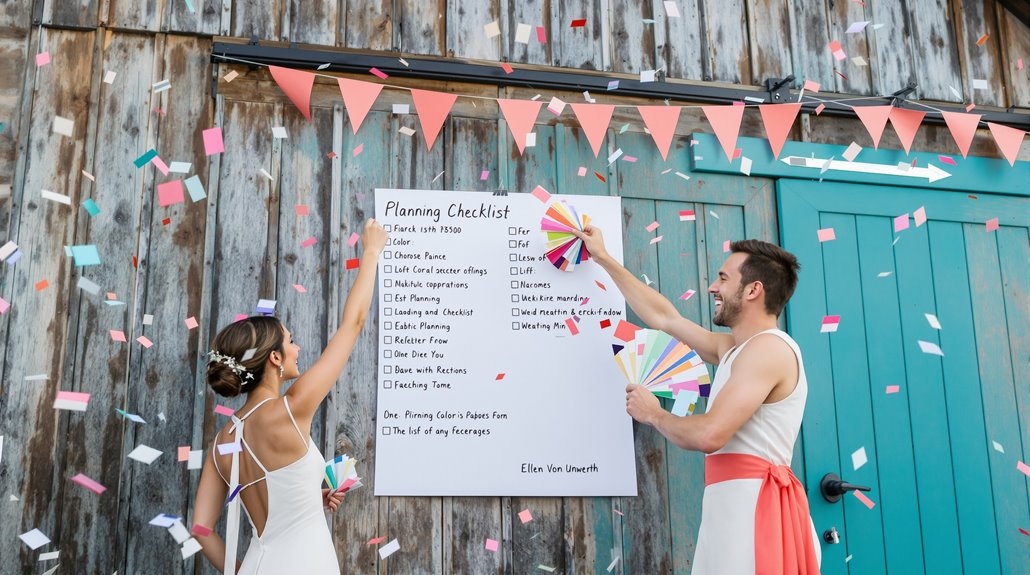
How do you transform wedding stress into streamlined success? Let’s talk visual summaries. Imagine an infographic that cuts through the noise, making wedding decisions a breeze. You’re managing a high-stakes project, not hosting a Pinterest pageant. Highlight key metrics: 50% cost savings, 35% less planning time, and intimate vibes that get the job done.
Use bullet points to showcase benefits: strategic flexibility, reduced logistical headaches, and unforgettable guest experiences. A pie chart showing cost savings—$15-40K less than average—speaks volumes. Visualize stress reduction with a checklist of stress-free moments you’ll actually savor.
Create a table comparing micro vs. traditional weddings. Share it. Let’s pivot from chaos to clarity. Remember, reality check: don’t overlook quality for quantity. Now, go execute with precision. Consider that catering and beverages can consume 40-45% of your budget, making it a prime area for potential savings.
FAQ
Facing pushback from family or vendors? Execute a strategic pivot by re-aligning your priorities and looping in your partner—your dynamic duo can tackle this head-on. If you’ve already made a ‘wrong’ call, the fastest course-correct is an honest chat with your team and a streamlined checklist to regain control.
What if my family/vendors push back?
When your family or vendors start pushing back against your streamlined wedding plans, it can feel like you’re stuck in a tug-of-war between tradition and innovation. But don’t fret—strategically executed plans can win them over. For family, highlight the benefits: improved guest experiences and meaningful interactions. Share stats—small weddings are on the rise, saving 50% in costs. Offer a post-ceremony brunch to appease broader family connections.
Vendors? They’re concerned about revenue. Explain your priorities and pivot to off-peak days like Fridays or Sundays for discounts. Channel saved funds towards killer photography or a swoon-worthy honeymoon. Remember, this is your event, and it’s about quality over quantity. Now, execute those streamlined plans with confidence and keep that momentum going.
What if I already made the ‘wrong’ decision?
You might feel like you’ve boarded the wrong train, but guess what? It’s all about the pivot. Switch to a micro wedding and you’ll save big—up to $40,000. That’s a strategic move, slashing guest numbers and gaining back control. More than just a budget-friendly decision, it speeds up planning. We’re talking a streamlined 6-8 month process instead of a drawn-out year. Less logistics means less stress, less family drama, and more time to savor those precious moments. Smaller gatherings also open up unique venue options—think chic historic buildings or quirky, intimate spots. Your wedding becomes a platform for meaningful connections rather than a logistical nightmare. So, what’s stopping you? Embrace the change and seize the benefits.
What’s the fastest way to course-correct?
Already made a decision you regret? No worries, we’ve got your back. The fastest course-correction? Slash that guest list. It’s not just about cutting costs—it’s about streamlining your wedding to fit your life. Trim the headcount, and you’ll save on meals, venues, and invitations. Micro-weddings can chop costs by over 50%, freeing up funds for what truly matters—like a killer photographer or an epic honeymoon.
Next, consider non-traditional days. Friday, Sunday, or even a cheeky Wednesday wedding can open doors to better venues and rates. Finally, simplify logistics. Fewer guests mean less hassle and more focus on meaningful moments.
Ready to pivot? Grab your checklist, prioritize intimacy, and execute with precision. You’ve got this—let’s move!
How do I get my partner aligned?
Getting your partner on board with a new wedding plan isn’t as hard as it seems. Start by showcasing the benefits of a micro wedding: less stress, budget efficiency, and enhanced guest experiences. Highlight how fewer logistics mean more time to enjoy pre-wedding moments, while a smaller guest list reduces costs by over 50%. Emphasize the flexibility—quicker venue changes, creative themes, and weekday availability. Sell the idea of intimate, cherished memories with meaningful conversations and stronger family ties. Present these as strategic moves, not just dreamy notions. Use timelines and checklists to demonstrate streamlined execution. Remember, it’s about making intentional decisions that get the job done. Next, schedule a sit-down to discuss these advantages and align on priorities.
What’s the easiest win I can do today?
When tackling wedding planning, your easiest win today is to cut the clutter—strategically trim that guest list. Fewer guests means streamlined logistics, less family drama, and a deeper connection with each attendee. Imagine savoring your wedding moments without juggling hundreds of faces. Micro weddings aren’t just a trend; they’re a tactical pivot that accelerates planning and slashes costs by over 50%. You’re not compromising—you’re executing with precision. With fewer moving parts, your day becomes a masterpiece of controlled chaos. So, grab that guest list and start slicing. Focus on those who matter, not just the plus-ones. Next step? Use a checklist to track RSVPs and finalize numbers. You’ve got this—like a pro managing a high-stakes project.
Key takeaways
Planning a wedding doesn’t have to feel like wrangling cats at a circus, does it? Let’s cut through the clutter and keep it streamlined, shall we? Shorter ceremonies are a win-win for everyone. Here’s why:
Streamline your wedding planning; shorter ceremonies benefit everyone.
- StressReduction: Micro weddings mean fewer logistics and decisions, keeping stress levels low and freeing up space for those enjoyable extras like open bars.
- GuestExperience: With a smaller crowd, you can actually engage with your guests, making each one feel special—no more wedding day amnesia.
- CostSavings: Micro weddings often cut costs by 50%, allowing you to splurge on what matters—be it photography or a killer honeymoon.
Accelerate your planning with a focus on these key takeaways, and you’ll have a celebration executed with kinetic precision.