
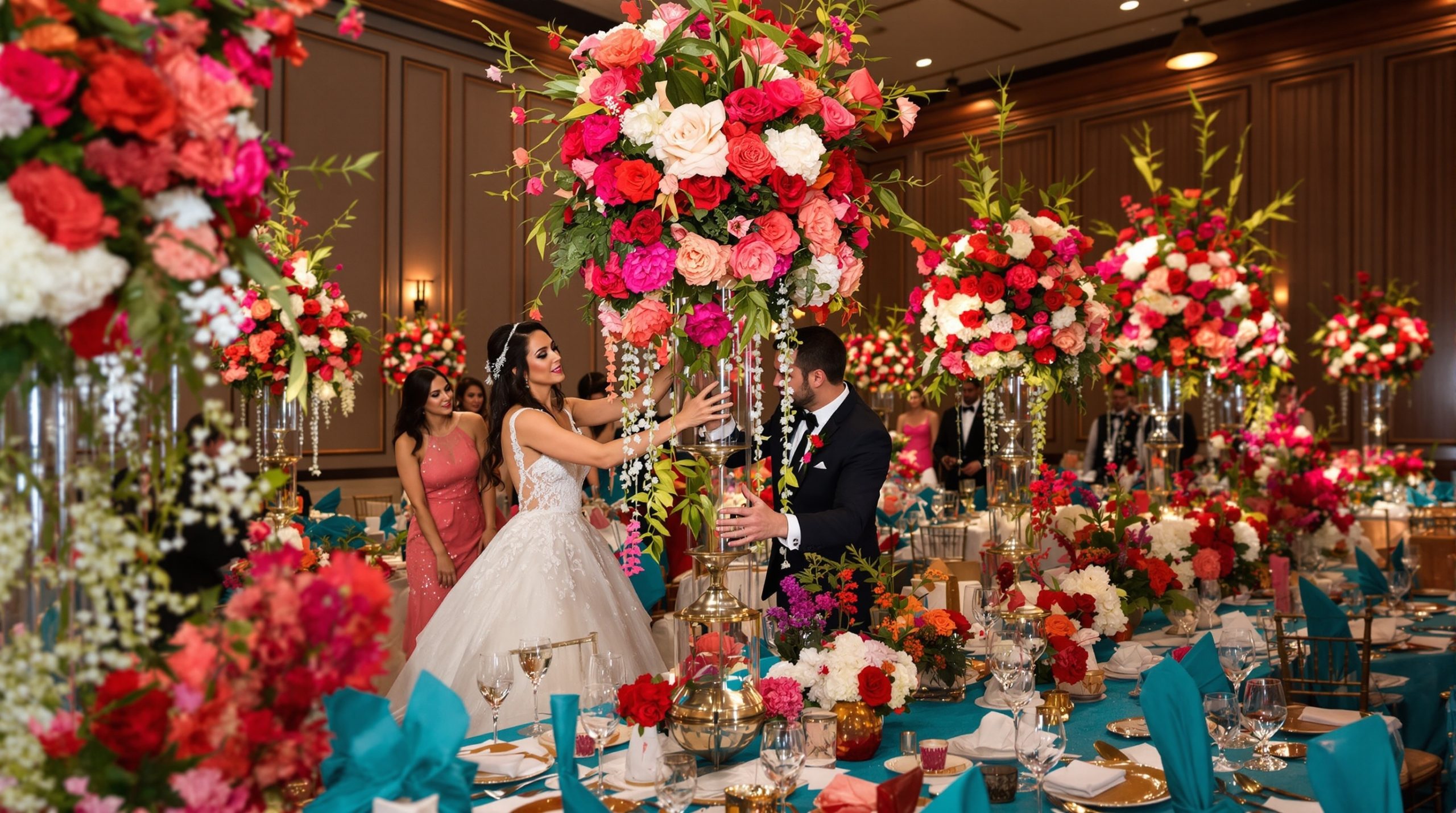
Tall centerpieces wow with drama, but they can block conversations like a clunky conference call. Low centerpieces? They keep sightlines clear and chats flowing—essential for strategic engagement at any event. Mixing heights adds visual interest but can complicate logistics. Prioritize seating view tests and size fittings before showtime. These decisions are about streamlined execution, not just pretty décor. Dig deeper and discover how to tackle hidden costs and logistical pitfalls like a pro.
Quick verdict: Tall Centerpieces vs. Low Centerpieces (who each is best for)
When it comes to centerpieces, the choice between tall and low designs isn’t just about aesthetics—it’s a strategic decision that impacts your entire event’s vibe. You’re not just setting the table; you’re setting the mood. Tall centerpieces are your go-to for grandeur, commanding attention and adding drama. However, if meaningful guest interaction is a non-negotiable, low centerpieces under 14 inches keep conversations flowing without obstruction. Mixing heights balances the overall look of the reception space, ensuring that both visual interest and guest interaction are maintained. Industry trends, which shift every 18 months, also play a role in centerpiece choices, as staying ahead of the curve can make your event standout.
Tall centerpieces add drama, while low designs ensure unobstructed conversations and foster guest interaction.
- Tall vs short centerpieces: Tall adds drama; short encourages intimacy.
- Guest interaction: Low designs foster cozy connections.
- Centerpiece height comparison: Tall over 24 inches clears eyeline.
- Execution strategy: Mix heights for depth and visual interest.
Think of it as a project management move—plan your centerpiece heights like you plan your next big deal.
At-a-glance comparison: Tall Centerpieces vs. Low Centerpieces
While you might think centerpieces are just floral fluff, they’re actually the unsung heroes of wedding design—strategically influencing everything from guest interaction to the overall vibe of your event. Centerpiece height is a non-negotiable factor in your centerpiece design choice. Tall centerpieces accelerate visual drama, drawing eyes upward and filling vertical space. But beware, they can obstruct views if not executed carefully. Low centerpieces, however, streamline conversation, ensuring clear sightlines and a cozy atmosphere. Additionally, short or low centerpieces can double as guest favors, adding a personal touch to the dining experience. Here’s a quick comparison:
| Factor | Tall Centerpieces | Low Centerpieces |
|---|---|---|
| Visual Impact | Dramatic, luxurious | Intimate, charming |
| Conversation Flow | Potentially obstructive | Unobstructed, easy |
| Cost Considerations | Generally higher | Cost-effective |
| Setup and Transport | More complex | Easier and quicker |
Next steps: Decide your priorities—drama or dialogue?
Define the options (so you’re comparing the right things)
Let’s keep it real: understanding tall versus low centerpieces isn’t just about aesthetics—it’s about executing a strategy that enhances guest interaction and venue vibe. Tall centerpieces include dramatic floral towers that draw eyes upward but can block conversations if not strategically elevated; don’t let common misconceptions fool you into thinking all height means is grandeur. Low centerpieces, on the other hand, are about intimacy and coziness, but they’re not just budget-friendly fluff; they need to be lush and full to avoid getting lost in expansive spaces. Low centerpieces are often more cost-effective and easier to arrange, making them a popular choice for couples looking to maximize their budget without compromising on style.
Tall Centerpieces: what it is, what it includes, and the common misconceptions
Tall centerpieces aren’t just decorative fluff; they’re strategic tools that elevate your wedding vibe—literally. They’re designed to draw eyes upward, adding dimension and grandeur without cluttering your tablescape. Think of them as visual power players: tall, thin formations using clear vases or sleek metal pedestals that scream sophistication. They’re not conversation roadblocks if executed with negative space and transparency in mind. Forget the myth that they need to be flower-heavy; wispy materials like pampas grass get the job done without the bulk. And mixing heights? That’s a non-negotiable move for dynamic energy. These centerpieces fit both opulent ballrooms and intimate settings. When considering tall centerpieces, spacing them effectively can save costs while adding visual interest. Ready to streamline your wedding aesthetics? Prioritize transparency, elevation, and strategic design for maximum impact. To enhance guest satisfaction, it’s important to remember that visual impact and presentation play a critical role in setting the mood and leaving a lasting impression.
Low Centerpieces: what it is, what it includes, and the common misconceptions
Low centerpieces aren’t just a backup plan; they’re a strategic choice for couples who value seamless conversation and eye contact across the table. Executed with lush designs just 12 inches high, they prevent awkward peeking around floral barricades. Think fresh blooms and greenery tucked into sleek compotes or vases. You’re not sacrificing style; you’re streamlining it. Misconceptions? Let’s debunk them. Low doesn’t mean skimpy. These setups can be as lush as any tall arrangement and don’t always cost less. The budget pivots around floral choice and arrangement complexity. Plus, they’re versatile—repurpose them easily for lounges or cocktail areas. Low centerpieces align well with the decision framework for prioritizing meaningful investments over showy extras. Best suited for venues with low ceilings, they avoid a cramped feel and enhance the intimacy of the gathering. Next step: Draft a checklist to assess your venue’s ceiling height and conversation priorities. Make those centerpieces work for you, not against you.
Cost breakdown (upfront vs hidden costs)
When you’re mapping out your centerpiece budget, knowing the real costs—both upfront and hidden—can save you from sticker shock later. Tall arrangements look stunning but pack extra costs in flowers and structural supports, while low options might seem cheaper yet can sneak in with labor or setup fees. Service charges, typically ranging from 15% to 25%, can also increase the overall cost of your centerpiece budget. By strategically mixing tall and low designs and considering greenery garlands, you can execute a killer look without burning through your budget. Prices for centerpieces vary by region and florist, which means it’s important to get quotes from multiple sources to ensure you’re getting the best deal possible.
Line-item cost comparison by tier/budget
Let’s cut through the floral fog and get straight to the numbers. When you’re crunching costs, it’s essential to know where your dollars are moving. Here’s a quick-hit comparison:
| Tier/Budget | Tall Centerpieces | Low Centerpieces |
|---|---|---|
| Average Cost/Table | $150–$350 | $75–$200 |
| Simple Setup | $75 (vase) | $45 (candles) |
| Larger Arrangements | $150–$250 | $90 (greenery) |
| Upfront Materials | $15–$35 (vases) | $35 (wreath) |
| Hidden Costs | Stability labor | Setup $150 |
Strategically maneuvering these numbers helps you pivot between tall grandeur and low elegance without overspending. Tall centerpieces create vertical elegance and drama, making them ideal for venues with high ceilings. Reality Check: Mixing centerpiece heights can optimize costs but adds complexity. Additionally, service labor costs can significantly affect your budget, as they typically account for 18-22% of the total bill. Ready to streamline your floral ambitions? Start with a detailed checklist.
What actually drives cost changes
While wedding magic might seem like it happens with a wave of the floral wand, what’s really driving those centerpiece costs are the nitty-gritty details beneath the surface. You can’t ignore the material and labor fees that pile up faster than your inbox on a Monday morning. Here’s the breakdown:
- Real Flowers: Opt for peonies and orchids, and watch costs soar from $20 to $100 per centerpiece.
- Labor and Design Fees: Setup, teardown, and design expertise aren’t freebies; they add substantial weight to your budget.
- Equipment Rental: Gold stands and lanterns, rented or bought, can pivot your budget dramatically.
- Hidden Costs: Overhead and packaging sneak into your final tab, silently inflating expenses.
Considering the total cost for 10 tables could be $260–$1,200, the choices you make in materials and design will significantly impact your budget. A strategic placement of resources ensures every dollar aligns with your priorities, offering transparency and preventing unexpected expenditures. Focus on these elements, and strategically manage your wedding costs.
Planning workload & logistics impact
Planning centerpieces isn’t just about aesthetics; it’s about streamlining time, tackling complexity, and mastering coordination. You need vendors who can pivot at a moment’s notice, and trust me, not all florists are ready for that hustle. Keep your timeline tight, use a checklist like a pro, and guarantee your vendor partners are as flexible as your yoga instructor—because “bless and stressed” is not our mantra. Establishing designated communication channels ensures vendors are responsive and aligned with your vision, keeping the planning process seamless and stress-free.
Time, complexity, and coordination differences
Maneuvering the intricacies of centerpiece choices is like orchestrating a high-stakes business meeting—every detail matters. Tall centerpieces demand more design time and structural stability planning, leading to increased labor fees. You’ll need to strategize around sturdy mechanics and precise placement to avoid obstructing views. Low centerpieces, however, streamline the process with fewer materials and simpler logistics, allowing for seamless transport and setup. They’re perfect for venues with low ceilings or intimate settings, accelerating your planning pace. Vendor-provided rentals offer the convenience and reliability needed for both centerpiece types, ensuring a stress-free experience.
- Tall designs require more labor and materials.
- Low profiles simplify logistics and planning.
- Mixing heights involves strategic balancing.
- Elevated arrangements demand precise coordination.
Reality Check: Focus on execution and strategic decisions. Opt for streamlined choices that get the job done without unnecessary stress.
Vendor availability + flexibility considerations
You’re in the thick of centerpiece decision-making, and now it’s time to tackle vendor availability and flexibility like the boss you are. Forget the fluff—focus on execution. The party supplies market is booming, and with an open vendor policy, you’ve got the power to strategically pivot between options. Immerse yourself in online directories for rapid comparisons and snag the best deals via bulk discounts from hypermarkets. Use e-commerce for a streamlined selection process—it’s all about efficiency.
- Define scope early: List services, budget, dates, and venue constraints.
- Centralize communication: Assign a single point of contact.
- Check availability first: Shortlist vendors, then ask about pricing and services.
- Leverage logistics platforms: Track equipment timing and resolve issues in real-time.
Reality Check: Don’t underestimate planning workload. Strategic vendor choices keep you ahead. Consider that venue and catering can consume 45% of the total budget, so planning efficiently and prioritizing spending is crucial.
Guest experience impact
When it comes to centerpieces, your guests’ experience hinges on strategic execution. A low centerpiece creates a streamlined flow, allowing conversations to accelerate without visual barriers. However, poorly placed tall arrangements might block those all-important sightlines and become non-negotiable friction points.
How guests perceive it + where friction shows up
Even in the whirlwind of wedding planning, the guest’s experience hinges on the visual and social dynamics at the table, and centerpieces play a pivotal role here. Low centerpieces are your go-to for maintaining easy eye contact and promoting cozy interactions. They’re streamlined, creating an inviting atmosphere without blocking views. Conversely, tall centerpieces, if executed without precision, risk obstructing sightlines, demanding extra staff for setup, and can feel less personal. Guests might perceive tall arrangements as grand but distant.
- Low centerpieces foster intimacy and connection.
- Tall centerpieces can disrupt table dynamics if not strategically placed.
- Mid-height arrangements are a visibility nightmare—avoid them.
- Alternate heights to balance dramatic flair with conversation ease.
When budgeting for your wedding, remember to allocate 28-32% for venue expenses, as these costs can significantly impact other areas such as decor and centerpieces. Reality Check: Tall pieces need strategic placement to avoid being conversation killers.
Best-fit scenarios (choose based on constraints)
You’re juggling a venue with towering ceilings and want that wow factor? Go tall with centerpieces that rise above, adding drama and making the space feel cohesive, but be ready for the extra cost. If eye contact and easy chatter are non-negotiables, stick with low centerpieces that keep conversations flowing and your budget streamlined.
Choose Tall Centerpieces if…
If your venue has skyscraper ceilings that make you feel like you’re planning a gala in a cathedral, tall centerpieces are your best bet. They’re not just pretty—these towering giants are strategic power moves in venue styling. They fill the vertical space, drawing eyes upward and adding drama without causing you to trip over tradition or clutter. You’ll love how they command attention while keeping the room’s grandeur intact.
- Maximize vertical drama: Tall arrangements create an opulent feel, perfect for formal receptions.
- Enhance visual impact: They serve as room focal points, adding depth and intrigue.
- Optimize photos: High ceilings and elevated arrangements make for stunning wide-angle shots.
- Streamline budget: Use a 1/3 tall ratio with low pieces for impactful yet efficient decor.
Reality Check: Confirm sightlines stay clear by keeping arrangements above eye level.
Choose Low Centerpieces if…
Tall centerpieces might steal the spotlight, but when your venue’s ceilings threaten to bring you back down to earth, low centerpieces step up and save the day. They maintain open space and prevent that dreaded claustrophobic vibe. If you’re hosting an intimate gathering, they’re a no-brainer for clear conversations and cozy vibes. Low centerpieces are your best friend in outdoor settings, resisting wind and harmonizing with natural views. Facing budget constraints? They’re a strategic choice, cutting costs with fewer materials while still delivering impact. Prioritizing guest experience? These centerpieces stay below eye level, ensuring safety and adaptability across table types.
- Vertical space stays open
- Conversations flow freely
- Wind? No problem
- Cost-effective and impactful
Reality Check: Avoid choosing low centerpieces if the venue demands grandeur.
Real-world scenarios (examples with numbers)
Let’s get into the numbers that make or break your wedding centerpiece game. Scenario one: you’ve got 150 guests, a $5,000 decor budget, and the non-negotiable priority of fostering conversation—opt for multiple low arrangements across rectangular tables to hit the sweet spot. Scenario two: a 100-guest rooftop affair, a $3,000 budget, and a priority on dramatic impact—strategically balanced tall centerpieces will turn heads without killing the vibe. Scenario three: an intimate 50-person shindig with a $2,000 budget, focusing on intimacy—keep it cozy with a mix of low centerpieces that promote the connection you’re after.
3 sample scenarios: guest count + budget + priorities
When planning the perfect wedding, it’s all about balancing guest count, budget, and priorities—without losing your sanity. Let’s break it down:
| Scenario | Guest Count | Budget |
|---|---|---|
| Intimate | 50 | Limited |
| Ballroom | 200+ | Premium |
| Mixed | 150 | Moderate |
| Garden | 100 | Mod-Premium |
For 50 guests, opt for low centerpieces. They’re budget-friendly and keep conversations flowing. Hosting 200+? Go tall. It justifies the cost with visual wow-factor. Mixing it up with 150? Use 60% low, 40% tall for dynamic depth. Got a garden venue? Embrace low, nature-friendly designs.
Reality Check: Don’t let tall centerpieces block convo. Low ones? They’re not for show-stoppers. Prioritize what matters most. Next step: sync priorities with vision.
Common mistakes (and how to avoid them)
Steering centerpiece height is like walking a tightrope—one misstep, and you’re in conversational chaos. Avoid the pitfalls of centerpiece slip-ups with these savvy moves. First, test your designs from a seated view—missing this step means risking dreaded bald spots. Second, remember that size matters: don’t let a single centerpiece get swallowed by large tables or overwhelm small ones. Next, strategically mix heights to boost visual interest—uniformity is your enemy here. Finally, never underestimate the power of placement; tall designs belong on buffet or gift tables, not high-traffic dining spots.
- Seated view: Always inspect from table eye level.
- Size matters: Match centerpiece scale to table size.
- Mix it up: Vary heights for vibrancy.
- Strategic placement: Keep dining tables obstruction-free.
Copy/paste decision matrix template
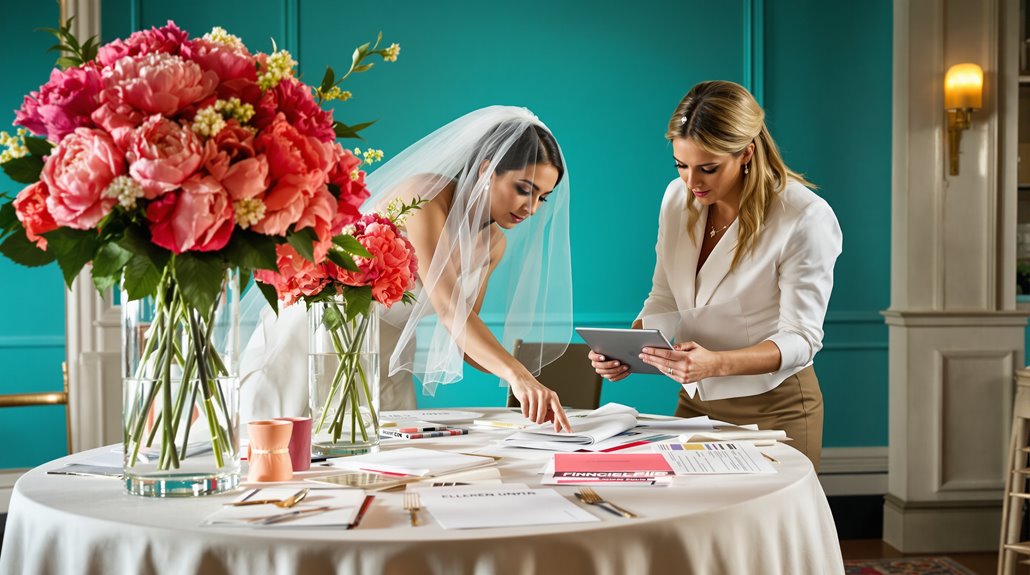
Crafting the perfect centerpiece is just one piece of the wedding puzzle. But let’s be real—you’ve got no time for trial and error. That’s where our streamlined decision matrix template comes in. You’ll strategically weigh criteria like cost and visual impact, then assign weights from 1-5 based on importance. List your centerpiece options, score each one, and multiply by their weights to get the total. This isn’t just some spreadsheet fluff—it’s a project management tool that gets the job done. No emotional bias, just cold hard numbers steering your choices. Use it in real-time on platforms like Asana for team input, making your wedding planning as efficient as your career moves. Now, go execute like the pro you are!
FAQ (quick answers to common edge cases)
Stuck choosing between centerpiece options? Pivot to a streamlined checklist: assess venue height, guest count fluctuations, and budget constraints as your guiding metrics. Non-negotiables to confirm with vendors include setup logistics and fallback plans for sudden changes, like a 20% guest count swing—because nobody wants chaos at crunch time.
What if I’m stuck between two options?
Ever find yourself caught in the conundrum of choosing between tall and low centerpieces? Here’s the game plan: mix it up. Strategically alternating heights adds visual depth and interest, balancing grandeur and intimacy. It’s simple math: tall centerpieces draw the eye up, making spaces feel expansive, while low ones keep conversations flowing uninterrupted. In high-ceiling venues, tall centerpieces make a statement; in smaller spaces, low options prevent a cramped vibe. Mixing is a streamlined approach that stretches your budget, with tall pieces offering dramatic flair and low ones being budget-friendly and versatile. So, pivot if you’re torn—this combo gets the job done without the ‘bless and stressed’ nonsense. Next step? Execute a cohesive color scheme and enjoy the harmonious aesthetic.
What’s the easiest way to reduce risk with either option?
Want to reduce the risk of centerpiece chaos? Streamline your strategy by executing low centerpieces for budget-friendly, no-fuss success. They’re easy to move, won’t block conversations, and keep costs down with simpler mechanics—ideal for urban pros who value efficiency. But if grandeur’s your game, tall centerpieces create drama when strategically positioned in high-ceilinged spaces. Just guarantee sturdy bases and confirm sightlines to dodge any visual roadblocks. Mix heights for the best of both worlds—balance and budget. Pre-event vendor consultations become your non-negotiable allies; they’ll confirm mechanical requirements and sightline specs. With these steps, you pivot from centerpiece stress to seamless execution, guaranteeing your event gains momentum without unexpected hiccups. Ready to make your move? Implement these tips now.
What should I ask vendors to confirm assumptions?
When it comes to mastering centerpiece logistics like a pro, you need to ask vendors the right questions to keep your event momentum strong. Confirm expectations on how centerpiece height impacts conversation. Demand clarity on setup timelines, including buffer periods for both tall and low arrangements. Verify space and equipment needs for centerpiece stability—no one wants a toppling floral fiasco. Clarify deliverables and handle misunderstandings about visual obstructions from tall pieces. Schedule site visits to pinpoint venue constraints. Establish a single point of contact for swift logistics resolution. Confirm feedback mechanisms—ask about pre-event feedback on designs and post-event reviews on guest interaction. Request structured timelines with contingency plans. Remember, clarity isn’t just a nice-to-have; it’s non-negotiable.
What changes if my guest count swings by 20%?
If your guest count suddenly jumps by 20%, it’s time to pivot your centerpiece strategy with precision and purpose. Larger gatherings mean more tables closer together, so embrace low centerpieces to maintain conversation flow and sightlines. High ceilings? Sure, but only if your guests fill the room—otherwise, tall arrangements risk looking sparse and costly. Elevated centerpieces demand more flowers and mechanics, multiplying expenses with each added guest. Opting for low designs can stretch your budget further—they’re straightforward, effective, and don’t compromise on style. Keep centerpieces below 12 inches or above 24 inches—non-negotiable for clear sightlines. Accelerate your decision-making: Review your budget, update your florist, and execute a streamlined plan that gets the job done without sacrificial aesthetics.
What’s the best fallback plan if something goes wrong?
How do you keep your event from going off the rails, even when chaos seems inevitable? It’s all about having fallback plans that are as sharp as a well-tailored suit. First, lock down indoor options for outdoor events; Mother Nature’s mood swings are non-negotiable. Keep a stash of backup AV gear—don’t let tech gremlins ruin your day. Vendor flaked? No sweat. Your secondary supplier list is ready for deployment faster than you can say “double espresso.” Clear, concise communication keeps everyone—from guests to vendors—in the loop. Brief your team beforehand, ensuring they’re prepped for pivots. Finally, have an on-call staff pool; they’ll cover any gaps quicker than a corporate email. Execute these strategies, and you’ll handle disruptions like a pro.
Next steps: make the decision + execute the plan
You’ve done the groundwork, now let’s pivot to executing your centerpiece plan with the precision of a seasoned project manager. It’s time to make those centerpiece decisions and execute. Think strategically and stay flexible. Opt for a mix of heights to balance aesthetics and interaction. Test everything pre-event—no one needs a surprise floral fiasco on their big day.
- Venue Dynamics: Use tall centerpieces for lofty venues; go low for intimacy and interaction.
- Budget Smarts: Low centerpieces stretch dollars and double as guest favors.
- Execution Precision: Coordinate setup logistics—tall need sturdy bases, low travel easily.
- Impact Metrics: Evaluate guest flow and sightlines; measure how layouts enhance conversation.
Reality Check: Overcomplicating? Stick to essentials—don’t let choice paralysis stall your momentum.